The Ultimate EV Showdown: Fisker Ocean vs. Tesla Model Y
The electric vehicle market is no stranger to ambitious startups, but few stories are as compelling—and tragic—as that of the Fisker Ocean. Conceived by legendary automotive designer Henrik Fisker, the Ocean SUV was pitched as a sustainable, stylish, and technologically advanced rival to the segment's undisputed king: the Tesla Model Y. On paper, and in many physical aspects, the Fisker Ocean is a triumph of modern EV design. However, a great car does not always equate to a great car company.
In this head-to-head product showdown, we are putting the Fisker Ocean (specifically the high-end Extreme and One trims) up against the Tesla Model Y Long Range. We will evaluate real-world range, interior quality, driving dynamics, and tech features. More importantly, we will conduct a critical company viability assessment to determine what Fisker Inc.'s high-profile bankruptcy means for current owners and brave bargain-hunters eyeing the liquidation market.
Fisker Ocean Review: A Masterclass in Design, Flawed in Execution
From a purely aesthetic and architectural standpoint, the Fisker Ocean is a breath of fresh air. Built by Magna Steyr in Austria—a contract manufacturer known for producing vehicles for Mercedes-Benz and BMW—the Ocean boasts exceptional build quality, tight panel gaps, and a ride quality that vastly outshines its competitors.
Exterior and 'California Mode'
The Ocean's design is rugged yet sleek, featuring a unique SolarSky roof that integrates solar cells to trickle-charge the battery, adding up to 1,500 miles of range per year under optimal conditions. But the real party trick is 'California Mode.' With the press of a single button, all four windows, the rear quarter windows, and even the rear hatch glass roll down simultaneously, transforming the enclosed SUV into an open-air cruiser. It is a brilliant piece of engineering that Tesla simply does not offer.
Interior Quality and the Revolve Screen
Step inside the Ocean, and you are greeted by premium, sustainably sourced materials that make the Tesla Model Y's minimalist interior feel spartan and plasticky by comparison. The centerpiece is the 'Revolve' screen, a 17.1-inch infotainment display that rotates from a horizontal 'Control Mode' to a vertical 'Hollywood Mode' for media consumption while parked. However, as noted in Car and Driver's comprehensive Fisker Ocean review and specs hub, the infotainment software has been plagued by lag, erratic behavior, and frustrating menu structures that detract from the otherwise luxurious cabin.
Driving Dynamics and Range
Driving the Ocean Extreme is a revelation. Its dual-motor all-wheel-drive setup produces 564 horsepower, launching the SUV to 60 mph in just 3.7 seconds. Thanks to Magna Steyr's chassis tuning, the Ocean absorbs bumps with a compliance and refinement that the stiffly sprung Model Y cannot match. The EPA-estimated range of 360 miles on the Extreme trim is also class-leading, though real-world highway testing often yields numbers closer to 300 miles due to the vehicle's heavy curb weight and boxy aerodynamics.
Tesla Model Y: The Relentless Benchmark
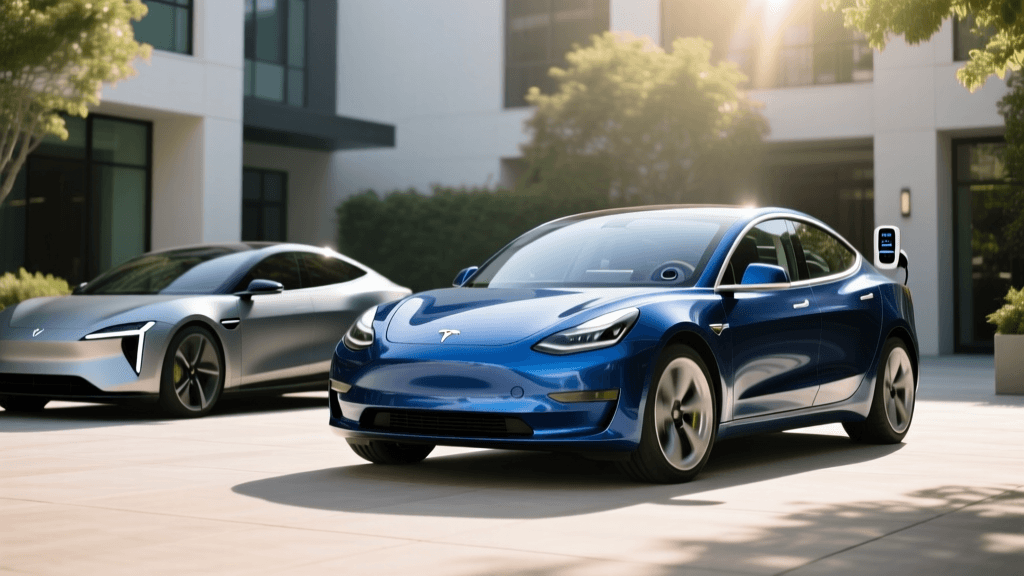
The Tesla Model Y remains the best-selling EV in the world for a reason. While it may lack the Ocean's head-turning design and plush materials, it excels where it matters most to the average consumer: efficiency, software stability, and charging infrastructure. The Model Y's heat pump and powertrain efficiency are industry-leading, ensuring that its 310-mile EPA estimate is easily achievable in mixed driving. Furthermore, the native integration with the Tesla Supercharger network eliminates the routing anxiety that plagues owners of non-Tesla EVs relying on third-party networks like Electrify America.
Head-to-Head Specification Comparison
| Feature | Fisker Ocean Extreme | Tesla Model Y Long Range |
|---|---|---|
| Original Base MSRP | $61,499 | $48,990 |
| EPA Estimated Range | 360 miles | 310 miles |
| 0-60 MPH Acceleration | 3.7 seconds | 4.8 seconds |
| Max DC Fast Charge Rate | ~250 kW (theoretical) | 250 kW |
| Cargo Volume (Rear Seats Up) | 31.5 cu-ft | 30.2 cu-ft |
| Software & OTA Reliability | Poor / Buggy | Excellent / Industry Standard |
The Elephant in the Room: Fisker Company Viability Assessment
You cannot review the Fisker Ocean in 2024 without addressing the catastrophic collapse of the company behind it. In June 2024, Fisker Inc. filed for Chapter 11 bankruptcy, seeking to sell off its remaining assets after a disastrous cash burn, failed software rollouts, and an inability to scale production. As reported by CNBC's coverage of Fisker's Chapter 11 bankruptcy filing, the company's rapid descent left thousands of pre-orders unfulfilled and current owners stranded in a sea of uncertainty.
The 'Orphan EV' Dilemma
When a traditional automaker goes bankrupt, you can still change the oil and replace the brake pads. But modern EVs are essentially rolling computers. Fisker owners are now facing the terrifying reality of 'bricking.' If Fisker's cloud servers are permanently shut down due to unpaid AWS or telecom bills, owners could lose access to the mobile app, remote climate control, and critically, their digital key fobs. Furthermore, collision repair is becoming a nightmare; with no centralized parts distribution network, a minor fender bender could total the vehicle simply because replacement bumpers and proprietary LED taillights are virtually impossible to source.
According to ongoing tracking by EV news outlets like Electrek's Fisker Ocean news and owner guide tracker, independent owner communities have had to reverse-engineer workarounds for software bugs that Fisker's now-defunct engineering team will never patch. This transforms the Ocean from a cutting-edge smart vehicle into a high-maintenance liability.
Actionable Advice: Should You Buy a Liquidated Fisker Ocean?
With liquidators dumping brand-new, low-mileage Fisker Oceans at staggering discounts—sometimes up to 60% off the original MSRP—the temptation for bargain hunters is immense. If you are considering purchasing a leftover or used Fisker Ocean, you must follow these strict, actionable guidelines:
- Secure Insurance First: Before signing any bill of sale, contact your insurance provider. Many major insurers have quietly dropped comprehensive and collision coverage for Fisker vehicles due to the impossibility of sourcing replacement parts.
- Demand Physical Key Fobs: Do not rely on the smartphone app or digital Bluetooth keys. Ensure the vehicle comes with both physical RFID key fobs, and test them to ensure the car starts and drives without a phone present.
- Treat it as a Secondary Vehicle: The Ocean should not be your primary daily commuter or family road-trip vehicle. The lack of reliable roadside assistance and the unpredictability of the software make it best suited as a weekend cruiser or a secondary car.
- Inspect for Transport Damage: Many liquidated Oceans sat in ports or fields for months. Inspect the undercarriage for rust, check the 12V battery health (which degrades when sitting idle), and look for water intrusion around the complex panoramic roof seals.
- Download Everything: Download the owner's manual, wiring diagrams, and any available software reset guides to a local hard drive. If the Fisker support website goes dark, you will need these resources.
Final Verdict: Which EV Wins?
In a vacuum where company viability is ignored, the Fisker Ocean is the superior luxury product. It offers a quieter cabin, a more compliant ride, better materials, and a longer EPA range than the Tesla Model Y. It is a vehicle designed by car lovers, for car lovers.
However, we do not buy cars in a vacuum. The Tesla Model Y wins this showdown by default of its manufacturer's survival and infrastructure dominance. The Model Y offers unparalleled peace of mind, access to the flawless Supercharger network, and the guarantee that a software update will not accidentally disable your turn signals. The Fisker Ocean is a beautiful, heartbreaking reminder that in the automotive industry, a brilliant product is nothing without a viable business model to support it. Buy the Tesla for your sanity; buy the Fisker only if you have a high risk tolerance and a deep appreciation for automotive underdogs.