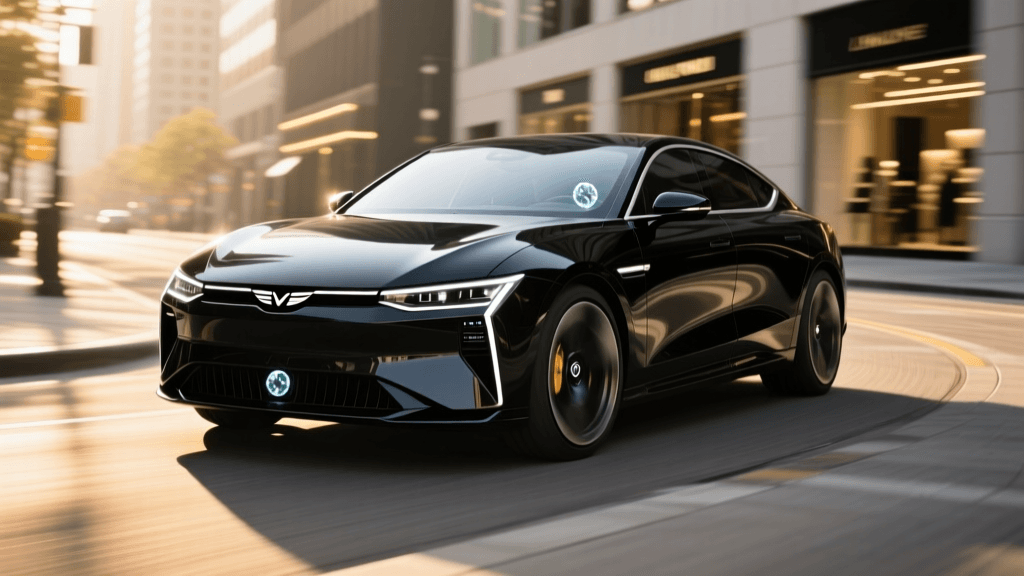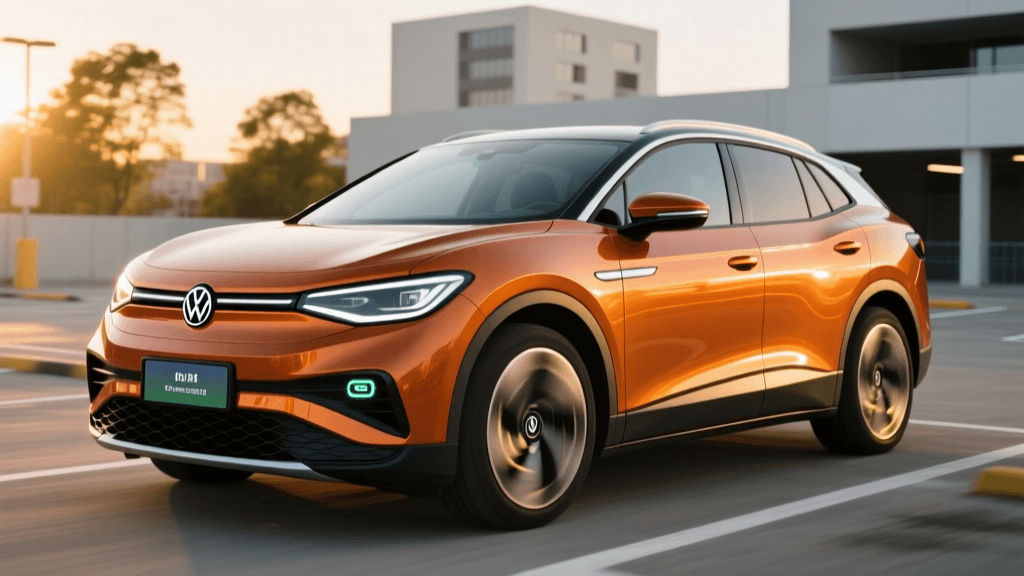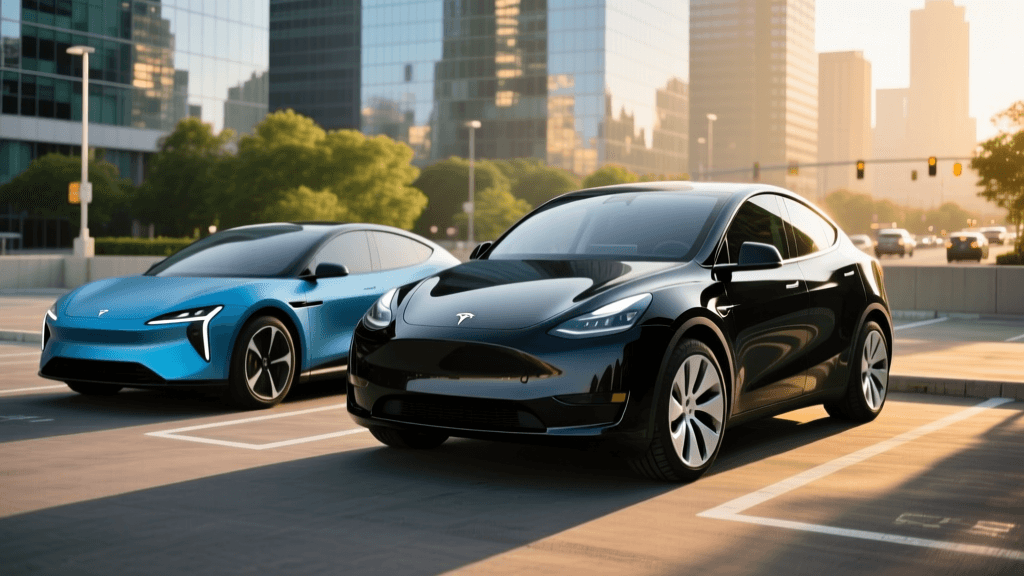
The Ultimate EV Showdown: Fisker Ocean vs. Tesla Model Y
When the Fisker Ocean first debuted, it was heralded as the ultimate Tesla Model Y killer. Designed by renowned automotive stylist Henrik Fisker, the Ocean promised a stunning silhouette, class-leading range, an innovative solar roof, and a sustainable, vegan interior. On paper, it was a masterpiece of modern electric vehicle engineering. However, the automotive landscape is unforgiving, and the transition from a glamorous auto show concept to a mass-produced, reliable daily driver is a graveyard for many EV startups. Today, we are putting the Fisker Ocean head-to-head against the segment benchmark, the Tesla Model Y, to evaluate not just the metal and the batteries, but the stark reality of ownership in the wake of Fisker Inc.'s catastrophic financial collapse.
In this comprehensive EV review and company viability assessment, we will break down real-world range, charging speeds, interior technology, and the massive elephant in the room: what happens when your automaker files for Chapter 11 bankruptcy. If you are considering picking up a heavily discounted, used Fisker Ocean, or if you are a current owner wondering about your vehicle's future, this showdown will provide the actionable insights you need.
Design, Interior, and the 'California Mode' Gimmick
From a purely aesthetic standpoint, the Fisker Ocean easily outshines the Tesla Model Y. The Ocean features a rugged yet sleek SUV profile, characterized by its signature solar-panel roof (the 'SolarSky'), which Fisker claimed could add up to 1,500 miles of range per year under ideal conditions. Inside, the Ocean's 'California Mode' is a brilliant party trick. With the press of a button, all four windows roll down, the rear hatch glass lowers into the tailgate, and the rear quarter windows fold away, transforming the cabin into an open-air convertible experience that the Model Y's fixed panoramic glass roof simply cannot match.
The Ocean's interior also boasts the 'Revolve' screen, a 17.1-inch center display that rotates from a horizontal 'Control Mode' to a vertical 'Hollywood Mode' for parked entertainment. The materials are heavily recycled, featuring eco-friendly fabrics and reclaimed plastics that give the cabin a unique, premium, and earth-conscious feel. Conversely, the Tesla Model Y leans into extreme minimalism. While some buyers love the uncluttered, airy cabin and the massive front trunk (frunk) space, others find it sterile. The Model Y lacks the Ocean's tactile buttons and innovative window configurations, but it makes up for it with superior panel gap consistency and a more intuitive, albeit screen-dependent, ergonomic layout.
Performance, Range, and Charging Speeds
When comparing the top-tier Fisker Ocean Extreme (and the launch 'One' edition) against the Tesla Model Y Long Range, the numbers tell a fascinating story of trade-offs. The Ocean is significantly heavier, tipping the scales at over 5,200 pounds, which impacts its handling dynamics and tire wear. However, its massive battery pack delivers incredible EPA-estimated range.
| Feature | Fisker Ocean Extreme | Tesla Model Y Long Range |
|---|---|---|
| Original MSRP | $68,999 | $48,990 |
| EPA Est. Range | 360 Miles | 310 Miles |
| 0-60 MPH | 3.7 Seconds | 4.8 Seconds |
| Battery Capacity | 113 kWh (Hyper Range) | 82 kWh |
| Peak DC Fast Charging | ~150 kW | ~250 kW |
| Service Network | Defunct / 3rd Party | Extensive Proprietary |
While the Ocean wins on straight-line acceleration and total range, the Tesla Model Y dominates in charging infrastructure and speed. As noted in MotorTrend's first drive analysis, the Ocean's charging curve is relatively conservative, peaking around 150 kW and taking roughly 30-35 minutes to go from 10% to 80%. The Model Y, utilizing Tesla's V3 Superchargers, can achieve the same state of charge in under 25 minutes. Furthermore, with Fisker's promised charging partnerships now in limbo due to the company's bankruptcy, Ocean owners are largely reliant on third-party networks like Electrify America or EVgo, which historically suffer from lower uptime reliability compared to Tesla's proprietary Supercharger network.
The Software and Service Nightmare
The most glaring differentiator in this head-to-head showdown is the software experience and post-sale support. Tesla's vertically integrated software stack is widely considered the industry gold standard. Over-the-air (OTA) updates are seamless, the mobile app is incredibly responsive, and the Supercharger network offers plug-and-charge simplicity.
The Fisker Ocean, unfortunately, launched with severely unfinished software. Early adopters reported a litany of bugs, including phantom braking, key fob recognition failures, infotainment screen freezing, and sudden 12V battery drains that left vehicles completely bricked and unable to be shifted into neutral. According to the NHTSA safety and recall database, the Ocean has faced multiple recalls related to software glitches, loss of drive power, and exterior lighting failures. Because Fisker lacked a traditional dealership network and relied on a patchwork of third-party mobile repair services and a single flagship service center in Los Angeles, getting these software and hardware issues resolved often took months. For buyers accustomed to Tesla's streamlined service app and mobile ranger fleet, the Fisker ownership experience has been profoundly frustrating.
Company Viability: What Fisker's Bankruptcy Means for Buyers
In June 2024, Fisker Inc. filed for Chapter 11 bankruptcy protection, effectively ending its run as an independent automaker. The collapse was driven by severe cash flow issues, a failure to secure additional funding, and the unraveling of its manufacturing agreement with Magna Steyr. For current owners and prospective used buyers, this shifts the Ocean from a compelling EV alternative to a high-risk 'orphan car.'
Here is the harsh reality of Fisker's viability assessment:
- Warranties are Void: Fisker's original factory warranties (including the 6-year/60,000-mile bumper-to-bumper and 10-year/100,000-mile battery warranty) are essentially worthless. There is no corporate entity left to honor them.
- Parts Scarcity: With production halted at Magna Steyr, the supply chain for proprietary Fisker parts (body panels, custom lighting, specialized interior trim) has dried up. Minor fender benders could easily result in total loss declarations from insurance companies due to the impossibility of sourcing replacement parts.
- Software Bricking Risks: If Fisker's backend servers are permanently shut down, owners risk losing app connectivity, remote climate control, and potentially the ability to activate or deactivate the vehicle if the digital key servers go offline.
- Insurance Premiums: Many major insurance providers have either dropped coverage for Fisker vehicles or drastically increased premiums due to the inability to guarantee repair timelines and parts availability.
Actionable Advice: Inspecting a Used Fisker Ocean
Despite the dire company viability assessment, the Fisker Ocean's depreciation has been astronomical. You can now find lightly used Ocean Extreme models for under $30,000—a fraction of their original MSRP. If you are mechanically inclined and willing to accept the risks of owning an orphan EV, here is a practical checklist for inspecting a used Fisker Ocean:
- Test the 12V Battery System: The Ocean's 12V battery is notorious for draining if the vehicle sits idle. Bring a multimeter and ensure the DC-DC converter is properly charging the 12V system while the car is in 'Ready' mode.
- Check for Suspension Clunks: The Ocean is a heavy vehicle. Inspect the front control arm bushings and rear trailing arms for premature wear, listening for metallic clunks when driving over speed bumps.
- Verify Software Version: Ensure the vehicle has received the latest OTA updates prior to the server shutdowns. Test all cameras, the Revolve screen motor, and the California Mode window regulators, as these are complex mechanical components prone to failure.
- Inspect Tire Wear: The Ocean's heavy curb weight and instant torque eat through tires rapidly. Check the inner shoulders of the tires for uneven wear, which can indicate alignment issues stemming from the heavy battery pack.
For a deeper dive into the vehicle's mechanical quirks, Car and Driver's Fisker Ocean review highlights the disparity between the SUV's brilliant chassis tuning and its frustrating electronic gremlins, reinforcing the need for a thorough pre-purchase inspection by an independent EV specialist.
Final Verdict: The Orphan Car Dilemma
In a head-to-head product showdown based purely on design, sustainability, and straight-line performance, the Fisker Ocean is a compelling, charismatic machine that offers a soulful alternative to the ubiquitous Tesla Model Y. Its 360-mile range and open-air California Mode are genuine innovations.
However, an automobile is not just a collection of parts; it is a long-term mobility commitment. The Tesla Model Y wins this showdown by a landslide when factoring in ownership security, software reliability, charging infrastructure, and resale stability. The Fisker Ocean is now strictly a bargain-bin enthusiast's gamble. Unless you are securing one for rock-bottom prices, possess a tolerance for severe parts scarcity, and have access to a specialized independent EV mechanic, the Model Y remains the only rational choice in this segment. The Ocean will be remembered as a beautiful tragedy—a stunning EV concept that the harsh realities of automotive manufacturing and corporate finance ultimately destroyed.