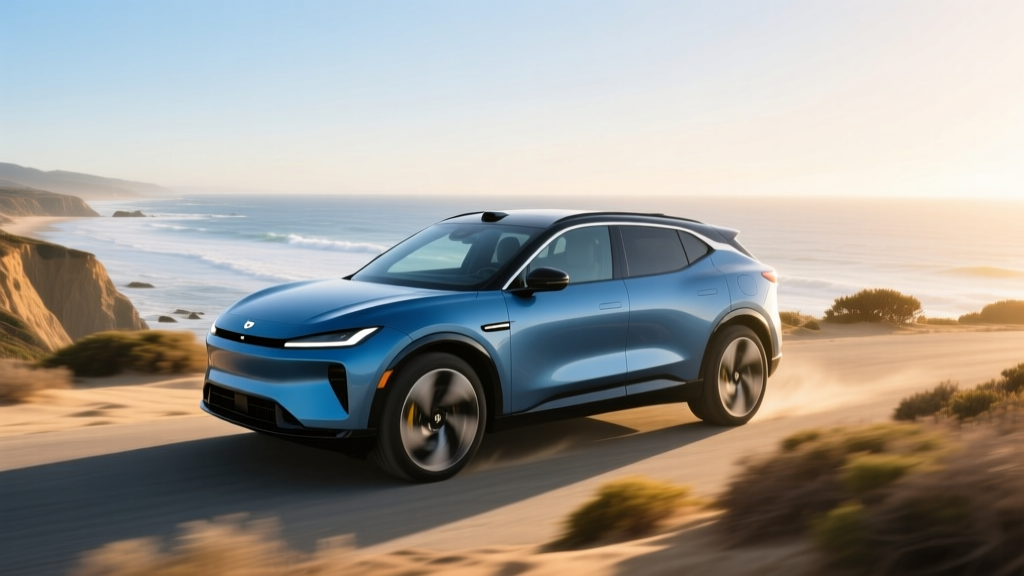
The Fisker Ocean made waves when it launched as a stylish, sustainably-minded electric SUV with competitive range and a unique solar roof. But after Fisker Inc. filed for bankruptcy in mid-2024 and production ceased, the landscape for prospective Fisker lease seekers has shifted dramatically. If you're searching for a Fisker lease deal in 2026, you're likely looking at remaining inventory, certified pre-owned options, or third-party leasing companies that acquired fleet vehicles.
This review gives you the complete picture: exact specs, real-world range data, charging performance, current pricing realities, and an honest assessment of whether leasing a Fisker Ocean still makes sense when the manufacturer is no longer operating. We'll also cover what warranty coverage looks like post-bankruptcy and which competitors might serve you better.
Fisker Ocean Specs at a Glance
| Specification | Ocean Sport (FWD) | Ocean Ultra / Extreme (AWD) |
|---|---|---|
| EPA Range | 250 miles | 360 miles (Ultra) / 350 miles (Extreme) |
| Battery Capacity | ~80 kWh usable (LFP) | ~113 kWh usable (NMC) |
| Battery Chemistry | Lithium Iron Phosphate (LFP) | Nickel Manganese Cobalt (NMC) |
| Peak DC Fast Charge | ~170 kW | ~250 kW |
| 10–80% DC Charge Time | ~33 minutes | ~30 minutes |
| Level 2 Home Charging | 11 kW (~30 mi/hr) | 11 kW (~36 mi/hr) |
| 0–60 mph | 7.4 seconds | 3.9 seconds (Extreme) |
| Horsepower | 275 hp | 550 hp (Extreme) |
| Drivetrain | Single-motor FWD | Dual-motor AWD |
| MPGe (Combined) | ~100 MPGe | ~93 MPGe |
| Efficiency | ~34 kWh/100 mi | ~38 kWh/100 mi |
| Cargo Volume (rear seats up) | 32.5 cu ft | 32.5 cu ft |
| Cargo Volume (rear seats folded) | 65.3 cu ft | 65.3 cu ft |
| Rear Legroom | 38.2 inches | 38.2 inches |
| Original Base MSRP | $37,499 | $61,999 (Ultra) / $68,999 (Extreme) |
| Warranty (Original) | 6 yr / 60,000 mi basic; 10 yr / 100,000 mi battery | |
Real-World Range: What the EPA Number Doesn't Tell You
Ocean Sport (LFP): EPA 250 miles — expect ~210–230 miles highway, ~170–190 miles in freezing weather
Ocean Ultra (NMC): EPA 360 miles — expect ~300–320 miles highway, ~250–275 miles in freezing weather
Ocean Extreme (NMC): EPA 350 miles — expect ~290–310 miles highway, ~240–265 miles in freezing weather
The Fisker Ocean Ultra's 360-mile EPA rating was among the best in its class at launch, rivaling the Tesla Model Y Long Range and outperforming the Ford Mustang Mach-E Extended Range. However, EPA estimates assume moderate temperatures, mixed city/highway driving, and conservative speeds.
In real-world highway testing at 70–75 mph, the Ocean Ultra typically delivers 300–320 miles before needing a charge — a roughly 12–17% reduction from the sticker number. Cold weather (below 32°F) compounds this further. Without a heat pump on all trims (the Sport initially lacked one), cabin heating draws directly from the traction battery, cutting range by 25–30% in deep winter conditions. If you commute in Minnesota or Maine, plan for ~250 usable miles from the Ultra in January.
The LFP-equipped Ocean Sport is more resilient to daily charging to 100% — LFP chemistry tolerates full-state-of-charge storage better than NMC — but its smaller battery means fewer total miles regardless. For drivers with short commutes and reliable home charging, the Sport's 250-mile EPA rating is adequate. For road-trippers, the Ultra or Extreme is the pragmatic pick.
Charging Speed: DC Fast Charging and Home Level 2
Charging performance is where the Ocean's dual-chemistry strategy matters most. The Sport's LFP battery peaks at roughly 170 kW on a DC fast charger, while the Ultra and Extreme (NMC, 113 kWh) can reach approximately 250 kW under ideal conditions — but sustained rates tell the real story.
| Charging Level | Ocean Sport (LFP) | Ocean Ultra/Extreme (NMC) |
|---|---|---|
| Level 1 (120V, 1.4 kW) | ~4 mi/hr | ~4 mi/hr |
| Level 2 (240V, 11 kW) | ~30 mi/hr (full in ~8 hr) | ~36 mi/hr (full in ~10.5 hr) |
| DC Fast (peak) | ~170 kW | ~250 kW |
| DC 10–80% Time | ~33 min | ~30 min |
| Sustained Rate (avg 10–80%) | ~110 kW | ~160 kW |
| Connector | CCS1 (J1772 combo) | CCS1 (J1772 combo) |
The Ocean uses the CCS1 connector, which remains widely supported at Electrify America, EVgo, and ChargePoint DC stations — though the industry is migrating toward NACS (Tesla's connector). Adapters are available, and by 2026 most networks support both, but CCS-native charging avoids adapter hassle.
Like all EVs, the Ocean's charge curve tapers significantly above 80% state of charge. Charging from 80–100% on DC can take as long as the 10–80% portion. For road trips, plan stops around the 10–80% window to minimize downtime. At home on a Level 2 charger (11 kW / 48A), the Ultra's large 113 kWh battery requires roughly 10–11 hours for a full charge — install a charger with at least a 60A circuit to maximize the Ocean's onboard charger capacity.
Current Pricing and the Fisker Lease Reality in 2026
Here's where the Fisker lease conversation gets complicated. Fisker Inc. ceased operations and entered bankruptcy proceedings in 2024. New production stopped, and the company's direct-to-consumer leasing program was discontinued. What remains in 2026:
- Remaining new inventory: A small number of unregistered 2023–2024 Ocean SUVs sit at liquidation dealers or were acquired by fleet operators. Pricing is heavily discounted — reports indicate Ultra trims selling for $25,000–$35,000 (well below original MSRP).
- Certified pre-owned / used market: Most available Oceans are now on the secondary market. Prices range from $18,000 (Sport, higher mileage) to $38,000 (Ultra/Extreme, low mileage).
- Third-party leases: Some leasing companies that acquired Fisker fleet vehicles may offer lease transfers or short-term leases. These are uncommon and require careful contract review.
| Trim | Original MSRP | Approximate 2026 Market Price (Used/Remaining) | §30D Tax Credit Eligibility (New) |
|---|---|---|---|
| Ocean Sport | $37,499 | $18,000–$24,000 | Was eligible ($7,500); no longer claimable on new since production ended |
| Ocean Ultra | $61,999 | $28,000–$35,000 | Was eligible; MSRP was above SUV cap ($80K) — qualified on price |
| Ocean Extreme | $68,999 | $32,000–$38,000 | Same as Ultra |
Used EV Tax Credit (§25E): If you purchase a used Fisker Ocean from a licensed dealer for $25,000 or less, you may qualify for the §25E Used Clean Vehicle Credit — up to $4,000 or 30% of the sale price (whichever is lower). Income caps apply: $75,000 single / $150,000 married filing jointly. This is the most realistic tax incentive for a 2026 Fisker buyer.
Technology, Interior, and Standout Features
The Ocean's interior was designed to compete with premium EVs at a mainstream price. Key features include:
- Solar Roof (SolarSky): Standard on Ultra and Extreme trims. Adds roughly 1–2 miles of range per day in full sun — marginal but symbolically aligned with Fisker's sustainability branding.
- California Mode: All windows (including rear quarter windows and the rear hatch glass) lower simultaneously for an open-air experience. Unique in the segment.
- 17.1-inch Rotating Touchscreen: The centerpiece infotainment display rotates from portrait to landscape. Runs a proprietary OS — not Android Automotive. Software updates are now uncertain given Fisker's dissolution.
- Revolve Cloth / Vegan Interior: Fisker emphasized recycled and vegan materials throughout. Build quality was generally praised, though early models had reported panel-gap inconsistencies.
- ADAS: Fisker Intelligent Pilot with adaptive cruise control, lane-keeping, and automated emergency braking. This is an SAE Level 2 driver-assist system — you must remain engaged and keep hands on the wheel. It is not autonomous driving.
Pros and Cons: Honest Assessment
- Ultra trim offers 360-mile EPA range — top of class
- Distinctive design with SolarSky roof and California Mode
- Spacious cargo area (65.3 cu ft seats folded)
- Strong acceleration on AWD trims (3.9 sec 0–60)
- LFP option (Sport) offers long cycle life and 100% daily charging tolerance
- Deeply discounted pricing on remaining/used inventory
- Manufacturer bankrupt — no warranty backing from Fisker
- OTA updates and connected services uncertain or defunct
- CCS1 connector in a NACS-migrating market (adapters needed for Superchargers)
- Software bugs reported in early production models
- Spare parts supply chain is limited and uncertain
- No authorized service network — reliant on independent EV shops
- Insurance costs may be elevated due to parts scarcity
Fisker Ocean vs. Key Competitors
If you're weighing a Fisker lease or purchase against alternatives, here's how it stacks up against the most relevant 2026 competitors:
| Attribute | Fisker Ocean Ultra | Tesla Model Y LR | Hyundai Ioniq 5 LR AWD | Ford Mustang Mach-E ER AWD |
|---|---|---|---|---|
| EPA Range | 360 mi | 330 mi | 290 mi | 312 mi |
| Battery (kWh) | 113 (NMC) | ~78 (NMC) | 77.4 (NMC) | 91 (NMC) |
| Peak DC Charge | ~250 kW | ~250 kW | ~240 kW | ~150 kW |
| 10–80% Time | ~30 min | ~25 min | ~18 min | ~38 min |
| 0–60 mph | ~4.2 sec | ~5.0 sec | ~5.1 sec | ~5.1 sec |
| 2026 Starting Price | Discontinued (used ~$28K–$35K) | ~$48,990 | ~$49,500 | ~$48,995 |
| Warranty Backing | None (company defunct) | Active | Active | Active |
| §30D Credit (2026) | N/A | Varies by sourcing | $7,500 (if eligible) | $7,500 (if eligible) |
The Ocean Ultra's range advantage is real, but the Hyundai Ioniq 5 charges faster in practice (its 10–80% time is significantly quicker thanks to a flatter charge curve). The Tesla Model Y benefits from Supercharger network access and active manufacturer support. The Mach-E trails in charging speed but has a robust dealer service network.
Choose the Fisker Ocean if: You find a deeply discounted Ultra/Extreme, you prioritize range above all else, you have reliable home charging, and you're comfortable with the risk of limited service infrastructure and no active warranty.
Choose a competitor if: You need warranty protection, reliable OTA updates, broad public charging compatibility (NACS/Superchargers), or easy access to dealer service. For most buyers in 2026, the Ioniq 5, Model Y, or Mach-E is the lower-risk choice.
Who Is the Fisker Ocean Best Suited For?
Given the post-bankruptcy realities, the Fisker Ocean in 2026 is best suited for a narrow buyer profile:
- Value seekers: If you can acquire an Ocean Ultra for $28,000–$32,000, you're getting 360 miles of EPA range and dual-motor AWD at a fraction of its original price — comparable to a base Model Y with far more range.
- Home chargers: The Ocean works best when charged overnight at home. If you have a Level 2 setup and a predictable commute, the service-network gap matters less day-to-day.
- Tech-tolerant owners: If you're comfortable troubleshooting minor software issues and don't depend on app-based remote features, the Ocean's tech suite remains functional.
- NOT for: First-time EV buyers who need hand-holding, fleet buyers who require uptime guarantees, or anyone in a region without independent EV mechanics.
Frequently Asked Questions
Can I still lease a Fisker Ocean in 2026?
New Fisker leases are no longer available since the company ceased operations in 2024. You may find lease transfers through third-party platforms like Swapalease or LeaseTrader, or short-term leases from fleet liquidators. Most buyers in 2026 are purchasing used or remaining-new inventory outright.
What is the real-world range of the Fisker Ocean?
The Ocean Ultra delivers approximately 300–320 miles on the highway and 250–275 miles in freezing weather, against its 360-mile EPA rating. The Sport (LFP) achieves roughly 210–230 highway miles against its 250-mile EPA figure. City driving with regenerative braking can match or slightly exceed EPA estimates.
How fast does the Fisker Ocean charge?
The Ultra/Extreme (NMC) peaks at ~250 kW DC and charges 10–80% in approximately 30 minutes, though sustained average rate is closer to 160 kW. The Sport (LFP) peaks at ~170 kW with a 10–80% time of ~33 minutes. Home Level 2 charging at 11 kW adds roughly 30–36 miles per hour depending on trim.
Does the Fisker Ocean qualify for the federal EV tax credit?
The §30D new-vehicle credit is no longer claimable on new Fisker Oceans since production has ended and the manufacturer cannot certify current-year battery-sourcing requirements. However, the §25E Used Clean Vehicle Credit may apply: up to $4,000 for used EVs purchased from a dealer for $25,000 or less, subject to income limits ($75K single / $150K married). Consult a tax professional for eligibility.
Is it worth buying a Fisker Ocean vs. a Tesla Model Y or Hyundai Ioniq 5?
It depends on risk tolerance. The Ocean Ultra offers more EPA range than either competitor at a steeply discounted used price. However, the Model Y and Ioniq 5 provide active manufacturer warranties, reliable OTA updates, established service networks, and (for Tesla) native Supercharger access. For most buyers, the competitors are safer long-term bets. The Ocean is a calculated value play for informed buyers who can absorb the service and support risk.
What happens if my Fisker Ocean needs repairs?
With Fisker defunct, there is no authorized dealer service network. Repairs depend on independent EV mechanics, mobile technicians, and parts availability from remaining inventory or third-party suppliers. Collision repair may be especially challenging due to limited body panel supply. We recommend identifying a qualified EV shop in your area before purchasing and confirming your insurer's ability to source parts.
Is the Fisker Ocean's battery warranty still valid?
Fisker's original 10-year/100,000-mile battery warranty is effectively unbacked since the company no longer exists. There is no entity to process warranty claims. Some third-party extended warranty providers may offer coverage — verify terms carefully before purchasing. This is a significant financial risk factor to budget for.