The Fisker Karma Sports Car: A PHEV Pioneer Under the Microscope
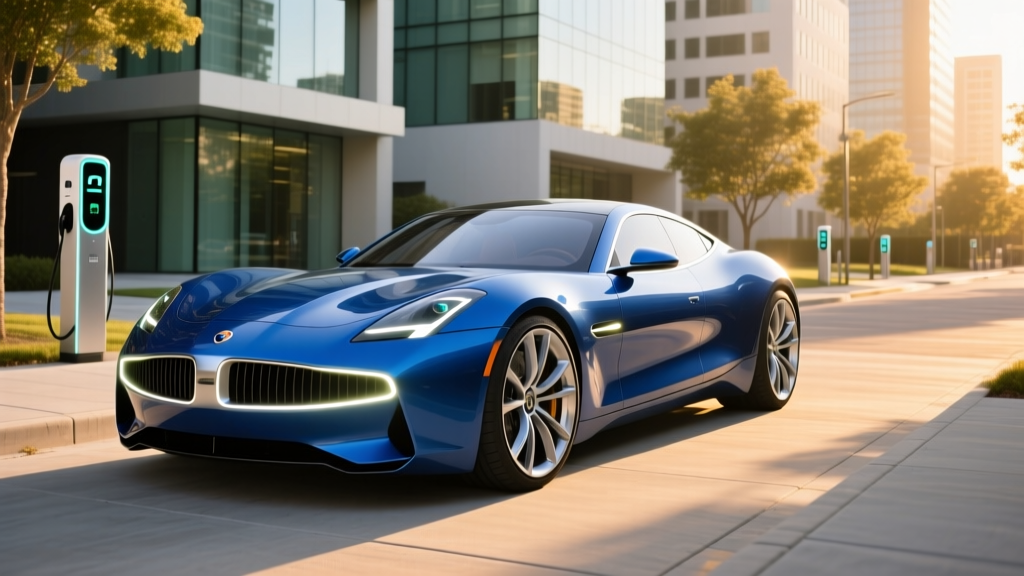
The Fisker Karma sports car occupies a strange space in automotive history. Launched in 2011 and produced through 2012, it was one of the first plug-in hybrid electric vehicles (PHEVs) to pair exotic design with a series-hybrid powertrain — a range-extender architecture that wouldn't become mainstream for another decade. Today, with Fisker Inc. (the Henrik Fisker–led company behind the 2023–2024 Fisker Ocean) having ceased operations in late 2024, the original Karma remains a curiosity on the used market. This profile examines what the Karma actually delivers, what it costs to own in 2026, and whether it still makes sense as a weekend sports sedan or collector PHEV.
Important context: The original Fisker Karma (2011–2012) is not the same as the Fisker Ocean SUV, nor is it related to the Karma Automotive Revero GT that succeeded it. This review covers the original Karma sedan as it exists on the used and collector market in 2026.
Spec Snapshot: Fisker Karma at a Glance
| Specification | Fisker Karma (2012 Model Year) |
|---|---|
| Powertrain Type | Series PHEV (range-extended EV) |
| Battery Capacity | 20.1 kWh gross (~18.0 kWh usable), NMC lithium-ion |
| EPA Electric Range | 32 miles |
| Range Extender | 2.0L turbocharged 4-cylinder (GM Ecotec) + generator |
| Total System Output | 403 hp / 959 lb-ft torque (rear wheels) |
| Drivetrain | RWD, dual rear electric motors |
| 0–60 mph | 5.8 seconds (Sport mode) |
| Top Speed | 125 mph |
| EPA MPGe (EV mode) | 54 MPGe |
| EPA MPG (gas mode) | 20 MPG combined |
| Level 2 Charging | 3.3 kW (J1772 connector) |
| DC Fast Charging | Not supported |
| Charge Time 0–100% (L2) | ~6 hours |
| Length / Width / Height | 196.7" / 78.1" / 52.4" |
| Wheelbase | 124.4" |
| Cargo Volume | 6.9 cu ft (trunk) |
| Curb Weight | 5,300 lbs |
| Original MSRP | $96,850–$110,000+ (2012) |
| 2026 Used Market Range | $25,000–$55,000 (condition dependent) |
| Battery Warranty (original) | 5 years / 60,000 miles |
Electric Range and Real-World Efficiency
Real-World Expectation: In 2026, with battery degradation factored in, expect 20–28 miles of electric-only range on a full charge under normal conditions. Highway driving at 70+ mph reduces this to approximately 15–20 miles. Cold-weather operation (below 32°F) can cut electric range by 30–40%, yielding as little as 12–18 miles. Once the 2.0L range-extender engine engages, the Karma operates as a series hybrid with no direct mechanical connection to the wheels, achieving roughly 20 MPG combined.
The Karma's NMC battery pack was modest even by 2012 standards. At 20.1 kWh gross with roughly 18 kWh usable, it was designed for short urban commutes on electricity before the turbocharged GM Ecotec engine kicked in as a generator. The series-hybrid architecture means the engine never drives the wheels directly — it solely charges the battery and feeds the twin rear electric motors. This setup delivers seamless electric-like acceleration in Stealth (EV) mode but means fuel economy in Sport mode is unimpressive compared to modern parallel-hybrid PHEVs like the Toyota Prius Prime or BMW 330e.
According to fueleconomy.gov, the Karma achieves 54 MPGe in electric mode and 20 MPG combined when the generator is running. For context, the 2026 BMW 330e delivers 75 MPGe and 28 MPG combined with a more practical electric range of 22 miles from a smaller battery — illustrating how far PHEV technology has advanced in 14 years.
Charging: Level 2 Only, No DC Fast Charging
| Charging Level | Power | Connector | Full Charge Time | Miles Added per Hour |
|---|---|---|---|---|
| Level 1 (120V) | 1.4 kW | J1772 | ~14 hours | ~5 miles/hr |
| Level 2 (240V) | 3.3 kW | J1772 | ~6 hours | ~12 miles/hr |
| DC Fast Charge | Not supported | N/A | N/A | N/A |
The Karma was never designed for DC fast charging — a significant limitation by modern standards but understandable for a 2012 vehicle. Its 3.3 kW onboard charger means even a full Level 2 session takes about six hours. For used Karma owners in 2026, overnight home charging on a standard 240V Level 2 station is the practical norm. Public Level 2 chargers at shopping centers or workplaces can top up the battery during the day, adding roughly 12 miles of electric range per hour plugged in.
The J1772 connector is the universal North American Level 2 standard, so compatibility is not an issue at any public Level 2 station or home charger. However, the Karma cannot use any DC fast-charging network — no Tesla Superchargers, Electrify America, or EVgo stations will work. This makes the Karma strictly a home-and-destination charging vehicle for its electric range.
Performance and Driving Dynamics
Despite its 5,300-pound curb weight, the Karma's twin rear electric motors deliver 403 hp and a claimed 959 lb-ft of torque to the rear wheels. In Sport mode (where both battery and generator feed the motors), the 0–60 mph sprint takes 5.8 seconds. In Stealth (EV-only) mode, output drops to approximately 201 hp and 0–60 stretches to around 7.9 seconds.
The driving experience is genuinely unique. The series-hybrid layout means there is no traditional transmission — acceleration is linear and uninterrupted, like a pure EV, until the range-extender engine audibly engages under heavy load or when the battery depletes. The engine note under hard acceleration has been widely criticized as coarse and disconnected from the vehicle's luxury aspirations. At steady highway speeds, the generator runs quietly enough to be unobtrusive.
Handling is competent but not sports-car sharp. The Karma's weight, long wheelbase (124.4 inches), and luxury-oriented suspension tuning make it a grand tourer rather than a corner carver. Think of it as a heavy, exotic-looking sedan with strong straight-line punch rather than a true sports car in the Porsche Taycan or Tesla Model S sense.
Interior, Tech, and Practicality
The Karma's interior was designed to make a statement, with available reclaimed wood trim, eco-suede upholstery, and a solar-panel roof that trickle-charges the 12V auxiliary battery and provides cabin ventilation. The dashboard features a centrally mounted touchscreen, though by 2026 standards the infotainment system is dated — no Apple CarPlay, no Android Auto, and limited connectivity.
Practicality is the Karma's weakest point:
- Rear seat space: The battery tunnel running through the center of the car creates a high floor and compromises rear legroom. Rear seats are best suited for children or short trips — adults will find it cramped.
- Cargo volume: Just 6.9 cubic feet of trunk space, severely limited by the battery pack placement. A couple of carry-on bags is the realistic maximum.
- Ground clearance: Low, as expected for a sedan with sporting aspirations, but worth noting for driveway approaches and speed bumps.
- Driver assists: Minimal by modern standards — basic stability control, ABS, and traction control. No adaptive cruise, no lane-keeping, no automatic emergency braking.
Used-Market Pricing and Ownership Costs in 2026
No new Fisker Karma has been produced since 2012. The car exists exclusively on the used and collector market. As of early 2026, pricing varies dramatically based on mileage, condition, battery health, and whether the vehicle has been serviced by a specialist familiar with the platform:
| Condition | Mileage Range | Estimated Price (2026) |
|---|---|---|
| Project / Needs Work | 80,000+ mi | $15,000–$25,000 |
| Driver Quality | 40,000–80,000 mi | $25,000–$40,000 |
| Excellent / Collector | Under 40,000 mi | $40,000–$55,000 |
| Low-Mileage Show Car | Under 10,000 mi | $55,000–$75,000+ |
Tax credit note: The original Fisker Karma does not qualify for the federal §30D new clean vehicle credit — it has not been in production since 2012, and even on the used market, it predates the current used-EV credit framework in practical terms. The used clean vehicle credit (up to $4,000 or 30% of sale price, whichever is less) requires the vehicle to be purchased from a licensed dealer, priced under $25,000, and meet specific battery-capacity thresholds. A Karma purchased privately or above $25,000 will not qualify. Consult a tax professional for your specific situation.
Reliability, Battery Health, and the A123 Systems Legacy
No honest assessment of the Fisker Karma can avoid its reliability history. The original battery supplier, A123 Systems, filed for bankruptcy in 2012, leaving early Karma owners with limited replacement options. Fisker Automotive (the original company) itself filed for bankruptcy in 2013. Several high-profile recalls — including one for a coolant leak that could cause battery fires — further tarnished the car's reputation.
For 2026 used buyers, the critical questions are:
- Has the battery been replaced? Some Karmas received new battery packs through warranty claims or aftermarket replacements. A documented battery swap significantly increases value and usability.
- What is the current State of Health (SoH)? NMC cells from this era degrade noticeably after 10+ years. A Karma with its original battery may have lost 25–40% of its capacity, reducing electric range to 15–20 miles even when fully charged.
- Is there a qualified service provider nearby? Karma Automotive (the successor company, unrelated to Henrik Fisker's later Fisker Inc.) continued producing the Revero GT and may still offer limited parts and service support for original Karma vehicles. Independent EV specialists familiar with the platform are rare but exist in major metro areas.
The original battery/powertrain warranty of 5 years / 60,000 miles expired over a decade ago for all Karmas. Any purchase today is an as-is proposition unless an extended aftermarket warranty is available.
Pros, Cons, and Who Should Consider the Karma
Pros
- Stunning, head-turning design that still looks exotic in 2026
- Series-hybrid architecture provides smooth, EV-like driving in Stealth mode
- 403 hp delivers strong acceleration when Sport mode is engaged
- Solar roof panel is a genuine differentiator
- Collector value potential for low-mileage, well-maintained examples
- Eco-conscious materials (reclaimed wood, recycled suede) were ahead of their time
Cons
- Very limited electric range (20–28 mi real-world in 2026 with degradation)
- No DC fast charging; 3.3 kW Level 2 is slow by modern standards
- Poor fuel economy (20 MPG) when the range extender runs
- Extremely limited cargo (6.9 cu ft) and cramped rear seats
- Dated infotainment with no smartphone integration
- Complex reliability history; A123 battery concerns
- No modern driver-assistance features
- Parts and service availability is limited
Who the Fisker Karma suits best: The Karma is a collector's car and a weekend conversation piece — not a daily driver or practical commuter. It makes sense for an EV-enthusiast collector who wants an early piece of plug-in hybrid history, has a garage with Level 2 charging, and doesn't need rear-seat practicality or road-trip capability. It is not suited as a primary vehicle, a family car, or anyone's introduction to electrified driving.
Frequently Asked Questions
What is the real-world range of the Fisker Karma?
The EPA rated the Karma at 32 miles of electric-only range when new. In 2026, with battery degradation on an original pack, expect 20–28 miles in mixed city driving. Highway speeds and cold weather reduce this further — to approximately 15–20 miles on the highway and 12–18 miles in sub-freezing temperatures. Once the gas generator engages, the car has effectively unlimited range as long as you can refuel its 9.5-gallon tank, at roughly 20 MPG.
How fast does it charge?
The Karma supports only Level 2 charging at 3.3 kW using a J1772 connector. A full charge from empty takes approximately 6 hours on a 240V home charger. Level 1 (120V) charging takes roughly 14 hours. There is no DC fast-charging capability — the Karma cannot use Tesla Superchargers, Electrify America, or any other fast-charging network.
Does the Fisker Karma qualify for the federal EV tax credit?
No. The Karma is not in new production and cannot qualify for the §30D new clean vehicle credit. The used clean vehicle credit (up to $4,000) requires a dealer purchase under $25,000 — most Karmas exceed this price threshold. Always verify current rules at irs.gov and consult a tax professional before assuming eligibility for any vehicle credit.
Is it worth buying vs key competitors?
If you want a practical, efficient PHEV for daily driving in 2026, the Karma is not the answer. The BMW 330e, Toyota Prius Prime, and Chrysler Pacifica PHEV all deliver better efficiency, modern tech, full warranties, and dealer support. The Karma competes instead in the collector/exotic space — against cars like the original Tesla Roadster or BMW i8. If you value design provenance, rarity, and owning a piece of EV history, the Karma has appeal. If you need a dependable vehicle, look elsewhere.
What are the biggest risks of buying a used Fisker Karma?
Battery health is the primary concern. Original A123 Systems packs are 13–14 years old and may have degraded significantly. Replacement batteries are expensive and sourcing is limited. The car's complex series-hybrid powertrain, combined with the original manufacturer's bankruptcy, means that finding qualified service technicians is challenging. A pre-purchase inspection by a specialist familiar with the Karma platform is essential before committing.
What happened to Fisker?
Fisker Automotive (the original company behind the Karma) filed for bankruptcy in 2013. Its assets were acquired by Wanxiang Group, which later launched Karma Automotive to produce the Revero and Revero GT. Henrik Fisker later founded Fisker Inc., which produced the Fisker Ocean SUV from 2023 to 2024 before also ceasing operations in late 2024. The Karma name and original platform are associated with Karma Automotive, not Fisker Inc.