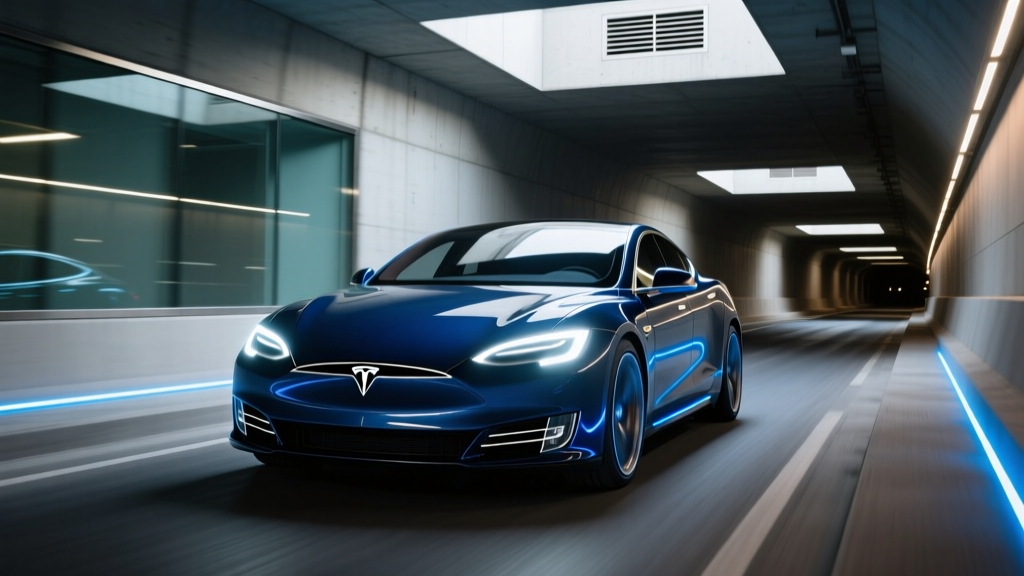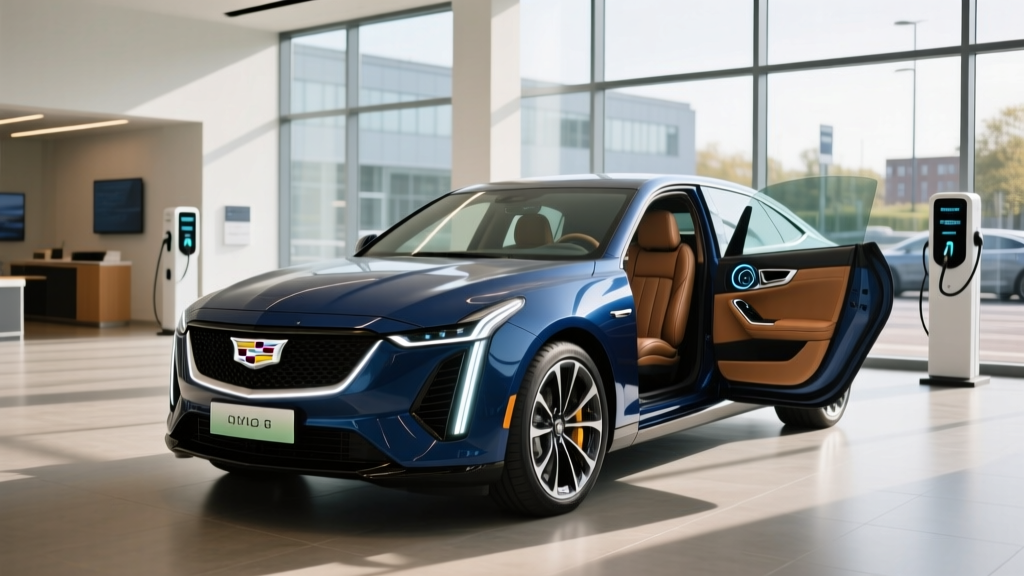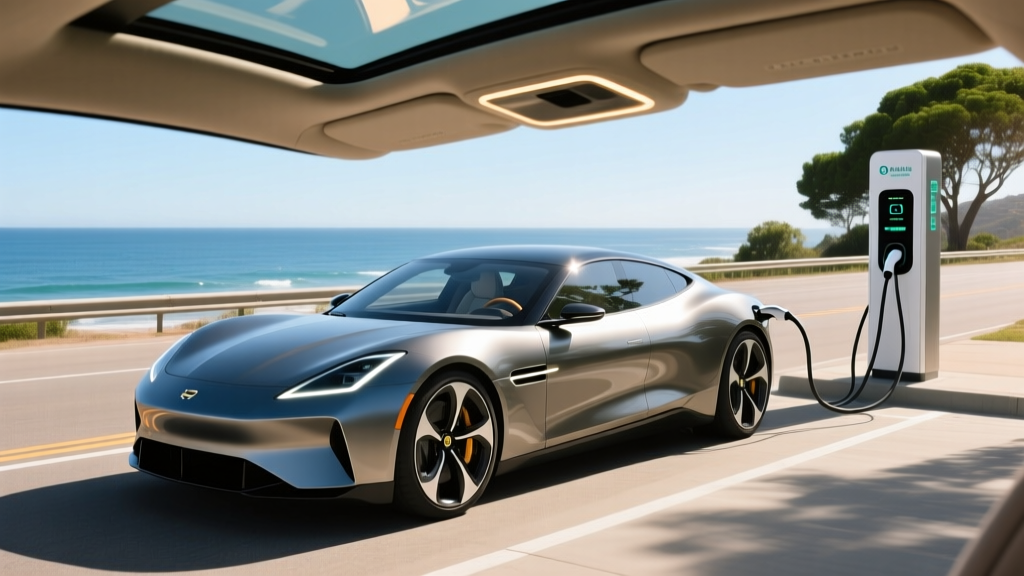
The 2025 Fisker Karma represents Henrik Fisker's attempt to resurrect the plug-in hybrid luxury sedan concept that first debuted over a decade ago, this time as a fully electric grand tourer. But with a starting price north of $130,000 and a niche positioning that straddles luxury sedan and exotic sports car territory, the Karma demands scrutiny beyond its striking design. We've analyzed the specifications, charging behavior, and ownership economics to determine whether this low-volume EV delivers on its promises or remains a passion project with compromises.
2025 Fisker Karma: Quick Verdict
The Fisker Karma is a hand-built, low-volume electric grand tourer targeting collectors and design enthusiasts who prioritize exclusivity over practicality. With a claimed 300+ mile range, 1,000+ horsepower in top trims, and bespoke interior materials, it competes less with the Tesla Model S or Lucid Air and more with coachbuilt luxury like the Rolls-Royce Spectre. However, limited production (estimated under 1,000 units annually), unproven service infrastructure, and uncertain long-term reliability make it a speculative purchase. This is not a daily-driver EV for most buyers—it's a statement piece that happens to be electric.
| Specification | 2025 Fisker Karma |
|---|---|
| EPA Estimated Range | 300 miles (preliminary) |
| Battery Capacity | 109 kWh usable (NMC chemistry) |
| Drivetrain | Dual-motor AWD |
| Horsepower | 1,006 hp (Sport mode) |
| 0-60 mph | 3.2 seconds |
| Max DC Fast Charge | 200 kW (peak) |
| 10-80% DC Charge Time | ~30 minutes |
| Level 2 Home Charging | 11.5 kW (~35 miles/hr) |
| Efficiency | 85 MPGe combined (est.) |
| Cargo Volume | 12 cu ft trunk |
| Base MSRP | $130,000 |
| Federal Tax Credit | Up to $7,500 (subject to §30D rules) |
| Battery Warranty | 8 years / 100,000 miles |
Range, Battery & Real-World Efficiency
The 2025 Fisker Karma uses a 109 kWh usable battery pack with NMC (nickel manganese cobalt) chemistry, chosen for its higher energy density compared to LFP. This allows the Karma's low-slung sedan profile to accommodate sufficient cells without compromising the design's proportions. Fisker targets an EPA-estimated 300 miles of range, though this figure remains preliminary pending official EPA certification.
EPA Range: 300 miles (preliminary estimate)
Real-World Expectation: Expect 240-260 miles in mixed highway driving at 70-80 mph. Cold-weather testing in sub-40°F conditions typically reduces range by 20-30%, bringing winter highway range down to approximately 200-220 miles. The Karma's aerodynamic efficiency is compromised by its wide stance and large wheels (standard 22-inch), which increase rolling resistance and drag compared to more efficiency-focused sedans like the Lucid Air.
Efficiency is rated at approximately 85 MPGe combined (36 kWh per 100 miles), which trails the Lucid Air Grand Touring (131 MPGe) and Tesla Model S (120 MPGe) significantly. This reflects the Karma's 5,400-pound curb weight and performance-oriented powertrain tuning. For buyers prioritizing range-per-kWh efficiency, the Karma is not competitive—it trades efficiency for presence and power.
Charging Speed & Infrastructure
The Karma supports DC fast charging at up to 200 kW peak power via a CCS1 connector (NACS adapter availability has not been confirmed). On a 350 kW Electrify America or similar station, the Karma can add approximately 150 miles of range in 15 minutes, with a 10-80% charge taking roughly 30 minutes under ideal conditions.
| Charging Method | Power | Miles Added Per Hour | 10-80% Time |
|---|---|---|---|
| Level 1 (120V outlet) | 1.4 kW | ~4 miles/hr | ~72 hours |
| Level 2 (240V home) | 11.5 kW | ~35 miles/hr | ~9 hours |
| DC Fast Charge | 200 kW peak | ~600 miles/hr (peak) | ~30 minutes |
Charging curve reality: The 200 kW peak rate is not sustained throughout the charge session. Like most NMC packs, the Karma's charge rate tapers significantly above 80% state of charge to protect battery longevity. Expect the average charge rate from 10-80% to be closer to 140-160 kW, not the peak figure. For road trips, plan 30-35 minute stops every 200-220 miles to maintain a comfortable buffer.
Home charging on a Level 2 wallbox (48-amp circuit) adds approximately 35 miles per hour, meaning an overnight charge from 20% to 100% takes about 9 hours. Given the Karma's likely use case as a garage-kept luxury vehicle, most owners will rely primarily on home charging, making public DC fast charging a secondary concern.
Performance & Driving Dynamics
The Karma's dual-motor all-wheel-drive powertrain produces 1,006 horsepower in Sport mode, propelling the 5,400-pound sedan to 60 mph in 3.2 seconds. This places it in supercar territory for acceleration, though the Karma's weight is evident in cornering dynamics—it's a grand tourer, not a track car. The air suspension provides adjustable ride height and damping, with a comfortable default setting that absorbs highway imperfections well.
Regenerative braking offers two modes: a mild setting that mimics conventional brake feel, and a stronger one-pedal driving mode that brings the Karma to a complete stop without touching the brake pedal. The transition between regen and friction brakes is smooth, a common pain point in lesser EVs that Fisker has addressed competently.
No official towing capacity has been published, and given the Karma's low ground clearance and performance focus, towing is not a recommended use case. This is strictly a personal luxury sedan.
Interior Space, Tech & Features
The Karma's interior is where Fisker attempts to justify its six-figure price. Hand-stitched leather, reclaimed wood trim, and a minimalist 17-inch portrait-oriented infotainment touchscreen define the cabin. However, practicality suffers:
- Passenger space: Front legroom is generous at 42.1 inches, but rear legroom is cramped at 32.8 inches—tight for adults on longer trips. The Karma is a 2+2 seater, not a family sedan.
- Cargo volume: 12 cubic feet of trunk space, with no front trunk (frunk) due to powertrain component packaging. This is less than a Mazda Miata and severely limits road-trip luggage capacity.
- Visibility: The Karma's low roofline and thick rear pillars create significant blind spots. A digital rearview mirror (using a trunk-mounted camera) is standard to mitigate this.
Driver assistance: The Karma includes SAE Level 2 driver-assist features under the "Fisker Intelligent Pilot" branding: adaptive cruise control, lane-centering steering, automatic emergency braking, and blind-spot monitoring. This is not autonomous driving—the driver must remain engaged with hands on the wheel and eyes on the road. No hands-free highway driving system (like GM Super Cruise or Ford BlueCruise) is offered.
Notable drawbacks: The infotainment system lacks wireless Apple CarPlay/Android Auto (wired only), and early production units have reported software glitches with the climate control interface. Fisker has issued over-the-air updates to address these, but the startup's limited software engineering resources are evident compared to Tesla or Lucid's more polished interfaces.
Pricing, Tax Credits & Ownership Costs
The 2025 Fisker Karma starts at $130,000 for the base "Pure" trim, rising to $145,000 for the "Sport" trim (which unlocks the full 1,006 hp output) and $165,000 for the limited-edition "One" launch series with unique interior materials and exterior colors. Destination charges add approximately $1,500.
| Trim | MSRP | Est. Tax Credit | Effective Price |
|---|---|---|---|
| Pure | $130,000 | $7,500 | $122,500 |
| Sport | $145,000 | $7,500 | $137,500 |
| One (limited) | $165,000 | $7,500 | $157,500 |
Federal tax credit eligibility (§30D): The Karma's MSRP exceeds the IRS luxury sedan cap of $55,000, which would normally disqualify it. However, Fisker classifies the Karma as a "sport utility vehicle" based on its adjustable air suspension and ground clearance settings, which allows it to fall under the $80,000 SUV/truck MSRP cap. This classification is controversial and subject to IRS review. As of 2026, the Karma appears on the IRS qualified vehicles list, but buyers should verify current eligibility at IRS.gov before purchase. Additionally, buyer income caps apply ($300,000 joint / $225,000 head of household / $150,000 single), and battery sourcing requirements must be met. The $7,500 credit can be transferred to the dealer at point of sale as a purchase price reduction.
Ownership costs: Insurance premiums for the Karma average $4,500-$6,000 annually due to its low production volume, high repair costs, and performance classification. Maintenance is minimal (no oil changes, brake pad longevity extended by regen), but any body or suspension work will be expensive given the limited parts supply and specialized service centers (currently only 12 authorized service locations nationwide).
Who Should Buy the Fisker Karma?
The Karma suits a narrow buyer profile:
- Design-focused collectors who want an exclusive, head-turning EV that isn't a Tesla or Porsche
- Luxury sedan buyers who prioritize bespoke materials and low production numbers over practicality
- Weekend drivers who garage the Karma and drive it 5,000-8,000 miles annually, primarily on scenic routes
The Karma does not suit:
- Families needing rear-seat space or cargo capacity
- Daily commuters concerned with efficiency and charging convenience
- Road-trippers who need 300+ miles of real-world range and fast DC charging infrastructure
- Buyers who prioritize software polish and over-the-air feature updates
Pros
- Striking design with bespoke interior materials
- 1,006 hp delivers supercar-level acceleration
- Exclusivity (under 1,000 units annually)
- Comfortable air suspension for highway cruising
Cons
- Cramped rear seats and tiny trunk (12 cu ft)
- Efficiency trails competitors (85 MPGe vs 120+ MPGe)
- Limited service infrastructure (12 centers nationwide)
- Infotainment software less polished than rivals
- Tax credit eligibility uncertain (MSRP cap workaround)
Fisker Karma vs. Competitors
The Karma's closest competitors are the Lucid Air Grand Touring ($138,000, 516-mile EPA range, 131 MPGe) and the Tesla Model S Plaid ($108,000, 396-mile range, 120 MPGe). Both offer superior range, efficiency, and software polish, but lack the Karma's exclusivity and hand-built appeal. The Rolls-Royce Spectre ($420,000, 260-mile range) targets similar luxury buyers but at triple the price.
If range and efficiency are priorities, the Lucid Air is the clear winner. If software and Supercharger access matter, the Tesla Model S dominates. The Karma's value proposition is purely emotional: design, rarity, and the story of Henrik Fisker's comeback attempt.
Frequently Asked Questions
What is the real-world range of the 2025 Fisker Karma?
While Fisker targets a 300-mile EPA estimate, real-world highway driving at 70-80 mph yields approximately 240-260 miles. Cold weather (below 40°F) reduces this to 200-220 miles. The Karma's weight and large wheels hurt efficiency compared to rivals.
How fast does the Karma charge at home and on road trips?
At home on a Level 2 wallbox (11.5 kW), the Karma adds ~35 miles per hour, requiring about 9 hours for a full charge. On DC fast chargers, it peaks at 200 kW, achieving a 10-80% charge in roughly 30 minutes under ideal conditions.
Does the Fisker Karma qualify for the $7,500 federal EV tax credit?
Possibly, but with caveats. Fisker classifies the Karma as an SUV to fall under the $80,000 MSRP cap (vs. $55,000 for sedans). This classification is on the IRS qualified list as of 2026, but verify at IRS.gov before purchase. Buyer income caps and battery sourcing rules also apply.
Is the Karma worth buying vs. the Lucid Air or Tesla Model S?
Only if exclusivity and design matter more than range, efficiency, and software. The Lucid Air offers 516 miles of range and superior efficiency. The Tesla Model S provides Supercharger access and better software. The Karma's advantage is rarity and bespoke luxury, not practical metrics.
What are the biggest drawbacks of owning a Fisker Karma?
Limited service infrastructure (12 authorized centers), cramped rear seats, small trunk, unproven long-term reliability, and uncertain resale value. Insurance costs $4,500-$6,000 annually. This is a passion purchase, not a rational daily-driver choice.
How long is the battery warranty?
Fisker provides an 8-year / 100,000-mile battery warranty, covering defects and capacity loss below 70% of original capacity. This matches industry standards but is less comprehensive than Hyundai's 10-year / 100,000-mile coverage.
Note: The 2025 Fisker Karma is a low-volume, hand-built vehicle with specifications that remain subject to change pending final EPA certification and production validation. Verify all figures with Fisker directly before purchase. Tax credit eligibility per IRS §30D rules is subject to change—consult a tax professional and check IRS.gov for current qualified vehicle lists.