The 2012 Fisker Karma: A Pioneering PHEV Revisited
Before the Fisker name was revived (and subsequently bankrupted again) with the Fisker Ocean, there was the original Fisker Karma — a $100,000+ plug-in hybrid luxury sedan that turned heads at the 2012 Detroit Auto Show and then, largely, in repair shops. For used-car shoppers encountering the keyword "Fisker 2012" today, the Karma remains a fascinating but cautionary tale of early electrified ambition. This review breaks down what you need to know before considering one in 2026: real-world range, charging behavior, battery health, and the ownership economics of a 14-year-old plug-in hybrid with a complicated legacy.
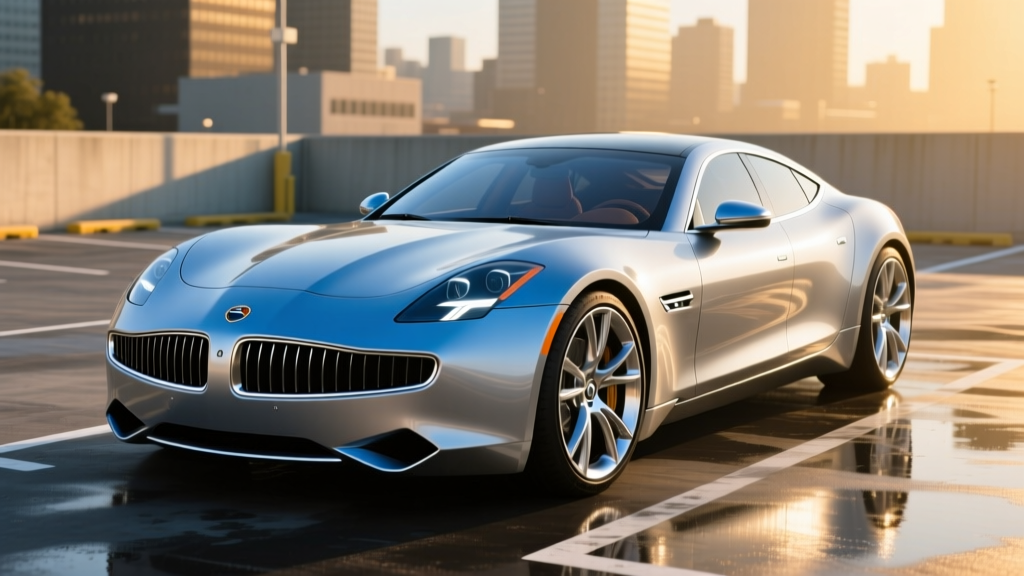
The Karma was never a pure EV. It was a series-extended-range plug-in hybrid (often called an EREV): a 20.1 kWh lithium-ion battery drove the rear wheels via two electric motors, while a 2.0-liter turbocharged GM Ecotec four-cylinder acted solely as a generator to recharge the battery on the go. Henrik Fisker, the Danish designer behind the BMW Z8 and Aston Martin DB9, styled it as a four-door grand tourer with a solar-panel roof and a silhouette that still looks exotic today. But the powertrain, build quality, and battery reliability proved far less polished than the sheetmetal.
Spec Table: 2012 Fisker Karma at a Glance
| Spec | Value |
|---|---|
| Powertrain Type | Series plug-in hybrid (EREV) |
| Battery Capacity | 20.1 kWh (lithium-ion, NMC chemistry) |
| Usable Battery Capacity | ~17.1 kWh |
| EPA Electric-Only Range | 32 miles |
| Total Range (Electric + Gas Generator) | ~230 miles |
| Combined MPGe (Electric Mode) | 54 MPGe |
| Gas Generator Fuel Economy | 20 MPG combined |
| Electric Motors | Dual rear-mounted, 161 hp each (combined output ~403 hp via generator assist) |
| 0–60 mph | 6.3 seconds (Sport mode, generator engaged) |
| Drivetrain | Rear-wheel drive (electric) |
| Max DC Fast Charge | None — AC charging only |
| Level 2 Charge Rate | 3.3 kW (onboard charger) |
| Level 2 Charge Time (0–100%) | ~6 hours |
| Cargo Volume | 6.9 cu ft (trunk severely compromised by battery) |
| Front Legroom | 42.4 inches |
| Rear Legroom | 29.6 inches |
| Curb Weight | 5,300 lbs |
| Original Base MSRP | $102,000 |
| Original As-Tested (EcoSport trim) | $110,000–$120,000 |
Real-World Range: What 32 EPA Miles Actually Means
The Karma's range-extender architecture means you're never truly stranded — the 2.0L Ecotec generator kicks in automatically, giving you a combined ~230 miles of total range with a full tank and full battery. However, once the battery depletes, you're driving a 5,300-pound sedan on a 260-hp generator, and fuel economy drops to roughly 20 MPG combined. That's worse than a conventional Toyota Camry hybrid and a key reason the Karma struggled with critics focused on efficiency.
For context, a modern PHEV like the 2026 Toyota Prius Prime delivers 44 miles of EPA electric range from a 13.6 kWh pack — more range from less capacity, thanks to a decade of improved motor efficiency, lower vehicle weight, and better aerodynamics. The Karma's electric range was respectable for 2012 but feels dated today.
Charging: AC Only, and Slow by Modern Standards
| Charging Level | Power | Connector | Time (Empty to Full) | Miles of EV Range per Hour |
|---|---|---|---|---|
| Level 1 (120V household) | ~1.4 kW | J1772 | ~14 hours | ~5 miles/hr |
| Level 2 (240V) | 3.3 kW | J1772 | ~6 hours | ~11 miles/hr |
| DC Fast Charging | Not supported | N/A | N/A | N/A |
The Karma was designed before DC fast charging became mainstream. It uses a standard J1772 connector for AC charging, with a 3.3 kW onboard charger that limits Level 2 speeds. A full charge from empty takes approximately six hours on a 240V Level 2 home charger — adequate for overnight charging but impractical for mid-day top-ups on road trips.
There is no DC fast-charge capability whatsoever. No CCS, no CHAdeMO, no NACS. This means the Karma cannot use any public fast-charging network (Tesla Superchargers, Electrify America, EVgo, etc.) to add range quickly. For a vehicle with only 32 miles of EV range, this is a significant practical limitation. You're essentially confined to home charging or destination Level 2 chargers at hotels and shopping centers.
If you're installing a Level 2 home charger for a Karma, a basic 240V/16A circuit (delivering ~3.8 kW, though the car will only draw 3.3 kW) is sufficient. Installation costs typically range from $500–$2,000 depending on panel proximity and local permitting, per data from the U.S. Department of Energy.
Performance and Driving Dynamics
The Karma offers two driving modes: Stealth (pure electric) and Sport (generator engaged for maximum power). In Sport mode, the combined system output is rated at approximately 403 horsepower, propelling the heavy sedan from 0–60 mph in 6.3 seconds. That's quick by 2012 standards and still feels brisk today, though the 5,300-pound curb weight is evident through corners and under braking.
The dual rear electric motors each produce 161 hp, delivering instant torque and a smooth, silent launch in Stealth mode. The driving experience is more grand-touring cruiser than sports sedan — the Karma wafts on its adaptive air suspension with a composed, heavy feel reminiscent of a Maserati Quattroporte. The steering is communicative, and the low center of gravity (battery pack mounted along the floor tunnel) keeps body roll in check.
The generator is the weak link acoustically. When the 2.0L Ecotec fires up under load, the noise is coarse and unrefined — a jarring contrast to the silent electric driving experience. This was one of the most common owner complaints and a point of criticism in contemporary reviews.
Interior, Technology, and Practicality
The Karma's interior was ambitious for its time, featuring what Fisker called "eco-conscious luxury" — reclaimed wood trim, recycled glass accents, and a solar-panel roof that trickle-charged the 12V auxiliary battery and helped ventilate the cabin. The centerpiece is a 10.2-inch touchscreen infotainment system, which was innovative in 2012 but is painfully slow and low-resolution by 2026 standards. There is no Apple CarPlay, no Android Auto, no over-the-air updates, and the navigation maps are permanently outdated.
Practicality is the Karma's biggest compromise. The massive battery pack runs through the center tunnel and intrudes deeply into the trunk, leaving just 6.9 cubic feet of cargo space — less than a Porsche 911. Rear legroom is a tight 29.6 inches, making the back seat unsuitable for adults on anything longer than a short trip. This is effectively a two-seat grand tourer with a shelf in the back.
Driver-assistance technology is minimal: you get basic stability control, ABS, and front/side airbags. There is no adaptive cruise control, no lane-keeping assist, no automatic emergency braking, and no blind-spot monitoring. By modern SAE Level 2 ADAS standards, the Karma is essentially a Level 0 vehicle with basic safety nets.
Battery Health, Warranty, and Replacement Costs
The Karma's 20.1 kWh battery pack uses NMC (nickel manganese cobalt) chemistry supplied by A123 Systems — the same company whose bankruptcy in 2012 was one of several blows to Fisker Automotive's viability. NMC offers good energy density but is more susceptible to calendar degradation than modern LFP chemistry, particularly when exposed to heat and sustained high states of charge.
When new, Fisker offered a 5-year/60,000-mile battery warranty (with a capacity-retention threshold of approximately 70%). That warranty expired over a decade ago for every Karma on the road. Today, battery replacement is an owner-funded proposition, and it's expensive:
- Refurbished/replacement battery pack: $5,000–$8,000 (parts only)
- Installation labor: $2,000–$4,000 at a qualified EV service center
- Total replacement cost: $7,000–$12,000
Finding a technician qualified to service a Karma's high-voltage system in 2026 is challenging. Fisker Automotive ceased operations in 2013, and while the Chinese conglomerate Wanxiang acquired the company's assets (later attempting the Karma Revero/Revero GT successors), the dealer and service network is essentially nonexistent. Independent EV specialists and a handful of legacy Karma dealers are your best options.
For buyers: always request a battery state-of-health (SoH) reading before purchasing. A Karma with an SoH below 70% will deliver under 22 miles of electric range and may trigger range-extender operation almost immediately after a full charge.
Used Pricing and the Tax Credit Question
The 2012 Fisker Karma originally started at $102,000, with well-optioned EcoSport and EcoChic trims reaching $110,000–$120,000. Depreciation has been severe: as of early 2026, used Karma listings typically range from $18,000–$35,000 depending on mileage, condition, battery health, and trim.
Pros and Cons: The Honest Verdict
Pros
- Exotic, head-turning design that still looks futuristic 14 years later
- Smooth, silent electric driving in Stealth mode (when battery is healthy)
- Solar roof panel is a genuine conversation piece
- Strong straight-line performance in Sport mode (403 hp, 6.3s 0–60)
- Low used-car entry price relative to original MSRP ($18K–$35K)
- Series-hybrid architecture means no range anxiety — generator extends range
Cons
- Only 32 miles EPA electric range when new; expect 18–26 miles today
- No DC fast charging — AC only at a sluggish 3.3 kW
- Tiny 6.9 cu ft trunk; rear seats nearly useless for adults
- A123 Systems battery degradation is a real and costly concern
- Nonexistent dealer/service network; parts scarcity is a genuine risk
- Outdated infotainment with no smartphone integration
- Poor fuel economy (20 MPG) once the gas generator runs
- High insurance premiums due to exotic status and repair complexity
Who Should (and Shouldn't) Buy a 2012 Fisker Karma in 2026
This car suits you if: You're a design enthusiast or collector who wants a conversation piece, you have access to overnight Level 2 home charging, your daily commute is under 20 miles (keeping you mostly in electric mode), and you have a budget set aside for battery maintenance or replacement. The Karma works as a weekend grand tourer or a collector-garage standout — not as a primary daily driver.
Look elsewhere if: You need cargo space, rear-seat usability, modern infotainment, fast-charging capability, or a reliable service network. If your goal is fuel savings or practical electrified commuting, virtually any modern PHEV (Toyota Prius Prime, Hyundai Tucson PHEV, Chrysler Pacifica Hybrid) will serve you better with lower running costs and full warranty coverage.
Frequently Asked Questions
What is the real-world electric range of the 2012 Fisker Karma?
The EPA rated the Karma at 32 miles electric-only when new. In 2026, with battery degradation, expect 18–26 miles in moderate temperatures and 14–20 miles in cold weather (below 35°F). Highway speeds further reduce range.
How fast does the Fisker Karma charge?
The Karma charges at a maximum of 3.3 kW on Level 2 (240V), taking about 6 hours for a full charge. It does not support DC fast charging at all. On a standard 120V outlet (Level 1), a full charge takes approximately 14 hours.
How much does a used 2012 Fisker Karma cost?
Used Karma prices in early 2026 typically range from $18,000 to $35,000 depending on mileage, condition, battery health, and trim level. This represents a 70–80% depreciation from the original $102,000+ MSRP.
Does the 2012 Fisker Karma qualify for any EV tax credits?
It does not qualify for the new-vehicle §30D credit. It may be eligible for the IRS Used Clean Vehicle Credit (up to $4,000) if the sale price is under $25,000, buyer income is within limits, and battery-sourcing requirements are met. Verify with a tax professional and IRS guidelines.
Is the Fisker Karma worth buying vs. competitors?
As a collectible design object, it has no direct rival. As a practical PHEV, it compares poorly to modern alternatives. A used BMW i3 REx offers similar electric range with better serviceability. A used Tesla Model S (2014+) provides far more range, Supercharger access, and a functional service network at similar used prices.
What happens if the Karma's battery fails?
A replacement battery pack costs $7,000–$12,000 installed. The car can still operate in generator-only mode with a degraded or failed battery, but performance and fuel economy suffer significantly, and the vehicle may throw fault codes limiting drivability.
Can I still get parts and service for a Fisker Karma?
Fisker Automotive has been defunct since 2013. Parts are available through independent suppliers, salvage channels, and the small community of Karma specialists. Wanxiang (which acquired Fisker's assets) provides limited support. Plan for longer wait times and higher costs than a mainstream vehicle.