The Bottom Line on the Fiat 500e
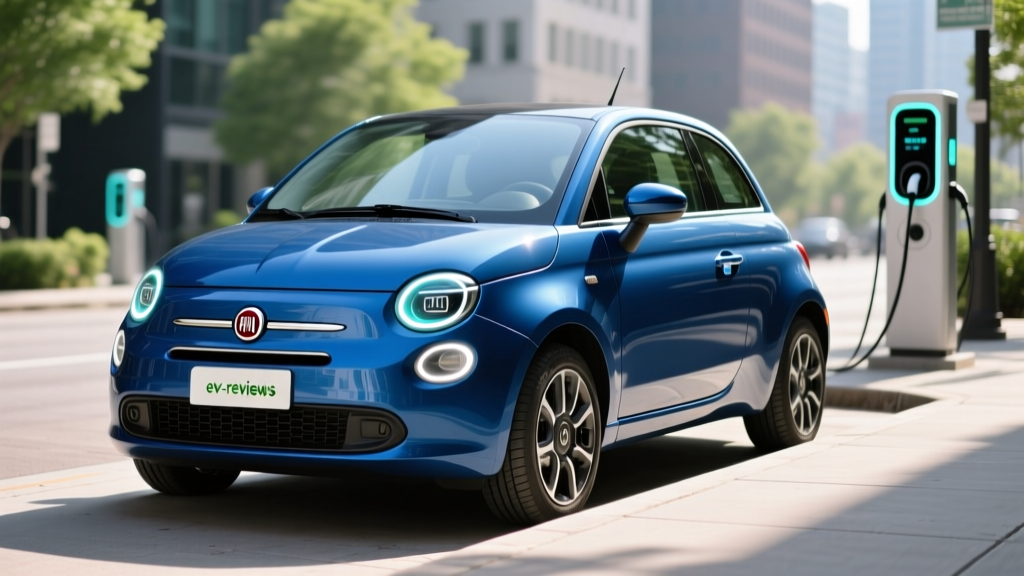
If you are researching a Fiat electric vehicle in the US, the only model currently available is the Fiat 500e. For 2026, it starts at roughly $32,500 MSRP (before destination) and delivers an EPA-estimated 149 miles of range from a 42 kWh (usable) NMC battery. It is strictly a city commuter and second-car EV — not a road-trip vehicle. Buyers who can charge at home, drive under 40 miles daily, and want an affordable, stylish urban runabout will find it compelling. Everyone else should look at longer-range alternatives like the Chevrolet Bolt EV or Nissan Leaf.
2026 Fiat 500e: Core Specs at a Glance
Before evaluating whether this Fiat electric vehicle fits your life, here are the numbers that matter. These figures are based on the US-spec 500e (the European-market 500e has slightly different battery options and trim structures).
| Specification | 2026 Fiat 500e (US Spec) |
|---|---|
| EPA Range | 149 miles |
| Battery (Usable) | 42 kWh, NMC chemistry |
| Motor Output | 118 hp / 162 lb-ft torque |
| 0–60 mph | ~8.5 seconds |
| DC Fast Charge (Peak) | 85 kW (CCS) |
| 10–80% DC Charge Time | ~35 minutes |
| Level 2 AC Charge Rate | 11 kW onboard charger |
| Level 2 0–100% Time | ~4 hours 15 minutes |
| EPA Efficiency | 116 MPGe combined (29 kWh/100 mi) |
| Base MSRP (RedLine trim) | $32,500 (+ $1,595 destination) |
| Battery/Powertrain Warranty | 8 years / 100,000 miles |
Real-world range note: Expect roughly 120–135 miles in mixed highway driving at 70 mph. In cold weather (below 35°F), plan for 100–115 miles of usable range. The 500e lacks a heat pump on US trims, so cabin heating draws significantly from the battery in winter. This is the single biggest ownership reality to understand before buying.
How the Fiat 500e Compares to a Gas Car (and Hybrids)
The most common question from first-time EV buyers: does the math actually work versus a conventional car? Let's compare the Fiat 500e against a typical subcompact gas car (like the Fiat 500's historical gas sibling, or a Honda Fit equivalent) and a hybrid alternative.
| Metric | Fiat 500e (EV) | Gas Subcompact (33 MPG) | Toyota Prius (57 MPG) |
|---|---|---|---|
| Energy Cost per Mile | $0.04–$0.05 (home L2) | $0.11 ($3.50/gal) | $0.06 ($3.50/gal) |
| Annual Fuel/Energy (12,000 mi) | ~$540 | ~$1,275 | ~$737 |
| Annual Maintenance | ~$300 | ~$650 | ~$550 |
| 5-Year Energy + Maint. | ~$4,200 | ~$9,625 | ~$6,435 |
| Purchase Price (Base MSRP) | $32,500 | ~$20,000 | ~$28,350 |
The 500e saves roughly $5,400 over five years in fuel and maintenance versus a gas subcompact. However, the higher upfront cost (~$12,500 more) means the break-even point on operating savings alone takes more than a decade at typical mileage. The financial case improves significantly if you qualify for federal or state incentives, or if you're replacing a second gas car that you drive daily in stop-and-go traffic.
Source: Efficiency and MPGe data via fueleconomy.gov.
Federal Tax Credit and Incentive Eligibility
The Fiat 500e's eligibility for the §30D federal tax credit is a moving target that depends on battery-sourcing requirements, your income, and the vehicle's MSRP. As of 2026, the key rules include:
- MSRP cap: The 500e (classified as a sedan/hatchback) must have an MSRP at or below $55,000 — it qualifies.
- Income cap: Modified AGI must not exceed $150,000 (single) or $300,000 (joint filing).
- Battery sourcing: A percentage of critical minerals and battery components must meet US/free-trade-agreement sourcing thresholds. Stellantis has worked to qualify partial or full credits, but the exact amount varies by production batch.
- Point-of-sale transfer: You can transfer the credit to the dealer at purchase to reduce the sale price directly, rather than waiting for a tax refund.
Always verify current eligibility with your dealer and consult IRS.gov §30D guidance before purchasing. State incentives (California, Colorado, and others) may stack on top — check your state's energy office for specifics.
Charging the Fiat 500e: What to Expect
The 500e uses a CCS1 connector for DC fast charging and a J1772 connector for Level 2 AC charging. Here's how charging breaks down in practice:
| Charging Level | Power (kW) | Miles Added per Hour | Typical Use Case |
|---|---|---|---|
| Level 1 (120V outlet) | ~1.4 kW | ~4–5 miles/hr | Emergency/overnight trickle |
| Level 2 (240V home) | up to 11 kW | ~35–40 miles/hr | Daily home charging |
| DC Fast Charge | peak 85 kW | ~170 miles/hr (peak) | Road trips (limited utility) |
Charging curve reality: The 85 kW peak rate applies only between roughly 10–50% State of Charge (SoC). Above 80%, charging slows dramatically to protect the battery — expect 20–30 kW at most. This means a 10–80% session takes about 35 minutes, but a 10–100% session can take 55+ minutes. For a 149-mile-range car, DC fast charging is more of a safety net than a practical road-trip strategy.
Home charging is essential: With only 149 miles of range, relying on public charging is impractical and expensive (DC fast charging can cost $0.35–$0.50/kWh at networks like Electrify America). A Level 2 home charger installation typically costs $800–$2,000 depending on your electrical panel. Without home or workplace charging access, the 500e becomes a frustrating ownership experience.
Real-World Ownership: Who Should (and Shouldn't) Buy the 500e
Buy the Fiat 500e If:
- Your daily commute is under 40 miles round-trip
- You have access to Level 2 charging at home or work
- You want a second car for errands and city driving
- You live in a mild climate (limited extreme cold exposure)
- You value style, easy parking, and low running costs over range
Look Elsewhere If:
- You need 250+ miles of range for road trips or long commutes
- You live in a region with harsh winters and no garage
- You have no reliable home or workplace charging access
- This will be your only vehicle
- You regularly carry more than one passenger or cargo
The 500e is a purpose-built urban EV. Its compact size (just 143 inches long) makes it trivially easy to park, and its 29 kWh/100 mi efficiency means home electricity costs are among the lowest of any EV sold in the US. But the range limitation is real and non-negotiable. If your lifestyle demands flexibility, consider the Chevrolet Bolt EV (259 miles EPA, ~$28,000) or the Hyundai Kona Electric (261 miles EPA, ~$33,000) instead.
Common Misconceptions About the Fiat 500e
| Myth | Fact |
|---|---|
| "149 miles is enough for anything." | It covers most daily commutes, but highway driving, cold weather, and HVAC use can reduce real range to 100–120 miles. Always budget a 20–30% buffer. |
| "It charges as fast as a Tesla." | The 500e peaks at 85 kW — a Tesla Model 3 on a V3 Supercharger peaks at 250 kW. The 500e takes roughly twice as long for a 10–80% charge. |
| "The battery will need expensive replacement soon." | Stellantis warrants the battery for 8 years/100,000 miles with a capacity retention threshold of 70%. NMC batteries in mild climates typically degrade 1–2% per year. |
| "It qualifies for the full $7,500 tax credit." | Eligibility depends on battery-sourcing compliance, your income, and current-year IRS rules. Verify before purchasing — partial credits or no credit are possible. |
| "I can use public chargers instead of installing one at home." | Public DC fast charging costs 3–5× more per kWh than home Level 2 charging, and availability isn't guaranteed. Home charging is practically mandatory for a low-range EV. |
5-Year Total Cost of Ownership Breakdown
| Cost Category | Fiat 500e | Gas Subcompact (Baseline) |
|---|---|---|
| Purchase Price (MSRP + destination) | $34,095 | $21,500 |
| Estimated Federal Tax Credit | –$3,750 to –$7,500 (varies) | $0 |
| Net Purchase (with avg. credit) | ~$28,595 | $21,500 |
| 5-Year Energy/Fuel | $2,700 | $6,375 |
| 5-Year Maintenance | $1,500 | $3,250 |
| 5-Year Insurance (est.) | $7,500 | $5,800 |
| Estimated Depreciation (5 yr) | $12,000 | $7,500 |
| 5-Year Total Cost | ~$52,295 | ~$44,425 |
Even with tax credits, the 500e carries a higher total cost over five years — driven primarily by higher insurance premiums (EVs average 15–25% more to insure) and steeper depreciation. The savings case improves dramatically if you qualify for the full $7,500 credit and a state rebate, or if you drive significantly more than 12,000 miles per year.
Frequently Asked Questions
Is the Fiat 500e the only Fiat electric vehicle available in the US?
Yes. As of 2026, the 500e is the sole Fiat EV sold in the United States. Stellantis has announced broader electrification plans for Fiat globally, but no additional US-market Fiat EVs are confirmed for sale at this time.
Can the Fiat 500e handle cold weather?
It can operate in cold weather, but range drops significantly. Expect a 25–35% reduction in below-freezing temperatures due to battery chemistry limitations and resistive cabin heating (no heat pump on US trims). Garage parking and preconditioning while plugged in help mitigate this.
What happens if the battery degrades?
The 500e's battery is warrantied for 8 years or 100,000 miles. If capacity falls below 70% within that period, Stellantis is obligated to repair or replace it. Out-of-warranty replacement costs are estimated at $8,000–$12,000, though most NMC batteries retain 80%+ capacity at 150,000 miles in moderate climates.
Does the Fiat 500e support NACS (Tesla Supercharger) connectors?
Not natively. The US-spec 500e uses CCS1. Stellantis has not announced a NACS retrofit or adapter program for the 500e as of 2026. Third-party CCS-to-NACS adapters exist but may affect warranty coverage — check with your dealer.
Is the Fiat 500e a good first EV?
It can be, but only under specific conditions: you have home charging, a short commute, and it's a second vehicle. First-time EV buyers who need a single do-everything car should prioritize 250+ miles of range. Safety ratings from IIHS and NHTSA should also factor into your decision — check the latest scores before purchasing.