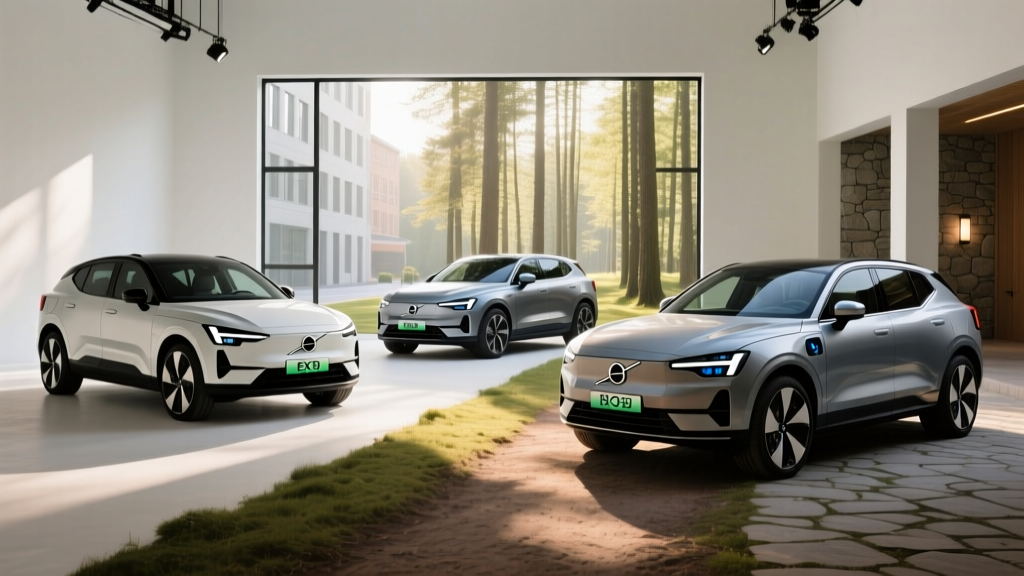
If you're researching an EV Volvo in 2026, the short answer is this: Volvo offers three distinct paths to electrification. The compact EX30 starts around $36,000 with up to 296 miles of EPA range and qualifies for partial federal incentives. The flagship three-row EX90 delivers up to 310 miles EPA, 250 kW DC fast charging, and a ~$78,000 entry price. The XC60 Recharge PHEV bridges the gap with 35 miles of electric-only range and no charging infrastructure dependence. Your choice depends on budget, household size, home charging access, and whether you frequently drive beyond 200 miles without stopping.
Quick Answer: Which Volvo Electrified Vehicle Fits You?
- Choose the EX30 if you want an affordable urban EV with fast charging and don't need three rows.
- Choose the EX90 if you need a family hauler with Level 3-ready hardware, 250 kW charging, and LiDAR.
- Choose the XC60 Recharge if you lack reliable home charging or regularly tow/road-trip beyond DC fast-charger coverage.
The 2026 Volvo EV Lineup: Specs at a Glance
Volvo's electrified portfolio now spans battery-electric (BEV) and plug-in hybrid (PHEV) models. Below are the exact figures you need to compare them side by side. Note that kWh measures battery energy capacity (how far you can go), while kW measures charging power (how fast you refill).
| Spec | EX30 Single Motor | EX30 Twin Motor | EX90 Twin Motor | EX90 Twin Motor Perf. | XC60 Recharge PHEV |
|---|---|---|---|---|---|
| Drivetrain | RWD | AWD | AWD | AWD | AWD |
| Battery (usable) | 69 kWh (LFP) | 69 kWh (NMC) | 111 kWh (NMC) | 111 kWh (NMC) | 18.8 kWh (NMC) |
| EPA Range | 296 mi | 265 mi | 310 mi | 300 mi | 35 mi (EV only) + 430 mi total |
| Horsepower | 272 hp | 422 hp | 408 hp | 503 hp | 455 hp combined |
| 0-60 mph | 5.1 sec | 3.4 sec | 5.7 sec | 4.7 sec | 4.5 sec |
| Max DC Fast Charge | 153 kW | 153 kW | 250 kW | 250 kW | N/A (Level 2 only) |
| 10-80% DC Charge | ~26 min | ~26 min | ~20 min | ~20 min | N/A |
| Level 2 Rate | 11 kW | 11 kW | 11 kW | 11 kW | 3.7 kW |
| Base MSRP | $36,345 | $46,195 | $77,995 | $86,345 | $58,950 |
| Battery Warranty | 8 yr / 100k mi | 8 yr / 100k mi | 8 yr / 100k mi | 8 yr / 100k mi | 8 yr / 100k mi |
Sources: fueleconomy.gov, Volvo Cars USA press room. MSRP excludes destination. Real-world range varies — see below.
Real-World Range vs. EPA Sticker: What to Actually Expect
Range Reality Check
EX30 Single Motor (EPA 296 mi): Expect ~240-260 mi on highway road trips at 75 mph, and ~200-220 mi in freezing temperatures (below 32°F). The LFP battery in this trim handles cold reasonably well but still loses 15-25% range in deep winter.
EX90 Twin Motor (EPA 310 mi): Expect ~255-275 mi highway, ~210-230 mi in cold weather. The larger 111 kWh NMC pack provides a bigger buffer, but the EX90's 5,900-lb curb weight and flat frontal area work against highway efficiency.
XC60 Recharge (EPA 35 mi EV): Expect ~28-32 mi electric-only in mixed driving. The gas engine seamlessly takes over, so total range isn't a concern.
Cold-weather range loss is physics, not a defect. Lithium-ion cells have higher internal resistance in cold temperatures, and cabin heating draws significant energy. Volvo equips the EX90 with a heat pump (standard), which recovers waste heat from the drivetrain to warm the cabin — reducing winter range loss compared to resistive heating. The EX30 uses a resistive heater in Single Motor trims, which is less efficient in cold climates. If you live in Minnesota or Maine, this matters for daily drivability.
Charging Speed and the Charging Curve Reality
Volvo's DC fast-charging performance varies significantly between models, and peak kW ratings don't tell the full story. Here's what the charging curve actually looks like:
EX30 (153 kW peak): The Single Motor's LFP battery can sustain near-peak rates from 10% to roughly 60% State of Charge (SoC), then tapers. A 10-80% session takes approximately 26 minutes at a 175+ kW station. LFP chemistry tolerates frequent 100% charging better than NMC, so daily full charges are acceptable.
EX90 (250 kW peak): The 111 kWh NMC pack peaks at 250 kW around 15-25% SoC and holds above 200 kW until roughly 50%, then progressively tapers. The 10-80% time of ~20 minutes is competitive, but charging from 80-100% adds another 25+ minutes. Preconditioning the battery (navigating to a DC fast charger in the Volvo app activates thermal prep) is essential to hitting these speeds — arriving at a charger with a cold battery can double your charge time.
| Charging Level | Power (kW) | EX30 Miles/Hour | EX90 Miles/Hour | XC60 PHEV Miles/Hour |
|---|---|---|---|---|
| Level 1 (120V outlet) | ~1.4 kW | ~5 mi/hr | ~4 mi/hr | ~4 mi/hr (EV) |
| Level 2 (240V home) | 11 kW / 3.7 kW | ~37 mi/hr | ~30 mi/hr | ~12 mi/hr (EV) |
| DC Fast (peak) | 153 kW / 250 kW | ~185 mi/hr (peak) | ~300 mi/hr (peak) | N/A |
Cost Breakdown: Purchase, Charging, and 5-Year Ownership
The sticker price is just the start. Here's a realistic 5-year cost comparison for the EX30 Twin Motor, EX90 Twin Motor, XC60 Recharge, and a comparable gas vehicle (Volvo XC60 B5 mild-hybrid) — assuming 15,000 miles/year, $0.14/kWh home electricity, $3.50/gallon gas, and 80% home / 20% public charging for BEVs.
| Cost Category | EX30 Twin Motor | EX90 Twin Motor | XC60 Recharge PHEV | XC60 B5 (Gas) |
|---|---|---|---|---|
| Base MSRP | $46,195 | $77,995 | $58,950 | $48,050 |
| Est. Federal Tax Credit (§30D) | $3,750* | $0** | $0** | $0 |
| Effective Price After Credit | ~$42,445 | $77,995 | $58,950 | $48,050 |
| Home Charger Install (Level 2) | $800-$2,000 | $800-$2,000 | $500-$1,200 | $0 |
| 5-Year Fuel/Energy Cost | ~$3,400 | ~$4,500 | ~$5,800 | ~$9,800 |
| 5-Year Maintenance | ~$1,500 | ~$1,800 | ~$3,200 | ~$4,500 |
| 5-Year Insurance (est.) | ~$9,500 | ~$14,000 | ~$10,500 | ~$8,800 |
| 5-Year Total Cost | ~$57,645 | ~$99,095 | ~$78,950 | ~$71,150 |
*The EX30 Single Motor with LFP battery may qualify for a partial §30D credit depending on battery-sourcing and critical-mineral requirements. The EX90 and XC60 Recharge exceed the §30D MSRP cap for SUVs ($80,000) or face sourcing limitations. Always verify current eligibility at irs.gov and consult a tax professional.
Key takeaway: The EX30 Twin Motor offers the lowest 5-year total cost among Volvo's electrified options, saving roughly $13,500 vs. the gas XC60 B5 over five years. The EX90's premium pricing and higher insurance costs make it a luxury choice where savings vs. gas are marginal unless you drive significantly more than 15,000 miles/year.
Federal Tax Credit Eligibility: What Actually Applies to Volvo EVs
§30D Clean Vehicle Credit Requirements (2026)
- MSRP Cap: SUVs must be ≤$80,000; sedans/other ≤$55,000. The EX90 Performance trim ($86,345) exceeds the cap.
- Buyer Income Cap: AGI ≤$150,000 (single), ≤$300,000 (joint), ≤$225,000 (head of household).
- Battery Sourcing: Critical minerals and battery components must meet phased-in percentage thresholds from US/free-trade-agreement countries. Volvo's supply chain compliance varies by model year and trim — check the IRS qualified vehicle list.
- Point-of-Sale Transfer: You can transfer the credit to the dealer at purchase for an immediate price reduction, or claim it on your tax return.
- Assembly: The EX30 is assembled in China (Zhangjiakou), which affects credit eligibility. The EX90 is assembled in Ridgeville, South Carolina.
The EX30's Chinese assembly has been a point of confusion. As of 2026, vehicles must undergo final assembly in North America to qualify for the §30D credit. Volvo began shifting some EX30 production to its Ghent, Belgium plant and has discussed US-market supply adjustments, but buyers should verify the specific VIN's assembly location on the DOE's qualified vehicle list before assuming credit eligibility.
Common Misconceptions About Volvo EVs
| Myth | Fact |
|---|---|
| "The EX90 is self-driving." | The EX90 includes LiDAR and advanced ADAS, but it operates at SAE Level 2 — the driver must remain engaged with hands on the wheel and eyes on the road. No production Volvo is Level 4 autonomous. |
| "LFP batteries in the EX30 are inferior." | LFP (lithium iron phosphate) offers lower energy density but superior cycle life and thermal stability. It tolerates 100% daily charging without accelerated degradation. For city commuters, LFP is often the better choice. |
| "I can't road-trip an EV Volvo." | The EX90's 310-mi EPA range and 250 kW charging add ~180 miles in 15 minutes. With Tesla Supercharger access (via NACS adapter, standard on 2026 models) and the growing Electrify America network, cross-country trips require 20-30 minute stops every 2.5-3 hours. |
| "EV insurance is always way more expensive." | Insurance varies by model, driver, and state. The EX30 costs roughly 8-15% more to insure than a gas equivalent; the EX90 costs 20-30% more due to repair costs for LiDAR and aluminum body panels. Shop quotes before buying. |
| "The battery will need replacing in 5 years." | Volvo warranties the battery for 8 years/100,000 miles with a minimum 70% capacity retention. Real-world data from similar NMC and LFP packs shows ~10-12% degradation at 100,000 miles. A replacement pack (if needed out of warranty) costs $12,000-$20,000 depending on model. |
Decision Framework: Which Volvo Electrified Vehicle Should You Buy?
If-Then Buying Guide
IF your budget is under $45,000 and you drive mostly under 40 miles/day with home charging access → EX30 Single Motor. The LFP battery is durable, charging is fast enough for road trips, and the total cost of ownership is the lowest in Volvo's lineup.
IF you want AWD performance and can spend ~$47,000 → EX30 Twin Motor. The 3.4-second 0-60 time and NMC battery's cold-weather performance make this the sweet-spot EX30 for four-season climates.
IF you need three rows, have a budget above $75,000, and want the latest safety/ADAS hardware → EX90 Twin Motor. The LiDAR-equipped Pilot Assist system is among the most advanced Level 2 offerings available, and 250 kW charging makes road trips practical.
IF you lack home charging, live in an apartment, or frequently drive 400+ miles through rural areas with sparse DC charging → XC60 Recharge PHEV. You get 35 miles of electric commuting (covering most daily trips) with unlimited gas range for road trips. No charging infrastructure required beyond a standard 120V outlet for overnight top-ups.
IF you tow more than 3,500 lbs → EX90 (3,500-lb rating) or XC60 Recharge (3,500-lb rating). The EX30 is not rated for significant towing. Note that towing cuts EV range by 30-50%.
What First-Time EV Buyers Should Know Before Choosing Volvo
1. Home charging is non-negotiable for BEV satisfaction. If you can't install a Level 2 (240V) charger at home, a BEV like the EX30 or EX90 will frustrate you. A PHEV like the XC60 Recharge is the pragmatic alternative. Expect $800-$2,000 for a professional Level 2 installation (circuit, wiring, and permit), or $2,500-$5,000+ if your electrical panel needs upgrading from 100A to 200A service.
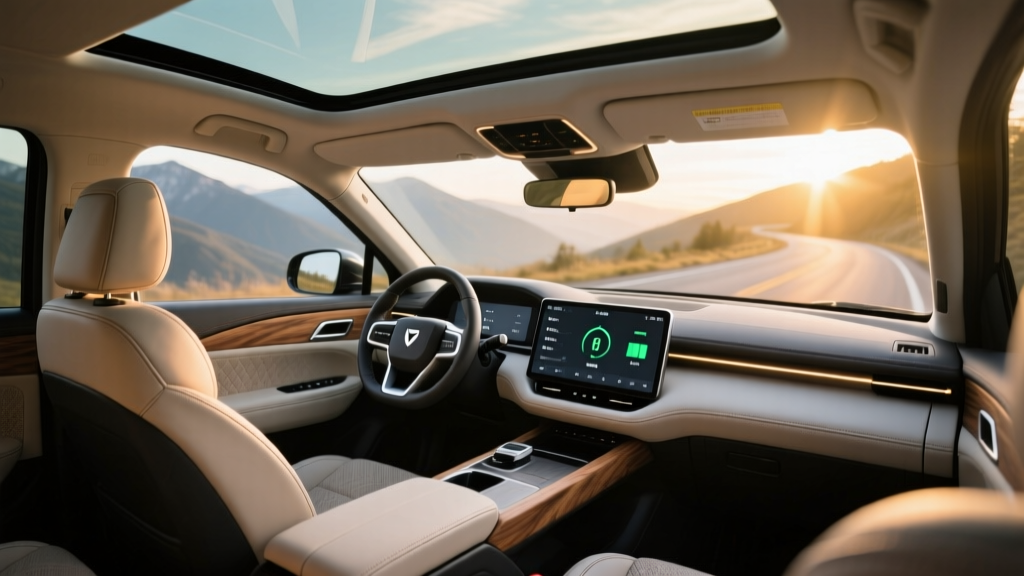
2. Volvo's software platform is Google-based. The EX30 and EX90 run Google Built-in for navigation, voice, and apps. This means excellent Google Maps integration with real-time charger routing and battery preconditioning, but it also means fewer physical buttons. The EX30 notably lacks a traditional instrument cluster — all information is on the central 12.3-inch screen. Test-drive before committing.
3. NACS adapter access unlocks Tesla Superchargers. For 2026, Volvo provides a NACS adapter (or native NACS port on newer builds) enabling access to 20,000+ Tesla Superchargers. This dramatically improves road-trip charging reliability, particularly in rural corridors where Electrify America or EVgo coverage is sparse.
4. Plan for cold-weather range loss. If your daily round-trip commute is 80+ miles and you live where winters drop below freezing, size your battery for winter, not summer. The EX30 Single Motor's 296-mile EPA range becomes roughly 220 miles in January in Chicago — still sufficient for most commutes, but tight if you add errands and detours.
5. Maintenance savings are real. BEVs eliminate oil changes, spark plugs, timing belts, and exhaust system repairs. Volvo's recommended BEV service is cabin air filter replacement, brake fluid checks (regen braking means pads last 100,000+ miles), and tire rotations. Budget ~$300/year for BEV maintenance vs. ~$900/year for a gas equivalent.
Frequently Asked Questions
Does the Volvo EX30 qualify for the $7,500 federal tax credit?
Partial eligibility depends on model year, battery sourcing, and final assembly location. The EX30's Chinese assembly initially disqualified it, but production shifts may change this for later builds. The Single Motor LFP variant faces additional critical-mineral sourcing scrutiny. Always check the current DOE qualified vehicle list for your specific VIN before purchase.
How long does it take to charge the EX90 at home?
At 11 kW (48A Level 2), a full 0-100% charge takes approximately 10-11 hours. In practice, most owners charge from 20-80% overnight (~6.5 hours), which adds roughly 185 miles of range — more than enough for daily driving. A standard 120V outlet (Level 1) adds only ~4 miles per hour, which is impractical as a primary charging method for the EX90's large battery.
Is the XC60 Recharge a good choice if I can't charge at home?
Yes. The XC60 Recharge's 18.8 kWh battery charges fully on a 120V outlet in about 5 hours, giving you 28-32 miles of electric range each morning. Even without a Level 2 charger, you'll cover most short trips on electricity and use gas for longer drives. The trade-off is that you won't maximize electric savings without faster home charging.
What's the difference between LFP and NMC batteries in the EX30?
The Single Motor EX30 uses an LFP (lithium iron phosphate) battery: lower energy density but longer cycle life, better thermal stability, and tolerance for daily 100% charging. The Twin Motor uses NMC (nickel manganese cobalt): higher energy density for AWD performance, but best kept between 20-80% for daily use to minimize degradation. If you want hassle-free charging habits, LFP is the pragmatic pick.
Can the EX90's LiDAR system drive the car autonomously?
No. The EX90's LiDAR sensor, cameras, and radar feed a Level 2 driver-assistance system (Pilot Assist with LiDAR enhancement). It provides superior object detection — particularly in low-light conditions and at distances beyond camera range — but the driver must remain fully engaged. Volvo has discussed future over-the-air upgrades for unsupervised highway driving in geofenced areas, but no Level 3 or Level 4 functionality is currently available or approved for consumer use.