EV Sales in October 2025: The Quick Answer
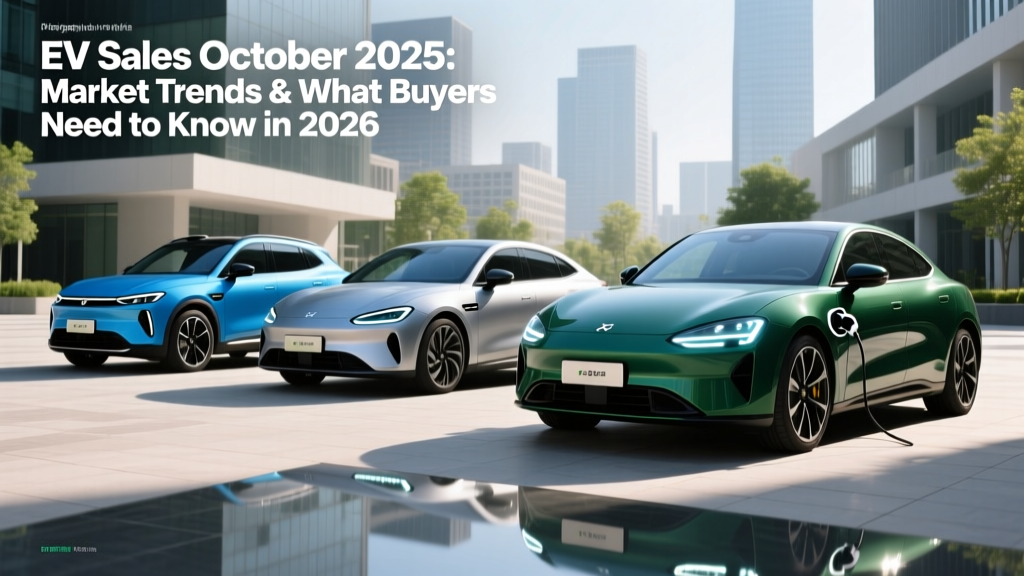
U.S. EV sales in October 2025 reached approximately 130,000–140,000 units, representing roughly 9.5–10.5% of total new light-duty vehicle sales for the month, according to industry trackers including Kelley Blue Book and Cox Automotive estimates. Year-over-year growth hovered near 12–18%, driven by new affordable models (Chevrolet Equinox EV, Hyundai Ioniq 5 N), expanded NACS Supercharger access for non-Tesla vehicles, and aggressive lease incentives that allowed lessees to capture the $7,500 federal credit at point of sale.
If you're reading this in 2026 and wondering what October 2025's numbers mean for your purchase decision: the market has matured enough that used-EV inventory is growing, lease deals are competitive, and charging infrastructure is meaningfully better than even 12 months prior. But the fundamentals of EV ownership — home charging access, real-world range, cold-weather losses, and insurance costs — remain the deciding factors, not sales headlines.
What October 2025 EV Sales Data Tells Us About the Market
October 2025 marked a continuation of a trend that began in late 2024: EV market share stabilizing in the high single digits to low double digits after explosive 2022–2023 growth. The key dynamics shaping that month's sales:
- Tesla still dominant but share eroding: Tesla's U.S. new-EV share fell to roughly 40–44% in October 2025, down from 55%+ in 2023, as competitors like Hyundai/Kia, Ford, Chevrolet, and BMW captured growing slices.
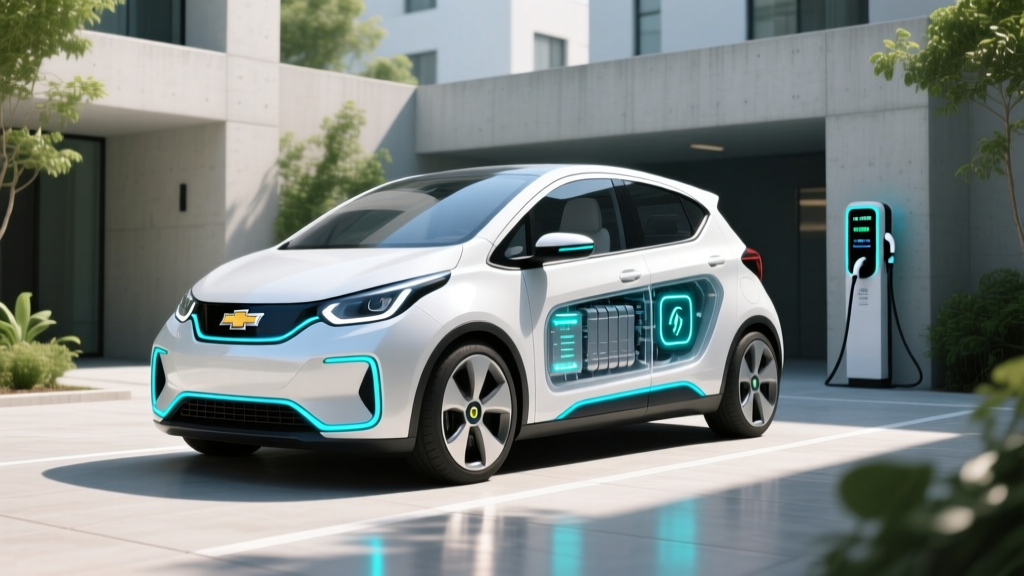
- Sub-$40K segment surging: The Chevrolet Equinox EV (starting ~$33,600 MSRP) and Hyundai Ioniq 5 (base ~$42,500 but heavily incentivized via lease) drove volume in the affordable crossover segment.
- Lease loophole still active: Commercial-vehicle lease credit rules (§45W) continued to allow automakers to pass $7,500 to lessees regardless of battery sourcing — making leases the primary path to the federal incentive for many buyers.
- NACS adoption accelerating: By October 2025, Ford, GM, Rivian, Volvo, and Polestar vehicles had active NACS adapters or native NACS ports, unlocking Tesla Supercharger access (17,000+ stalls nationally) for a much wider buyer pool.
The takeaway for a 2026 buyer: competition has lowered effective prices, but you need to understand your ownership equation, not the national sales chart.
EV vs. Gas vs. Hybrid: A Cost Reality Check
Sales data alone doesn't tell you whether an EV saves you money. Here's a concrete five-year cost comparison for a midsize crossover buyer driving 12,000 miles/year, using a Hyundai Ioniq 5 SE (BEV), Toyota RAV4 Hybrid (HEV), and Toyota RAV4 LE (gas) as representative vehicles.
| Cost Category | 2026 Hyundai Ioniq 5 SE (BEV) | 2026 Toyota RAV4 Hybrid | 2026 Toyota RAV4 LE (Gas) |
|---|---|---|---|
| Base MSRP | $42,550 | $33,875 | $30,495 |
| Fed. Tax Credit (§30D / lease) | −$7,500 (lease via §45W) | $0 | $0 |
| Effective Purchase Price | $35,050 | $33,875 | $30,495 |
| Energy/Fuel (5 yr) | $3,420 (home L2, $0.14/kWh avg) | $5,250 (39 MPG, $3.50/gal) | $7,060 (30 MPG, $3.50/gal) |
| Maintenance (5 yr) | $1,800 | $3,200 | $3,800 |
| Insurance (5 yr est.) | $9,600 | $7,800 | $7,500 |
| Depreciation (5 yr est.) | $18,500 | $14,200 | $15,800 |
| Total 5-Year Cost | $68,370 | $64,325 | $64,655 |
Key observations: The Ioniq 5 narrows the gap dramatically when the $7,500 lease credit applies and home charging is available at residential electricity rates (~$0.14/kWh national average per EIA data). But EV insurance premiums remain 15–30% higher than comparable gas vehicles, and depreciation on EVs has been steeper than hybrids in the 2024–2025 used market correction. The RAV4 Hybrid occupies a strong middle ground: no charging infrastructure needed, strong resale, and 39 MPG combined per EPA fueleconomy.gov.
When the EV Wins vs. When It Doesn't
| Factor | EV Advantage | Gas/Hybrid Advantage |
|---|---|---|
| Home charging access | Yes — lowest cost per mile | Matters less for gas/hybrid |
| Daily commute < 80 mi | Ideal — never visit a gas station | Hybrid still efficient |
| Frequent 400+ mi road trips | DC fast charging adds 20–40 min stops | Gas wins on convenience |
| Cold climate (sub-20°F winters) | 20–35% range loss; heat pump helps | Minimal range impact |
| Tax credit eligibility | Up to $7,500 off (if eligible) | No comparable credit |
| Long-term maintenance | No oil, fewer brake jobs (regen) | Known repair costs, wide shop access |
The Real Costs First-Time EV Buyers Underestimate
October 2025's sales growth was partly fueled by buyers who did their homework. Here are the costs that catch first-time EV owners off guard:
Home Charger Installation
A Level 2 home charger (240V, 32–48A) is essential for convenient ownership. Budget $800–$2,000 for the combined cost:
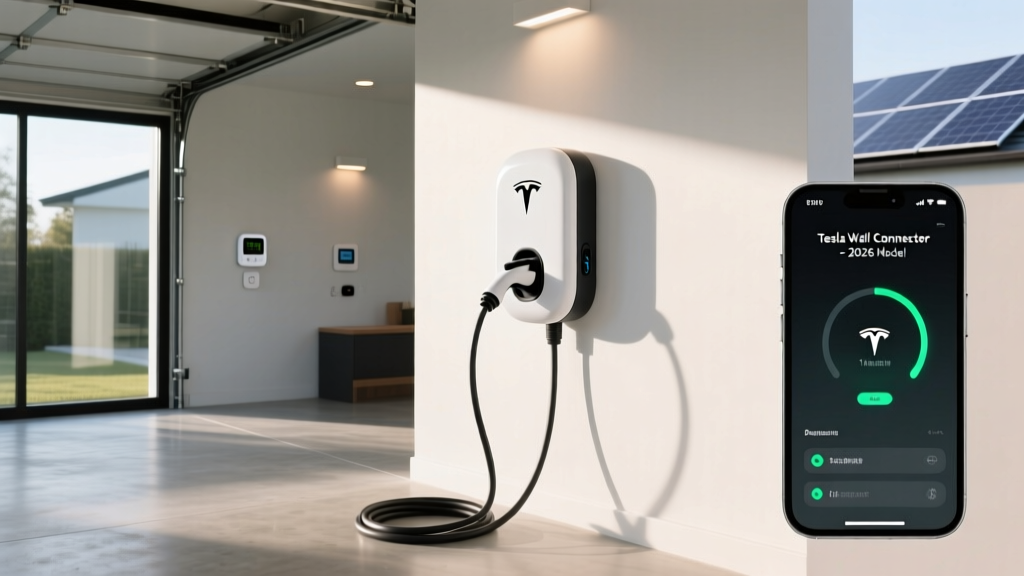
- Charger hardware: $350–$700 (Emporia Level 2, ChargePoint Home Flex, or Tesla Wall Connector)
- Electrical panel capacity: Most homes with a 200A panel can support a 40–48A circuit. If you need a panel upgrade (100A → 200A), add $1,500–$3,500.
- Electrician labor + permit: $400–$1,200 depending on run length from panel to garage
If you rent or live in a condo without dedicated parking, public-only charging will cost roughly 2–3× more per mile than home charging.
Public DC Fast Charging Costs
DC fast charging (150–350 kW) at networks like Electrify America, EVgo, or Tesla Superchargers typically costs $0.32–$0.52/kWh. For a 77 kWh battery (Ioniq 5), a 10–80% charge costs roughly $20–$30. If you rely exclusively on DC fast charging, your fuel cost approaches that of a 30 MPG gas car — the EV savings advantage largely depends on home Level 2 access.
Insurance Premiums
EV insurance averages 18–28% higher than equivalent gas vehicles, per industry data. Reasons include higher repair costs after collisions (specialized labor, battery replacement risk), and higher vehicle values. Shop quotes from GEICO, Progressive, State Farm, and EV-specialty carriers before purchasing.
Tire Replacement
EVs are 15–25% heavier than gas equivalents and deliver instant torque, accelerating tire wear. Expect tire replacement every 25,000–35,000 miles vs. 40,000–55,000 for gas cars. Budget $800–$1,400 for a set of EV-rated tires (e.g., Michelin Pilot Sport EV, Hankook iON evo).
Common EV Misconceptions vs. Facts
| Myth | Fact |
|---|---|
| "EV batteries need replacing every 5 years" | Federal law mandates 8-year/100,000-mile battery warranties (10 yr/150,000 mi in CARB states). Most NMC and LFP batteries retain 85–92% capacity at 100,000 miles based on fleet data. |
| "You can't road-trip an EV" | With NACS Supercharger access now open to Ford, GM, Rivian, and Volvo, and 150–350 kW DC fast chargers adding 150–250 miles in 18–25 minutes on most 2026 models, road trips are viable — just plan 20–30 min charging stops every 200–250 miles. |
| "The $7,500 tax credit applies to everyone" | Per IRS §30D rules, eligibility requires: MSRP under $55,000 (cars) or $80,000 (SUVs/trucks/pickups), buyer AGI under $150K single / $300K joint, and battery minerals/components meeting sourcing thresholds that tighten annually. Leasing bypasses these limits via §45W. |
| "Cold weather makes EVs unusable" | Range drops 20–35% in sub-20°F conditions due to battery chemistry and cabin heating. A 300-mile EPA EV may deliver 200–240 real-world winter miles. Heat pumps (standard on Ioniq 5, Tesla, BMW iX) recover 5–10% of that loss. Preconditioning while plugged in mitigates further. |
| "Charging takes hours" | Level 2 home charging (7.7–11.5 kW) adds 25–40 miles per hour — most owners wake up to a full battery every morning. DC fast charging at 200+ kW delivers 10–80% in 18–25 minutes on 800V architectures (Ioniq 5, Kia EV6, Porsche Taycan). |
Decision Framework: Should You Buy an EV, Hybrid, or Gas Car?
If → Then
| If you have home charging (garage/driveway with 240V access) | Then a BEV is likely your lowest operating-cost option. Prioritize models with 250+ mile EPA range and 150+ kW DC fast charging. |
| If you rent or lack home charging access | Then a PHEV (30–40 mi electric range for short commutes + gas engine for longer trips) or HEV (no plug needed) avoids public-charging dependency. |
| If you drive < 40 miles/day and can charge at home | Then virtually any current BEV covers your daily needs. A used EV with 200+ mile range offers strong value. |
| If you regularly tow > 3,000 lbs or drive 400+ mi in one day | Then a diesel/gas truck or PHEV remains more practical until 2027+ solid-state battery platforms arrive with 400+ mi real-world range and faster charge curves. |
| If you qualify for the full §30D credit ($7,500) | Then the effective price of a Chevrolet Equinox EV 2LT (~$36,000 after credit) competes directly with gas crossovers on total cost of ownership. |
| If you live in a region with extreme cold (below 0°F for weeks) | Then choose a BEV with a heat pump AND 300+ EPA miles, or opt for a PHEV/HEV to avoid range-loss stress. |
| If you want lowest maintenance and keep cars 8+ years | Then a BEV with LFP chemistry (Tesla Model 3 RWD, Ford Mustang Mach-E Select) offers the longest cycle life and lowest degradation, though LFP sacrifices some energy density and cold-weather performance vs. NMC. |
What October 2025 Sales Mean for 2026 Buyers
The volume of EVs sold in 2024–2025 is creating a growing used-EV market with meaningful depreciation discounts. Models like the 2023–2024 Tesla Model 3, Hyundai Ioniq 5, and Ford Mustang Mach-E are appearing on used lots at 25–40% below original MSRP. The used-EV tax credit (§25E) offers up to $4,000 (30% of sale price, capped) for vehicles priced under $25,000 through qualifying dealers — making a 2–3 year old Ioniq 5 or Model 3 one of the strongest value propositions in the market.
Meanwhile, new 2026 models are arriving with better standard equipment: NACS ports (eliminating the need for CCS-to-NACS adapters), improved heat pumps, and larger usable battery capacities (80–100 kWh in the midsize crossover segment). The competitive pressure from October 2025's sales results is directly benefiting 2026 buyers through pricing discipline and richer feature content.
Frequently Asked Questions
Did EV sales actually grow in October 2025, or did they slow down?
EV sales grew year-over-year in October 2025 by approximately 12–18% depending on the source, but the growth rate decelerated from the 40–60% YoY gains seen in 2022–2023. Market share held steady near 9.5–10.5% of new vehicle sales. This is typical of technology adoption curves — the early-adopter surge has passed, and the market is now working to convert mainstream buyers who have more practical concerns about charging access and total cost.
What's the cheapest new EV I can buy in 2026 after tax credits?
The Chevrolet Equinox EV LT starts around $33,600 MSRP. With the $7,500 point-of-sale credit (via lease under §45W or purchase if you meet §30D sourcing and income requirements), the effective price drops to approximately $26,100 — making it the most affordable long-range (315+ mile EPA) EV in the U.S. market. The Nissan LEAF S (~$28,140) is cheaper at MSRP but offers only 149 miles of range and uses the aging CHAdeMO connector.
How much does it really cost to charge an EV at home vs. gas?
At the national average residential electricity rate of ~$0.16/kWh (per EIA), charging a 77 kWh battery from 10–80% costs about $8.60 for roughly 210 miles of range — approximately $0.041/mile. A 30 MPG gas car at $3.40/gallon costs $0.113/mile. That's roughly a 64% per-mile savings with home Level 2 charging. However, public DC fast charging at $0.42/kWh pushes EV cost to ~$0.11/mile, nearly matching gas.
Should I wait for solid-state batteries before buying?
Solid-state batteries promise higher energy density (potentially 400+ mile ranges in smaller vehicles) and faster charging, but they remain in limited production as of early 2026 (Toyota has announced small-scale deployment in select models). Mass-market solid-state EVs are not expected before 2028–2030. Current NMC and LFP batteries are proven, warrantied for 8 years/100,000 miles, and represent a mature technology — waiting for solid-state means delaying an EV purchase by 3–5+ years.
Is leasing really the best way to get the tax credit?
For many buyers, yes. Under the §45W commercial clean vehicle credit, automakers can capture a $7,500 credit on leased vehicles and pass it to the lessee as a capitalized-cost reduction — regardless of battery mineral sourcing, buyer income, or MSRP caps that restrict the §30D purchase credit. This "lease loophole" has been the primary driver of EV lease volume in 2024–2025. The trade-off: you don't own the vehicle at lease end, and you're subject to mileage limits (typically 10,000–15,000/yr). Always confirm the lessor is passing the full credit as a cap-cost reduction, not absorbing it.