Quick Answer: Are EV Planes Ready for Consumers in 2026?
No — electric planes are not available for personal purchase in 2026. The current electric aviation landscape consists of small 2-seat trainer aircraft (like the Pipistrel Velis Electro, ~$175,000), commercial eVTOL air-taxi prototypes undergoing certification (Joby Aviation, Archer Aviation), and regional concepts still in development. Unlike ground EVs, which offer 250–400+ miles of EPA range and a mature charging network, electric aircraft face severe energy-density limitations: today's best lithium-ion batteries store roughly 250–300 Wh/kg, while jet fuel delivers ~12,000 Wh/kg. This 40x gap means most electric planes max out at 50–100 miles of range with 1–2 passengers. If you're researching EV planes because you're considering an electric vehicle purchase, your money is far better spent on a ground EV today — the technology, infrastructure, and economics are mature and proven.
Searches for "EV planes" have grown as companies like Joby Aviation and Archer Aviation make headlines with their electric vertical takeoff and landing (eVTOL) aircraft. But headlines about flying cars and electric air taxis obscure a critical reality: the battery physics that govern your Tesla Model Y or Ford Mustang Mach-E apply even more ruthlessly to aircraft. Gravity doesn't negotiate.
This guide breaks down where electric aviation actually stands in 2026, what the numbers really say, and how to think about EV planes versus the ground-based EVs you can actually buy and drive today.
The Energy Density Problem: Why EV Planes Lag Behind Ground EVs
The single biggest barrier to practical electric planes is energy density — how much energy a battery stores per unit of weight. This is the same metric (measured in Wh/kg) that determines whether your ground EV uses LFP or NMC chemistry, but in aviation, the stakes are exponentially higher because every kilogram must be lifted against gravity.
| Energy Source | Energy Density (Wh/kg) | Practical Range Implication |
|---|---|---|
| Jet-A Fuel | ~12,000 | Thousands of miles (commercial jets) |
| Current Li-ion (NMC) | 250–300 | 50–150 miles (small aircraft) |
| LFP Batteries | 160–200 | Too heavy for most aviation use |
| Solid-State (projected) | 400–500 (est.) | Could enable 200+ mile regional flights |
For ground EVs, battery weight is a manageable engineering trade-off. A 2026 Hyundai Ioniq 5 carries an 84 kWh (usable) NMC battery pack weighing roughly 1,050 lbs, giving it an EPA-estimated 310 miles of range. Add more weight to a car, and you lose some efficiency but gain range. Add more weight to an airplane, and you need exponentially more energy just to stay airborne.
This is why the Pipistrel Velis Electro — the only fully electric aircraft to receive EASA (European) type certification — carries just a 34.5 kWh battery and delivers roughly 50 minutes of flight time (~75 nautical miles). Its useful load (pilot + passenger + baggage) is limited to about 380 lbs. Compare that to a gas-powered Cessna 172 with 40+ gallons of fuel and 800+ mile range.
Where Electric Aviation Actually Stands in 2026
Certified Electric Aircraft (Available Now)
The only certified, purchasable electric airplane as of 2026 is the Pipistrel Velis Electro, a two-seat trainer aimed at flight schools. Key specs:
- Battery: 34.5 kWh lithium (two packs, NMC chemistry)
- Endurance: ~50 minutes + reserves
- Range: ~75 nautical miles (86 statute miles)
- Cruise speed: ~95 knots (109 mph)
- Recharge time: ~2 hours on a dedicated charger
- Price: ~$175,000 (aircraft only)
This is a niche product for flight training, where short hops and predictable routes match the battery's limitations. It is not a personal transportation alternative.
eVTOL Air Taxis (In Certification / Early Operations)
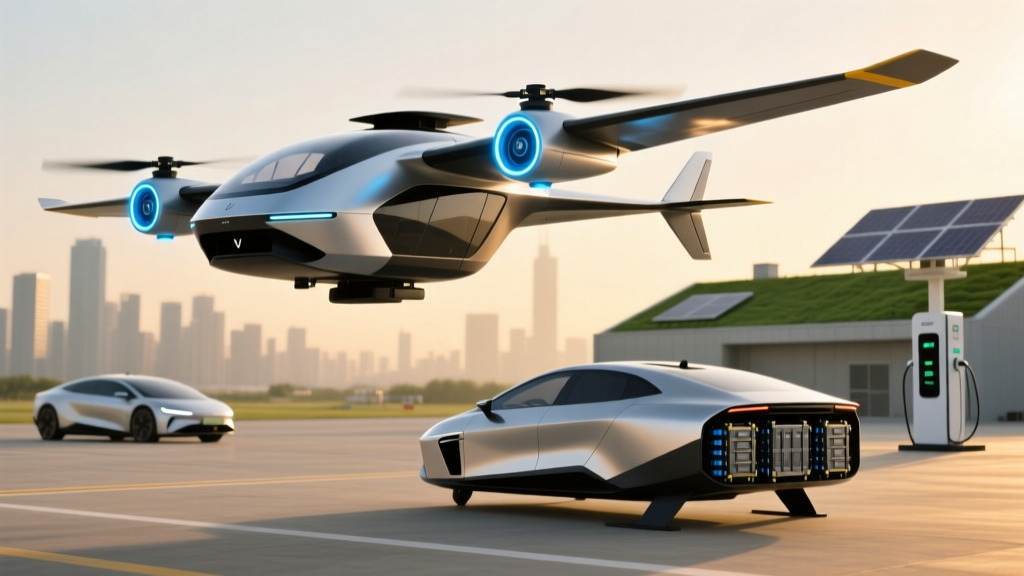
The high-profile EV plane companies are building eVTOL (electric vertical takeoff and landing) aircraft designed for short urban air-taxi routes — not personal ownership:
- Joby Aviation (S4): 4-passenger, ~100-mile target range, 200 mph cruise speed. Joby has been working through FAA type certification and has partnerships with Toyota and Delta Air Lines. Commercial service was anticipated for late 2025/2026 in select markets like Dubai and potentially Los Angeles, but widespread availability remains limited.
- Archer Aviation (Midnight): 4-passenger, designed for ~20-mile urban hop routes (airport-to-downtown), with a target cruise of 150 mph. Archer has been pursuing FAA certification with United Airlines as a launch partner.
- Beta Technologies (Alia): A conventional-takeoff electric aircraft with ~250-mile range target, aimed at cargo and regional transport. Has completed extensive test flights.
None of these aircraft are available for individual purchase. They are commercial fleet vehicles, and their timelines have shifted repeatedly — a pattern common in aerospace certification.
Announced / Concept Aircraft (Not Yet Flying)
Several companies have announced larger electric or hybrid-electric regional aircraft concepts (30–50 seats, 300–500 mile routes) from Heart Aerospace, Eviation, and others. These remain in development, with certification timelines extending into the late 2020s or 2030s. Treat all specs from these programs as preliminary.
EV Planes vs. Ground EVs: A Reality-Based Comparison
If you've landed on this page researching EV planes, you may be weighing electric aviation against buying a ground EV. Here's how the technologies compare on the metrics that matter to buyers:
| Factor | Ground EV (e.g., Tesla Model Y LR) | EV Plane (e.g., Pipistrel Velis Electro) |
|---|---|---|
| Availability | Buy today, take delivery in weeks | Limited to flight schools; eVTOLs not yet commercial |
| Range | EPA 320 mi (real-world ~260–290 mi highway) | ~86 statute miles (~50 min flight) |
| Battery | 75 kWh usable, NMC | 34.5 kWh, NMC |
| Recharge/Refuel Time | ~25 min (10–80% at 250 kW DC fast charger) | ~2 hours (dedicated ground charger) |
| Price | ~$44,990 MSRP (before incentives) | ~$175,000 (aircraft only) |
| Infrastructure | Home Level 2 + 70,000+ public chargers nationwide | Handful of airports with electric charging |
| Federal Tax Credit | Up to $7,500 under IRS §30D (eligibility varies) | Not eligible — §30D applies to road vehicles only |
| Passengers + Cargo | 5 passengers, 76 cu ft cargo | 2 passengers, ~380 lbs total useful load |
| Operating Cost | ~$0.04–0.06/mile (home charging at $0.15/kWh) | ~$5–15/flight hour (electricity); battery replacement reserve significant |
The gap is stark. Ground EVs benefit from decades of battery R&D driven by the automotive market's massive scale. Aviation is a smaller, more regulated market that cannot yet leverage the same economies of scale or the same energy-density improvements.
The Cost Reality: What Electric Aviation Actually Costs
| Cost Category | Ground EV (12,000 mi/yr) | Electric Trainer Aircraft (200 hrs/yr) |
|---|---|---|
| Purchase Price | $44,990 (before credits) | $175,000 |
| Energy/Fuel | $540–$720/yr (home charging) | $1,000–$3,000/yr (electricity) |
| Insurance | $1,500–$2,500/yr | $3,000–$8,000/yr (aviation hull + liability) |
| Maintenance/Inspection | $300–$600/yr (tires, cabin filter, wipers) | $5,000–$15,000/yr (annual inspections, avionics, structural) |
| Battery Replacement Reserve | Minimal (8–10 yr warranty, gradual degradation) | $15,000–$30,000 per pack swap (every ~2,000 cycles or calendar limit) |
| Hangar/Parking | $0–$1,200/yr (garage) | $3,600–$12,000/yr (hangar rental) |
| Estimated Annual Total | $2,340–$5,020 | $27,600–$68,000+ |
The economics are not close. A ground EV is one of the lowest-cost vehicles to own and operate in 2026, especially with home Level 2 charging and federal/state incentives. Electric aircraft carry aviation-grade costs for insurance, inspections, hangar space, and battery replacement — all for a fraction of the utility.
Solid-State Batteries: The Tech That Could Change Everything
The most credible path to practical EV planes runs through solid-state battery technology. Solid-state cells replace the liquid electrolyte in current lithium-ion batteries with a solid material, potentially offering:
- Higher energy density: 400–500 Wh/kg at the cell level (vs. 250–300 today)
- Faster charging: Potentially 10–80% in under 10 minutes without degradation concerns
- Improved safety: No flammable liquid electrolyte — critical in aviation
- Lighter pack weight: Less thermal management hardware needed
Companies like Toyota, QuantumScape, and Solid Power are advancing solid-state technology, with limited production beginning in ground EVs in the 2026–2028 timeframe. Aviation applications will lag behind automotive by several years due to the rigorous certification requirements of the FAA airworthiness process.
Even at 500 Wh/kg, solid-state batteries would still be roughly 24x less energy-dense than jet fuel. This means electric planes will likely remain limited to short-range, small-passenger missions for at least the next decade. Long-haul commercial flights will continue to rely on jet fuel, sustainable aviation fuel (SAF), or potentially hydrogen.
Common Misconceptions About EV Planes
| Myth | Fact |
|---|---|
| "I can buy an electric plane and fly it like a car" | You need a private pilot license (40+ hours of training, ~$10,000–$15,000), and certified electric planes are limited to 2-seat trainers. |
| "eVTOL air taxis will replace Uber by 2027" | eVTOLs face FAA certification delays, vertiport infrastructure gaps, noise regulations, and pilot-availability shortages. Expect very limited routes in 1–2 cities, not mass availability. |
| "Electric planes are zero-emission" | Like ground EVs, emissions depend on the electricity source. Charging from a coal-heavy grid still carries upstream carbon. Manufacturing aviation-grade batteries is also energy-intensive. |
| "Battery tech will solve range in 2–3 years" | Energy density improves ~5–8% per year. Even optimistic solid-state projections don't close the 40x gap with jet fuel within a decade. |
| "EV planes qualify for the $7,500 federal tax credit" | IRS §30D applies only to qualified on-road vehicles (cars, trucks, SUVs, vans) with 4+ wheels. Aircraft are excluded. |
Decision Framework: What Should You Actually Do?
If you're researching EV planes, here's what makes sense in 2026:
If you want personal electric transportation today → Buy a ground EV. The 2026 market offers excellent options from $30,000–$60,000 with 250–350+ miles of EPA range, DC fast charging in 18–30 minutes (10–80%), and home Level 2 charging. You'll save $1,000–$2,000/year on fuel vs. a gas car, and may qualify for up to $7,500 in federal tax credits (check current IRS §30D eligibility — income caps, MSRP caps, and battery sourcing rules apply).
If you're a pilot or flight-school owner → The Pipistrel Velis Electro is a real, certified option for training flights under 50 minutes. Budget $175,000+ for the aircraft plus hangar, insurance, and annual inspection costs. Electric training saves on fuel vs. avgas (~$6–7/gallon) but requires careful route planning around the battery's endurance limits.
If you're excited about eVTOL air taxis → Follow Joby Aviation and Archer Aviation's FAA certification progress. Do not plan travel around these services for at least 2–3 years. When they launch, expect premium pricing ($50–$150+ per trip for 15–50 mile routes), limited cities, and advance booking requirements.
If you're an investor → Electric aviation is a high-risk, long-time-horizon sector. Companies like Joby (NYSE: JOBY) and Archer (NYSE: ACHR) are publicly traded but have burned hundreds of millions in R&D with minimal revenue. This is speculative — not comparable to the proven, scalable ground-EV market.
The Bottom Line: Ground EVs Win on Every Practical Metric
Electric planes represent genuine engineering ambition, and eVTOL air taxis may eventually serve niche urban routes. But in 2026, the technology gap between electric aviation and ground EVs is enormous — and it will remain so for at least a decade.
The battery that gives a Tesla Model Y 320 miles of range and charges in 25 minutes at a Supercharger is the product of a $400+ billion global battery industry optimized for automotive use. Aviation cannot yet tap into that scale, and the physics of flight demand energy densities that today's chemistry cannot deliver.
If you're ready to go electric, the road is ready. The sky is not — not yet.
Frequently Asked Questions
Can I buy an electric plane in 2026?
The only certified, purchasable electric airplane is the Pipistrel Velis Electro, a 2-seat trainer priced around $175,000. It offers roughly 50 minutes of flight time (~86 miles). eVTOL air taxis from Joby and Archer are not available for personal purchase and are still completing FAA certification.
How far can an electric plane fly?
The Pipistrel Velis Electro has a range of approximately 75 nautical miles (86 statute miles). Announced eVTOL aircraft like the Joby S4 target ~100 miles. For comparison, a gas-powered Cessna 172 can fly 800+ miles on a tank of fuel. The limiting factor is battery energy density: current lithium-ion cells store roughly 250–300 Wh/kg vs. jet fuel's ~12,000 Wh/kg.
Do EV planes qualify for the federal $7,500 tax credit?
No. The IRS §30D New Clean Vehicle Credit applies only to on-road vehicles with four or more wheels — cars, trucks, SUVs, and vans. Aircraft of any kind are excluded. Ground EVs purchased in 2026 may qualify for up to $7,500 depending on MSRP caps, buyer income limits, and battery-sourcing requirements. Check IRS guidelines or consult a tax professional.
When will electric air taxis be available to the public?
Joby Aviation and Archer Aviation have targeted initial commercial service for 2025–2026 in select markets, but FAA type certification timelines have shifted repeatedly. Realistic expectations: limited routes in 1–3 cities by 2027–2028, with broader availability not expected until the early 2030s at the earliest.
Are electric planes safer than gas planes?
Electric motors are mechanically simpler than piston engines (fewer moving parts, no fuel system), which could reduce certain failure modes. However, battery-related risks (thermal runaway, energy-density limitations forcing tight weight margins) introduce different safety considerations. No certified electric aircraft has accumulated enough flight hours for statistically meaningful safety comparisons to decades of gas-aircraft data from the NHTSA or NTSB.
Will solid-state batteries make electric planes practical?
Solid-state batteries could improve energy density to 400–500 Wh/kg, potentially doubling the range of electric aircraft. However, even at 500 Wh/kg, batteries would still be ~24x less energy-dense than jet fuel. Solid-state technology is expected to reach ground EVs in limited production by 2027–2028, with aviation applications several years behind due to FAA certification requirements.