The short answer on EV mini vans in 2026: There is still no fully electric mini van from a major automaker widely available in the U.S. market. Your closest options are the Volkswagen ID. Buzz (a fully electric retro-styled van with an EPA-estimated 234 miles of range and a starting MSRP around $59,995) and the Chrysler Pacifica Plug-In Hybrid (32 miles of electric-only range before the gas engine kicks in, starting near $51,095). If you need a true three-row, sliding-door family hauler with zero tailpipe emissions, the ID. Buzz is your only current choice — but it comes with trade-offs in range, charging speed, and third-row space that every buyer should understand before signing.
Why the EV Mini Van Segment Is So Thin
The American mini van segment has been shrinking for over a decade. The Honda Odyssey, Toyota Sienna (now hybrid-only), and Kia Carnival remain gas or hybrid strongholds, while the Chrysler Pacifica offers the only plug-in hybrid in the class. Fully electric mini vans have been promised before — most notably the Chrysler Pacifica EV concept that never materialized — and the segment's low volume makes it a tough business case for automakers investing billions in EV platforms.
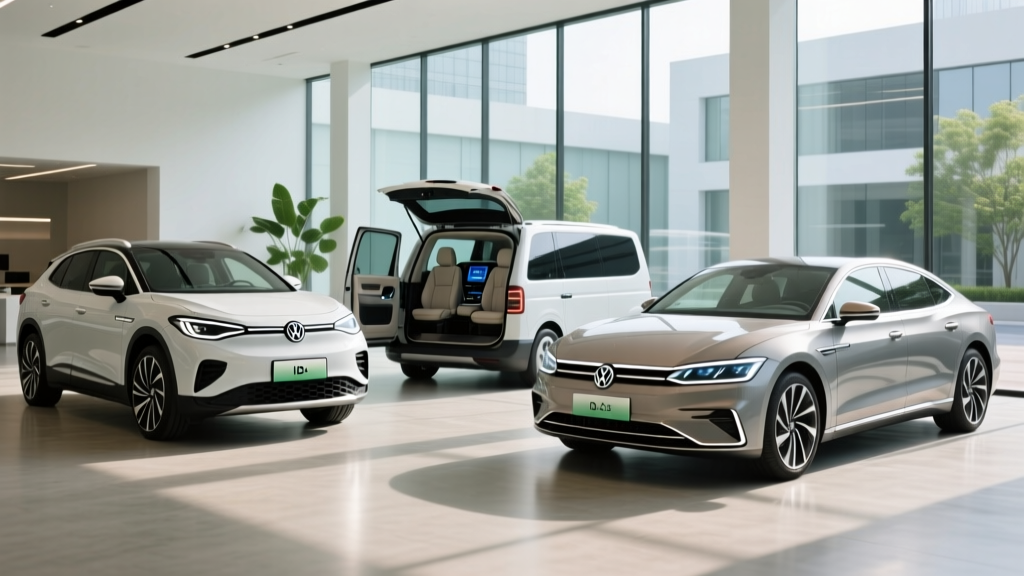
The VW ID. Buzz arrived for the 2025 model year as the first serious electric van sold in the U.S. since... well, ever. It's built on VW's MEB platform (shared with the ID.4 crossover) and leans heavily on nostalgia. But it's smaller than a traditional American mini van, and its range and charging characteristics reflect that compact-van architecture rather than a purpose-built family hauler platform.
Meanwhile, several Chinese-market electric MPVs — like the Zeekr 009, XPeng X9, and Volvo EM90 — offer impressive specs overseas but are not sold in the United States and have no announced U.S. plans as of early 2026.
What's Actually Available: 2026 EV and Electrified Van Options
| Spec | VW ID. Buzz (2026) | Chrysler Pacifica PHEV (2026) | Toyota Sienna Hybrid (2026) |
|---|---|---|---|
| Powertrain | BEV (RWD or AWD) | PHEV (V6 + electric) | HEV (4-cyl hybrid) |
| Battery | 91 kWh usable (NMC) | 16 kWh (NMC) | 1.9 kWh (NiMH) |
| EPA Range / EV Range | 234 mi (RWD) / 231 mi (AWD) | 32 mi electric-only | N/A (hybrid, no EV mode) |
| Fuel Economy | 87 MPGe combined | 82 MPGe (EV) / 30 MPG (gas) | 36 MPG combined |
| Horsepower | 282 hp (RWD) / 330 hp (AWD) | 260 hp combined | 245 hp combined |
| 0-60 mph | ~7.9 sec (RWD) | ~7.5 sec | ~7.1 sec |
| Max DC Fast Charge | 200 kW peak | N/A (no DC fast charge) | N/A |
| 10-80% DC Charge | ~26 minutes | N/A | N/A |
| Level 2 Charge Rate | 11 kW (AC) | 6.6 kW (AC) | N/A |
| Seating | 7 passengers | 7 passengers | 7-8 passengers |
| Cargo (behind 3rd row) | 18.4 cu ft | 32.3 cu ft | 33.5 cu ft |
| Sliding Doors | Power (both sides) | Power (both sides) | Power (both sides) |
| Base MSRP | $59,995 | $51,095 | $39,285 |
| Battery Warranty | 8 yr / 100,000 mi | 10 yr / 100,000 mi (hybrid components) | 10 yr / 150,000 mi (hybrid battery) |
Sources: fueleconomy.gov, Volkswagen USA, Chrysler. Specs reflect 2025-2026 model year data. Always confirm with the manufacturer for the latest figures.
Real-World Range Reality Check — VW ID. Buzz: The EPA rates the RWD ID. Buzz at 234 miles. In mixed highway driving at 70-75 mph, expect closer to 195-210 miles. In cold weather (below 32°F), range can drop an additional 15-25%, bringing realistic winter range to roughly 160-180 miles. The 91 kWh battery and relatively boxy, heavy shape (curb weight over 5,600 lbs) mean efficiency suffers at highway speeds. Plan road trips around 150-mile legs between DC fast chargers for a comfortable buffer.
EV vs. Gas vs. Hybrid Mini Van: The Real Cost Breakdown
The purchase price is only the beginning. Here's how a five-year ownership period stacks up when you factor in fuel, electricity, maintenance, and depreciation. This comparison assumes 15,000 miles per year (75,000 miles total), national average electricity at $0.16/kWh, and gasoline at $3.40/gallon.
| Cost Category (5 Years) | VW ID. Buzz (BEV) | Chrysler Pacifica PHEV | Toyota Sienna (HEV) |
|---|---|---|---|
| Purchase Price (base MSRP) | $59,995 | $51,095 | $39,285 |
| Federal Tax Credit (§30D) | See eligibility note* | $0 (PHEV battery under 7 kWh threshold) | $0 (not a plug-in) |
| Estimated Energy/Fuel Cost | $4,800 (electricity) | $6,200 (mixed EV + gas) | $7,080 (gasoline) |
| Maintenance (5 yr) | ~$1,500 | ~$3,200 | ~$2,800 |
| Insurance (est. average) | ~$10,500 | ~$8,500 | ~$7,800 |
| Estimated Depreciation | ~$24,000 | ~$18,000 | ~$14,000 |
| Approx. 5-Year Total Cost | ~$100,795 | ~$86,995 | ~$70,965 |
*Federal tax credit note: Under IRS §30D rules, the ID. Buzz's eligibility for the up-to-$7,500 credit depends on battery-component and critical-mineral sourcing requirements that change annually, plus buyer income caps ($150K single / $300K joint) and the van/SUV MSRP cap of $80,000. The ID. Buzz qualifies on price. Check the latest sourcing status on IRS.gov before purchasing. The Pacifica PHEV's 16 kWh battery falls below the 7 kWh minimum required for the new-vehicle credit.
The numbers tell a clear story: the ID. Buzz costs significantly more to buy and own over five years than either the Pacifica PHEV or Sienna hybrid, driven primarily by its higher MSRP and steeper depreciation. Energy savings alone don't close that gap within five years. The BEV makes financial sense primarily if you drive high annual mileage (20,000+ miles/year), have access to cheap home charging, or plan to hold the vehicle for 8-10 years.
Charging the VW ID. Buzz: Home and On the Road
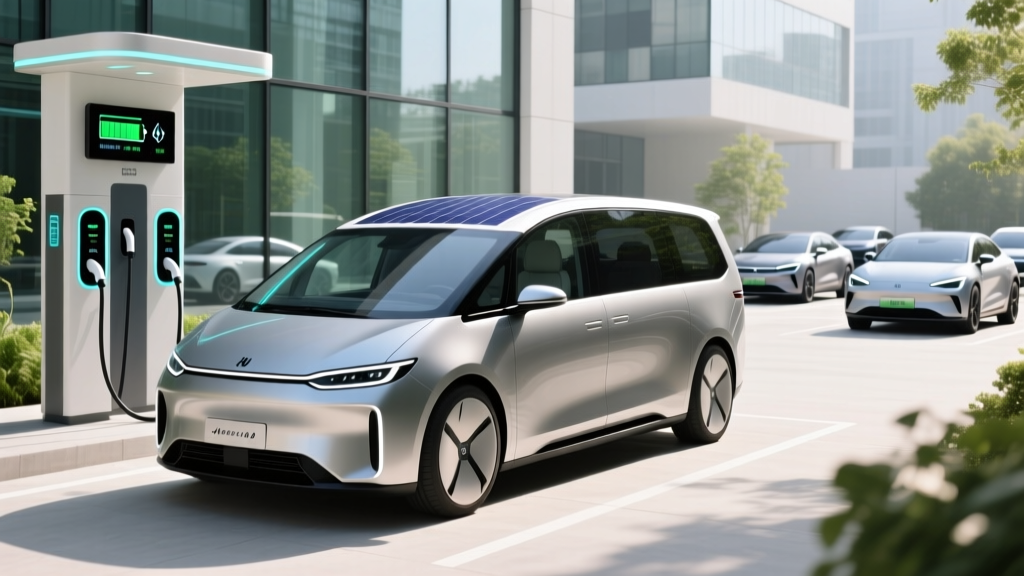
The ID. Buzz uses the CCS1 connector for DC fast charging (with NACS adapter support expanding through VW's charging partnerships). Here's what charging actually looks like in practice:
| Charging Level | Power (kW) | Miles Added per Hour | Typical Use Case |
|---|---|---|---|
| Level 1 (120V outlet) | ~1.4 kW | ~4-5 mi/hr | Overnight trickle; emergency top-up only |
| Level 2 (240V home) | 11 kW | ~32-35 mi/hr | Primary home charging; full charge in ~9 hours |
| DC Fast Charge | 200 kW peak | ~180+ mi/hr (peak) | Road trips; 10-80% in ~26 min |
The charging curve matters. The ID. Buzz peaks at 200 kW only briefly between roughly 10-30% state of charge. From 30-60%, expect sustained rates around 120-150 kW. Above 80%, the rate drops sharply to protect the NMC battery — you'll add only a handful of miles per minute past that point. This is normal for NMC chemistry but means you should plan DC fast stops to charge from 10-80%, then drive on rather than waiting for a full charge.
Home charging is essential. A Level 2 home charger (like a ChargePoint Home Flex or Wallbox Pulsar Plus) on a 48-amp circuit delivers the full 11 kW, replenishing roughly 300 miles of range overnight. Without home charging, relying on public Level 2 or DC fast charging adds significant time and cost to ownership. A typical Level 2 home installation runs $800-$2,500 depending on panel capacity and wiring distance — factor this into your budget.
Real-World Ownership: Who Should (and Shouldn't) Buy an Electric Van
Before committing to the ID. Buzz or waiting for future electric mini vans, honestly assess your situation against these factors:
Choose the VW ID. Buzz if:
- You have reliable Level 2 home charging (garage or driveway with 240V access)
- Your daily driving is under 150 miles round-trip, with occasional longer road trips
- You value zero tailpipe emissions and near-silent operation around kids
- You don't regularly need maximum cargo space behind the third row (18.4 cu ft is tight for a van)
- You live in a moderate climate, or accept 20-30% winter range loss
Choose the Chrysler Pacifica PHEV if:
- You want electric commuting (32 miles covers most school/activity runs) with unlimited gas range for road trips
- You need the cargo space of a full-size mini van (32.3 cu ft behind the third row)
- You lack consistent home charging and need flexibility
- Your budget tops out around $55,000
Choose the Toyota Sienna Hybrid if:
- Total cost of ownership is your top priority
- You want 36 MPG combined without ever plugging in
- You need 8-passenger seating and maximum cargo room
- You plan to own the van 10+ years (Toyota's hybrid reliability record is strong)
Common EV Mini Van Misconceptions — Fact-Checked
| Myth | Fact |
|---|---|
| "The ID. Buzz is just as big as a Pacifica or Odyssey." | The ID. Buzz is roughly 10 inches shorter overall and has significantly less cargo volume behind the third row (18.4 vs. 32+ cu ft). It's closer to a compact van than a traditional American mini van. |
| "I'll save money going electric vs. a hybrid van." | With current MSRPs, the ID. Buzz costs $20,000+ more than a Sienna hybrid. You'd need to drive well over 100,000 miles before fuel savings close that gap — and that's before factoring in higher insurance and depreciation. |
| "Electric vans can't handle road trips." | They can, but plan carefully. The ID. Buzz's ~200-mile real-world highway range means stopping every 2-2.5 hours for 25-30 minutes at a DC fast charger. That's manageable but adds roughly 45-60 minutes to a 500-mile trip. |
| "The Pacifica PHEV is basically an EV." | With only 32 miles of electric-only range, the Pacifica PHEV operates as a gas hybrid for most longer drives. It's an excellent commuter-EV/gas-road-trip compromise, but it's not a substitute for a BEV if zero-emission driving is your goal. |
| "There are no other electric van options coming." | Several are announced or in development globally (including potential entries from Hyundai/Kia and Chinese brands), but nothing has been confirmed for the U.S. market with a firm sale date as of early 2026. Don't delay a purchase based on speculation. |
What First-Time EV Buyers Need to Know About Van Ownership
If the ID. Buzz would be your first electric vehicle, understand these ownership realities upfront:
Preconditioning is non-negotiable for fast charging. The ID. Buzz (like most modern EVs) can warm or cool its battery before a DC fast-charge stop if you set the charger as your navigation destination. Skipping this step in cold weather can cut your peak charge rate by 40-50%, turning a 26-minute charge into a 45-minute wait.
Tire wear is higher. The ID. Buzz's 5,600+ lb curb weight and instant electric torque accelerate tire wear. Budget for replacement tires every 30,000-40,000 miles rather than the 50,000-60,000 miles typical of lighter vehicles. EV-rated tires (with low rolling resistance and noise-reduction foam) cost $250-$400 per corner.
Insurance costs more. EV insurance premiums average 15-25% higher than comparable gas vehicles due to higher repair costs, specialized parts, and battery replacement risk. Get quotes from at least three carriers before purchasing — some insurers now offer EV-specific discounts.
The §30D tax credit can be transferred at point of sale. If you qualify, the up-to-$7,500 credit can be applied as an immediate discount at the dealer rather than waiting to claim it on your tax return. This effectively lowers your out-of-pocket cost at purchase. Confirm eligibility with your tax professional and the dealer's finance office, as income caps, MSRP limits, and battery-sourcing requirements all apply under current IRS §30D rules.
Frequently Asked Questions
Is there a fully electric Honda Odyssey or Toyota Sienna?
No. As of 2026, neither Honda nor Toyota offers a fully electric mini van in any market. The Sienna is sold exclusively as a hybrid (HEV, not plug-in), and the Odyssey continues with a conventional V6. Neither manufacturer has announced an electric mini van for the U.S. market.
Can the VW ID. Buzz tow a trailer?
The ID. Buzz has a maximum towing capacity of 2,500 lbs when properly equipped — enough for a small utility trailer or a pair of jet skis, but not a large boat or camper. Towing also reduces range by an estimated 25-40%, so plan accordingly.
Does the ID. Buzz qualify for the $7,500 federal tax credit?
It can, but eligibility is not guaranteed. Under IRS §30D, the credit depends on where the battery components and critical minerals are sourced (requirements that tighten annually), your household income (capped at $300K joint / $150K single), and the vehicle's MSRP (must be under $80,000 for vans/SUVs — the ID. Buzz qualifies on price). Always verify current eligibility on the IRS website and with your tax advisor before relying on the credit.
How does the ID. Buzz handle in snow and cold weather?
The AWD version (with dual motors producing 330 hp) provides confident traction in snow, and the battery thermal management system helps maintain performance. However, expect range to drop 15-25% in sustained below-freezing temperatures. If your winter commute is under 120 miles round-trip with home charging, this is manageable. For longer winter road trips, plan extra charging stops.
Will there be more electric mini vans available soon?
Several electric MPVs exist in Asian and European markets (Zeekr 009, XPeng X9, Volvo EM90), but none have confirmed U.S. launch dates. Hyundai/Kia's large EV platform could theoretically support a van, but no product has been announced. If you need an electric van now, the ID. Buzz is your option. If you can wait 2-3 years, the segment may expand — but nothing is guaranteed.
What's the best home charger for the ID. Buzz?
Any quality Level 2 charger rated for 48 amps on a 60-amp circuit will deliver the ID. Buzz's maximum 11 kW AC charge rate. Popular, reliable options include the ChargePoint Home Flex (~$650), Wallbox Pulsar Plus (~$450), and Emporia Level 2 (~$400). Budget $500-$2,000 additional for professional electrical installation depending on your panel capacity and wiring run. A licensed electrician should assess your home's 200-amp service capacity before installation.