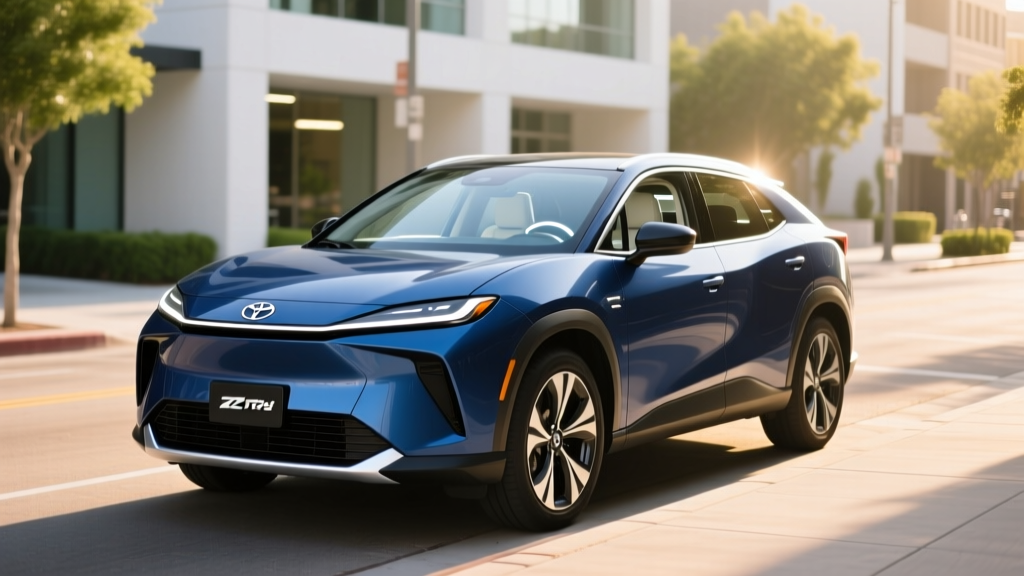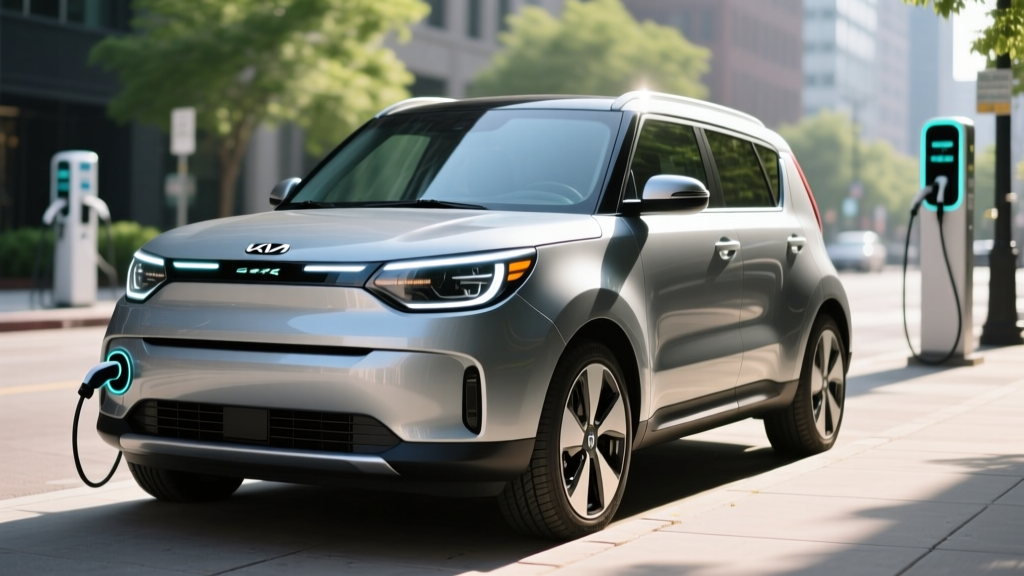
If you own or are shopping for a non-Tesla electric vehicle in the United States, you've almost certainly encountered the term CCS (Combined Charging System). It's the DC fast-charging standard used by the majority of automakers — from Hyundai and Ford to BMW and Volkswagen — and understanding how it fits into your daily charging routine is essential for making smart ownership decisions.
This guide breaks down every layer of EV charging CCS compatibility, from the plug on your car to the circuit breaker in your panel, with exact numbers for speeds, costs, and equipment.
Understanding CCS and the Connector Landscape
CCS1 (the North American variant) combines the J1772 AC charging pins with two additional DC pins below, creating a single port that handles both Level 2 AC and DC fast charging. When you see "EV charging CCS" referenced in vehicle specs or charger maps, it means the vehicle or station uses this combined connector.
However, the connector landscape shifted dramatically between 2023 and 2025 when nearly every major automaker committed to adopting Tesla's NACS (North American Charging Standard) on new vehicles starting in the 2025–2026 model years. Here's where things stand now:
| Connector | Brands Using It (New Vehicles) | Legacy Vehicles Still Equipped |
|---|---|---|
| NACS (Tesla) | Tesla, Ford, GM, Rivian, Volvo, Polestar, Mercedes-Benz, BMW (2026+) | — |
| CCS1 | Hyundai, Kia, Volkswagen, Subaru, Toyota (bZ series), Stellantis | Ford/GM/Rivian models from 2021–2024 |
| CHAdeMO | Discontinued for new vehicles | Nissan Leaf (all years), Mitsubishi Outlander PHEV |
If you drive a 2022–2024 Ford Mustang Mach-E or GM Ultium-based vehicle with a CCS port, you can access Tesla Superchargers using a CCS-to-NACS adapter — Ford and GM both provide or sell these adapters. Hyundai and Kia Ioniq/EV6/EV9 owners charge natively on Electrify America, EVgo, and other CCS-equipped networks.
Charging Levels: kW, Speeds, and Miles Per Hour
The single most important distinction in EV charging: kW (kilowatts) measures power — how fast energy flows. kWh (kilowatt-hours) measures energy — how much your battery holds. Think of kW as the width of a hose and kWh as the size of the bucket.
| Level | Voltage | Power (kW) | Miles of Range Added Per Hour | Typical Use Case |
|---|---|---|---|---|
| Level 1 | 120V AC | 1.2–1.9 kW | 3–5 mi/hr | Overnight top-up, PHEVs, emergencies |
| Level 2 (Home/Public AC) | 240V AC | 7.2–19.2 kW | 20–60 mi/hr | Daily home charging, workplace, shopping |
| DC Fast Charging | 400–800V DC | 50–350 kW | 150–1,200 mi/hr (peak) | Road trips, highway corridors |
A few critical nuances most spec sheets gloss over:
- DC fast charging is not linear. A Hyundai Ioniq 5 peaking at 240 kW only sustains that rate between roughly 10–55% State of Charge (SoC). Above 80%, the charge curve tapers sharply — going from 80–100% can take as long as 10–80%. This is why manufacturers quote 10–80% times.
- Level 2 home charging is limited by your car's onboard charger. Even if you install a 19.2 kW wall unit, a vehicle with an 11 kW onboard charger (like the VW ID.4) will only draw 11 kW max.
- Cold weather slows all charging, especially DC fast charging. Lithium-ion batteries must be warmed before accepting high power — preconditioning (navigating to a charger in your EV's nav system) activates the thermal management system and can cut 10–80% times by 30–40% in winter.
Charging Time Examples: 10–80% for Common Battery Sizes
| Vehicle | Battery (kWh usable) | Peak DC Rate (kW) | 10–80% Time |
|---|---|---|---|
| Hyundai Ioniq 5 (2026) | 84 kWh (NMC) | 240 kW (800V) | ~18 minutes |
| Kia EV6 (2026) | 84 kWh (NMC) | 240 kW (800V) | ~18 minutes |
| Volkswagen ID.4 (2026) | 82 kWh (NMC) | 175 kW | ~28 minutes |
| Ford Mustang Mach-E (2024 CCS) | 91 kWh (NMC) | 150 kW | ~38 minutes |
| BMW iX xDrive50 (2026 NACS) | 111.5 kWh (NMC) | 200 kW | ~34 minutes |
These times assume battery preconditioning and a charger capable of delivering the vehicle's peak rate. A 350 kW Electrify America stall won't push a VW ID.4 beyond its 175 kW ceiling, and a 50 kW CHAdeMO station will take over an hour for any of these vehicles.
Home Charger Installation: Electrical Requirements and Costs
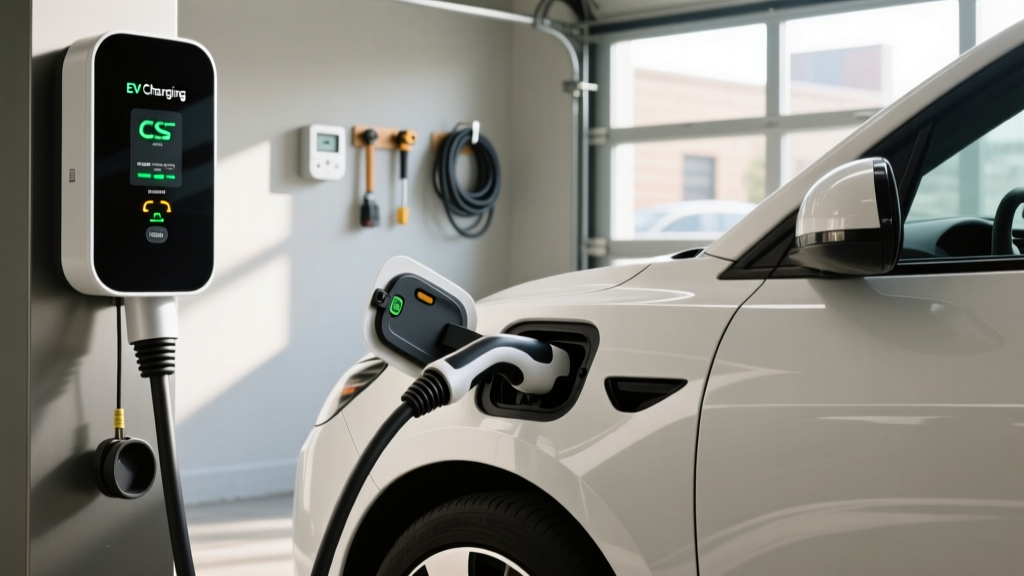
Installing a Level 2 home charger is where most EV owners do 80–90% of their charging. Here's what's involved electrically and financially.
Electrical Requirements
- Circuit: Dedicated 240V, 40A–60A breaker (a 48A charger requires a 60A circuit per NEC 80% continuous-load rule)
- Wire: 6 AWG copper for 48A circuits; 4 AWG for 60A runs over longer distances
- Panel capacity: Most modern 200A panels can accommodate an EV circuit. Older 100A panels often require a service upgrade ($2,000–$5,000+).
- GFCI protection: NEC 2020+ requires GFCI breakers for EV receptacles (NEMA 14-50). Hardwired units may not require GFCI depending on jurisdiction — your electrician will confirm.
- Permit: Most municipalities require an electrical permit ($50–$250) and a final inspection.
Installation Cost Breakdown
| Component | Simple Install (panel nearby) | Complex Install (panel upgrade / long run) |
|---|---|---|
| Level 2 Charger (Equipment) | $400–$700 | $400–$700 |
| Electrician Labor | $500–$1,200 | $1,500–$3,500 |
| Permit & Inspection | $50–$150 | $100–$300 |
| Electrical Panel Upgrade (if needed) | $0 | $2,000–$5,000 |
| Total | $950–$2,050 | $4,000–$9,500 |
The wide range is real. A homeowner with a 200A panel and a garage wall directly behind the panel might pay $1,200 total. Someone with a 100A panel, a detached garage 80 feet from the service entrance, and local code requiring a trench could easily spend $6,000+. Always get a load calculation from a licensed electrician before assuming your panel can handle the added draw.
What Does Charging Cost Per Mile vs. Gas?
This is where EV ownership economics shift decisively in your favor — if you charge at home.
| Scenario | Rate | Cost Per Mile (250 Wh/mi EV) | Equivalent Gas Vehicle (28 MPG @ $3.40/gal) |
|---|---|---|---|
| Home — Off-Peak TOU Rate | $0.09/kWh | $0.023/mi | $0.121/mi |
| Home — Standard Residential | $0.16/kWh | $0.040/mi | $0.121/mi |
| Public Level 2 (ChargePoint, etc.) | $0.25–$0.39/kWh | $0.063–$0.098/mi | $0.121/mi |
| DC Fast Charging (EA, EVgo) | $0.35–$0.56/kWh | $0.088–$0.140/mi | $0.121/mi |
Key takeaways: Home charging on an off-peak time-of-use (TOU) plan makes EVs roughly 5x cheaper per mile than gas. But frequent DC fast charging at public rates can actually exceed the cost of gasoline — a reality that matters if you lack home charging access. According to the U.S. Department of Energy's fueleconomy.gov, the national average residential electricity rate is approximately $0.17/kWh as of early 2026.
Equipment Recommendations: Which Home Charger Should You Buy?
Not all Level 2 chargers are equal. Here are proven picks with the specs that matter — power output, connector type, cable length, and smart features.
Emporia Level 2 EV Charger
- Power Output: Up to 48A (11.5 kW at 240V)
- Connector: J1772 (CCS-compatible for AC charging); NACS version available for Tesla/new-NACS vehicles
- Cable Length: 24 feet
- Smart Features: Wi-Fi, app scheduling, solar integration, energy monitoring
- Price: ~$400 (one of the best value-per-kW chargers available)
- Best For: Budget-conscious owners wanting smart features and full 48A output
ChargePoint Home Flex
- Power Output: Configurable 16A–50A (up to 12 kW)
- Connector: J1772 (CCS AC compatible); NACS adapter available
- Cable Length: 23 feet
- Smart Features: Wi-Fi, app-based scheduling, Alexa integration, flexible amperage setting to match your circuit
- Price: ~$550–$700
- Best For: Owners who want a proven brand with adjustable amperage for older panels
Wallbox Pulsar Plus
- Power Output: 40A (9.6 kW) or 48A (11.5 kW)
- Connector: J1772
- Cable Length: 25 feet
- Smart Features: Wi-Fi + Bluetooth, Power Sharing (two chargers on one circuit), compact form factor
- Price: ~$450–$650
- Best For: Tight garage spaces and two-EV households sharing a single circuit
Grizzl-E Smart
- Power Output: 40A (9.6 kW)
- Connector: J1772
- Cable Length: 24 feet
- Smart Features: OCPP-compatible, adjustable amperage, built-in circuit breaker, extreme cold-rated (-40°C)
- Price: ~$500–$600
- Best For: Cold-climate owners and outdoor installations (IP67 rated, aluminum case)
All of the chargers above handle AC Level 2 charging, which is what your vehicle's CCS port accepts for home charging. The DC pins on a CCS connector are only used at public fast-charging stations — you will never need a DC charger at home (residential DC chargers cost $15,000+ and require 480V three-phase power).
Safety, Code, and the Panel-Upgrade Reality
A few safety and code items that separate a professional install from a risky shortcut:
- Never use an extension cord for EV charging — even heavy-duty 10 AWG cords introduce voltage drop and heat risk at sustained 40A+ loads.
- Hardwired vs. plug-in: Hardwired chargers eliminate the NEMA 14-50 receptacle (a known failure point if low-quality), simplify GFCI compliance in some jurisdictions, and often qualify for higher utility rebates.
- Outdoor-rated equipment: If your charger is outside, ensure it carries at least an IP55 rating (IP65+ preferred) and a NEMA 4 enclosure rating.
- Load calculation is non-negotiable. An electrician should perform a NEC Article 220 load calculation before adding a 40–60A continuous load. If your panel is already near capacity (electric range, dryer, HVAC, water heater), a panel upgrade or a smart load-management device like the Emporia Smart Load Center or Wallbox Power Sharing can avoid the $3,000+ upgrade cost.
- Utility rebates: Many utilities offer $250–$1,000 rebates for Level 2 charger installation, especially if you enroll in a TOU rate plan. Check with your local provider before purchasing equipment — some rebates require specific charger models.
For detailed code requirements, refer to the National Fire Protection Association's NEC guidelines and consult a licensed electrician for your specific installation.
Frequently Asked Questions
How much does it cost to install a home EV charger?
A straightforward Level 2 installation on an existing 200A panel typically runs $950–$2,050 including equipment, electrician labor, and permit. If your home requires a panel upgrade from 100A to 200A, expect the total to reach $4,000–$9,500. Always get a load calculation first.
How fast will each charging level add range?
Level 1 (120V) adds 3–5 miles per hour. Level 2 (240V, 48A) adds 30–45 miles per hour depending on vehicle efficiency. DC fast charging at 150–350 kW can add 150–300+ miles in 15–20 minutes, but only up to ~80% SoC — after which the charge curve tapers significantly.
Which connector is compatible with my EV?
If your EV is a 2025+ Ford, GM, Rivian, Volvo, or BMW, it likely has a NACS port. If it's a Hyundai, Kia, VW, or Toyota bZ, it has CCS1. Older Nissan Leafs use CHAdeMO. For home Level 2 charging, all non-Tesla vehicles use the J1772 connector (the top portion of the CCS plug). Tesla provides a J1772 adapter with every vehicle. Check your owner's manual or the DOE's EV technology page for your specific model.
How much does charging cost per mile vs. gas?
Home charging at $0.12–$0.16/kWh costs roughly $0.03–$0.04 per mile for an EV averaging 250 Wh/mi — about one-third the cost of a 28 MPG gas car at $3.40/gallon ($0.12/mi). However, DC fast charging at $0.45–$0.56/kWh pushes EV costs to $0.11–$0.14/mi, matching or exceeding gas. Home access is the economic key.
What electrical upgrades might I need?
Homes with 100A service panels, older wiring (aluminum or knob-and-tube), or panels already near capacity may need a service upgrade to 200A ($2,000–$5,000). Homes with 200A panels and available breaker slots usually need only a dedicated 40–60A circuit. A smart load-management system can sometimes avoid a panel upgrade entirely by dynamically sharing power between the EV charger and other high-draw appliances.
Can I use a CCS charger on a NACS-equipped car?
For DC fast charging, yes — CCS-to-NACS adapters are available from Tesla, Ford, and third-party manufacturers. For home AC charging, the J1772 connector (which is the AC portion of CCS) works with all EVs using a simple J1772-to-NACS adapter. The reverse — using a NACS Supercharger on a CCS vehicle — also works via adapter for Ford, GM, and Rivian vehicles as of 2024–2025.
Is the §30D tax credit available for home charger installation?
The federal Alternative Fuel Vehicle Refueling Property Credit (IRC §30C, not §30D which covers vehicle purchases) offers up to $1,000 for home charger equipment and installation through 2032, but with significant restrictions: your home must be in a qualifying low-income or non-urban census tract. Check the IRS §30C page and consult a tax professional to verify eligibility for your specific address.