If you're considering an EV in California, the short answer is: the Golden State remains the best place in the country to own one, but the math depends heavily on your specific situation. California drivers benefit from the state's $7,000 Clean Vehicle Rebate Project (CVRP) for income-eligible buyers, access to the nation's largest public charging network (over 110,000 public ports as of early 2026), HOV lane stickers for qualifying vehicles, and some of the lowest residential electricity rates for EV charging in the country when on time-of-use plans. A typical California EV owner driving 12,000 miles annually saves between $1,200 and $1,800 per year on fuel alone compared to a 25 MPG gas car at $4.50/gallon. However, upfront purchase prices remain higher than gas equivalents, insurance premiums run 15–25% higher on average, and apartment dwellers without home charging access face real logistical hurdles that no amount of state incentive fully solves.
Quick Answer: Is California the Best State to Buy an EV?
Yes, for most buyers. California offers the strongest combination of state rebates (up to $7,000 CVRP + utility incentives), charging infrastructure (110,000+ public ports), HOV lane access, and favorable electricity rates. Combined with the federal §30D tax credit (up to $7,500 for qualifying new EVs), total incentives can reduce an EV's effective price by $10,000–$14,500. The catch: you need home charging access to maximize savings, and your income must fall below federal caps ($150K single / $300K joint for §30D) to qualify for the full federal credit.
The Real Cost of EV Ownership in California
The sticker price tells only part of the story. California EV buyers need to evaluate total cost of ownership across five years, factoring in purchase price, incentives, energy costs, maintenance, and insurance. Here's what the numbers actually look like for a mid-range EV versus a comparable gas sedan in the California market.
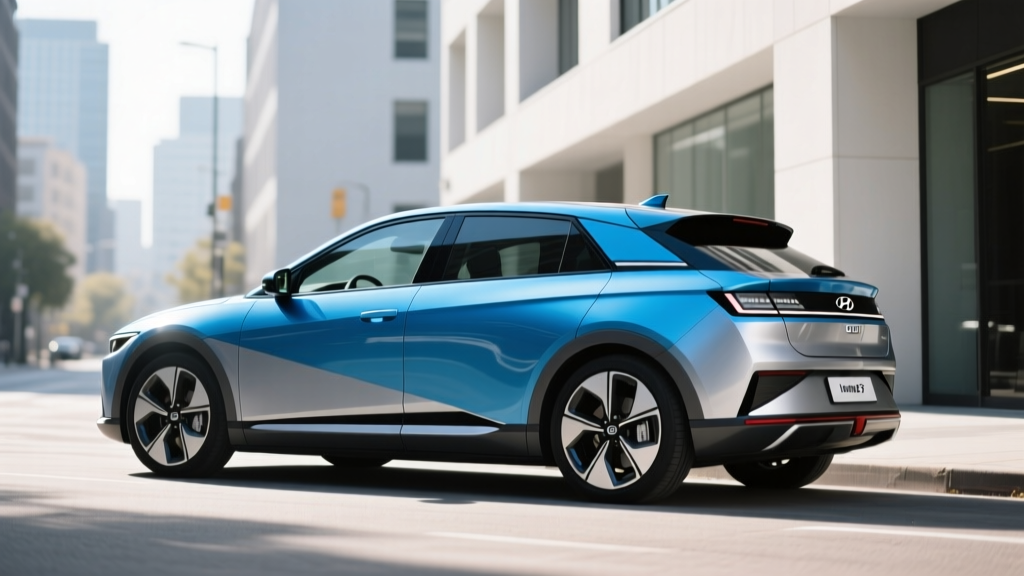
| Category | 2026 Hyundai Ioniq 6 SE (EV) | 2026 Toyota Camry LE (Gas) |
|---|---|---|
| Base MSRP | $39,250 | $29,995 |
| Federal §30D Credit | –$3,750 (partial; battery sourcing) | $0 |
| CA CVRP Rebate (income-eligible) | –$7,000 | $0 |
| Effective Purchase Price | $28,500 | $29,995 |
| Energy/Fuel (5 years) | $3,150 (home L2, PG&E TOU) | $10,800 ($4.50/gal, 28 MPG) |
| Maintenance (5 years) | $900 | $2,800 |
| Insurance (5 years, avg) | $9,250 | $7,500 |
| Registration (5 years) | $1,450 (includes $100 EV fee) | $1,100 |
| 5-Year Total | $43,250 | $52,195 |
The Ioniq 6 example above reflects a buyer who qualifies for both the full CVRP rebate (income under $150K single / $250K household) and a partial federal credit. The IRS §30D credit varies from $0 to $7,500 depending on battery component sourcing and critical mineral requirements — many 2026 models qualify for $3,750 (critical minerals only) rather than the full $7,500. Always verify current eligibility on the IRS clean vehicle credit page before purchasing.
The fuel savings are where California EVs shine. PG&E's EV-A time-of-use rate delivers electricity at roughly $0.13/kWh during off-peak overnight hours. The Ioniq 6's 3.0 mi/kWh efficiency means a full "tank" costs about $10.50 — versus $54 to fill the Camry. Over five years and 60,000 miles, that's a $7,650 energy savings.
California's EV Incentive Landscape in 2026
California layers multiple incentive programs on top of federal credits, but eligibility rules are specific and income-dependent. Here's what's available as of 2026:
- Clean Vehicle Rebate Project (CVRP): Up to $7,000 for new EVs and $5,000 for PHEVs, available to buyers with household income at or below 400% of the federal poverty level. The rebate can be applied at the point of sale at participating dealers.
- Clean Cars 4 All (CC4A): Up to $9,500 for low-income drivers who retire an older gas vehicle and replace it with an EV. Administered by local air districts (BAAQMD, SCAQMD, SJVAPCD).
- Utility Rebates: PG&E offers $1,000 for residential EV charger installation; SCE offers up to $1,500; SDG&E provides $1,000. Many utilities also offer free or discounted Level 2 charging equipment.
- HOV Lane Stickers: California's Clean Air Vehicle decals grant solo carpool-lane access through September 2025 for new applicants — check DMV current availability as the program has undergone legislative changes.
- Federal §30D Tax Credit: Up to $7,500 for new EVs meeting battery sourcing requirements, with MSRP caps ($80,000 SUVs/pickups/vans; $55,000 sedans) and buyer income caps ($150K single / $300K joint). Can be transferred to the dealer as a point-of-sale discount.
§30D Federal Tax Credit Checklist (2026 Rules)
- Vehicle MSRP under $55,000 (sedans) or $80,000 (SUVs/trucks/vans)
- Buyer AGI under $150,000 (single) / $225,000 (HOH) / $300,000 (joint)
- Battery critical minerals sourced from US or FTA-partner countries ($3,750 component)
- Battery components manufactured/assembled in North America ($3,750 component)
- No battery components from a "foreign entity of concern" (FEOC)
- Vehicle assembled in North America
- Can be taken as point-of-sale transfer or claimed on tax return
EV vs. Gas vs. Hybrid: What Makes Sense for California Drivers?
Not every California driver is best served by a full battery-electric vehicle. The right choice depends on your housing situation, commute distance, and access to charging. Here's a data-driven comparison across the three main powertrain types available in the California market.
| Metric | BEV (Ioniq 6) | PHEV (Prius Prime) | Gas (Camry) |
|---|---|---|---|
| MSRP | $39,250 | $33,445 | $29,995 |
| EPA Range / MPG | 361 mi / 140 MPGe | 44 mi EV + 48 MPG gas | 28/39/32 MPG |
| Annual Fuel Cost (CA) | $630 | $420 EV + $540 gas* | $2,160 |
| Home Charging Needed? | Essential | Strongly recommended | No |
| Maintenance Cost (5 yr) | ~$900 | ~$1,800 | ~$2,800 |
| CA Incentives Available | CVRP + §30D + utility | CVRP (lower) + §30D | None |
| CO₂ (tailpipe) | 0 g/mi | Variable | ~275 g/mi |
*PHEV annual cost assumes 60% of miles driven on electricity with daily home charging.
Choose a BEV if: You have reliable home Level 2 charging, your daily driving is under 200 miles, and you want maximum fuel savings and lowest maintenance. California's charging network makes road trips feasible in most corridors (I-5, US-101, I-10), with DC fast chargers every 40–60 miles along major highways.
Choose a PHEV if: You can charge at home but regularly drive 200+ miles or take frequent road trips where charging infrastructure is sparser (Eastern Sierra, far Northern California). A PHEV gives you 30–50 miles of electric commuting with gas-engine backup, eliminating range anxiety entirely.
Stick with gas if: You live in an apartment without charging access and your workplace doesn't offer charging, or you regularly tow heavy loads in remote areas. California's gas prices are the highest in the nation (averaging $4.50–$5.00/gallon in metro areas), so this is the most expensive option long-term — but it's honest advice for those without charging options.
Charging in California: Infrastructure Reality Check
California leads the nation in charging infrastructure, but "leading" doesn't mean "complete." Here's the actual landscape for 2026:
| Level | Power | Miles Added/Hour | Cost (typical) | Where |
|---|---|---|---|---|
| Level 1 (120V) | 1.4 kW | 3–5 mi/hr | ~$0.13/kWh (home) | Any standard outlet |
| Level 2 (240V) | 7.2–11.5 kW | 20–40 mi/hr | $0.13–$0.35/kWh | Home, workplace, public |
| DC Fast Charge | 50–350 kW | 150–600 mi/hr | $0.30–$0.55/kWh | Highway corridors, urban hubs |
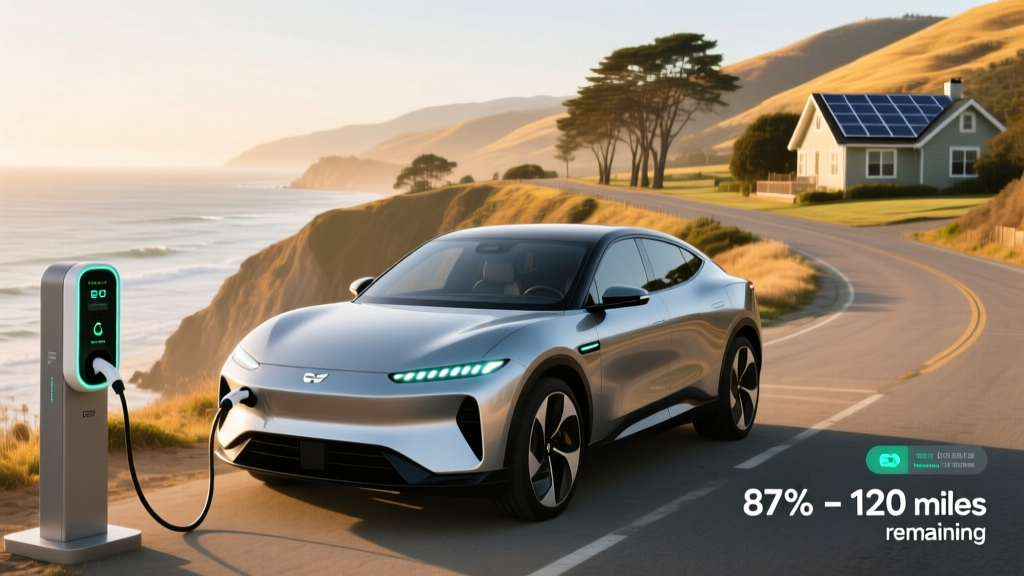
Home charging is the make-or-break factor. Roughly 70% of California EV owners charge primarily at home, and for good reason: overnight Level 2 charging on a utility time-of-use plan costs $0.10–$0.18/kWh, while public DC fast charging costs $0.35–$0.55/kWh — sometimes more than gasoline per mile. If you're buying a single-family home or have a dedicated garage, a Level 2 charger installation runs $500–$2,000 (equipment plus electrician) depending on panel capacity. Many California utilities rebate a significant portion of this cost.
Apartment and condo dwellers face a harder path. California's "Right to Charge" law (Civil Code §4745) requires HOAs to approve reasonable charging installations, but shared parking, older electrical panels, and landlord reluctance remain real barriers. If you can't install home charging, prioritize workplaces with Level 2 chargers or rely on public Level 2 networks (ChargePoint, EVgo, Electrify America) near your routine stops — but understand that exclusive public charging significantly erodes the cost advantage of an EV.
Road trip charging in 2026: California's major highway corridors are well-served. The I-5 corridor from LA to Sacramento has DC fast chargers every 30–50 miles, predominantly Tesla Superchargers (now open to NACS-equipped non-Tesla vehicles), Electrify America stations, and EVgo locations. However, rural routes — Highway 395 (Eastern Sierra), Highway 101 north of Eureka, and parts of the Central Valley — still have gaps where 60–80 mile stretches between chargers require careful planning.
Real-World Range vs. EPA Sticker: What California Drivers Actually Get
EPA range estimates assume moderate temperatures and mixed driving. California's diverse climate means your actual range will vary significantly:
- Coastal/mild climate (SF, LA, SD): Expect 90–95% of EPA range in normal driving. A 361-mile EPA rating delivers ~325–340 real-world miles.
- Highway at 75+ mph (I-5, I-10): Expect 80–85% of EPA range due to aerodynamic drag. That 361-mile car delivers ~290–310 miles.
- Mountain driving (Sierras, Grapevine): Elevation climbs consume extra energy, but regenerative braking on descents recovers some. Net effect: 75–85% of EPA depending on grade severity.
- Desert summer heat (Death Valley, Palm Springs, 110°F+): Battery cooling demands reduce range by 10–15%. Preconditioning while plugged in mitigates this.
Common EV Misconceptions — Fact-Checked for California Buyers
| Myth | Fact |
|---|---|
| "EV batteries need replacing every few years and cost $20,000." | Federal law mandates 8-year/100,000-mile battery warranties (10 years in California for PZEV vehicles). Real-world degradation data shows most modern NMC and LFP packs retain 85–92% capacity at 100,000 miles. Full replacement is rare and typically only needed after 15+ years. Average replacement cost for a mid-size EV: $10,000–$16,000, but few owners ever pay this. |
| "California's grid can't handle everyone driving EVs." | California's grid operator (CAISO) has managed EV load growth through time-of-use rates that shift charging to overnight hours when solar and wind overproduce. The Pacific Northwest National Laboratory estimated California's existing grid can support millions more EVs with managed charging. Unmanaged daytime peak charging is the concern — which is exactly why utilities incentivize overnight charging. |
| "EVs are worse for the environment because of battery mining." | Lifecycle analyses consistently show EVs produce fewer total emissions than gas cars even accounting for battery manufacturing. California's grid is 55%+ renewable (as of 2025), meaning a California-charged EV has among the lowest lifecycle carbon footprints of any vehicle sold. The Union of Concerned Scientists rates EVs in California as equivalent to a 100+ MPG gas car in well-to-wheel emissions. |
| "I can just use public chargers — I don't need home charging." | You can, but you'll pay 2–4× more per mile than home charging, spend 20–40 minutes per session at DC fast chargers, and deal with occasional broken chargers. Public-only EV ownership is feasible but erases most of the cost advantage. If you can't charge at home, a PHEV may be the better choice. |
| "All EVs qualify for the $7,500 federal tax credit." | As of 2026, only vehicles meeting strict battery sourcing and assembly requirements qualify, and many popular models receive only $3,750 (half credit) or none at all. MSRP caps ($55K sedans, $80K SUVs) and buyer income limits ($150K/$300K) further restrict eligibility. Always check the fueleconomy.gov tax credit page for the specific model you're considering. |
Home Charging Setup: What California Homeowners Need to Know
Installing a Level 2 home charger is the single most impactful decision a California EV buyer can make. Here's the realistic cost breakdown for a typical single-family home installation in 2026:
| Item | Cost Range | Notes |
|---|---|---|
| Level 2 charger (hardware) | $300–$700 | ChargePoint Home Flex, Emporia, Wallbox |
| Electrician labor (240V/50A run) | $500–$2,500 | Depends on panel proximity and conduit run length |
| Permit and inspection | $100–$350 | Varies by city/county |
| Electrical panel upgrade (if needed) | $1,500–$4,000 | Required if existing panel is 100A or maxed out |
| Total (no panel upgrade) | $900–$3,550 | Most homes with 200A service |
| Total (with panel upgrade) | $2,400–$7,550 | Older homes with 100A panels |
| Utility rebate offset | –$500 to –$1,500 | PG&E, SCE, SDG&E, LADWP programs |
Key consideration: Before hiring an electrician, check your electrical panel's amperage and available breaker slots. Most modern California homes have 200-amp panels with room for a 50-amp EV circuit. Homes built before 1990 often have 100-amp panels that may require an upgrade — this is the single biggest variable in installation cost. Some California utilities now offer "make-ready" programs that cover the wiring cost up to the charger location.
For the charger itself, prioritize units with adjustable amperage (so you can dial down if your panel is limited), NEMA 14-50 plug compatibility (portable and replaceable), and Wi-Fi connectivity for scheduling charge sessions during off-peak utility hours. The ChargePoint Home Flex ($549–$649) and Emporia Level 2 ($399) are strong picks for California utility rate optimization.
Decision Framework: Should You Buy an EV in California?
Use This If/Then Framework to Decide
Buy a BEV if:
- You can install a Level 2 charger at home (garage, driveway, or dedicated parking spot)
- Your daily round-trip commute is under 150 miles
- You qualify for at least partial federal and state incentives (check income and MSRP caps)
- You want the lowest possible operating cost and can absorb a higher upfront price
Buy a PHEV if:
- You have home charging but regularly drive 200+ miles or take road trips to areas with sparse charging
- You want electric commuting (30–50 mi range) without any range anxiety
- You're in a single-vehicle household that needs to handle both daily commuting and long trips
Wait on an EV (stick with gas/hybrid) if:
- You live in an apartment or condo with zero charging access and your employer doesn't provide it
- You regularly tow over 3,000 lbs in remote or mountainous areas
- Your household income exceeds incentive caps and the full MSRP premium doesn't pencil out on fuel savings alone
Frequently Asked Questions
What is the cheapest EV I can buy in California in 2026?
The Nissan Leaf S starts at $28,140 and qualifies for the full $7,500 federal credit, bringing the effective price to roughly $20,640 before state rebates. However, it uses a CHAdeMO connector (a legacy standard with declining public charger support) and has a 149-mile EPA range. A more practical budget pick is the Chevrolet Equinox EV 2LT at $33,000 with 315 miles of range and NACS compatibility, which after incentives can land around $22,000–$25,000 depending on credit eligibility.
Do I really need a Level 2 home charger, or is a regular outlet enough?
A standard 120V outlet (Level 1) adds 3–5 miles of range per hour — roughly 35–50 miles overnight. If your daily driving is under 30 miles and your EV has 250+ miles of range, Level 1 can technically work, but you'll rarely have a full battery and longer trips become stressful. Level 2 (240V) adds 20–40 miles per hour, meaning a full overnight charge every time. For any EV with under 250 miles of range, Level 2 is effectively mandatory.
How does California's EV registration fee compare to gas cars?
California charges an additional $100 annual registration fee for zero-emission vehicles (on top of standard registration), intended to offset lost gas tax revenue. Total annual registration for a typical EV runs $250–$400 depending on vehicle value and county. This is modest compared to the $1,500–$2,000+ annual fuel savings most EV owners realize.
Will my EV battery degrade in California's hot climate?
Heat accelerates battery degradation, but modern EVs use active liquid thermal management that keeps battery cells within optimal temperature ranges. Inland California summers (Sacramento, Central Valley, desert areas) do cause slightly faster degradation than coastal climates — expect 10–12% capacity loss over 100,000 miles in hot inland areas versus 7–9% in coastal zones. LFP (lithium iron phosphate) battery chemistry, used in some Tesla Model 3/Y Standard Range and Ford Mustang Mach-E Select trims, shows even better heat tolerance and longevity.
Can I use Tesla Superchargers with a non-Tesla EV in California?
Yes. Tesla has opened select Supercharger stations to non-Tesla EVs equipped with the NACS (North American Charging Standard) connector. As of 2026, most new EVs from Ford, GM, Rivian, Hyundai/Kia, and others ship with native NACS ports. Older CCS-equipped vehicles can use a Tesla-approved NACS adapter. Use the Tesla app to locate open stations — not all Supercharger locations are available to non-Tesla vehicles yet, but the California network is expanding rapidly.
How do California's electricity rates affect EV charging costs?
California's residential rates are among the highest in the nation (averaging $0.28–$0.35/kWh on standard plans), but time-of-use EV rates from PG&E, SCE, and SDG&E drop to $0.09–$0.15/kWh during overnight off-peak windows (typically 12 AM–3 PM). Charging exclusively during off-peak hours cuts your "fuel" cost to $3–$5 per full charge for most EVs — roughly 80% less than gasoline per mile. Always enroll in your utility's EV-specific rate plan immediately after purchase.
Sources: fueleconomy.gov (EPA range and efficiency data), IRS.gov (§30D clean vehicle credit rules), California Energy Commission (CVRP program details). Incentive amounts and eligibility rules are subject to legislative change — verify current availability before purchasing.