What Are EREV Vehicles and Why Do They Matter?
Extended-range electric vehicles (EREVs) represent a distinct powertrain category that sits between pure battery-electric vehicles (BEVs) and plug-in hybrids (PHEVs). Unlike PHEVs where the engine can directly drive the wheels, EREVs use a gasoline generator solely to recharge the battery—the electric motor always propels the vehicle. This architecture delivers the smooth, instant-torque driving experience of an EV while eliminating range anxiety through onboard fuel backup.
For 2026, EREV vehicles have matured into compelling options for buyers who want electric driving daily but need flexibility for road trips, rural areas with sparse charging infrastructure, or cold climates where BEV range drops 20-40%. The market includes luxury SUVs, compact crossovers, and even pickup trucks adopting this technology.
Top EREV Models Available in 2026
Here's a detailed look at the leading EREV vehicles currently on sale in the US market:
BMW iX xDrive50 with Range Extender (2026)
| Specification | Value |
|---|---|
| EPA Electric Range | 52 miles (battery only) |
| Total Range (with generator) | 380 miles |
| Battery Capacity | 24.0 kWh usable (NMC chemistry) |
| Range Extender | 1.5L turbo 3-cylinder, 75 kW generator |
| Electric Motor Output | 335 hp combined (dual-motor AWD) |
| 0-60 mph | 5.8 seconds |
| DC Fast Charge (10-80%) | 50 kW peak, ~28 minutes |
| Level 2 Home Charging | 7.2 kW (~22 miles/hour) |
| EPA MPGe (electric mode) | 88 MPGe |
| Fuel Economy (generator mode) | 28 mpg combined |
| Cargo Volume | 35.5 cu ft (rear seats up), 72.3 cu ft (folded) |
| Base MSRP | $78,900 |
| Battery Warranty | 8 years / 100,000 miles |
RAM 1500 REV with Range Extender (2026)
| Specification | Value |
|---|---|
| EPA Electric Range | 145 miles (battery only) |
| Total Range (with generator) | 690 miles |
| Battery Capacity | 92.0 kWh usable (NMC chemistry) |
| Range Extender | 3.6L V6, 130 kW generator |
| Electric Motor Output | 654 hp (dual-motor AWD) |
| 0-60 mph | 4.4 seconds |
| DC Fast Charge (10-80%) | 150 kW peak, ~35 minutes |
| Level 2 Home Charging | 11.5 kW (~35 miles/hour) |
| EPA MPGe (electric mode) | 68 MPGe |
| Fuel Economy (generator mode) | 22 mpg combined |
| Towing Capacity | 10,200 lbs (electric mode limited to 7,500 lbs) |
| Base MSRP | $72,095 |
| Battery Warranty | 8 years / 100,000 miles |
Mazda MX-30 R-EV (2026 US Model)
| Specification | Value |
|---|---|
| EPA Electric Range | 85 miles (battery only) |
| Total Range (with generator) | 410 miles |
| Battery Capacity | 17.8 kWh usable (NMC chemistry) |
| Range Extender | 830cc rotary engine, 50 kW generator |
| Electric Motor Output | 168 hp (front-wheel drive) |
| 0-60 mph | 7.9 seconds |
| DC Fast Charge (10-80%) | 40 kW peak, ~25 minutes |
| Level 2 Home Charging | 6.6 kW (~20 miles/hour) |
| EPA MPGe (electric mode) | 92 MPGe |
| Fuel Economy (generator mode) | 32 mpg combined |
| Cargo Volume | 21.0 cu ft (rear seats up) |
| Base MSRP | $36,550 |
| Battery Warranty | 8 years / 100,000 miles |
Charging Infrastructure and Home Setup
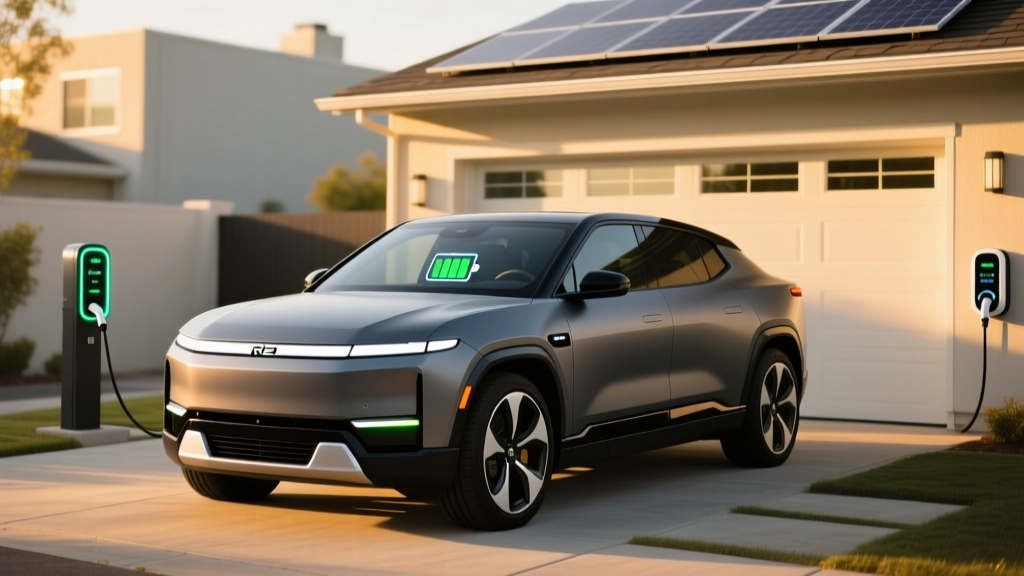
EREV vehicles charge like conventional EVs when plugged in, but their smaller batteries (compared to long-range BEVs) mean faster charge times and lower electricity costs:
| Charging Level | Power | Time (10-80%) | Miles Added/Hour | Typical Use Case |
|---|---|---|---|---|
| Level 1 (120V) | 1.4 kW | 12-18 hours | 3-5 miles | Overnight trickle, emergencies |
| Level 2 (240V) | 7.2-11.5 kW | 2-4 hours | 20-35 miles | Home garage, workplace |
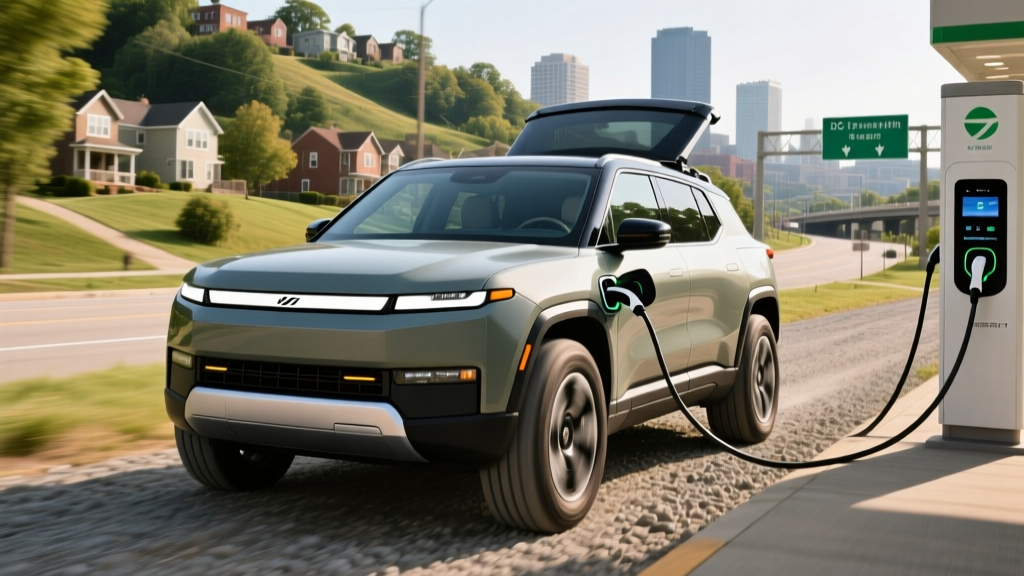
| DC Fast Charge | 40-150 kW | 25-35 minutes | 150-300 miles | Road trips, public stations |
For home installation, expect $800-$2,500 for a Level 2 charger (equipment + electrician + permit), depending on panel capacity and run length. Most EREVs work with standard NACS or CCS1 connectors—verify your model's port type before purchasing equipment.
Federal Tax Credit Eligibility (IRS §30D)
EREV vehicles qualify for the federal EV tax credit under the same rules as BEVs and PHEVs, but eligibility depends on multiple factors that change annually:
| Model | Base MSRP | MSRP Cap | Income Cap (Single/Joint) | Battery Sourcing | Max Credit |
|---|---|---|---|---|---|
| BMW iX xDrive50 REV | $78,900 | $80,000 (SUV) | $150k / $300k | Partial compliance | $3,750 |
| RAM 1500 REV | $72,095 | $80,000 (truck) | $150k / $300k | Partial compliance | $3,750 |
| Mazda MX-30 R-EV | $36,550 | $55,000 (SUV) | $150k / $300k | Non-compliant | $0 |
The §30D credit splits into two halves: $3,750 for battery component manufacturing (North America) and $3,750 for critical minerals sourcing (US or free-trade partners). Most EREVs in 2026 meet only one requirement due to complex global supply chains. Check the latest IRS guidance before purchasing, as sourcing compliance updates quarterly.
Point-of-sale transfer is available if the dealer participates—you can apply the credit toward your down payment rather than waiting for tax filing. Verify your adjusted gross income (AGI) from the prior year or current year, whichever is lower.
EREV vs BEV vs PHEV: Which Powertrain Fits Your Life?
Choosing between EREV vehicles, pure BEVs, and traditional PHEVs depends on your driving patterns, charging access, and priorities:
EREV Advantages
- No range anxiety—gas generator provides 300-700+ total miles
- Pure electric driving feel (instant torque, regenerative braking)
- Smaller battery = lower upfront cost and faster charging
- Ideal for areas with unreliable charging infrastructure
- Cold-weather resilience (generator provides heat and backup range)
EREV Drawbacks
- Two powertrains to maintain (engine oil, filters, spark plugs)
- Lower electric-only range than long-range BEVs (50-150 miles vs 250-400)
- Heavier than BEVs (engine + generator + fuel tank weight)
- Generator fuel economy lags behind diesel trucks/SUVs on long highway trips
- Partial tax credit eligibility (sourcing constraints)
Choose an EREV If:
- You commute 30-80 miles daily and can charge at home overnight
- You take 4+ road trips per year exceeding 200 miles
- You live in a region with limited DC fast-charging networks
- You need a truck/SUV for towing but want electric daily driving
- Cold winters (below 20°F) make BEV range loss unacceptable
Choose a BEV If:
- You have reliable home/workplace Level 2 charging
- Your daily driving stays under 150 miles
- You prioritize zero tailpipe emissions and minimal maintenance
- You want maximum federal tax credit ($7,500) eligibility
Choose a PHEV If:
- You want a proven powertrain from mainstream brands (Toyota, Honda, Hyundai)
- Your budget is under $40,000
- You need engine power directly at the wheels for performance/towing
Standout Technology and Owner Experience
Modern EREV vehicles integrate sophisticated energy management systems that decide when to activate the generator based on navigation, terrain, and battery state:
- Predictive Range Extender Activation: BMW and RAM systems preview your route and activate the generator preemptively on highway segments, preserving battery for city driving where electric mode is most efficient.
- One-Pedal Driving: All three models offer aggressive regenerative braking (0.2-0.3g deceleration), enabling true one-pedal operation in stop-and-go traffic.
- Thermal Management: Liquid-cooled batteries with heat pumps maintain optimal charging speeds and range in extreme temperatures (BMW iX: -22°F to 122°F operating range).
- Over-the-Air Updates: Generator calibration, battery management, and infotainment receive wireless updates throughout ownership.
Driver assistance features include adaptive cruise control, lane-centering, and automatic emergency braking. Note: These are SAE Level 2 systems requiring driver engagement—not autonomous driving.
Long-Term Ownership Costs and Warranty Coverage
EREV vehicles carry higher maintenance costs than BEVs (engine oil changes every 7,500-10,000 miles, air filters, spark plugs at 60,000 miles) but lower costs than pure gas vehicles (less engine wear since the generator runs at optimal RPM).
All three models include 8-year/100,000-mile battery warranties covering capacity loss below 70% of original. The range extender engines fall under standard powertrain warranties (typically 5 years/60,000 miles for BMW and Mazda, 5 years/100,000 miles for RAM).
Insurance premiums run 10-15% higher than equivalent gas vehicles due to repair complexity and battery replacement costs ($12,000-$18,000 out of warranty). Shop multiple carriers—specialty EV insurers like Lemonade and Root often offer competitive rates.
Frequently Asked Questions
What is the real-world range of EREV vehicles?
Electric-only range varies by model: Mazda MX-30 R-EV delivers 60-75 miles real-world, BMW iX REV provides 40-52 miles, and RAM 1500 REV achieves 95-145 miles depending on load and weather. Total range with generator extends to 380-690 miles. Cold weather (below 32°F) reduces electric range by 20-30%.
How fast do EREVs charge at home and on the road?
Home Level 2 charging (240V) takes 2-4 hours for a full charge, adding 20-35 miles of electric range per hour. DC fast charging peaks at 40-150 kW depending on model, reaching 10-80% in 25-35 minutes. Smaller EREV batteries charge faster than long-range BEVs but offer less electric range.
Do EREV vehicles qualify for the $7,500 federal tax credit?
Most 2026 EREVs qualify for only half the credit ($3,750) due to battery sourcing requirements. The BMW iX REV and RAM 1500 REV meet one of two sourcing criteria; the Mazda MX-30 R-EV currently qualifies for $0. Eligibility also depends on MSRP caps ($55k-$80k by vehicle class) and buyer income limits ($150k single / $300k joint). Verify current rules at fueleconomy.gov.
Is an EREV worth buying vs a BEV or PHEV?
EREVs excel for drivers who need electric daily commuting (30-80 miles) plus occasional long trips without charging infrastructure dependence. If you have reliable home charging and drive under 150 miles daily, a BEV offers lower maintenance and full tax credits. If budget is under $40k or you need direct engine power, consider a PHEV.
What maintenance do EREVs require?
Expect engine oil changes every 7,500-10,000 miles (the generator runs infrequently but still needs lubrication), air filter replacement every 30,000 miles, and spark plugs at 60,000 miles. Brake wear is minimal due to regenerative braking. Battery coolant flushes occur at 100,000-mile intervals.
Can I tow with an EREV truck?
Yes. The RAM 1500 REV tows up to 10,200 lbs total, but electric-only mode limits towing to 7,500 lbs to preserve range. The generator activates automatically under heavy loads, reducing fuel economy to 18-20 mpg combined while towing.
Bottom Line: Who Should Buy an EREV in 2026?
EREV vehicles fill a specific niche: drivers who want electric propulsion daily but can't commit to a pure BEV due to range limitations, charging access, or cold-weather concerns. The RAM 1500 REV suits truck buyers who tow occasionally and commute electrically most days. The BMW iX xDrive50 REV targets luxury SUV shoppers in regions with sparse fast-charging networks. The Mazda MX-30 R-EV appeals to urban commuters seeking an affordable entry point with backup range.
If you can charge at home, drive under 80 miles daily, and take road trips 3-5 times per year, an EREV eliminates range anxiety without sacrificing the EV driving experience. If your daily mileage exceeds 150 miles or you have reliable workplace/public charging, a long-range BEV offers simpler ownership and maximum tax incentives.