The transition to electric mobility is no longer a niche movement; it is the defining automotive shift of our era. At Auto Edge View, we pride ourselves on delivering meticulous, data-driven analysis of the automotive market. As battery technology matures, charging infrastructure expands, and legacy automakers pivot their entire lineups toward electrification, consumers are faced with an overwhelming array of choices. This comprehensive guide serves as your ultimate resource for understanding the current generation of electric vehicles (EVs). Whether you are cross-shopping a midsize crossover, a performance sedan, or a full-size electric truck, our in-depth electric vehicle reviews break down the critical metrics that matter most to modern drivers.
Navigating the EV market requires looking beyond the glossy brochure specifications. Manufacturer claims regarding range and charging speeds are often achieved under ideal, controlled conditions. To provide you with the most accurate picture, we synthesize data from the EPA fuel economy database, independent automotive testing facilities, and real-world owner feedback. If you are just beginning your journey into electrification, we highly recommend starting with our curated list of the best EV picks to see which models currently dominate their respective segments. Below, we dissect the core pillars of modern electric vehicle performance, technology, and value.
Real-World Range & Efficiency
Range anxiety remains one of the most significant barriers to EV adoption, yet the latest generation of electric vehicles has made massive strides in mitigating this concern. The EPA-estimated range remains the gold standard for North American consumers, providing a standardized baseline for comparison. However, our extensive testing reveals that real-world efficiency is heavily influenced by a multitude of variables that laboratory tests cannot fully replicate.
Modern EV platforms utilize advanced thermal management systems to keep battery cells within their optimal operating temperature window. Vehicles equipped with highly efficient heat pumps—rather than traditional resistive PTC heaters—demonstrate significantly better range retention in sub-freezing temperatures. Independent tests conducted by organizations like Edmunds and various automotive journalists frequently show that while some EVs exceed their EPA estimates in mild, city-driving conditions, highway driving at speeds exceeding 70 mph can reduce total range by 15% to 25%. Aerodynamic drag is the enemy of electric efficiency, which is why sleek sedans consistently outperform boxy SUVs and trucks on the open road.
Battery chemistry also plays a pivotal role in range and longevity. The market is currently split between Nickel Manganese Cobalt (NMC) and Lithium Iron Phosphate (LFP) batteries. NMC cells offer higher energy density, translating to longer range in a smaller, lighter package, making them ideal for long-range and performance variants. Conversely, LFP batteries are slightly heavier and less energy-dense but offer superior lifecycle longevity and can be routinely charged to 100% without accelerating degradation. When evaluating your daily commute and road-trip habits, understanding these chemical differences is just as important as looking at the total kilowatt-hour (kWh) capacity of the battery pack.
Charging Speed & Infrastructure
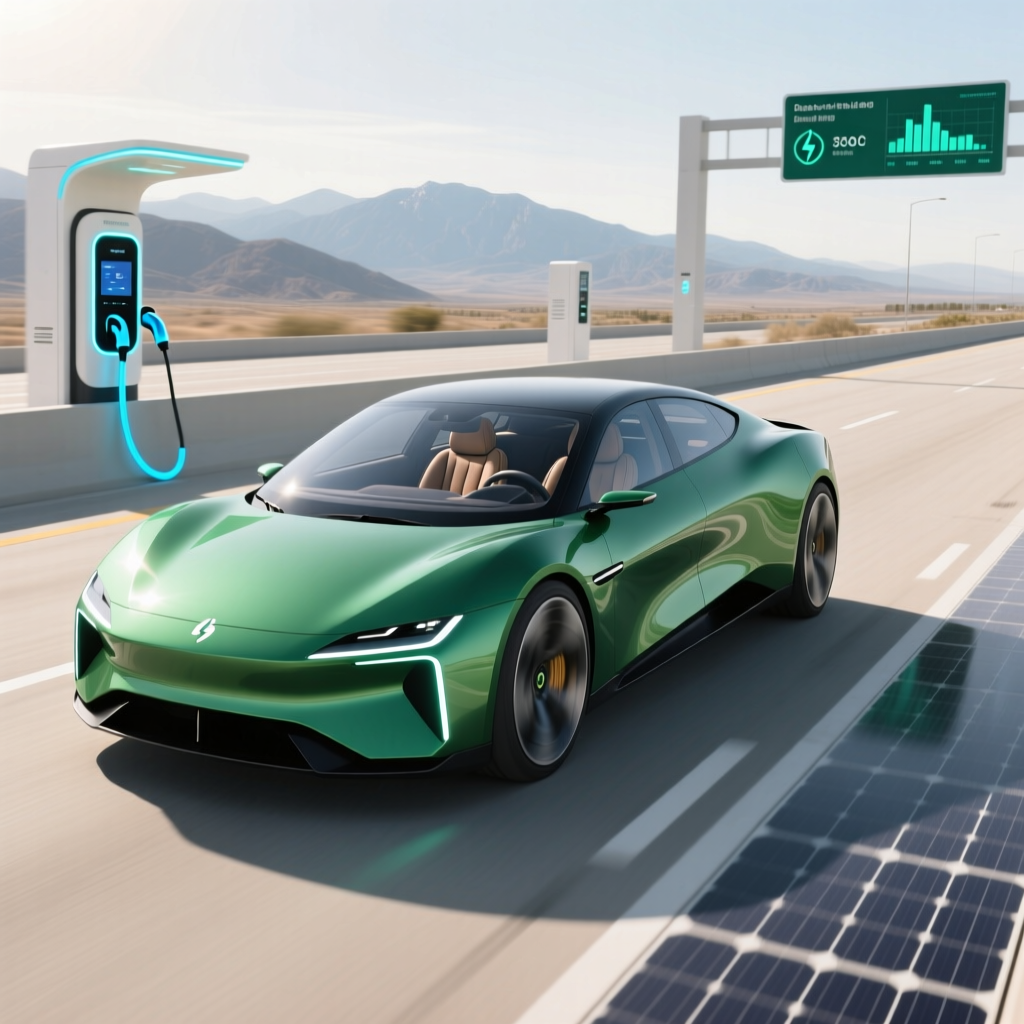
A large battery is only as useful as your ability to replenish it quickly. The conversation surrounding EV charging has rightfully shifted from peak charging speeds to average charging speeds and the overall charging curve. Many manufacturers advertise a "peak" charging rate of 250 kW or even 350 kW, but this number is often only sustained for a brief window when the battery's State of Charge (SoC) is between 10% and 20%. As the battery fills, the Battery Management System (BMS) intentionally restricts current to protect the cells from overheating and degradation.
The most advanced vehicles on the market today utilize 800-volt electrical architectures, a significant upgrade from the older 400-volt systems. An 800V system allows the vehicle to accept higher power levels with lower current, reducing heat generation and enabling thicker, more sustained charging curves. Vehicles built on these modern platforms can routinely charge from 10% to 80% in under 20 minutes when connected to a capable 350 kW DC fast charger. Furthermore, battery preconditioning—where the vehicle's navigation system automatically warms or cools the battery pack as you approach a charging station—is now a critical feature. Without proper preconditioning, a cold battery will severely limit charging speeds, regardless of the charger's maximum output.
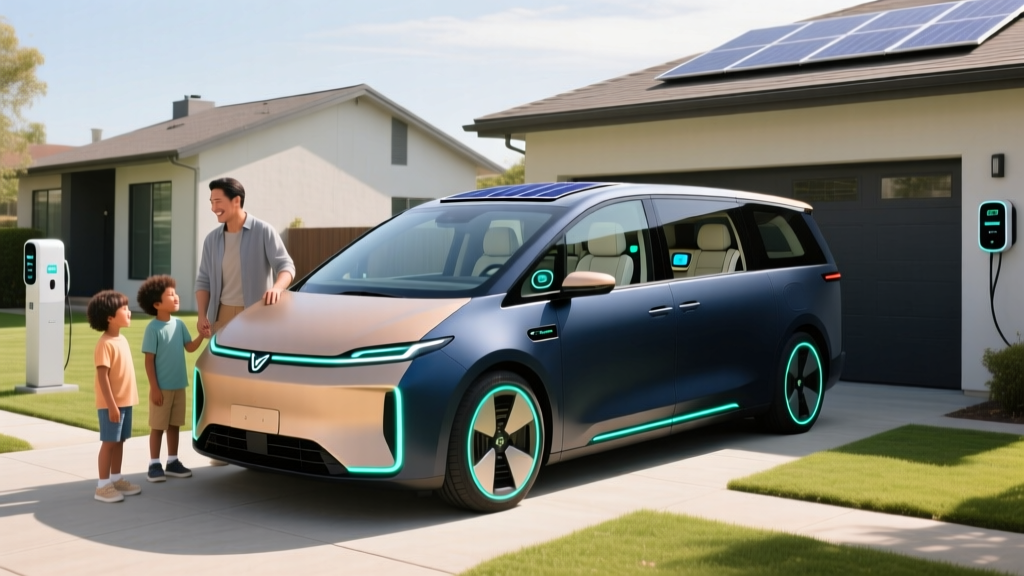
Infrastructure compatibility is another vital consideration. The industry is currently undergoing a massive standardization shift toward the North American Charging Standard (NACS). While many newer vehicles come equipped with native NACS ports, others still utilize the Combined Charging System (CCS) or rely on adapters. For a deeper dive into network reliability, connector types, and home setup recommendations, be sure to read our comprehensive charging guides. Home charging remains the cornerstone of the EV experience; installing a Level 2 (240-volt) wall connector allows most drivers to wake up to a "full tank" every morning, rendering public charging networks a necessity only for long-distance travel.
Interior, Comfort & Technology
Stepping inside the latest electric vehicles reveals a paradigm shift in automotive interior design. The absence of a massive internal combustion engine and a traditional transmission tunnel allows designers to push the wheels to the corners, maximizing interior cabin space and creating flat floors. This "skateboard" platform architecture results in surprisingly spacious cabins, even in compact exterior footprints, offering generous legroom and innovative storage solutions like front trunks (frunks).
Technology is the defining characteristic of the modern EV interior. The industry has largely embraced the "software-defined vehicle" concept, where massive, high-resolution touchscreens serve as the central hub for nearly all vehicle controls. While minimalist designs reduce visual clutter and manufacturing complexity, they can sometimes lead to frustrating user experiences when basic functions like climate control or windshield wiper adjustments are buried in digital submenus. Fortunately, a growing number of automakers are listening to consumer feedback and reintroducing tactile, physical controls for critical functions.
Over-the-air (OTA) software updates are a hallmark of the current EV generation. Unlike traditional vehicles that remain static from the moment they leave the dealership lot, modern EVs can receive remote software downloads that improve battery efficiency, unlock new infotainment features, refine advanced driver assistance systems (ADAS), and even enhance acceleration. In the realm of ADAS, the latest models feature sophisticated sensor suites utilizing a combination of high-definition cameras, radar, and, in some premium models, LiDAR. These systems enable highly capable adaptive cruise control, lane-centering, and automated lane-change features, significantly reducing driver fatigue on long highway journeys.
Driving Dynamics & Performance
The driving experience of an electric vehicle is fundamentally different from that of a gas-powered car, primarily due to the instantaneous delivery of torque. Without the need to wait for engine RPMs to build or for a transmission to downshift, EVs offer visceral, neck-snapping acceleration from a standstill. Even base models with single-motor, rear-wheel-drive configurations often outpace their gasoline counterparts in 0-60 mph sprints and city-driving responsiveness.
However, the placement of a heavy battery pack along the floor of the vehicle presents a unique set of engineering challenges and advantages. On the positive side, this layout grants EVs an exceptionally low center of gravity, which drastically reduces body roll during cornering and enhances overall stability. On the negative side, the sheer curb weight of modern EVs—often exceeding 5,000 pounds for SUVs and trucks—places immense stress on suspension components and tires. Automakers have had to develop specialized, high-load tires with reinforced sidewalls and unique rubber compounds to handle the weight and instant torque while minimizing rolling resistance and road noise.
Regenerative braking is another cornerstone of EV driving dynamics. By using the electric motors to slow the vehicle and recapture kinetic energy back into the battery, drivers can utilize "one-pedal driving" in many scenarios. This not only maximizes efficiency but also significantly reduces wear on the traditional friction brakes. It is not uncommon for EV owners to report original brake pads lasting well over 100,000 miles, as the mechanical brakes are rarely engaged during daily commuting.
Ownership Costs & Value
Evaluating the total cost of ownership (TCO) is essential when shopping for an electric vehicle. While the initial purchase price of an EV can sometimes be higher than a comparable internal combustion engine (ICE) vehicle, the long-term operational savings frequently tip the scales in favor of electrification. Electricity costs are generally much lower and more stable than gasoline prices. According to data from the U.S. Department of Energy, charging an EV at home can equate to paying roughly $1.00 to $1.50 per gallon of gasoline, depending on local utility rates.
Maintenance costs are also substantially lower. EVs do not require oil changes, spark plug replacements, timing belt services, or exhaust system repairs. The reduction in moving parts translates to fewer things that can break, saving owners significant time & money over the lifespan of the vehicle. Furthermore, federal, state, and local tax incentives and rebates can dramatically reduce the effective purchase price, making many EVs highly competitive right off the showroom floor.
Depreciation has historically been a pain point for early EV adopters, driven by rapid advancements in battery tech and aggressive price cuts by major manufacturers. However, as the market stabilizes and battery longevity is proven, residual values are becoming more predictable. Most manufacturers back their battery packs and electric drive units with robust warranties, typically covering 8 years or 100,000 miles, providing immense peace of mind for first and second-hand buyers. To see how specific models stack up against their direct rivals in terms of value and performance, explore our detailed head-to-head EV comparisons.
Pros & Cons of the Latest EV Lineup
To summarize our findings across the current landscape of electric vehicles, we have compiled the overarching advantages and disadvantages that apply to the modern EV market as a whole.
Pros
- Instant Torque & Performance: Unmatched acceleration and smooth, silent power delivery across all speed ranges.
- Lower Operating Costs: Significant savings on fuel and routine maintenance compared to traditional gas vehicles.
- Convenient Home Charging: The ability to start every day with a full charge without visiting a gas station.
- Advanced Technology: Continuous improvement through OTA updates and cutting-edge infotainment and safety features.
- Environmental Impact: Zero tailpipe emissions and a shrinking carbon footprint as the power grid incorporates more renewable energy.
Cons
- Charging Infrastructure Gaps: Public charging networks can still be unreliable or sparse in rural and remote areas.
- High Initial Purchase Price: Despite incentives, the upfront cost of long-range EVs remains a barrier for some budgets.
- Weight & Tire Wear: Heavy battery packs lead to increased tire consumption and higher replacement costs.
- Cold Weather Range Loss: Sub-freezing temperatures can temporarily reduce total driving range by 20% or more.
- Long Road Trip Planning: Highway travel requires careful route planning to accommodate 20- to 30-minute charging stops.
Key Specifications Comparison Table
Below is a comparative look at three distinct archetypes representing the current generation of electric vehicles: a highly efficient midsize crossover, a luxury performance sedan, and a capable full-size electric truck. These figures represent typical EPA estimates and manufacturer specifications for the latest available trims.
| Feature | Midsize Crossover EV | Performance Sedan EV | Full-Size Electric Truck |
|---|---|---|---|
| Drivetrain | Dual Motor AWD | Tri-Motor AWD | Dual Motor AWD |
| Battery Capacity | 77.4 kWh (NMC) | 100 kWh (NMC) | 131 kWh (NMC) |
| EPA Est. Range | 290 - 310 miles | 340 - 390 miles | 270 - 320 miles |
| Peak Charging Speed | 240 kW (800V) | 250 kW (400V) | 170 kW (400V) |
| 10-80% Charge Time | ~18 minutes | ~28 minutes | ~41 minutes |
| 0-60 MPH | 4.5 seconds | 2.1 seconds | 4.2 seconds |
| Towing Capacity | 2,000 lbs | N/A | 10,000 lbs |
| Starting MSRP | $45,000 | $85,000 | $75,000 |
Frequently Asked Questions
How long do electric vehicle batteries actually last?
Modern EV batteries are engineered for exceptional longevity. While early generations of electric vehicles experienced noticeable degradation within the first few years, current liquid-cooled battery packs are designed to last the lifetime of the vehicle. Most manufacturers guarantee that the battery will retain at least 70% to 80% of its original capacity for 8 years or 100,000 miles. Real-world data from high-mileage fleet vehicles and ride-share drivers indicates that many NMC and LFP battery packs can easily surpass 150,000 to 200,000 miles before requiring replacement or experiencing significant range loss.
Is it bad to charge my EV to 100% every day?
The answer depends entirely on the battery chemistry of your specific vehicle. If your EV is equipped with a Nickel Manganese Cobalt (NMC) battery, it is generally recommended to set your daily charging limit to 80% or 90% to preserve long-term battery health, reserving the 100% charge only for long road trips. However, if your vehicle features a Lithium Iron Phosphate (LFP) battery, manufacturers actually recommend charging to 100% at least once a week. This allows the Battery Management System (BMS) to accurately calibrate the cells and balance the voltage across the pack.
Do electric vehicles cost more to insure than gas cars?
Historically, EVs have carried slightly higher insurance premiums compared to their internal combustion counterparts. This is primarily due to the higher initial purchase price, the specialized labor required for high-voltage system repairs, and the cost of replacing a battery pack in the event of a severe collision. However, as EVs become more common and repair networks expand, the insurance gap is rapidly closing. Many major insurance providers now offer specific "green vehicle" discounts, and the lower likelihood of engine-related fires or mechanical failures can sometimes offset the higher repair costs.
What happens if I run out of charge on the road?
Running out of charge is a rare occurrence for drivers who utilize their vehicle's built-in navigation and route-planning software. Modern EVs are incredibly accurate at predicting range based on elevation changes, weather, and driving habits, and will proactively route you through functioning charging stations. If you do manage to deplete the battery completely, the vehicle will safely enter a low-power "turtle mode" and eventually come to a stop. Unlike a gas car where a friend can bring a jerrycan of fuel, an EV will require a flatbed tow truck to transport it to the nearest DC fast charger or your home Level 2 setup. Some premium roadside assistance programs now offer mobile charging trucks that can provide a 10-mile emergency boost on the spot.
Can I tow a trailer with an electric vehicle?
Yes, many modern electric SUVs and trucks are highly capable tow vehicles, offering immense low-end torque that makes pulling heavy loads feel effortless. However, towing has a dramatic impact on an EV's range. Because trailers destroy aerodynamic efficiency and add significant rolling resistance, you can expect your vehicle's total range to drop by 40% to 60% when towing near the maximum capacity. While electric trucks are excellent for towing boats or campers to local destinations, long-distance highway towing in an EV requires meticulous planning and frequent stops at high-speed DC fast chargers.