Electric Vehicle Reviews: Comprehensive Analysis of the Current Market Leaders
The automotive landscape has undergone a seismic shift with the widespread adoption of electric mobility. At Auto Edge View, we understand that transitioning from an internal combustion engine to a battery electric vehicle (BEV) requires careful consideration. Our comprehensive electric vehicle reviews are designed to cut through the marketing noise, providing you with data-driven, real-world insights into the current market leaders. Whether you are looking for a family hauler, a daily commuter, or a weekend adventure rig, understanding the nuances of modern EVs is critical.
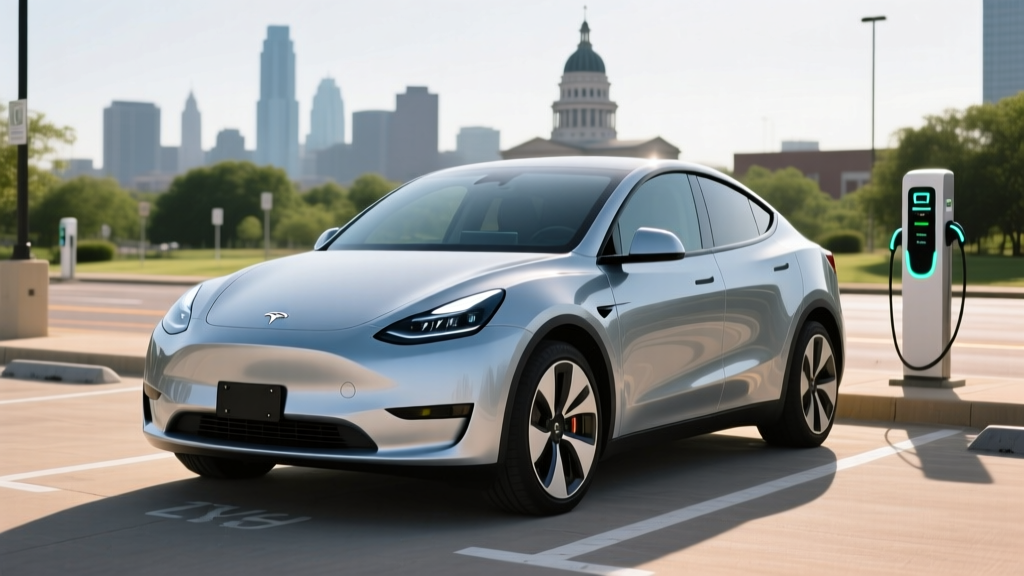
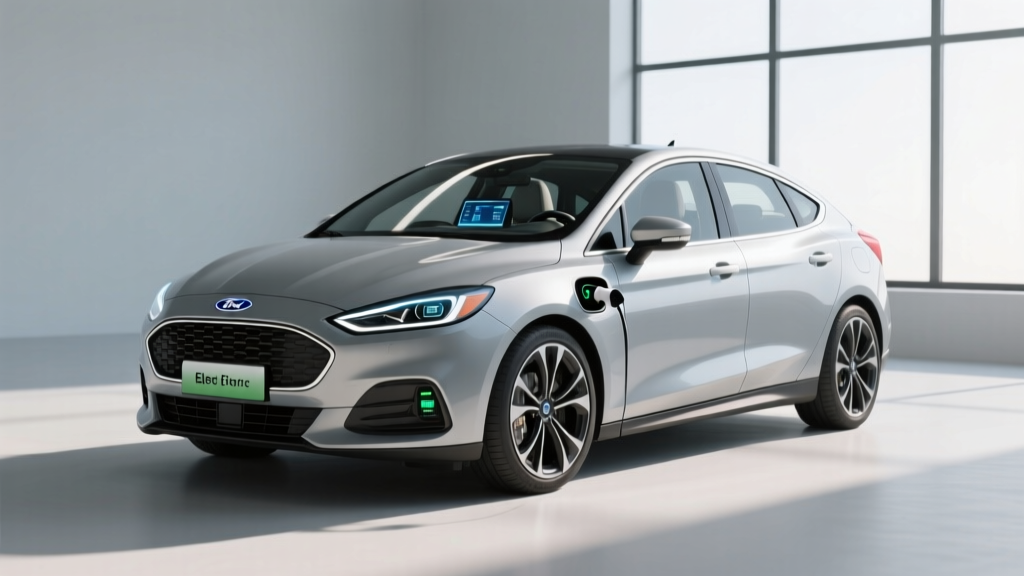
In this extensive review hub, we focus on the benchmark models that define the current generation of electric transportation, specifically the mid-size crossover segment. Vehicles like the Hyundai Ioniq 5, Tesla Model Y, and Ford Mustang Mach-E represent the pinnacle of current mass-market EV engineering. We will dissect their real-world capabilities, technological advancements, and long-term viability to help you make an informed decision. For a broader look at the market, be sure to explore our curated list of the best electric SUVs currently available.
Vehicle Overview: The Current EV Landscape
The current generation of electric vehicles has largely moved past the early-adopter phase and into mainstream viability. The skateboard chassis architecture—where the battery pack is integrated into the floor of the vehicle—has become the industry standard. This design choice maximizes interior cabin space, lowers the center of gravity, and improves overall structural rigidity. The mid-size electric crossover segment is currently the most fiercely contested battleground in the automotive industry, offering consumers a blend of practicality, range, and performance.
Models built on 800-volt architectures, such as those from the Hyundai Motor Group, have set new benchmarks for charging speeds, while legacy tech giants like Tesla continue to dominate in software integration and proprietary charging infrastructure. Meanwhile, legacy automakers like Ford and Volkswagen are leveraging their manufacturing scale to produce compelling alternatives with traditional automotive ergonomics. When evaluating these vehicles, it is essential to look beyond the brochure specifications and examine how they perform in the hands of everyday drivers. Our Tesla vs Hyundai comparison offers a deeper dive into the contrasting philosophies of these industry titans.
Real-World Range and Efficiency
Range anxiety remains one of the most cited concerns among prospective EV buyers, but the current crop of vehicles has largely mitigated this issue for daily driving. However, there is often a notable discrepancy between the official EPA Fuel Economy estimates and real-world highway testing. The EPA testing cycle includes a mix of city and highway driving, which heavily favors EVs due to the efficiency of regenerative braking in stop-and-go traffic.
In independent real-world highway tests conducted at sustained speeds of 70 mph, many current EVs fall short of their EPA estimates by 10% to 15%. Aerodynamic drag increases exponentially at higher speeds, and without the benefit of regenerative braking on open highways, the battery is under constant load. Furthermore, environmental factors play a massive role in battery efficiency. In freezing temperatures, an EV can lose up to 30% of its total range. This is primarily due to the energy required to heat the cabin and bring the battery cells up to their optimal operating temperature.
Vehicles equipped with a dedicated heat pump, such as the latest iterations of the Hyundai Ioniq 5 and Tesla Model Y, fare significantly better in cold weather than those relying on traditional resistive heating. The heat pump scavenges ambient heat from the outside air and the vehicle’s drivetrain components, drastically reducing the energy draw from the main battery pack. For buyers in colder climates, selecting a vehicle with a heat pump and a larger battery capacity is highly recommended to ensure year-round usability.
Charging Speed and Infrastructure
While total range dictates how far you can go, charging speed dictates how long you have to wait when you stop. The current EV market is divided between traditional 400-volt architectures and the newer, more advanced 800-volt systems. Vehicles utilizing 800-volt platforms can accept significantly higher peak charging rates, often exceeding 230 kW on compatible DC fast chargers. This allows for a 10% to 80% state of charge (SoC) replenishment in under 20 minutes under optimal conditions.
However, peak charging speed is only part of the equation. The charging curve—the rate at which the battery accepts power as it fills up—is equally important. Many EVs boast impressive peak numbers but throttle charging speeds aggressively once the battery reaches 50% capacity to protect cell longevity. Independent testing shows that vehicles with superior thermal management systems maintain a flatter, more consistent charging curve, resulting in faster overall charging times from 10% to 80%.
Another critical factor is the charging connector standard. The industry is currently undergoing a massive transition toward the North American Charging Standard (NACS), pioneered by Tesla. Automakers that previously relied on the Combined Charging System (CCS) are adopting NACS for future vehicles, granting them access to the expansive and highly reliable Supercharger network. For current owners of CCS-equipped vehicles, adapter solutions are becoming widely available. For a complete breakdown of setting up your own charging oasis, read our comprehensive home charging guide.
Interior Technology and Comfort
The interior of a modern electric vehicle is often defined by its departure from traditional automotive design. With no need to accommodate a transmission tunnel or a bulky engine block, designers have pushed the wheels to the corners, creating exceptionally spacious cabins with flat floors. This “living room on wheels” concept is evident in models that offer reclining front seats with footrests, designed specifically for use while the vehicle is charging.
Infotainment systems and digital interfaces are the focal points of the modern EV cabin. Tesla’s minimalist approach routes nearly all vehicle controls, including climate and mirror adjustments, through a central touchscreen. While this reduces visual clutter, it can be a distraction while driving. Conversely, legacy automakers have begun to push back against touchscreen-only interfaces, reintroducing physical toggle switches and haptic feedback buttons for essential functions like volume, temperature, and drive mode selection.
Advanced Driver Assistance Systems (ADAS) have also become a major differentiator. Features like adaptive cruise control, lane centering, and automated lane changes are standard on most premium EVs. Over-the-air (OTA) software updates ensure that the vehicle’s technology stack continues to evolve long after it leaves the dealership lot, frequently introducing new UI features, optimizing battery management, and refining ADAS algorithms. Furthermore, the use of sustainable materials, such as vegan leather, recycled PET plastics, and natural fiber composites, has become a staple in current EV interiors, appealing to environmentally conscious consumers.
Driving Dynamics and Performance
The driving dynamics of an electric vehicle are fundamentally different from those of a gas-powered car. The instant torque delivery from electric motors provides exhilarating off-the-line acceleration, making even base-model EVs feel remarkably quick in urban environments. The placement of the heavy battery pack beneath the floor grants EVs a remarkably low center of gravity, which significantly reduces body roll during cornering.
However, the sheer weight of the battery packs—often adding 1,000 pounds or more compared to equivalent internal combustion vehicles—presents unique engineering challenges. Suspension components must be heavily reinforced to handle the increased mass, and manufacturers often rely on adaptive dampers to balance ride comfort with handling prowess. On smooth pavement, the low center of gravity and sound-deadening properties of the battery enclosure result in a remarkably serene and planted ride. Yet, on broken or undulating roads, the unsprung weight can cause the suspension to crash over sharp impacts, leading to a harsher ride quality in some poorly optimized models.
Regenerative braking is another defining characteristic of the EV driving experience. Most current models offer adjustable regen profiles, ranging from a coasting mode that mimics a traditional gas car to a “one-pedal driving” mode that brings the vehicle to a complete stop simply by lifting off the accelerator. Mastering one-pedal driving not only reduces brake pad wear but also maximizes energy recapture, further extending the vehicle’s efficiency in city driving conditions.
Ownership Costs and Value
Evaluating the total cost of ownership (TCO) is crucial when reviewing electric vehicles. While the initial purchase price of an EV can be higher than a comparable gas-powered car, the long-term operational costs often tip the scales in favor of electricity. The cost per mile to charge an EV at home is typically a fraction of the cost of gasoline, though this varies heavily depending on local utility rates and the availability of time-of-use pricing plans.
Maintenance costs are significantly lower for EVs. Without an internal combustion engine, there are no oil changes, spark plugs, timing belts, or exhaust system repairs to worry about. Regenerative braking also drastically extends the life of the friction brake pads and rotors. However, prospective owners must factor in tire wear. The combination of heavy vehicle weight and instant torque means that EVs tend to wear through tires 20% to 30% faster than their gas counterparts, necessitating the purchase of specialized, low-rolling-resistance EV tires.
Depreciation has historically been a weak point for electric vehicles, driven by rapid advancements in battery technology and frequent price cuts by major manufacturers. However, as the market matures and battery degradation data proves the longevity of modern cells, residual values are beginning to stabilize. Additionally, taking advantage of current federal and state EV tax credits can significantly offset the initial capital outlay, improving the overall value proposition of the vehicle.
Pros and Cons of the Current EV Lineup
To summarize our extensive testing and analysis, here are the primary advantages and disadvantages of the current generation of mainstream electric vehicles.
- Pros:
- Instantaneous torque and smooth, silent acceleration.
- Significantly lower routine maintenance requirements.
- Expansive interior space due to skateboard chassis packaging.
- Access to HOV lanes and various local tax incentives.
- Continuous improvement via over-the-air software updates.
- Cons:
- Highway and cold-weather range falls short of EPA estimates.
- Increased tire wear due to heavy vehicle mass and torque.
- Public charging infrastructure reliability remains inconsistent in rural areas.
- Higher initial purchase price and insurance premiums.
- Heavy reliance on touchscreens for basic climate and vehicle controls.
Key Specifications Comparison Table
Below is a comparison of the key specifications for three of the most popular electric crossovers on the market today. Data reflects the most current long-range, all-wheel-drive configurations available.
| Specification | Hyundai Ioniq 5 (AWD) | Tesla Model Y (Long Range) | Ford Mustang Mach-E (AWD) |
|---|---|---|---|
| EPA Estimated Range | 290 miles | 311 miles | 290 miles |
| Battery Capacity (Usable) | 77.4 kWh | 78.1 kWh | 88.0 kWh |
| Peak DC Fast Charging | ~235 kW (800V) | ~250 kW (400V) | ~150 kW (400V) |
| 0-60 mph Acceleration | 4.5 seconds | 4.8 seconds | 5.1 seconds |
| ADAS & Safety Rating | IIHS Top Safety Pick+ | IIHS Top Safety Pick | IIHS Top Safety Pick |
Note: For the most up-to-date safety crash test results, always refer to the official IIHS safety ratings database.
Frequently Asked Questions
How long do electric vehicle batteries actually last?
Modern lithium-ion battery packs are engineered for exceptional longevity. Current data indicates that most liquid-cooled EV batteries will retain between 80% and 90% of their original capacity after 100,000 to 150,000 miles of driving. Manufacturers typically back their high-voltage batteries with warranties covering 8 years or 100,000 miles, guaranteeing that the battery will not degrade below 70% capacity during that period. Proper charging habits, such as limiting daily charging to 80% and avoiding frequent DC fast charging, can further extend battery health.
Is it necessary to install a Level 2 home charger?
While you can technically charge an EV using a standard 120-volt household outlet (Level 1), it only provides about 3 to 5 miles of range per hour of charging. For daily driving needs, installing a 240-volt Level 2 home charging station is highly recommended. A Level 2 charger delivers between 25 and 44 miles of range per hour, ensuring your vehicle is fully replenished overnight. It also allows you to take advantage of off-peak utility rates and precondition your cabin while plugged in, saving battery power for the road.
How do EVs perform in extreme cold weather?
Cold weather is the natural enemy of battery chemistry. In freezing temperatures, the electrolyte inside the battery becomes sluggish, increasing internal resistance and reducing the battery’s ability to accept and discharge power efficiently. Combined with the energy required to heat the cabin, an EV can experience a range reduction of 20% to 30%. Vehicles equipped with a heat pump and battery preconditioning features mitigate these losses significantly, making them far more suitable for winter climates.
What is the difference between NACS and CCS charging connectors?
The Combined Charging System (CCS) has been the standard for most non-Tesla EVs in North America, utilizing a bulky connector with two large DC pins at the bottom. The North American Charging Standard (NACS), developed by Tesla, is significantly smaller, lighter, and integrates both AC and DC charging into a single, streamlined plug. Due to the superior reliability and vast coverage of the Tesla Supercharger network, nearly all major automakers are transitioning to NACS for their future vehicles, effectively making it the new industry standard.
Do electric vehicles cost more to insure than gas cars?
On average, electric vehicles tend to carry slightly higher insurance premiums than their internal combustion counterparts. This is primarily due to the higher initial purchase price, the specialized labor required for high-voltage repairs, and the cost of replacing the battery pack in the event of a severe collision. However, as EVs become more common and mechanics become more trained in high-voltage systems, insurance rates are gradually normalizing. It is always recommended to pull insurance quotes for specific models before making a final purchasing decision.
Navigating the electric vehicle market requires a keen understanding of how these machines operate in the real world, far beyond the confines of a dealership test drive. By evaluating range efficiency, charging infrastructure, and long-term ownership costs, you can confidently select the EV that best aligns with your lifestyle and driving habits. Stay tuned to Auto Edge View for continuous updates, deep-dive comparisons, and the latest news in the rapidly evolving world of electric mobility.