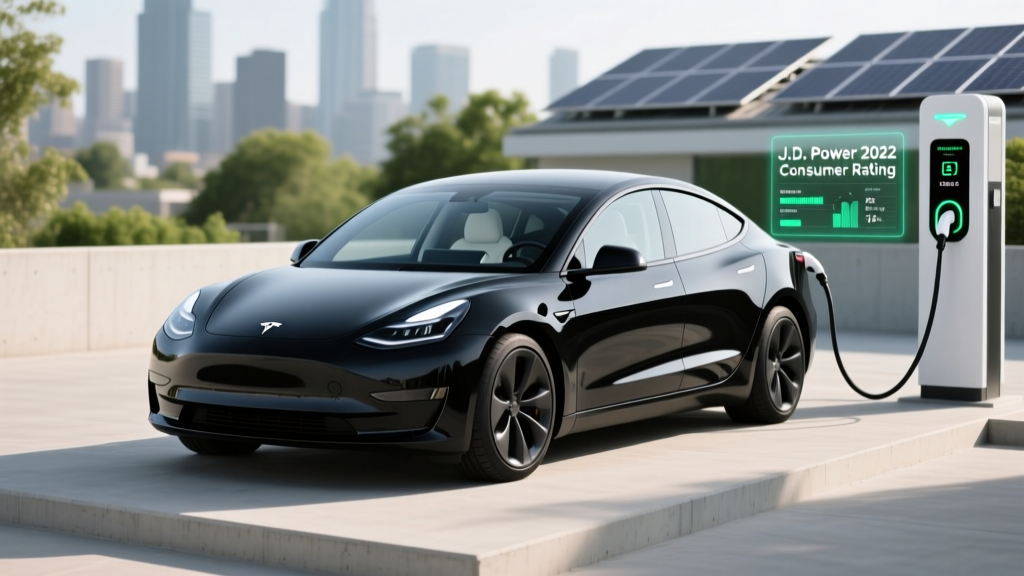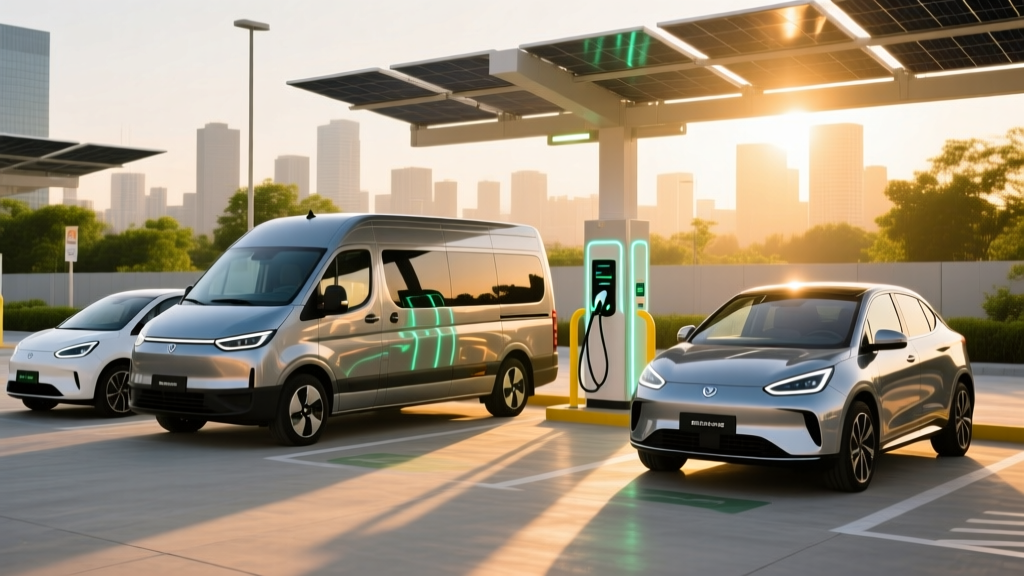
Switching to an electric vehicle fleet isn't a plug-and-play decision — it's a capital-intensive operational shift that can cut per-mile fuel costs by 50-70% while introducing new infrastructure, training, and scheduling demands. For most fleets covering 30+ miles per day with predictable routes and depot charging access, battery-electric models now deliver lower total cost of ownership (TCO) than gasoline equivalents within 3-5 years. But fleets operating in extreme cold, covering 200+ daily miles without mid-day charging, or lacking three-phase power at their depot face a harder math problem that hybrids or phased adoption may solve more practically.
Quick Answer: Is an EV Fleet Right for You?
An electric vehicle fleet makes financial sense if your vehicles average 30-150 miles/day, return to a central depot nightly, and you can install Level 2 (7-19 kW) or DC fast charging on-site. Expect 2-5 years to break even on the higher upfront purchase price through fuel and maintenance savings, depending on local electricity rates and available tax incentives. For routes exceeding 200 miles/day or operating in sub-20°F climates, plug-in hybrids (PHEVs) remain the lower-risk entry point.
The Real Economics: EV Fleet vs Gas Fleet in 2026
The headline advantage of fleet electrification is operating cost. The U.S. Energy Information Administration reports a national average electricity price of roughly $0.17/kWh for commercial customers in early 2026, while the national average for regular unleaded gasoline sits around $3.40/gallon. For a typical fleet vehicle driven 15,000 miles annually, the math breaks down decisively.
| Cost Factor | EV (e.g., Ford E-Transit) | Gas (e.g., Ford Transit) | Annual Savings |
|---|---|---|---|
| Fuel/Energy | $765 (at 2.2 kWh/mi, $0.17/kWh) | $3,400 (at 17 MPG, $3.40/gal) | $2,635 |
| Maintenance | $450 (no oil, fewer brake jobs) | $1,200 (oil, filters, brakes) | $750 |
| Insurance | $1,850 (higher premiums typical) | $1,500 | -$350 |
| Annual Operating Total | $3,065 | $6,100 | $3,035 |
That's roughly $3,000/year per vehicle in operating savings. Over a 10-vehicle fleet, that's $30,000 annually — enough to offset the EV purchase premium in 3-5 years before factoring in tax credits. However, EV insurance premiums run 15-25% higher than gas equivalents due to higher repair costs and battery replacement risk, and this gap has persisted through 2025-2026.
Vehicle Options: What's Available for Fleet Buyers
The commercial EV market in 2026 offers credible options across van, light-duty truck, and sedan segments. Here's what fleet managers are actually ordering:
| Model | EPA Range | Battery (kWh) | Peak DC Charge | 10-80% Time | Base MSRP | §30D / 45W Credit Eligibility |
|---|---|---|---|---|---|---|
| Ford E-Transit (Cargo Van) | 126 mi | 68 kWh (NMC) | 115 kW | ~45 min | $47,500 | Commercial Clean Vehicle Credit (45W), up to $7,500 |
| BrightDrop Zevo 600 | 250 mi | 165 kWh (NMC) | 150 kW | ~60 min | $95,000 | 45W credit, up to $40,000 (GVWR >14,000 lbs) |
| Chevrolet Silverado EV (WT) | 450 mi | 200 kWh (NMC) | 350 kW | ~20 min | $55,000 | §30D ($7,500) or 45W depending on use |
| Tesla Model Y (LR AWD) | 310 mi | 75 kWh (NMC) | 250 kW | ~25 min | $44,990 | §30D eligible; income & sourcing rules apply |
| Ford F-150 Lightning (XLT) | 240 mi | 98 kWh (NMC) | 150 kW | ~41 min | $54,995 | §30D ($7,500); MSRP cap $80k for trucks |
Real-World Range Reality for Fleets
EPA range numbers assume moderate temperatures, mixed driving, and no cargo load. In practice, fleet operators should budget for:
- Highway driving at 70 mph: subtract 15-20% from EPA range
- Cold weather (below 32°F): subtract 20-35% (cabin heating and battery resistance)
- Full payload / towing: subtract 20-40% depending on weight
- Battery aging (year 5+): subtract 10-15% as degradation accumulates
A Ford E-Transit rated at 126 miles EPA may deliver only 80-95 miles on a cold winter day with a full cargo load. Plan routes to the worst-case range, not the sticker.
Charging Infrastructure: The Make-or-Break Factor
The vehicles are only half the equation. Depot charging infrastructure is where most fleet electrification projects succeed or stall. A fleet of 10 EVs returning nightly needs reliable, managed charging — not 10 simultaneous Level 2 sessions tripping your panel.
| Charging Level | Power (kW) | Miles Added/Hour | Best For | Approx. Installed Cost Per Port |
|---|---|---|---|---|
| Level 2 (240V, 32A) | 7.7 kW | 20-25 mi/hr | Overnight depot charging (vans, sedans) | $3,000-$7,000 |
| Level 2 (240V, 80A) | 19.2 kW | 50-60 mi/hr | Fast overnight or mid-day top-ups | $5,000-$12,000 |
| DC Fast (Level 3) | 50-150 kW | 150-400 mi/hr | Mid-day rapid charging, high-utilization routes | $40,000-$100,000+ |
For a 10-vehicle fleet, expect to spend $30,000-$70,000 on Level 2 infrastructure (equipment, trenching, electrical upgrades, permits) before the first vehicle arrives. Smart charging management software — from providers like ChargePoint, EV Connect, or AmpX — can stagger charging sessions to avoid demand charges from your utility, potentially saving $2,000-$5,000/month in peak-demand fees.
If your depot lacks three-phase power or has an older 200A service panel, a panel upgrade to 400A-800A can add $15,000-$50,000 to your project. Consult a licensed commercial electrician early — this is often the longest lead-time item.
Federal Tax Credits & Incentives for Commercial Fleets
The IRS Commercial Clean Vehicle Credit (IRC §45W) is the primary federal incentive for fleet purchases. Unlike the consumer §30D credit, §45W has no MSRP caps, no buyer income limits, and no battery-sourcing requirements. Key parameters for 2026:
- Light-duty vehicles (GVWR <14,000 lbs): up to $7,500 per vehicle
- Heavy-duty vehicles (GVWR ≥14,000 lbs): up to $40,000 per vehicle
- Credit amount: lesser of 15% of vehicle cost (30% if not tax-exempt) or the incremental cost over a comparable gas vehicle
- Eligibility: vehicle must be manufactured by a qualified OEM, meet battery component and critical mineral thresholds (phasing in through 2026), and be placed in service for business use
- Transferability: unlike §30D, §45W cannot be transferred at point of sale — it is claimed on your business tax return
- No per-manufacturer cap (unlike the old §30D cap that phased out Tesla/GM)
Additionally, the Alternative Fuel Vehicle Refueling Property Credit (§30C) covers 30% of charging infrastructure costs, up to $100,000 per item, for equipment placed in service in eligible census tracts. Many states and utilities layer additional rebates on top — check the Alternative Fuels Data Center for your state's programs.
Total Cost of Ownership: 5-Year Fleet Projection
Let's model a realistic 5-year TCO for a 10-vehicle fleet comparing Ford E-Transit (EV) vs Ford Transit 250 (gas), assuming 15,000 miles/year per vehicle.
| Cost Category | EV Fleet (10× E-Transit) | Gas Fleet (10× Transit 250) | Difference |
|---|---|---|---|
| Purchase Price (MSRP × 10) | $475,000 | $400,000 | +$75,000 |
| Federal Tax Credit (45W) | -$75,000 | $0 | -$75,000 |
| Charging Infrastructure (Level 2, 10 ports) | $55,000 | $0 | +$55,000 |
| Fuel/Energy (5 years) | $38,250 | $170,000 | -$131,750 |
| Maintenance (5 years) | $22,500 | $60,000 | -$37,500 |
| Insurance (5 years) | $92,500 | $75,000 | +$17,500 |
| Residual Value (year 5 estimate) | -$150,000 | -$140,000 | +$10,000 |
| Net 5-Year Cost | $458,250 | $565,000 | EV saves ~$106,750 |
Under these assumptions, the EV fleet breaks even around year 3 and saves over $100,000 across five years. Sensitivities that could flip this result: electricity rates above $0.25/kWh, route changes pushing vehicles beyond reliable range, or battery out-of-warranty replacements needed in years 6-8 (though Ford's commercial EV battery warranty covers 8 years/100,000 miles at 70% capacity retention).
Common Fleet Electrification Myths — Addressed
| Myth | Fact |
|---|---|
| "EVs don't have enough range for our routes" | 75% of U.S. commercial fleet vehicles drive fewer than 100 miles/day (BTS data). The E-Transit's 126-mile EPA range covers most urban delivery routes; the Silverado EV's 450-mile range handles regional routes. |
| "Charging takes too long" | Overnight Level 2 depot charging fully replenishes most fleet EVs in 6-10 hours — vehicles are parked anyway. DC fast charging adds 150+ miles in 30 minutes for mid-day needs. |
| "Batteries will need replacing every few years" | Modern NMC batteries retain 85-90% capacity at 100,000 miles based on fleet data from early adopters. All major OEMs warranty 8 years/100,000 miles minimum. Full replacement (rare) costs $15,000-$30,000 depending on pack size. |
| "Cold weather makes EVs impractical" | Cold reduces range 20-35% — real, but manageable with route planning and battery preconditioning. Fleets in Minnesota and Norway operate EVs year-round with adjusted expectations. |
| "We can't afford the upfront cost" | The §45W credit offsets up to $7,500-$40,000 per vehicle. Combined with utility rebates and lower operating costs, most fleets reach TCO parity in 3-5 years. Leasing and financing programs from Ford Pro and GM Business further reduce upfront exposure. |
Decision Framework: EV, PHEV, or Stick with Gas?
Choose Battery-Electric (BEV) If:
- Vehicles drive 30-150 miles/day on predictable routes
- You have depot or yard space for overnight Level 2 charging
- Your local commercial electricity rate is below $0.20/kWh
- Vehicles return to base nightly (no overnight street parking)
- You plan to hold vehicles 4+ years (to capture TCO advantage)
Choose Plug-In Hybrid (PHEV) If:
- Daily routes vary wildly (20-200+ miles)
- You lack depot charging or can't install it affordably
- Extreme cold (below 0°F) is routine and range loss is unacceptable
- You want to reduce fuel consumption 30-50% without full infrastructure investment
- Vehicles occasionally tow or carry heavy loads beyond EV range reliability
Stay with Gas/Diesel (For Now) If:
- Routes regularly exceed 250 miles/day without return-to-base
- You operate in rural areas with no public DC fast charging access
- Vehicles are specialty upfits (crane trucks, reefers) with no EV equivalent yet
- Your fleet is 2-3 years from natural replacement cycle — wait for better EV options and lower battery costs
First Steps for Fleet Managers Considering EVs
- Audit your routes: Pull 90 days of telematics or GPS data. What's the average and maximum daily mileage per vehicle? What percentage of days exceed 120 miles?
- Assess your electrical service: Contact your utility for a commercial site assessment. Ask about three-phase availability, panel capacity, and demand-charge structures.
- Pilot with 2-3 vehicles: Don't electrify the entire fleet at once. Start with your shortest, most predictable routes and expand based on real data.
- Model your TCO with local numbers: Use your actual electricity rate, your state's incentives, and your insurance quotes — not national averages.
- Engage drivers early: Range anxiety is real. Train drivers on regenerative braking, preconditioning, and charge management apps before vehicles arrive.
Frequently Asked Questions
How long does it take to charge a fleet EV overnight?
A Ford E-Transit with a 68 kWh battery charging on a 19.2 kW Level 2 port reaches a full charge in roughly 4-5 hours. A larger vehicle like the BrightDrop Zevo 600 (165 kWh) needs 9-11 hours on the same port. Most fleet vehicles parked from 6 PM to 6 AM have ample time for a full charge on Level 2.
What happens if an EV fleet vehicle needs a battery replacement?
Full battery replacements remain rare — most OEM data shows less than 1% of packs requiring replacement under warranty. When needed, costs range from $15,000 (E-Transit) to $35,000+ (larger packs like the Silverado EV). All major commercial EVs carry 8-year/100,000-mile battery warranties covering defects and capacity loss below 70% of original.
Can we mix EVs and gas vehicles in the same fleet?
Absolutely — and most fleets should during the transition. Assign EVs to shorter, predictable routes and gas vehicles to long-haul or variable routes. This phased approach reduces risk while capturing savings on the routes best suited to electrification.
Do EV fleet vehicles qualify for the $7,500 consumer tax credit?
No — vehicles purchased for commercial/fleet use are ineligible for the consumer §30D credit. Instead, they qualify for the Commercial Clean Vehicle Credit (§45W), which offers up to $7,500 for light-duty and up to $40,000 for heavy-duty vehicles, with different eligibility rules. Consult a tax professional to determine which credit applies to your purchase structure.
What's the biggest risk in fleet electrification?
Underestimating infrastructure lead time and cost. Electrical upgrades, utility coordination, and charger procurement can take 6-12 months. Vehicles often arrive before chargers are operational. Start infrastructure planning before you place vehicle orders.