Quick Answer: Should You Switch to Electric Tugs?
Electric tugs (battery-electric tow tractors used in airports, warehouses, and logistics yards) deliver 60–75% lower fuel cost per shift and dramatically less maintenance than diesel equivalents, but they demand a charging strategy matched to your duty cycle. If your tugs run predictable shifts under ~60 miles/day with overnight depot charging access, electrification typically pays back within 3–5 years. For 24/7 high-utilization ops in extreme cold, hybrid or fast-charge-capable electric models with opportunity charging are essential.
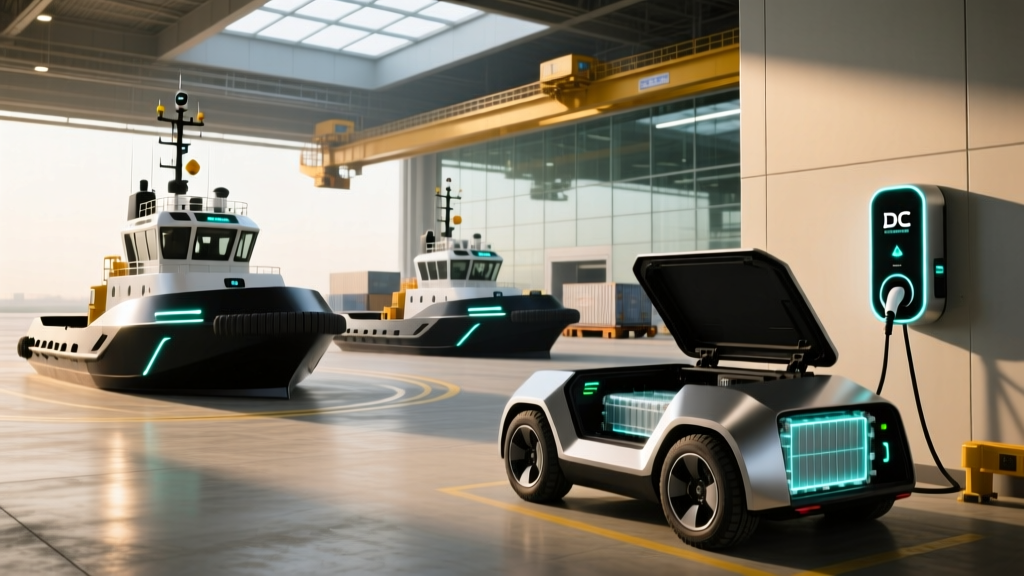
The term "electric tugs" covers a niche but rapidly growing segment: battery-electric tow tractors and pushback vehicles that move cargo carts, baggage trains, and aircraft on ramps and in distribution centers. Unlike highway EVs, these workhorses prioritize torque, durability, and shift-long runtime over speed. With diesel prices fluctuating and corporate sustainability mandates tightening, fleet managers are evaluating electric tugs seriously — but the math depends heavily on duty cycle, climate, and charging infrastructure.
What Electric Tugs Actually Are (And Aren't)
Electric tugs are low-speed, high-torque electric vehicles classified as off-road industrial equipment. They include:
- Airport tow tractors — conventional and towbarless aircraft pushback/pull units
- Baggage/cargo tugs — pulling 3–6 cart trains across ramps
- Warehouse yard tractors — spotter trucks and terminal tractors moving trailers short distances
- Industrial personnel/cargo movers — large campus logistics
Top manufacturers include Charlatte Manutention, Eagle Tugs, TUG Technologies (JBT), Lectrus-powered models, and Kalmar for terminal tractors. Battery capacities typically range from 40 kWh to over 150 kWh depending on application, using either NMC lithium-ion or, increasingly, LFP chemistry for longer cycle life and thermal stability.
Critical distinction: These are not highway-legal vehicles and do not qualify for the federal §30D clean vehicle credit. However, they may qualify for the Commercial Clean Vehicle Credit (§45W) — up to $40,000 for vehicles over 14,000 lbs GVWR — plus utility and state-level fleet electrification incentives. Always confirm eligibility with a tax professional and your local air quality management district.
Electric Tugs vs. Diesel: The Real Cost Comparison
The upfront price of an electric tug is typically 1.5–2.5× that of a diesel equivalent, but operational savings close the gap quickly. Here's a realistic 5-year cost comparison for a mid-size airport baggage tug running two shifts (~16 hours/day, ~45 miles/day equivalent):
| Cost Factor | Diesel Tug | Electric Tug |
|---|---|---|
| Purchase Price (base) | $55,000–$75,000 | $95,000–$140,000 |
| Fuel/Energy Cost (5 yrs) | $42,000–$58,000 | $11,000–$18,000 |
| Maintenance (5 yrs) | $18,000–$25,000 | $5,000–$9,000 |
| Charging Infrastructure (amortized) | $0 | $8,000–$20,000 |
| Battery Replacement Reserve | $0 | $0–$12,000 (warranty dependent) |
| Estimated §45W Credit | $0 | –$40,000 |
| 5-Year Net Cost | $115,000–$158,000 | $79,000–$149,000 |
Key assumptions: diesel at $4.20/gal, electricity at $0.14/kWh (commercial rate), 8 MPG diesel equivalent, 2.5 kWh/mile electric consumption. Your actual numbers depend on local utility rates, duty cycle intensity, and available incentives from programs like your state's Clean Transportation Initiative or utility make-ready programs.
Range, Battery, and Charging: What Fleet Buyers Must Know
Electric tug "range" is better measured in shift-hours and energy throughput rather than miles. A typical baggage tug pulling loaded carts consumes 2.0–3.5 kWh per mile equivalent. Here's what to expect from current models:
| Spec | Light-Duty Cargo Tug | Heavy-Duty Aircraft Pushback |
|---|---|---|
| Battery Capacity | 40–70 kWh (LFP common) | 100–160 kWh (NMC or LFP) |
| Runtime per Charge | 6–10 hours typical shift | 4–8 hours under load |
| Energy Consumption | 2.0–2.5 kWh/mi equiv. | 3.0–5.0 kWh/mi equiv. |
| Level 2 Charge Time (0–100%) | 4–6 hours (11–19 kW AC) | 8–12 hours (19–22 kW AC) |
| DC Fast Charge (10–80%) | 45–70 min (50 kW peak) | 60–90 min (80–120 kW peak) |
| Warranty | 5 yr / 5,000 cycles typical | 5–7 yr / capacity ≥70% SoH |
Charging curve reality: Like all lithium-ion systems, electric tugs taper charge rate significantly above 80% State of Charge. For opportunity charging during shift breaks, plan to operate in the 20–80% SoC window — this maximizes battery longevity and keeps charge sessions short. A 50 kW DC charger can restore ~30 kWh in 35–40 minutes, enough for another 3–4 hours of light-duty work.
Cold-weather impact: At 20°F, expect 15–25% range/runtime loss from battery chemistry slowdown and cabin/system heating loads. LFP chemistry is more resilient to cold storage but charges slower when cold. If your operation is in Minneapolis or Boston, specify battery preheating systems and plan for longer charge times or a spare unit for winter shifts.
Real-World Ownership: What First-Time Electric Fleet Buyers Miss
Transitioning from diesel to electric tugs isn't just swapping vehicles — it's changing your energy management workflow. Here are the practical considerations that catch first-time buyers off guard:
Charging Infrastructure Is Not Optional
You need depot chargers matched to your fleet size and shift schedule. A single 19 kW Level 2 charger costs $3,000–$6,000 installed; a 50 kW DC fast charger runs $25,000–$50,000. For a 10-tug fleet, plan for a mix: overnight L2 chargers for each vehicle plus 1–2 DC fast chargers for opportunity charging. Electrical panel upgrades can add $5,000–$30,000 if your facility needs a service upgrade to 480V three-phase.
Maintenance Is Lower — But Different
Electric tugs eliminate oil changes, diesel particulate filter replacements, transmission fluid, and exhaust system repairs. But they introduce new maintenance items: battery thermal management system checks, coolant loop servicing, charge port inspections, and software/firmware updates. Budget for specialized technician training or a service contract with the OEM.
Insurance and Liability
Insurance premiums for electric tugs are typically 5–15% higher than diesel equivalents due to higher replacement values and battery repair costs. However, lower fire risk (compared to diesel fuel) and fewer moving parts can offset this with some commercial carriers. Get quotes before purchasing.
Duty Cycle Honesty
If your tugs run 20+ hours/day with minimal breaks, a single-charge electric tug won't work without fast-charge infrastructure or a rotation fleet. Be honest about your peak-day utilization, not your average day.
Common Misconceptions About Electric Tugs — Fact-Checked
| Myth | Fact |
|---|---|
| "Electric tugs can't pull heavy aircraft" | Modern electric towbarless pushback tugs handle aircraft up to the Boeing 737 / A320 class. Heavy widebody applications still often use diesel, but electric options for narrowbody are proven and deployed at major hubs. |
| "Batteries won't last and replacements cost a fortune" | LFP batteries in industrial tugs are rated for 3,000–5,000+ full cycles before reaching 80% State of Health. At one cycle/day, that's 8–14 years. Warranties typically cover 5–7 years with ≥70% capacity retention. |
| "They're slower and less productive" | Electric motors deliver instant peak torque from 0 RPM — electric tugs often outperform diesel in start-stop ramp operations. Top speeds are governed (typically 15–20 mph) identically for safety. |
| "Cold weather makes them unusable" | Cold reduces range 15–25%, which is manageable with proper shift planning and battery preconditioning. Many airports in Scandinavia and northern US/Canada operate electric tugs year-round. |
| "Charging takes too long for shift work" | Overnight L2 charging fully replenishes in 6–10 hours. Opportunity DC fast charging during 30–45 min breaks restores enough for continued operation. Fleet scheduling adapts, just as it did for diesel refueling. |
Decision Framework: Is an Electric Tug Right for Your Operation?
Choose Electric Tugs If:
- Your tugs run ≤16 hours/day with predictable shift breaks for charging
- You have depot/yard space to install charging infrastructure
- Local utility offers commercial EV rates or make-ready incentive programs
- Corporate or airport authority sustainability mandates require emissions reduction
- You operate indoors or in noise-sensitive areas (electric tugs produce near-zero noise and no exhaust)
- Your annual utilization justifies the higher upfront cost through fuel/maintenance savings (typically 2,500+ hours/year)
Stick With Diesel (or Evaluate Hybrids) If:
- Tugs run 20+ hours/day with no practical charging breaks
- Your facility lacks electrical capacity for depot charging and upgrades are cost-prohibitive
- You operate in extreme cold (below 0°F regularly) without heated storage
- Fleet is small (1–2 units) and utilization is low — the payback period may exceed vehicle life
- You need heavy widebody aircraft pushback and no electric model meets your certified tow rating
Frequently Asked Questions
Do electric tugs qualify for the $7,500 federal EV tax credit?
No. The §30D Clean Vehicle Credit applies to on-road passenger vehicles. Industrial electric tugs may qualify for the §45W Commercial Clean Vehicle Credit (up to $40,000 for heavy vehicles) and various state/utility incentives. Consult a tax professional and check IRS guidance on §45W for current eligibility rules.
How long do electric tug batteries last before needing replacement?
Modern LFP batteries in industrial tugs are rated for 3,000–5,000+ charge cycles at 80% State of Health retention. At one full cycle per day, that translates to roughly 8–14 years of service. Most OEMs warranty the battery for 5–7 years. Budget a reserve for eventual replacement ($15,000–$40,000 depending on capacity), though many tugs are retired or repurposed before battery end-of-life.
What electrical infrastructure do I need to charge a fleet of electric tugs?
For overnight Level 2 charging, each tug needs a dedicated 240V circuit (typically 40–80A). A fleet of 5 tugs might require 200–400A of additional panel capacity at 208/240V three-phase. For DC fast charging, you'll need 480V three-phase service with significant amperage. Engage a licensed electrical contractor and your utility early — DOE's charging infrastructure resources can help with planning. Total infrastructure cost for a 5-tug fleet ranges from $20,000 (L2 only) to $100,000+ (mixed L2 + DC fast).
Are electric tugs reliable enough for mission-critical airport operations?
Yes, with proper fleet management. Major airports including Oslo, Amsterdam Schiphol, and several US hubs have deployed electric tugs in daily revenue service. Reliability hinges on having adequate fleet depth (1–2 spare units for rotation), proactive charging management, and OEM service support. Electric drivetrains have fewer failure points than diesel, but battery management system faults and charge system issues require trained technicians.
How do electric tug operating costs compare to diesel on a per-shift basis?
A diesel tug consuming ~1.5 gallons/hour at $4.20/gal costs roughly $100–$126 per 16-hour shift in fuel alone. An electric tug consuming ~2.5 kWh/mile equivalent over a similar shift uses ~75–100 kWh, costing $10.50–$14.00 at $0.14/kWh commercial rates. That's an 85–90% energy cost reduction per shift. Add eliminated maintenance (oil, filters, exhaust), and the per-shift savings typically reach $80–$120.
Electric tugs represent one of the clearest economic cases for fleet electrification: high daily utilization, predictable duty cycles, depot-based charging, and massive per-shift energy savings. The barrier is upfront cost and infrastructure planning — not technology readiness. If your operation fits the profile, the ROI math works, and the 2026 incentive landscape makes the switch more accessible than ever.