Quick Answer: Yes, modern EVs like the Tesla Model 3 Performance (296 mi EPA, 0-60 in 2.9s) and Hyundai Ioniq 5 N (221 mi EPA, 0-60 in 3.4s) can deliver thrilling electric track performance — but expect 30-50% range loss per session due to sustained high-speed load, and plan for thermal management limits on back-to-back hot laps. A full track day costs roughly $15-$25 in electricity versus $80-$120 in gasoline for a comparable gas sports car, though EV tire wear runs 20-30% higher due to instant torque and heavier curb weight.
What Does "Electric Track" Actually Mean for EV Owners?
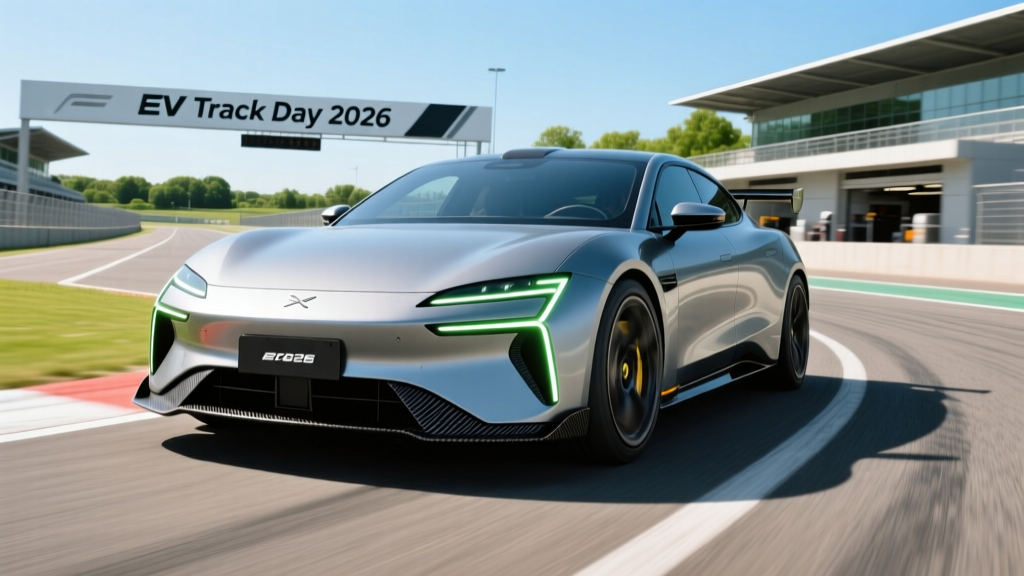
The term electric track has evolved from a niche curiosity into a legitimate motorsport category. In 2026, it refers to both dedicated EV racing venues (like the Electric GT Championship circuits) and the growing practice of bringing consumer EVs to traditional track-day events at venues like Laguna Seca, Road Atlanta, and local SCCA autocross courses.
Unlike a casual highway pull, track driving demands sustained high-power output — often 200-400+ kW draws from the battery for minutes at a time. This is fundamentally different from daily commuting, where regenerative braking and coasting allow thermal systems to recover. On track, your battery is under constant assault: high discharge rates generate heat, and that heat is the single biggest limiter of electric track performance.
The Real Numbers: EV Track Range Loss and Energy Consumption
This is where marketing brochures fall silent. The EPA range sticker assumes a mix of city and highway driving at moderate speeds with frequent regen opportunities. A road course destroys those assumptions entirely.
Track Range Reality Check: A Tesla Model 3 Performance rated at 296 miles EPA will typically deliver only 30-45 miles of equivalent high-intensity track use on a single charge. That translates to roughly 8-12 hot laps on a 2.5-mile road course before needing a cooldown and recharge. The Hyundai Ioniq 5 N (221 mi EPA, 84 kWh NMC battery) manages approximately 20-30 miles of track-equivalent driving — or about 6-10 laps — before thermal throttling reduces power output.
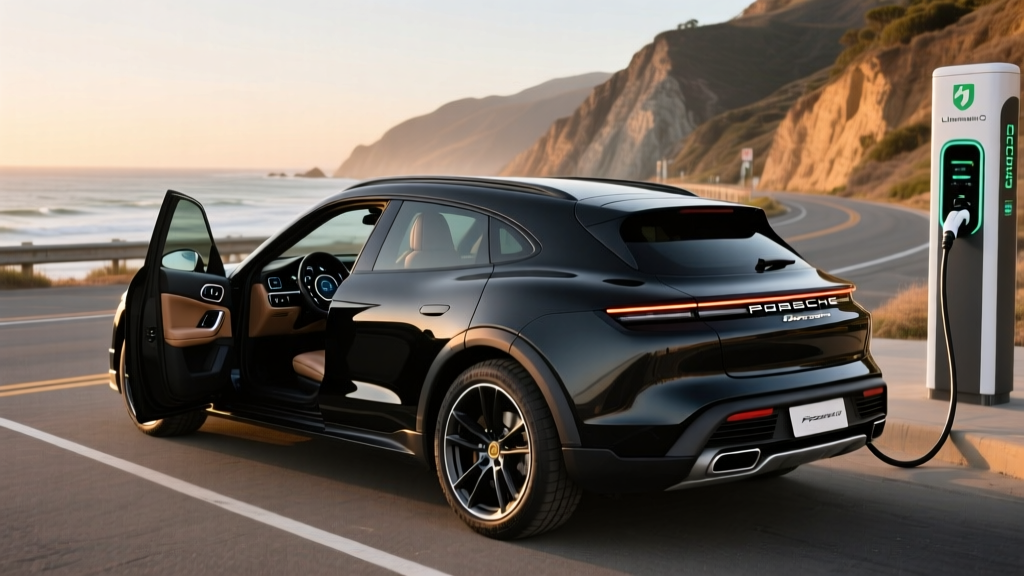
Energy consumption on track routinely exceeds 800-1,200 Wh/mile, compared to the EPA-rated 250-300 Wh/mile for highway driving. At these rates, even an 82 kWh usable battery (Tesla Model 3 Performance) is drained aggressively. The Porsche Taycan Turbo GT, with its 93.4 kWh gross (84.0 kWh net) battery and sophisticated thermal management, pushes closer to 15-18 track miles before needing intervention — but it starts at $161,400 MSRP.
| Metric | Tesla Model 3 Perf. (EV) | BMW M3 Competition (Gas) | Porsche Taycan Turbo GT (EV) |
|---|---|---|---|
| 0-60 mph | 2.9 sec | 3.4 sec | 2.1 sec |
| Peak Power | 510 hp (380 kW) | 503 hp | 1,019 hp (759 kW) |
| Curb Weight | 4,065 lbs | 3,830 lbs | 5,090 lbs |
| Track Energy/Fuel per 50 mi | ~50 kWh ($7-$12) | ~4.5 gal ($17-$22) | ~55 kWh ($8-$14) |
| Sessions Before Refuel/Recharge | 1 session (8-12 laps) | 2-3 sessions | 1-2 sessions (12-16 laps) |
| Base MSRP (2026) | $52,990 | $79,095 | $161,400 |
Cost Breakdown: Electric Track Day vs. Gas Track Day
One of the strongest arguments for an electric track car is the per-session energy cost — if you have access to charging at or near the venue.
| Cost Category | EV Track Day (Tesla M3P) | Gas Track Day (BMW M3) |
|---|---|---|
| Energy/Fuel (50 track miles) | $7-$12 (home charge) / $15-$25 (DCFC) | $17-$22 (premium 93 octane) |
| Brake Pad Wear | $0-$50 (regen handles 60-80% of braking) | $100-$200 per event |
| Tire Wear (per event) | $200-$350 (heavier car + instant torque) | $150-$250 |
| Fluid Changes (oil, trans) | $0 | $80-$150 |
| Track Entry Fee | $150-$300 | $150-$300 |
| Total Per Event | $357-$702 | $497-$922 |
The EV wins on consumables — particularly brake pads, where regenerative braking absorbs the majority of deceleration forces, leaving the friction brakes cool and barely worn. However, tire costs are meaningfully higher. EVs carry 400-700 lbs more mass than equivalent gas sports cars, and instant electric torque punishes rear tires on corner exit. Budget for a dedicated set of track rubber (Michelin Pilot Sport Cup 2 or Continental ExtremeContact Sport) and expect 4-6 track days before rotation or replacement.
Thermal Management: The Hidden Limit of Electric Track Performance
Every EV has a thermal ceiling. Battery cells generate heat during high-rate discharge, and electric motors and inverters add their own thermal load. When the battery management system (BMS) detects temperatures exceeding safe thresholds — typically 45-55°C at the cell level — it reduces power output to protect the pack.
The Hyundai Ioniq 5 N addresses this with a dedicated Track mode that preconditions the battery to an optimal 25-30°C before your session begins. The Porsche Taycan's 800-volt architecture and dual-circuit cooling system allow it to sustain higher power for longer. The Tesla Model 3 Performance uses its octovalve heat pump system to route coolant between battery, motors, and cabin — effective, but still subject to power reduction after 3-5 consecutive hard laps on a demanding circuit.
For track-day newcomers, the practical advice is simple: run 2-3 hot laps, then take a cooldown lap at moderate speed to let thermal systems recover. This mirrors the practice gas-car drivers use to manage brake and oil temperatures, and it extends your session significantly.
Charging Logistics: What First-Time EV Track-Goers Must Plan
This is where electric track ownership diverges most sharply from gas. You cannot simply pull into a trackside fuel cell in 90 seconds. Even the fastest DC chargers need 15-25 minutes for a meaningful session-length charge.
Before committing to an electric track day, verify these logistics:
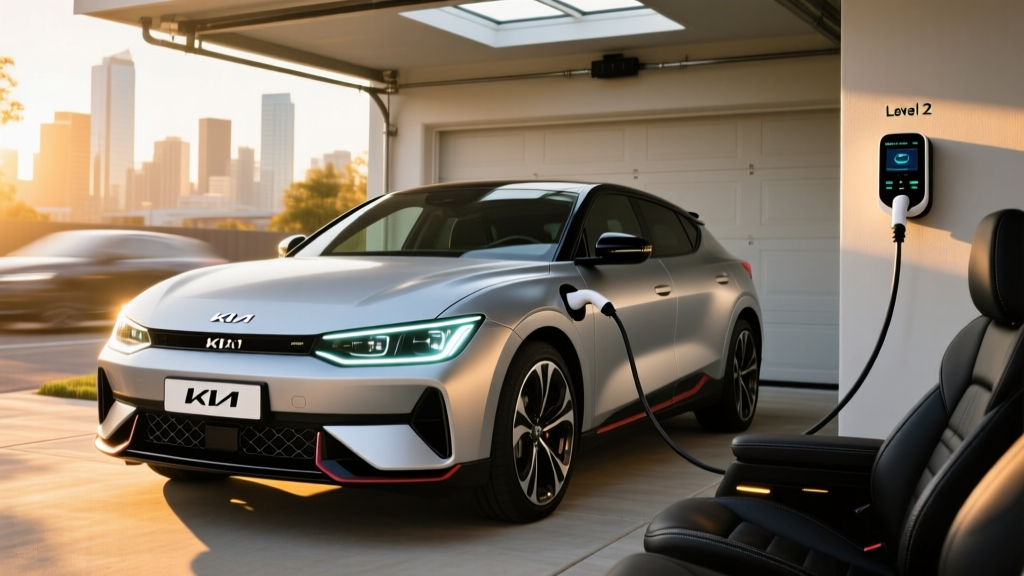
- On-site charging: A growing number of tracks (Thunderhill, Sonoma Raceway, Watkins Glen) have installed Level 2 chargers in the paddock. At 7-11 kW, these add roughly 20-35 miles of range per hour — enough to trickle-charge between sessions but not enough for a full replenishment.
- Nearby DC fast chargers: Identify a 150+ kW CCS or NACS station within 10-15 minutes of the track. Tesla Superchargers and Electrify America stations are common near major venues. At 250 kW peak, a Model 3 Performance can recover 10-80% in approximately 25 minutes — but sustained rates taper significantly above 60% state of charge.
- Bring a portable Level 2 unit: A Grizzl-E or ChargePoint Home Flex with a NEMA 14-50 plug adapter lets you tap into 240V outlets in paddock garages or RV hookups, delivering up to 40 miles of range per hour.
Electric Track Decision Framework:
- If you do autocross (short 40-60 second runs): → An EV is ideal. Minimal heat buildup, instant torque advantage, and a single charge lasts all day. Choose: Tesla Model 3 Performance or Mini Cooper SE.
- If you do HPDE road-course events (1.5-3 mile circuits): → An EV works with planning. You'll need thermal management strategy and charging logistics. Choose: Hyundai Ioniq 5 N (best track-specific engineering) or Porsche Taycan (best sustained power).
- If you do endurance or multi-day events without charging access: → A gas car remains the pragmatic choice. EV infrastructure at remote tracks is still developing.
- If your primary goal is lowest cost-per-lap: → EV wins on energy and brakes, but invest in quality tires. The savings compound over 10+ events per year.
Common Electric Track Misconceptions — Separated From Reality
| Myth | Fact |
|---|---|
| "EVs can't handle sustained track use" | Modern BMS and cooling systems handle 20-40 minute sessions, but power tapering after 3-5 hot laps is real. Plan cooldown laps. |
| "Regen braking replaces all friction brakes" | Regen handles 60-80% of deceleration on track, but friction brakes remain critical for final corner entry and ABS intervention. Don't skip brake fluid flushes. |
| "Track driving destroys EV batteries" | Occasional track days (4-6 per year) with proper cooldown laps cause negligible long-term degradation. Sustained high-heat exposure without cooldowns accelerates capacity loss — same as with any high-performance use. |
| "You can't tow a trailer to the track with an EV" | The Ford F-150 Lightning and Rivian R1T both tow 7,700-11,000 lbs and can carry a track car. Range drops 30-50% while towing, so plan charging stops. |
| "EVs are too heavy to be fun on track" | Weight is real (4,000-5,100 lbs), but instant torque, low center of gravity (battery pack under floor), and torque vectoring create a uniquely engaging driving dynamic. Different, not worse. |
Tax Credit and Purchase Considerations for Track-Capable EVs
If you're buying specifically for track use, the IRS §30D federal tax credit can offset the premium of a performance EV — but eligibility depends on several factors current for 2026:
- MSRP cap: Sedans and coupes must be under $55,000; SUVs and trucks under $80,000. The Tesla Model 3 Performance ($52,990) qualifies; the Porsche Taycan Turbo GT ($161,400) does not.
- Buyer income limits: AGI must not exceed $150,000 (single), $225,000 (head of household), or $300,000 (married filing jointly).
- Battery sourcing requirements: Critical minerals and battery components must meet escalating domestic-content thresholds. The Hyundai Ioniq 5 N (built in Georgia for 2026) qualifies; some imported models may not.
- Point-of-sale transfer: You can apply the credit as an instant rebate at the dealer rather than waiting for tax filing.
Always verify current-year eligibility on fueleconomy.gov and consult a tax professional — rules shift with model-year battery sourcing changes.
Frequently Asked Questions
How many laps can I get on a single charge at a road course?
On a typical 2.0-2.5 mile road course, expect 8-12 hot laps from a Tesla Model 3 Performance and 6-10 laps from a Hyundai Ioniq 5 N before thermal throttling or low state of charge forces a cooldown. This assumes aggressive driving with late braking and full-throttle corner exits. Gentle touring laps extend this significantly.
Will track driving void my EV battery warranty?
Generally no. Manufacturer battery warranties (typically 8 years/100,000 miles, covering degradation below 70% capacity) exclude "racing" in their fine print, but organized HPDE (High Performance Driver Education) events and autocross are typically classified as driver education, not competition. Document your events and avoid timed, wheel-to-wheel racing if warranty preservation matters. Consult your specific warranty booklet.
Do I need to modify my EV for track use?
At minimum: high-temperature brake fluid (Motul RBF 600 or Castrol SRF), track-rated tires (Michelin Pilot Sport Cup 2, Yokohama A052), and a proper alignment with increased negative camber. Beyond that, many EV track enthusiasts add aftermarket cooling ducts and data-logging tools. Suspension upgrades (KW, Öhlins) improve turn-in response but are optional for novice groups.
What's the best EV for a first-time track car on a budget?
The used Tesla Model 3 Performance (2023-2025) at $30,000-$40,000 remains the best value. It has the lowest energy cost per lap, strong aftermarket support, and access to the $4,000 used-EV tax credit (subject to income and price caps). Add a $1,500 set of track tires and $200 in brake fluid, and you're track-ready for under $42,000 all-in.
Can I charge fast enough between sessions at a track day?
It depends on infrastructure. With a paddock Level 2 (7-11 kW), you'll recover 15-30 miles per hour — enough for 1-2 additional laps per session. With a nearby 250 kW DC fast charger (10-15 minute drive), you can recover 10-80% in 20-30 minutes, which fits a typical lunch break. Plan your day around charging windows, just as gas-car drivers plan around fuel stops and cool-down periods.