Quick Answer: Is an Electric Sports Car Karma Worth It?
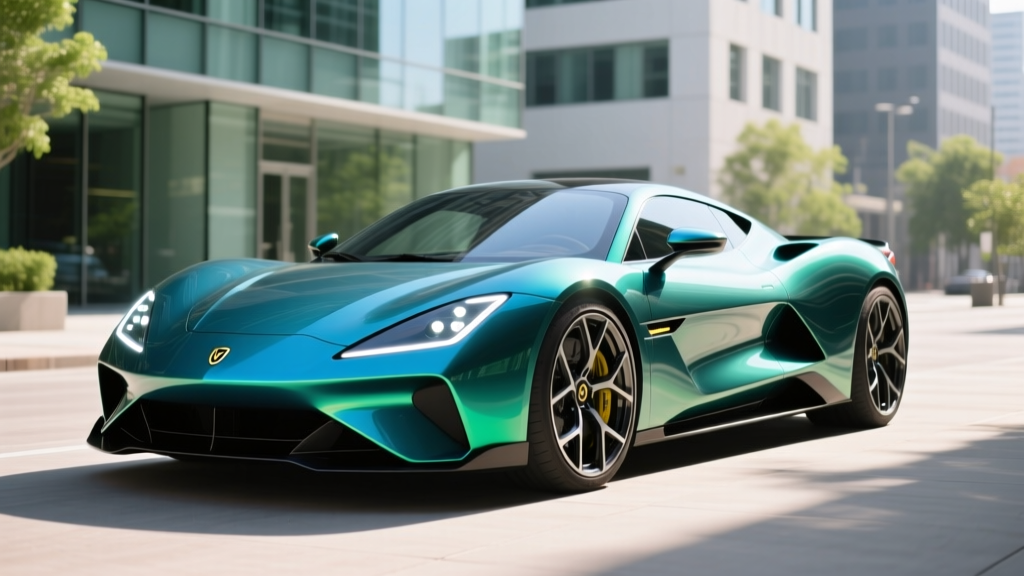
As of early 2026, Karma Automotive offers two primary electrified models: the Karma Gyesera (a four-door grand-touring sedan starting around $88,000) and the Karma Kaveya (a two-door electric sports car coupe/roadster starting around $175,000). Both are low-volume, hand-built vehicles from Karma's Moreno Valley, California facility. The Gyesera targets roughly 250 miles of EPA-estimated range with an estimated 120 kWh battery pack, while the Kaveya aims for approximately 250 miles with a similar pack in a lighter, two-seat chassis. Neither qualifies for the federal §30D tax credit due to MSRP caps and manufacturing-volume thresholds. These are niche luxury grand-tourers — not mass-market EVs — so evaluate them against rivals like the Porsche Taycan, Tesla Model S Plaid, and Lucid Air, not against a Chevrolet Bolt.
The Karma Lineup in 2026: What's Actually Available
Karma Automotive has undergone significant restructuring since its origins as Fisker Automotive. The brand's current production centers on two models that represent its pivot to fully electric grand-touring vehicles:
| Spec | Karma Gyesera (Sedan) | Karma Kaveya (Coupe/Roadster) | Porsche Taycan Turbo GT (Comparison) |
|---|---|---|---|
| Body Style | 4-door grand tourer | 2-door coupe / roadster | 4-door sedan |
| Est. Battery Capacity | ~120 kWh (NMC) | ~120 kWh (NMC) | 105 kWh (NMC, Performance Battery Plus) |
| EPA-Est. Range | ~250 mi (est.) | ~250 mi (est.) | 269 mi (EPA) |
| Horsepower | ~500 HP (est.) | ~1,000+ HP (est., dual-motor) | 1,019 HP |
| 0-60 mph | ~4.5 sec (est.) | ~3.0 sec (est.) | 2.1 sec |
| Peak DC Fast Charge | ~150 kW (est.) | ~150 kW (est.) | 320 kW |
| 10-80% DC Charge | ~35 min (est.) | ~35 min (est.) | ~18 min |
| Level 2 Charging | ~11.5 kW | ~11.5 kW | 19.2 kW |
| Starting MSRP | ~$88,000 | ~$175,000 | $230,000 |
| Federal §30D Tax Credit | Not eligible | Not eligible | Not eligible |
| Warranty (Battery) | 8 yr / 80,000 mi (est.) | 8 yr / 80,000 mi (est.) | 8 yr / 100,000 mi |
Important caveat: Karma is a low-volume manufacturer. Specs listed above are based on Karma's published targets and industry estimates as of early 2026. Final EPA certifications and production specifications may differ. Always confirm with Karma directly or check fueleconomy.gov for certified figures before purchasing.
Real-World Range Reality Check
Karma targets approximately 250 miles of EPA-estimated range for both the Gyesera and Kaveya. In real-world grand-touring use — highway speeds of 70-80 mph with climate control running — expect 200-220 miles of usable range. In cold weather (below 32°F), lithium-ion battery chemistry and cabin heating demands can reduce that by another 15-25%, bringing effective range to roughly 170-190 miles. This is adequate for daily driving and weekend trips with planned charging stops, but it falls short of long-range competitors like the Lucid Air Grand Touring (516 mi EPA).
Electric Sports Car Karma vs. Gas and Gas-Electric Rivals
Buyers cross-shopping a Karma electric sports car are typically also considering gas grand-tourers or high-performance EVs from established marques. Here's how the ownership equation compares:
| Cost Category | Karma Gyesera (EV) | BMW M8 Gran Coupe (Gas) | Porsche Panamera 4 E-Hybrid (PHEV) |
|---|---|---|---|
| MSRP (base) | ~$88,000 | ~$140,000 | ~$110,000 |
| Federal Tax Credit | $0 (MSRP/volume cap) | $0 | $0 (MSRP cap) |
| 5-Yr Fuel/Energy Cost | ~$5,200 (at $0.16/kWh) | ~$14,800 (at $3.80/gal, 16 MPG) | ~$8,400 (mixed EV/gas) |
| 5-Yr Maintenance | ~$2,500 | ~$7,200 | ~$5,800 |
| 5-Yr Insurance (est.) | ~$18,000 | ~$16,500 | ~$17,200 |
| Est. Depreciation (5 yr) | ~55% ($48,400) | ~50% ($70,000) | ~52% ($57,200) |
| 5-Year Total Cost | ~$162,100 | ~$248,500 | ~$198,600 |
The Karma Gyesera's lower starting price gives it a significant total-cost advantage over the BMW M8, primarily through lower fuel and maintenance costs. However, Karma's low production volumes and limited service network introduce depreciation uncertainty — resale values for niche EV makers are harder to predict than for established luxury brands. Insurance premiums for low-volume hand-built vehicles also tend to run higher due to repair-cost uncertainty and parts scarcity.
Charging a Karma: Home Setup and Public Network Reality
Owning any electric sports car starts with a charging plan. Karma vehicles are expected to use the NACS (Tesla-style) connector or CCS1 — confirm the connector type on your specific model year before purchasing charging equipment.
Home Charging (Level 2)
A Level 2 home charger at 11.5 kW (48 amps on a 60-amp circuit) will add roughly 30-35 miles of range per hour of charging. For a 120 kWh battery depleted to 10%, a full charge takes approximately 10-11 hours — practical for overnight replenishment.
| Item | Low Estimate | High Estimate |
|---|---|---|
| Level 2 Charger (hardware) | $400 | $800 |
| Electrician labor (run 240V/60A circuit) | $800 | $2,500 |
| Electrical panel upgrade (if needed, 200A) | $1,500 | $4,000 |
| Permits and inspection | $100 | $400 |
| Total | $1,300 | $7,700 |
Panel upgrade reality: If your home has a 100-amp electrical panel (common in older homes), adding a 60-amp EV circuit may require a full panel upgrade to 200 amps. This can double your installation cost. Always get a quote from a licensed electrician before committing to a charger purchase.
DC Fast Charging on the Road
With an estimated peak DC charge rate of ~150 kW, a Karma will charge from 10-80% in roughly 35 minutes under ideal conditions. However, charging speed tapers significantly above 80% State of Charge (SoC) — the final 20% can take as long as the first 70%. This is standard lithium-ion battery behavior to protect cell longevity. For road trips, plan charging stops around the 10-80% sweet spot and factor in 35-40 minutes per stop.
Compared to the Porsche Taycan's 800V architecture (320 kW peak, 10-80% in ~18 minutes), Karma's charging speed is modest. This matters if you regularly drive 300+ mile trips. Check fueleconomy.gov for certified efficiency and charging data once available.
What First-Time EV Buyers Need to Know About Karma
If you're coming from a gas sports car or luxury sedan, here are the practical realities of electric sports car ownership with a low-volume brand like Karma:
| Myth | Fact |
|---|---|
| "EVs are maintenance-free." | EVs eliminate oil changes and spark plugs, but tires wear faster (heavier vehicle, instant torque), brake fluid still needs flushing, and cabin air filters need replacement. Budget ~$500-700/year. |
| "The battery will need replacement in 5 years." | Modern NMC batteries typically retain 85-90% capacity after 8 years / 100,000 miles. Karma's estimated warranty covers defects and excessive degradation (usually below 70% capacity) for 8 years. Full replacement, if needed out of warranty, could cost $15,000-$25,000+. |
| "I can charge anywhere with a regular outlet." | A standard 120V outlet (Level 1) delivers only ~1.4 kW — adding about 3-4 miles of range per hour. A 120 kWh battery would take 80+ hours for a full charge. Level 2 (240V) home charging is practically mandatory for a vehicle this size. |
| "All EVs qualify for the $7,500 tax credit." | The IRS §30D credit has MSRP caps ($55,000 for sedans, $80,000 for SUVs/trucks/vans), buyer income limits, and critical-mineral/battery-sourcing requirements. Karma's MSRPs exceed the sedan cap, making them ineligible. |
| "Range is exactly what the EPA sticker says." | EPA range is tested under controlled conditions. Highway driving at 75+ mph, cold weather, hilly terrain, and aggressive acceleration all reduce real range by 15-30%. A 250-mile EPA car may deliver 175-210 miles in demanding conditions. |
Karma-Specific Ownership Considerations
- Service network: Karma operates a limited number of service centers. Confirm your nearest authorized service location before purchasing — it may be a 2+ hour drive away.
- Parts availability: As a low-volume manufacturer, body panels, bespoke interior components, and proprietary electronics may have longer lead times for repair than mass-market vehicles.
- Software updates: Karma vehicles receive over-the-air (OTA) updates, but the cadence and feature roadmap may be less aggressive than Tesla or Rivian.
- Insurance: Get insurance quotes before purchasing. Low-volume luxury EVs often carry premiums 20-40% higher than comparable mass-market vehicles due to repair-cost uncertainty.
- Resale value: Niche EV brands face steeper depreciation risk. The Karma Revero GT, for example, lost significant value in its first three years. Factor this into your total cost of ownership.
Federal Tax Credit and Incentive Eligibility for Karma Vehicles
As of 2026, neither the Karma Gyesera nor the Kaveya qualifies for the federal §30D Clean Vehicle Credit. Here's why:
§30D Credit Requirements — Karma Fails On:
- MSRP Cap: Sedans must be priced at or below $55,000; SUVs, trucks, and vans at or below $80,000. The Gyesera (~$88,000) and Kaveya (~$175,000) both exceed these thresholds.
- Manufacturer Volume Cap: The original 200,000-vehicle manufacturer cap was removed, but sourcing requirements now effectively exclude many vehicles.
- Buyer Income Limits: Even if the vehicle qualified, buyers must have AGI below $150,000 (single) or $300,000 (joint) — though high-end Karma buyers may exceed these limits regardless.
- Critical Minerals & Battery Sourcing: Increasingly strict requirements for North American-sourced critical minerals and battery components further narrow eligibility.
State incentives may still apply. Some states offer their own EV rebates or HOV lane access regardless of federal credit eligibility. Check your state's energy or DMV website for current programs. These incentives vary by jurisdiction and change frequently — consult official state sources rather than dealer claims.
Decision Framework: Should You Buy an Electric Sports Car Karma?
Choose the Karma Gyesera if:
- You want a distinctive, hand-built grand-tourer and value exclusivity over spec-sheet dominance
- You have reliable Level 2 home charging and your daily commute is under 100 miles round-trip
- You're comfortable with a ~$88,000 starting price and understand depreciation risk on a niche brand
- You prioritize design and bespoke interior craftsmanship over having the longest range or fastest charging
- You live within reasonable distance of a Karma service center
Choose the Karma Kaveya if:
- You want a two-seat electric sports car as a weekend/track-day vehicle and have another daily driver
- The ~$175,000 price point fits your budget without financing strain
- You accept that 0-60 and charging specs will trail the Porsche Taycan Turbo GT and Tesla Model S Plaid
- You value the coupe/roadster styling and Karma's design language over pure performance metrics
Look Elsewhere if:
- You need 350+ miles of real-world range for frequent road trips — consider the Lucid Air or Tesla Model S
- Fast DC charging (under 20 minutes, 10-80%) is a priority — the Porsche Taycan, Hyundai Ioniq 5, and Kia EV6 offer 800V architectures
- You want federal tax credit eligibility — look at vehicles under the $55,000/$80,000 MSRP caps
- Service accessibility is critical and you live far from a Karma dealer
- You want the latest Level 2 driver-assist features — Karma's ADAS suite is less advanced than Tesla Autopilot, GM Super Cruise, or Ford BlueCruise
Frequently Asked Questions
Is Karma still in business in 2026?
Karma Automotive has continued operations through restructuring and investment changes. As of 2026, the company is taking orders and producing vehicles at its Moreno Valley, California facility, though production volumes remain very low (estimated hundreds of units per year, not thousands). Verify current production status directly with Karma before placing a deposit.
How does Karma's electric sports car range compare to Tesla or Lucid?
Karma targets approximately 250 miles of EPA range for both the Gyesera and Kaveya. The Lucid Air Grand Touring achieves 516 miles EPA, and the Tesla Model S Long Range achieves 402 miles EPA. Karma's range is competitive with the Porsche Taycan (246-269 mi depending on trim) but falls well short of range leaders. For buyers prioritizing range, Karma is not the optimal choice.
Can I charge a Karma at Tesla Superchargers?
This depends on the connector equipped on your specific Karma model. If the vehicle ships with a NACS (North American Charging Standard) port, it can access Tesla Superchargers directly. If it uses CCS1, you would need a NACS-to-CCS adapter (available from Tesla and third parties) to access the Supercharger network. Confirm the connector type before purchase. The broader Electrify America, EVgo, and ChargePoint networks are accessible with CCS1.
What is the real cost to charge a Karma at home vs. public chargers?
At home on a Level 2 charger with an average US electricity rate of $0.16/kWh, fully charging a 120 kWh battery costs approximately $19.20. At a public DC fast charger (average rate ~$0.40-$0.50/kWh), that same charge costs $48-$60. Over 12,000 miles of annual driving at an estimated 2.5 miles/kWh, expect annual home-charging costs of roughly $770 versus $1,920-$2,400 for exclusive public charging. Home charging access is a major cost factor.
Does the Karma Gyesera or Kaveya have autonomous driving features?
Karma vehicles include standard Level 2 driver-assist features (adaptive cruise control, lane-keeping assist, automatic emergency braking) consistent with SAE Level 2 automation. This means the driver must remain fully engaged and hands-on at all times. Karma does not currently offer anything comparable to Tesla's FSD (Supervised) or GM's hands-free Super Cruise. These are driver-assist systems, not self-driving systems.
What happens if Karma goes out of business — can I still get parts and service?
This is a legitimate risk with any low-volume automaker. If Karma were to cease operations, independent EV specialists and third-party parts suppliers could potentially support basic maintenance, but proprietary components (body panels, custom electronics, bespoke interior parts) would become extremely difficult to source. This risk should factor into your purchase decision and is reflected in steeper projected depreciation compared to established brands.