The Short Answer: Is an Electric Solo Car Worth It?
An electric solo car—a compact, single-occupant or two-seat micro-EV designed for urban commuting—makes sense if your daily round trip is under 60 miles, you have access to Level 2 home or workplace charging, and you prioritize low running costs over cargo space. Models like the Microlino, Solo EV (rebadged variants), and ultra-compact city EVs deliver 80–150 miles of EPA range, cost roughly $0.03–$0.05 per mile to charge at home, and may qualify for a portion of the federal §30D tax credit depending on battery sourcing and your income. However, these vehicles are not suited for highway-heavy commutes, cold climates without preconditioning, or drivers who regularly carry passengers or cargo.
What Exactly Is an Electric Solo Car?
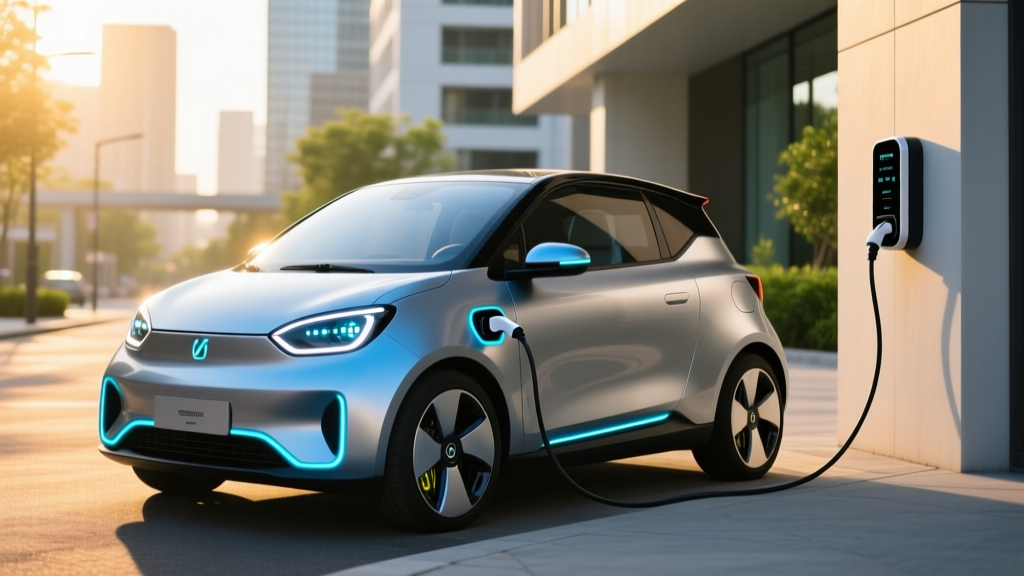
The term "electric solo car" covers a small but growing category of electrified personal transport: single-seat or tandem two-seat micro-EVs built for one primary driver navigating urban environments. Think of them as the electric evolution of the Smart Fortwo—stripped of excess weight, optimized for stop-and-go traffic, and priced to undercut full-size EVs.
Key characteristics of this segment:
- Battery capacity: Typically 6–20 kWh (LFP chemistry common for cost and longevity)
- EPA range: 70–150 miles depending on model and battery size
- Top speed: 55–80 mph (some classified as NEVs/LSVs limited to 25 mph)
- Charging: Level 1 (120V) often sufficient overnight; Level 2 adds flexibility; DC fast charging rare in this segment
- Price range: $12,000–$28,000 MSRP before incentives
Unlike electric bikes or scooters, these vehicles have enclosed cabins, climate control, and meet federal motor vehicle safety standards (FMVSS)—or in some cases, are classified as low-speed vehicles (LSVs) with reduced crash-test requirements. That distinction matters enormously for insurance, registration, and where you can legally drive them.
Electric Solo Car vs. Gas Commuter vs. Compact Hybrid: The Numbers
Let's compare a representative electric solo car (using the ElectraMeccanica Solo-style platform as a benchmark) against a conventional gas subcompact and a compact hybrid for a typical solo commuter doing 30 miles round-trip, 250 days per year (7,500 annual miles).
| Metric | Electric Solo Car (Typical) | Gas Subcompact (e.g., Mitsubishi Mirage) | Compact Hybrid (e.g., Toyota Prius LE) |
|---|---|---|---|
| MSRP (base) | $18,500 | $17,500 | $28,350 |
| EPA Range / Tank Range | 100 mi (10 kWh battery) | 330 mi (9.2 gal tank) | 580 mi (11.4 gal tank) |
| Energy/Fuel Cost per Mile | $0.04 (home L2, $0.14/kWh) | $0.11 (36 MPG, $3.90/gal) | $0.07 (57 MPG, $3.90/gal) |
| Annual Fuel/Energy Cost (7,500 mi) | $300 | $813 | $513 |
| Annual Maintenance | ~$150 | ~$550 | ~$450 |
| 5-Year Energy + Maintenance | $2,250 | $6,815 | $4,815 |
| Federal Tax Credit Eligibility | Up to $3,750 (if §30D qualified) | None | None (HEV) |
Key takeaway: The electric solo car wins on running costs by a wide margin—saving roughly $4,500 over five years versus a gas subcompact on energy and maintenance alone. The hybrid splits the difference with excellent range flexibility but higher upfront cost. The Solo's advantage assumes reliable home charging; without it, public charging costs ($0.30–$0.50/kWh at DC stations) erase much of the savings.
Real Costs of Ownership: Beyond the Sticker Price
Buying an electric solo car isn't just about MSRP. Here's a realistic cost breakdown for a first-time buyer in 2026:
| Cost Category | Electric Solo Car | Notes |
|---|---|---|
| Vehicle MSRP | $18,500 | Base trim, single-seat cargo variant |
| Destination & Dealer Fees | $1,200 | Varies by dealer; some direct-to-consumer |
| Federal §30D Tax Credit | –$3,750 (if eligible) | Income & battery sourcing rules apply; see IRS §30D guidelines |
| State Incentive (example: CA) | –$1,000 to –$2,000 | Varies by state; check local programs |
| Home Level 2 Charger (optional) | $500–$1,500 | Many solo EVs charge fine on 120V Level 1 |
| Electrical Panel Upgrade (if needed) | $0–$2,500 | Most 120V charging needs no upgrade |
| Annual Insurance | $900–$1,400 | Varies widely; micro-EVs can be cheaper to insure |
| Annual Registration | $100–$300 | Some states add EV registration fees |
Net first-year cost (after federal and state incentives, with Level 1 charging only): approximately $16,000–$18,000 out the door, depending on your tax liability and state. That's genuinely competitive with a gas subcompact once you factor in five years of fuel savings.
Tax Credit Reality Check
The federal §30D clean vehicle credit is not guaranteed for every electric solo car. To qualify for any portion of the up-to-$7,500 credit, the vehicle must meet all of the following in 2026:
- MSRP under $55,000 (sedans) or $80,000 (SUVs/trucks)—solo cars easily clear this
- Buyer's modified AGI under $150,000 (single) or $300,000 (joint)
- Battery components manufactured or assembled in North America (percentage thresholds increase annually)
- Critical minerals sourced from the US or free-trade-agreement partners
- Final assembly in North America
Many micro-EVs from smaller manufacturers use battery cells sourced from China, which may disqualify them from the critical-minerals portion ($3,750) or the entire credit. Always verify eligibility on fueleconomy.gov before purchasing. Point-of-sale transfer is available if you qualify, reducing your dealer price directly.
Charging an Electric Solo Car: What First-Time Buyers Need to Know
One of the biggest advantages of the solo car segment is that charging is simpler than with a full-size EV. Smaller batteries mean Level 1 (standard 120V household outlet) is often adequate.
| Charging Level | Power (kW) | Miles Added per Hour | 0–100% Time (10 kWh Battery) | Typical Use Case |
|---|---|---|---|---|
| Level 1 (120V) | 1.0–1.4 kW | 4–6 mi/hr | 7–10 hours | Overnight at home; sufficient for most solo commuters |
| Level 2 (240V) | 3.3–6.6 kW | 14–28 mi/hr | 1.5–3 hours | Workplace or upgraded home setup |
| DC Fast Charge | Rare in segment | N/A | N/A | Most solo EVs lack DC capability |
Practical reality: If you drive 30 miles round-trip and plug in nightly at 120V, you'll recover 40–60 miles of range overnight—more than enough. You do not need a $1,500 Level 2 home installation for a solo car the way you would for a 300-mile-range SUV. This is a major ownership-cost advantage.
However, there are real limitations:
- No DC fast charging means road trips beyond your range are impractical. These are commuter vehicles, not touring cars.
- Cold-weather range loss hits small batteries harder. A 100-mile EPA range can drop to 65–75 miles at 20°F without a heat pump (most solo EVs use resistive heating, which draws heavily from a small pack).
- Apartment dwellers: If you lack a dedicated parking spot with outlet access, charging becomes a genuine problem. Public Level 2 chargers cost $0.20–$0.40/kWh, doubling your per-mile cost.
Common Misconceptions About Electric Solo Cars
| Myth | Fact |
|---|---|
| "They're just glorified golf carts" | FMVSS-compliant solo EVs include airbags, crumple zones, and ABS. However, LSV-classified models (top speed ≤25 mph) have far fewer safety requirements—know which you're buying. |
| "I'll save a fortune on fuel" | True if charging at home at $0.12–$0.16/kWh. If relying on public DC charging at $0.35–$0.50/kWh, your per-mile cost can approach or exceed a fuel-efficient hybrid. |
| "The battery will need replacing in 5 years" | LFP batteries (common in this segment) retain 80%+ capacity after 2,000–3,000 charge cycles. At one cycle per day, that's 5.5–8+ years before meaningful degradation. Most carry 8-year/80,000-mile battery warranties. |
| "They qualify for the full $7,500 tax credit" | Many micro-EVs fail the battery-sourcing or North American assembly requirements. Expect $0–$3,750 in practice, and verify on the IRS portal before committing. |
| "I can take it on the highway" | Some models are limited to 55–65 mph top speed and feel unstable at highway velocities. LSV-classified vehicles are legally prohibited on roads with speed limits above 35 mph in most states. |
Who Should Buy an Electric Solo Car? A Decision Framework
Choose an Electric Solo Car If:
- Your daily commute is under 40 miles round-trip
- You have reliable overnight access to a 120V or 240V outlet
- You live in a mild-to-moderate climate (or have garage parking)
- You rarely carry passengers or large cargo
- You want the lowest possible per-mile operating cost
- You already own or have access to a larger vehicle for road trips
Look at a Compact EV or Hybrid Instead If:
- Your commute includes 50+ miles of highway driving daily
- You live in a region with harsh winters and no garage
- You need to carry a passenger or child seat regularly
- You have no home or workplace charging access
- You want one vehicle to handle commuting, errands, and road trips
- You need DC fast charging for spontaneous longer drives
Specific Recommendations by Scenario
Urban apartment dweller with outlet access: A solo EV charged on 120V overnight is one of the cheapest ways to commute in America—$300/year in electricity versus $800+ in gas. Just verify your parking spot allows plug-in access and that your building permits it.
Suburban homeowner with a garage: You're the ideal buyer. Install a simple 240V outlet ($200–$500 with existing panel capacity) and you'll charge a 10 kWh battery in under two hours. Pair with a weekend gas or hybrid car for longer trips.
Rural driver with a 60+ mile commute: Skip the solo car. The range margin is too thin, especially in temperature extremes, and the lack of DC fast charging means a single detour could strand you. A compact PHEV or a full-size EV with 250+ miles of range is a better fit.
What to Inspect Before You Buy
If you've decided an electric solo car fits your life, here's a pre-purchase checklist:
- Verify FMVSS vs. LSV classification. This determines where you can legally drive, crash-test protections, and insurance requirements. Ask the manufacturer directly.
- Confirm §30D tax credit eligibility on fueleconomy.gov—do not rely on dealer assurances alone.
- Test the real-world range on your actual commute route at the speeds you'll drive. EPA estimates overstate range for stop-and-go city driving with HVAC use.
- Check insurance quotes before purchase. Some insurers lack actuarial data on micro-EV brands and may quote unusually high or low premiums.
- Verify service and parts availability. Smaller EV manufacturers may have limited service networks. Confirm who handles warranty repairs in your area.
- Assess your charging situation honestly. If you're in an apartment without a dedicated outlet, a solo EV may create more daily friction than it saves.
Frequently Asked Questions
Are electric solo cars street-legal?
It depends on classification. FMVSS-compliant models are fully street-legal on all public roads. Low-Speed Vehicles (LSVs) are limited to roads with speed limits of 35 mph or below in most states, though local rules vary. Always verify with your state DMV before purchasing.
How long does the battery last in a solo EV?
Most solo EVs use LFP (lithium iron phosphate) batteries rated for 2,000–3,000+ full charge cycles before degrading to 80% capacity. With daily charging, that translates to roughly 5.5–8+ years of usable service. Federal law mandates an 8-year/80,000-mile battery warranty for certified EVs, though LSV-classified vehicles may not carry this requirement.
Can I charge a solo EV from a regular household outlet?
Yes. Most electric solo cars with 6–15 kWh batteries charge fully overnight on a standard 120V/15A outlet at approximately 1.2 kW. This is one of the segment's biggest advantages—no expensive Level 2 installation required for typical commuting use.
Is an electric solo car safer than an e-bike or scooter?
In terms of occupant protection, yes—an enclosed FMVSS-compliant solo EV offers a crumple zone, seatbelts, and typically an airbag. However, the vehicle's small size makes it less visible to other drivers and more vulnerable in collisions with larger vehicles. LSV-classified models offer minimal crash protection. For context, NHTSA crash-test data is available for FMVSS-compliant models but not for LSVs.
What happens if I need to drive farther than the range allows?
This is the primary limitation of the solo car segment. Without DC fast charging (rare in this class), you cannot meaningfully extend range on the go. Plan to use a second vehicle, rideshare, or public transit for any trip exceeding your one-way range. If this is a frequent need, a compact EV with 200+ miles of range and DC capability is a better primary vehicle.
Do electric solo cars qualify for HOV lane access?
In many states, EVs qualify for carpool/HOV lane stickers regardless of vehicle size. However, some states have income caps or have exhausted their sticker programs. Check your state's DMV or air resources board for current eligibility.