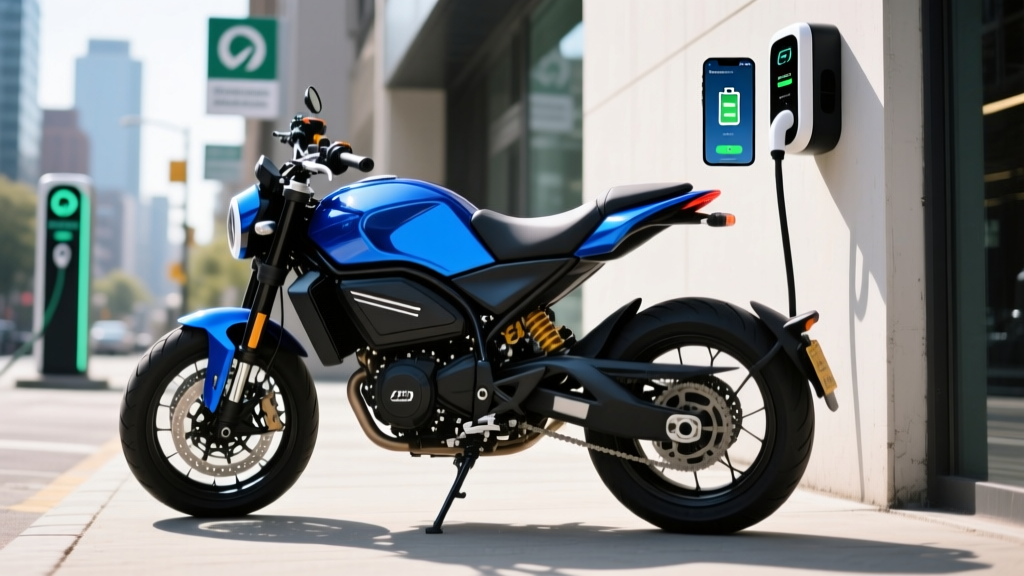
If you're researching an electric scrambler motorcycle, here's what you need to know upfront: current production models (Zero FX/FXS, CSC RX1E, and emerging brands like Maeving RM1) deliver 50–90 miles of real-world mixed-use range from 5–10 kWh battery packs, cost $6,500–$12,500 before incentives, and charge in 3–8 hours on Level 1 (standard 120V outlet). They're best for urban commuting and light trail use — not highway touring. Expect to save $400–$700 annually on fuel vs a gas scrambler, but face higher insurance premiums and limited fast-charging infrastructure.
Quick Verdict: Who Should Buy an Electric Scrambler?
Buy if: You commute under 40 miles round-trip, have home/garage charging access, want silent neighborhood riding, and prioritize low maintenance.
Skip if: You need highway-speed range over 100 miles, live in an apartment without charging, or frequently ride in sub-40°F weather (expect 20-35% range loss).
Electric Scrambler Range: EPA vs Reality
Unlike cars, electric motorcycles don't use the EPA's standard range test. Manufacturers typically quote "city" and "combined" range based on internal testing protocols. Here's how 2026 models actually perform:
| Model | Battery (kWh) | Claimed City Range | Real-World Mixed Range | Chemistry |
|---|---|---|---|---|
| Zero FXS Z-Force | 7.2 kWh usable | 100 mi | 60–75 mi | NMC lithium-ion |
| Zero FX Z-Force | 7.2 kWh usable | 90 mi (dual-sport tires) | 50–65 mi | NMC lithium-ion |
| Maeving RM1 | 4.4 kWh (dual battery) | 80 mi | 50–60 mi | NMC lithium-ion |
| CSC RX1E | 5.8 kWh | 70 mi | 45–55 mi | NMC lithium-ion |
Real-World Range Reality Check
Claimed: 80–100 miles city
Expect: 50–75 miles mixed riding (45 mph average, some hills, 65°F weather)
Highway (65+ mph sustained): 35–50 miles
Cold weather (below 40°F): Subtract 20–35% from mixed-range figures
Range drops sharply above 55 mph due to aerodynamic drag — motorcycles have worse drag coefficients than cars, and the rider's body creates significant turbulence.
Charging Times: What You'll Actually Experience
Most electric scramblers charge on Level 1 (standard 120V household outlet) using an integrated onboard charger. Here's what that means in practice:
| Charging Method | Power (kW) | 0-100% Time | Miles Added Per Hour |
|---|---|---|---|
| Level 1 (120V standard outlet) | 1.0–1.3 kW | 5–8 hours | 8–12 mi/hr |
| Level 2 (240V, optional accessory) | 2.0–3.3 kW | 2.5–4 hours | 18–25 mi/hr |
| DC Fast Charge (CHAdeMO, Zero only) | 6–10 kW peak | 1 hour (0-95%) | 50–70 mi/hr |
Critical distinction: kW (kilowatts) measures charging power — how fast energy flows into the battery. kWh (kilowatt-hours) measures battery capacity — how much total energy it stores. A 7.2 kWh battery charged at 1.3 kW takes roughly 5.5 hours (7.2 ÷ 1.3 = 5.5).
Most owners charge overnight on Level 1, waking to a full battery. If you ride 30 miles daily, a nightly top-up takes 3–4 hours. DC fast charging exists for Zero models via optional CHAdeMO inlet ($1,500 accessory), but public CHAdeMO stations for motorcycles are extremely rare — don't count on them for daily use.
Cost Breakdown: Electric Scrambler vs Gas Scrambler
Let's compare a Zero FXS ($12,495 MSRP) against a gas scrambler like the Triumph Scrambler 400X ($5,595 MSRP) over 5 years and 15,000 miles:
| Cost Category | Zero FXS (Electric) | Triumph Scrambler 400X (Gas) |
|---|---|---|
| Purchase price | $12,495 | $5,595 |
| Federal tax credit (§30D) | –$2,500* | $0 |
| State incentive (example: CA) | –$1,000 | $0 |
| Effective purchase | $8,995 | $5,595 |
| Fuel/electricity (15k mi) | $450 (home charging @ $0.15/kWh) | $1,125 (50 mpg avg @ $4.50/gal) |
| Maintenance (5 years) | $300 (tires, brake fluid, chain) | $1,800 (oil, filters, valves, chain, tires) |
| Insurance (5 years) | $3,500 | $2,800 |
| 5-Year Total | $13,245 | $11,320 |
*The federal §30D credit for electric motorcycles is 10% of the purchase price, capped at $2,500, subject to income limits and battery sourcing requirements. Verify current-year eligibility at IRS.gov. State incentives vary by jurisdiction — check your local air quality district or energy office.
Where the Electric Scrambler Wins
- Fuel savings: $675 over 5 years (and widens as gas prices rise)
- Maintenance savings: $1,500 over 5 years — no oil changes, no valve adjustments, no spark plugs, no air filters
- Time savings: No trips to gas stations, no warm-up, instant torque delivery
Where the Gas Scrambler Wins
- Lower upfront cost: $3,400 less even after incentives
- Refueling speed: 2 minutes vs 5–8 hours
- Range certainty: 150+ miles per tank, no range anxiety on long rides
- Lower insurance: $700 less over 5 years (electric motorcycles often classified as high-value specialty vehicles)
Common Misconceptions About Electric Scramblers
| Myth | Fact |
|---|---|
| "Electric motorcycles have no power" | Zero FXS delivers 78 lb-ft of torque from 0 RPM — that's instant acceleration a gas 400cc can't match. 0-60 mph in ~4.5 seconds. |
| "The battery will die in 3 years and cost $10k to replace" | NMC batteries in 2026 models retain 80%+ capacity after 100,000+ miles. Zero offers a 5-year/unlimited-mileage battery warranty. Replacement cost (if needed post-warranty): $3,500–$5,000. |
| "You can't ride in the rain" | All major electric scramblers are IP67-rated for water ingress. Ride in rain, through puddles, wash with a hose — the battery and motor are sealed. |
| "Charging takes forever" | Overnight Level 1 charging (6–8 hours) is sufficient for daily commuting. You charge while you sleep — no time lost. |
| "They're silent, so they're safer" | Actually, near-silent operation at low speeds can be a hazard — pedestrians and other riders may not hear you. Many owners add an aftermarket sound generator or ride more defensively in parking lots. |
Real-World Ownership: What First-Time Buyers Should Know
Home Charging Access is Non-Negotiable
If you don't have a garage, carport, or dedicated outdoor outlet where you can park and plug in, an electric scrambler will be frustrating. Public charging infrastructure for motorcycles is nearly nonexistent — no Tesla Superchargers, no Electrify America stalls designed for bikes. You must charge at home or work.
Apartment dwellers: Some riders remove the battery (Zero FX/FXS batteries are removable) and charge indoors, but this requires landlord permission and a dedicated 15A circuit. It's not a long-term solution for most.
Cold Weather Hits Range Hard
Lithium-ion batteries lose efficiency below 50°F, and electric motorcycles lack the waste-heat advantage of gas engines (which keep the rider warm). In 30°F weather:
- Expect 20–35% range reduction
- Regenerative braking weakens (battery can't accept charge as quickly when cold)
- Rider comfort drops — you'll need heated gear, which draws additional power from the battery
If you live in Minnesota or Maine and plan to ride November–March, a gas scrambler is the pragmatic choice.
Insurance Costs More (Usually)
Electric motorcycles often fall into specialty/collector insurance categories. Expect premiums 15–30% higher than equivalent gas bikes. Shop quotes from Progressive, Dairyland, and Markel before purchasing — some insurers offer EV-specific discounts.
Resale Value is Uncertain
The electric motorcycle market is small, and long-term depreciation data is limited. Gas scramblers from Triumph, Ducati, and Royal Enfield have established resale markets. Electric models may depreciate faster due to battery-age concerns from used buyers, though the 5-year warranty helps.
Decision Framework: Should You Buy an Electric Scrambler?
Choose an Electric Scrambler If:
- Your daily round-trip commute is under 40 miles
- You have secure home/garage parking with a 120V outlet
- You value silent operation (neighborhood-friendly, no noise complaints)
- You want minimal maintenance (no oil, no valves, no warm-up)
- You ride primarily in mild climates (40–90°F)
- Instant torque and city agility matter more than top speed
Stick with a Gas Scrambler If:
- You regularly ride 80+ miles in a day
- You lack home charging access
- You ride in winter (sub-40°F) frequently
- You want established resale value and dealer support
- You take multi-day touring trips
- Your budget is under $7,000
2026 Electric Scrambler Models: Current Options
Zero FXS Z-Force (Best Overall)
- Price: $12,495 MSRP
- Battery: 7.2 kWh usable, NMC chemistry
- Range: 60–75 mi real-world mixed
- Power: 46 hp, 78 lb-ft torque
- 0-60 mph: ~4.5 seconds
- Charge time: 5.5 hours (Level 1), 2.5 hours (Level 2 optional)
- Weight: 298 lbs
- Warranty: 2 years motorcycle, 5 years/unlimited miles battery
Maeving RM1 (Best Urban Styling)
- Price: $7,995 MSRP (single battery), $9,495 (dual battery)
- Battery: 2.2 kWh per pack (removable), NMC
- Range: 30 mi single / 60 mi dual battery
- Power: 15 hp (limited for L2e classification in EU; US version unrestricted)
- Top speed: 45 mph
- Charge time: 4 hours per battery (removable, charge indoors)
- Weight: 243 lbs (dual battery)
CSC RX1E (Budget Option)
- Price: $6,495 MSRP
- Battery: 5.8 kWh, NMC
- Range: 45–55 mi real-world
- Power: 24 hp, 55 lb-ft torque
- Top speed: 70 mph
- Charge time: 6 hours (Level 1)
- Weight: 285 lbs
Frequently Asked Questions
Do electric scramblers qualify for the federal tax credit?
Yes, but the credit is 10% of the purchase price, capped at $2,500 for motorcycles. You must meet income limits (single filers under $150k AGI, joint filers under $300k), and the battery must meet critical-mineral sourcing requirements. The credit can be transferred to the dealer at point-of-sale as a discount. Verify eligibility at IRS.gov before purchasing.
Can I ride an electric scrambler on the highway?
Yes, models like the Zero FXS reach 85+ mph and handle freeway speeds comfortably. However, sustained 65–70 mph riding drains the battery rapidly — expect 35–50 miles of highway range before needing a charge. For highway commuting over 30 miles one-way, a gas scrambler is more practical.
How long do electric motorcycle batteries last?
NMC lithium-ion batteries in 2026 models are rated for 1,000+ full charge cycles before dropping to 80% capacity. At 60 miles per charge cycle, that's 60,000+ miles. Most riders will never reach this threshold. Zero's 5-year/unlimited-mile warranty provides additional protection. Store the bike at 50–70% charge if not riding for weeks, and avoid frequent 100% charges to maximize longevity.
What happens if I run out of battery on the road?
You'll need a tow — there's no "reserve fuel" equivalent, and push-starting doesn't apply. Most electric scrambler owners plan rides conservatively and keep a 15–20% buffer. Roadside assistance (AAA Motorcycle, Best Roadside) covers EV towing, but confirm your policy includes motorcycles.
Are electric scramblers street-legal?
Yes, all models listed above are DOT-compliant and street-legal in all 50 states. They include proper lighting, mirrors, horn, and meet FMVSS standards. You'll need a motorcycle endorsement (M1/M2) on your license, registration, and insurance just like a gas bike.
Can I charge at public EV charging stations?
Technically yes (with adapters), but practically no. Public Level 2 chargers use J1772 connectors designed for cars — you'd need a J1772-to-motorcycle adapter ($100–$200), and most stations lack motorcycle parking. DC fast chargers (CCS/CHAdeMO) are car-only. Plan to charge at home.
The Bottom Line
An electric scrambler makes sense for a specific rider: urban commuter, home-charging access, mild climate, under 40 miles daily. It delivers instant torque, near-zero maintenance, and silent operation — genuine advantages over gas. But the range limitations (50–75 miles real-world), 5–8 hour charge times, and $9,000+ effective purchase price (even after incentives) mean it's not a universal replacement for gas scramblers.
If your riding pattern fits the electric profile, the Zero FXS is the most capable 2026 option. If you need range, fast refueling, or winter capability, stick with gas — the Triumph Scrambler 400X or Royal Enfield Scram 411 offer proven reliability and 150+ mile range at lower cost.