Quick Answer: Is an electric quadricycle right for you?
An electric quadricycle is a lightweight, low-speed four-wheeled vehicle (typically 15–25 kWh battery, 50–100 miles of range, top speed 25–56 mph) designed for urban micro-mobility. In the US, most models are classified as Low-Speed Vehicles (LSVs) under FMVSS 500, limiting them to roads with speed limits ≤35 mph. Base prices range from roughly $12,000 to $28,000 before incentives. They excel as second-vehicle commuter runabouts but cannot replace a full-size EV for highway driving, cold-climate use, or family hauling. If you need a car for highway trips, towing, or winter commuting, a conventional EV or PHEV is the correct purchase.
What Is an Electric Quadricycle, Exactly?
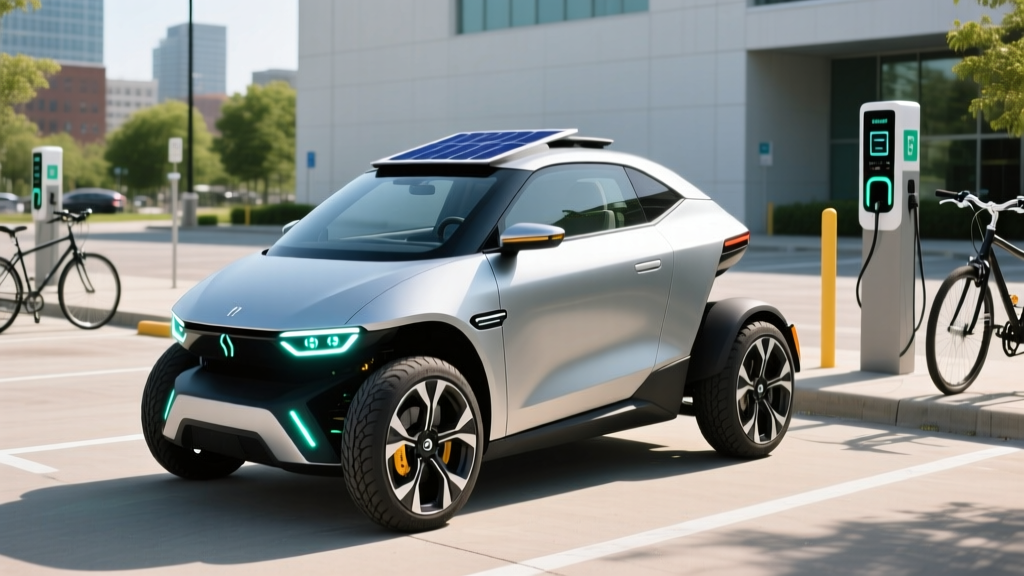
The term "electric quadricycle" originates from European vehicle categories (EU L7e), but in the US market the closest equivalents are Low-Speed Vehicles (LSVs) and Neighborhood Electric Vehicles (NEVs). These are four-wheeled, battery-electric platforms that weigh significantly less than a standard passenger car — typically 1,000 to 1,800 lbs curb weight versus 3,500–5,000 lbs for a compact EV.
Current models available or orderable in the US in 2026 include the Wink Motors Wink Go, ELF by Organic Transit (a three-wheeled solar-assisted variant often grouped with quadricycles), and imported platforms like the Citroën Ami (available via specialty importers, not directly through Stellantis US). Several Chinese-manufactured LSVs from brands like Club Car, GEM (Polaris), and Kandi also fit the profile.
Key mechanical distinction: most electric quadricycles use LFP (lithium iron phosphate) battery packs between 7 and 20 kWh. LFP chemistry offers slower degradation (often 2,000+ full cycles to 80% capacity) compared to NMC, but at the cost of lower energy density and heavier pack weight per kWh.
Electric Quadricycle Range, Charging & Specs at a Glance
| Spec | Typical Range (2026 Models) |
|---|---|
| Battery capacity | 7–20 kWh (LFP chemistry common) |
| EPA-est. range | 40–100 miles (varies by model & speed) |
| Real-world range (city, 72°F) | 35–85 miles |
| Real-world range (highway, 55 mph) | 25–60 miles (aerodynamic drag is severe at speed) |
| Cold-weather range loss (30°F) | 20–35% reduction (no heat pump in most models) |
| Level 1 charging (120V, 1.4 kW) | 5–14 hours for full charge |
| Level 2 charging (240V, 3.3–6.6 kW) | 1.5–5 hours (if onboard charger supports it) |
| DC fast charging | Not available on most models |
| Top speed | 25 mph (LSV-legal) to 56 mph (some street-legal variants) |
| 0–30 mph | 4–8 seconds |
| Motor output | 5–15 kW (7–20 HP) |
| Curb weight | 1,000–1,800 lbs |
| Battery warranty | 3–5 years / 30,000–50,000 miles typical |
Real-world range reality: An electric quadricycle rated at 70 miles of range will deliver closer to 50–55 miles in mixed suburban driving and as few as 30–40 miles at sustained 45–55 mph. Aerodynamic drag scales with the square of velocity — these vehicles are not shaped for highway efficiency. In winter conditions below freezing, expect a further 20–35% drop because most lack heat pumps and use resistive cabin heating (or none at all).
How Does an Electric Quadricycle Compare to a Gas Car or Standard EV?
The honest answer: an electric quadricycle is not a car replacement. It is a car supplement — a low-cost, ultra-efficient runabout for trips under 30 miles on low-speed roads. Here is how the numbers stack up against a conventional gas subcompact and a mainstream EV.
| Metric | Electric Quadricycle (LSV) | Gas Subcompact (e.g., 2026 Mitsubishi Mirage) | Mainstream EV (e.g., 2026 Chevy Equinox EV) |
|---|---|---|---|
| Base MSRP | $12,000–$28,000 | $18,000–$22,000 | $33,000–$43,000 |
| EPA range / tank range | 40–100 mi | ~380 mi (9.2 gal × 41 mpg hwy) | 315–319 mi |
| Energy cost per mile | $0.015–$0.03 (at $0.15/kWh) | $0.10–$0.13 (at $3.40/gal, 36 mpg combined) | $0.04–$0.06 (at $0.15/kWh) |
| Top speed | 25–56 mph | 110+ mph | 110+ mph |
| Highway capable? | No (LSV: ≤35 mph roads) | Yes | Yes |
| Crash safety (NHTSA rated?) | No — FMVSS 500, minimal crash structure | Yes, full crash testing | Yes, full crash testing |
| Airbags | None (most models) | Front, side, curtain | Front, side, curtain, knee |
| Annual maintenance | $100–$250 | $600–$1,000 | $200–$400 |
| Insurance (avg/year) | $400–$900 (varies widely) | $1,200–$1,800 | $1,400–$2,200 |
| Federal §30D tax credit | Generally not eligible | Not eligible (ICE) | Up to $7,500 (if eligible) |
The critical trade-off is clear: you save massively on purchase price and per-mile energy cost, but you sacrifice highway access, crash protection, range, and all-weather usability. For a household that already owns a primary vehicle, the quadricycle can handle grocery runs, school drop-offs, and neighborhood commuting at a fraction of the cost.
Real Costs of Ownership: Purchase, Charging, Insurance & Maintenance
| Cost Category | Year 1 | Year 2–5 (Annual Avg) | 5-Year Total |
|---|---|---|---|
| Purchase price (mid-range model) | $18,000 | — | $18,000 |
| Federal tax credit | $0 (most LSVs ineligible) | — | $0 |
| State/local incentives | $0–$1,500 (varies) | — | –$750 avg |
| Home charging setup (120V outlet) | $0–$300 | $0 | $150 avg |
| Electricity (5,000 mi/yr at $0.15/kWh) | $113 | $113 | $563 |
| Insurance | $700 | $700 | $3,500 |
| Maintenance (tires, brake fluid, cabin filter) | $150 | $175 | $850 |
| Registration & fees | $100 | $100 | $500 |
| Total 5-year cost | ~$22,813 | ||
For comparison, a gas subcompact driven 5,000 miles/year over 5 years would cost approximately $29,000–$33,000 total (purchase + fuel + insurance + maintenance). The electric quadricycle saves $6,000–$10,000 over five years, but only if your driving pattern fits its limitations.
Tax credit caveat: Under current IRS §30D rules, the $7,500 federal clean vehicle credit requires the vehicle to meet specific battery sourcing, critical minerals, MSRP cap ($55,000 for cars), and buyer income limits. Most electric quadricycles and LSVs do not qualify because they fail the battery component and critical mineral sourcing requirements, or they fall outside the vehicle classification thresholds. Always verify eligibility with a tax professional before purchase. Some state and local incentive programs offer rebates for LSVs or NEVs — check your state's energy office.
Common Misconceptions About Electric Quadricycles
| Myth | Fact |
|---|---|
| "They qualify for the $7,500 federal tax credit." | Most do not. IRS §30D has strict battery-sourcing and vehicle-classification rules. Verify on irs.gov before buying. |
| "I can drive them on any road." | LSVs are federally restricted to roads with speed limits ≤35 mph. Some states allow crossing higher-speed roads but not traveling along them. |
| "They're as safe as a small car." | LSVs are not required to meet the same crash-test standards as passenger cars under FMVSS. They lack airbags, crumple zones, and electronic stability control in most cases. NHTSA does not crash-rate them. |
| "They charge on any public charger." | Most electric quadricycles charge only via Level 1 (standard 120V outlet) or Level 2 (J1772 connector at low kW). They cannot use DC fast chargers (CCS or NACS). |
| "Range is fine year-round." | Without a heat pump or active thermal management, expect 20–35% range loss in freezing temperatures. A 70-mile rated quadricycle may deliver only 45 miles in January in Chicago. |
| "They're a good first car for a teenager." | The lack of crash protection and stability systems makes them a questionable choice for inexperienced drivers. A used, NHTSA-rated compact car with AEB is safer. |
Who Should Buy an Electric Quadricycle (And Who Shouldn't)
Decision Framework: Is an electric quadricycle your next purchase?
- Choose an electric quadricycle if:
- You already own a primary vehicle capable of highway driving
- Your daily commute is under 25 miles on roads with speed limits ≤35 mph
- You live in a mild climate (rarely below 35°F)
- You have access to a standard 120V outlet for overnight charging
- You want to minimize per-mile energy costs (as low as $0.015/mile)
- You need a vehicle for a retirement community, campus, or planned neighborhood
- Do NOT choose an electric quadricycle if:
- This would be your only vehicle
- You need to drive on roads with speed limits above 35 mph regularly
- You live in a region with harsh winters (below 25°F for extended periods)
- You carry more than one passenger frequently
- You need cargo space beyond a few grocery bags
- You require crash-test-rated occupant protection
- You lack reliable access to any charging outlet
First-Time EV Buyer Checklist: What to Know Before You Buy
If an electric quadricycle is your first experience with an electrified vehicle, here are the practical realities that spec sheets do not emphasize:
- Charging is slow but simple. Most quadricycles charge from a standard 120V household outlet at 1.2–1.4 kW. A 15 kWh battery takes roughly 10–12 hours from empty. You do not need a Level 2 home charger installation, which saves $500–$2,000 on electrical work — but you must have a dedicated 15A or 20A circuit near your parking spot.
- Battery degradation is manageable but real. LFP packs in quadricycles typically lose 8–15% capacity over 5 years of daily use. A model rated at 70 miles new may deliver 60 miles by year five. This is acceptable for short-range use but compounds cold-weather losses.
- Insurance varies wildly. Some insurers classify LSVs as specialty vehicles and offer low premiums ($400–$600/year). Others classify them closer to golf carts and charge more. Get a quote before committing.
- Resale value is uncertain. The used market for electric quadricycles is thin. Expect higher depreciation than a mainstream EV — potentially 40–55% over three years versus 25–40% for a Chevrolet Equinox EV or Tesla Model Y.
- Service infrastructure is limited. Unlike Tesla, Hyundai, or Ford, many quadricycle brands lack a national dealer or service network. Confirm that a qualified technician within 30 miles can service the specific model before purchase.
The Bottom Line: Where the Electric Quadricycle Fits in 2026
The electric quadricycle occupies a narrow but legitimate niche: ultra-low-cost, ultra-low-speed urban mobility for households that already have a capable primary vehicle. With purchase prices starting near $12,000 and per-mile energy costs under $0.03, they are the cheapest way to move four wheels on electricity in the US market. But the limitations — no highway access, minimal crash protection, severe cold-weather range loss, and DC fast-charge incompatibility — are not footnotes. They are dealbreakers for most single-vehicle households.
If your use case aligns with the decision framework above, a quadricycle can save $6,000+ over five years compared to a gas subcompact. If it does not, a plug-in hybrid (like the Toyota Prius Prime, 44 miles electric-only, ~$33,000) or an affordable mainstream EV (like the Chevy Equinox EV, 315 miles EPA, ~$33,000 before credit) delivers far more versatility for a modest premium.
Are electric quadricycles street-legal in all 50 states?
LSVs are federally legal under FMVSS 500, but individual states set rules about which roads they can use. Most states restrict them to roads with speed limits of 35 mph or lower. A few states, like Florida and Arizona, have broader allowances. Check your state DMV for specific regulations before purchasing.
Can I charge an electric quadricycle at a public charging station?
Limited. Most public Level 2 stations use a J1772 connector, and some quadricycles support this — but at very low charge rates (3.3 kW or less). You cannot use DC fast chargers (CCS, NACS, or CHAdeMO) with a quadricycle. Practically, most owners charge exclusively at home from a 120V outlet.
Do electric quadricycles qualify for any tax incentives?
Most do not qualify for the federal §30D clean vehicle credit due to battery sourcing and vehicle classification rules. Some states offer separate rebates for LSVs or NEVs. Check the AFDC state incentive database and consult a tax professional.
How long does the battery in an electric quadricycle last?
LFP batteries common in quadricycles are rated for 2,000+ full charge cycles to 80% capacity. With daily charging, that translates to roughly 5–8 years before noticeable range reduction. Battery replacement costs vary by model but typically range from $3,000 to $7,000.
Is an electric quadricycle safer than an e-bike or scooter?
A quadricycle offers more physical structure than an e-bike or scooter, with a roof, doors, and seatbelts on most models. However, it lacks the crash engineering, airbags, and electronic stability systems of a passenger car. For occupant protection in a collision with a full-size vehicle, a quadricycle is significantly less safe than any NHTSA-rated car.