Quick Answer: Is the Electric Mercedes B-Class Worth Buying in 2026?
The electric Mercedes B-Class (B250e) was sold only from 2015–2017 as a limited lease-only vehicle, primarily in California and ZEV-mandate states. With an EPA-estimated 87 miles of range, a 28 kWh usable battery (Tesla-derived drivetrain), and no DC fast charging, it is best suited as a city commuter or second car for buyers who can charge at home. Used prices in 2026 typically range from $9,000–$16,000, making it one of the cheapest entry points into a premium-badge EV — but its limitations are significant. It does not qualify for the federal §30D used-EV tax credit due to age and battery-capacity thresholds. If you need more than 80 real-world miles per charge or lack reliable Level 2 home charging, look at a newer used Chevrolet Bolt EV or Nissan Leaf instead.
Electric Mercedes B-Class: What Buyers Need to Know
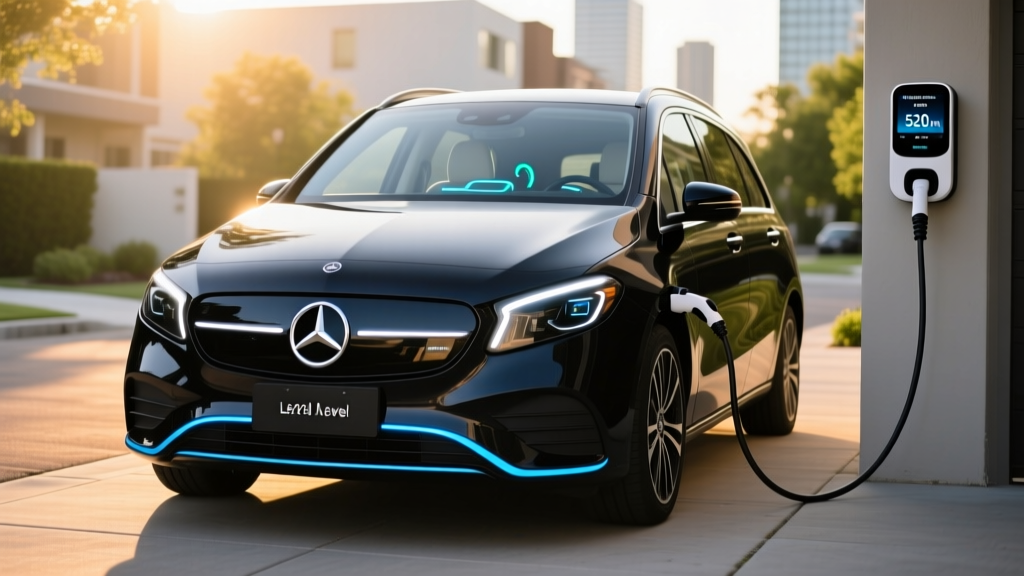
The Mercedes-Benz B-Class Electric Drive (later badged B250e) was Mercedes' first mass-production battery-electric vehicle. Rather than engineering its own EV powertrain, Mercedes partnered with Tesla to supply the motor, power electronics, and battery cells. The result was a compact luxury hatchback with surprising torque and a smooth, quiet ride — but constrained range and no fast-charging capability.
Only about 3,500 units were allocated to the U.S. market across three model years. Most were leased and subsequently sold at auction, meaning the used market is the only way to acquire one today. For 2026 shoppers, the B250e occupies a niche: an affordable luxury-branded EV for short, predictable commutes with home charging access.
Specs, Range, and Charging: The Hard Numbers
| Specification | Value |
|---|---|
| EPA Range | 87 miles |
| Battery (total / usable) | 36 kWh / ~28 kWh usable |
| Battery Chemistry | NMC (Tesla-supplied 18650 cells) |
| Motor Output | 177 hp (132 kW) / 251 lb-ft torque |
| 0–60 mph | 7.1 seconds |
| Top Speed | 100 mph (electronically limited) |
| Onboard Charger (Level 2) | 9.6 kW |
| DC Fast Charging | Not available |
| Level 2 Charge Time (0–100%) | ~3.5 hours at 9.6 kW |
| Level 1 Charge Time (120V) | ~22+ hours (full charge) |
| MPGe (combined) | 84 MPGe |
| Energy Consumption | 40 kWh/100 mi |
| Cargo Volume | 23.0 cu ft (rear seats up) |
| Battery Warranty (original) | 8 years / 100,000 miles (mostly expired) |
| Original MSRP (before incentives) | $41,450 (2015 base) |
Real-World Range vs. EPA Sticker
EPA estimate: 87 miles. Real-world expectation: Plan for 65–80 miles on highway drives at 70 mph, and as low as 55–65 miles in freezing temperatures with cabin heat running. The B250e uses resistive cabin heating rather than a heat pump, which significantly increases energy draw in cold weather. In mild, city-driving conditions with regenerative braking, some owners report achieving close to the EPA figure — but 87 miles is the ceiling, not the baseline.
Cost Breakdown: What the B250e Actually Costs to Own
The B250e's appeal in 2026 is almost entirely financial. A well-maintained example with 60,000–80,000 miles typically sells for $10,000–$14,000 from private sellers or independent dealers. That undercuts nearly every other luxury-branded EV on the used market.
| Cost Category | Mercedes B250e (Used) | 2020 Honda Civic Hatchback (Used) |
|---|---|---|
| Purchase Price | $12,000 | $17,000 |
| Fuel / Electricity (5 yrs, 12k mi/yr) | $2,700 ($0.13/kWh avg) | $7,200 ($3.40/gal, 32 MPG) |
| Maintenance (5 yrs) | $1,800 | $3,200 |
| Insurance (5 yrs avg) | $6,500 | $5,800 |
| Estimated Depreciation | $4,500 | $5,000 |
| Total 5-Year Cost | $27,500 | $38,200 |
The fuel savings are genuine. At the U.S. average electricity rate of ~$0.13/kWh and the B250e's consumption of 40 kWh/100 mi, you're paying roughly $0.052 per mile to drive on home charging. A comparable gas hatchback at 32 MPG and $3.40/gallon costs about $0.106 per mile — roughly double. Over 60,000 miles, that's a $3,240 savings on energy alone.
Maintenance advantages: No oil changes, no spark plugs, no transmission fluid. Brake wear is minimal thanks to regenerative braking. Expect to spend on tires, cabin air filters, brake fluid flushes, and 12V battery replacement. The Tesla-derived drivetrain has proven mechanically robust in most owner reports.
Insurance reality check: Despite its low purchase price, the B250e carries higher-than-expected insurance premiums due to Mercedes parts costs, low production volume, and limited collision repair data. Budget $1,200–$1,600/year depending on your state and driving record.
B250e vs. Gas Car vs. Hybrid: Which Makes Sense?
| Factor | Mercedes B250e (2015–2017) | Toyota Prius (2018 HEV) | 2019 Chevrolet Bolt EV |
|---|---|---|---|
| Used Price Range | $9,000–$16,000 | $14,000–$19,000 | $13,000–$18,000 |
| EPA Range / MPG | 87 mi | 54 MPG combined | 238 mi |
| DC Fast Charging | No | N/A (gas) | Yes (55 kW CCS) |
| Annual Fuel/Energy Cost | ~$540 | ~$900 | ~$540 |
| Road-Trip Capable? | No | Yes | Limited |
| Cold-Weather Penalty | 25–35% range loss | Minimal | 20–30% range loss |
| Luxury Badge / Interior | Yes (Mercedes) | No | No |
| Federal Used-EV Credit Eligible? | No | N/A | Possibly (§25E, up to $4,000) |
The B250e wins on purchase price and luxury feel. It loses on range, versatility, and charging flexibility. If your daily round-trip commute is under 50 miles and you can install or already have a Level 2 home charger, the B250e is a comfortable, torquey, well-built daily driver. If you need road-trip capability or live in an apartment without charging access, a Prius hybrid eliminates range anxiety entirely, and a used Bolt EV gives you nearly three times the range plus DC fast charging.
Real-World Ownership: What First-Time EV Buyers Should Know
Owning a B250e in 2026 means navigating several practical realities that separate it from modern EVs:
Home Charging Is Non-Negotiable
With no DC fast charging and only 87 miles of range, public Level 2 charging is impractical as a primary fueling strategy. You would need to sit at a ChargePoint or similar station for 3+ hours to fully recharge. The B250e's 9.6 kW onboard charger is excellent for Level 2 home charging — a full charge in about 3.5 hours — but you need a 240V, 40-amp circuit installed by a licensed electrician. Expect $500–$1,500 for a home Level 2 installation if your electrical panel has capacity, or $2,000–$4,000+ if a panel upgrade is required.
Battery Degradation: What to Check Before Buying
The B250e's 36 kWh pack (28 kWh usable) has aged 8–11 years by 2026. NMC chemistry typically retains 80–90% capacity after this period if the vehicle was not routinely charged to 100% or exposed to sustained high temperatures. Before purchasing:
- Request a diagnostic battery health report from a Mercedes dealer or independent EV shop
- Check the dashboard range estimate at full charge — if it shows under 70 miles, significant degradation has occurred
- Verify whether the original 8-year/100,000-mile battery warranty has expired (it has for most 2015 models as of 2023, and 2017 models as of 2025)
- Battery replacement costs, if needed, run $8,000–$14,000 — which can exceed the vehicle's value
The Tesla Connection: Service and Parts
The B250e's motor and battery were supplied by Tesla, but the integration was done by Mercedes. Service must go through Mercedes-Benz dealerships or independent shops familiar with the platform. Tesla Superchargers cannot be used (different connector and no DC fast-charge hardware). Parts availability is generally adequate for the Mercedes body and interior components, but drivetrain-specific parts may require longer lead times due to low production volume.
Common Misconceptions About the Electric B-Class
| Myth | Fact |
|---|---|
| "It qualifies for the $7,500 federal tax credit." | No. The B250e is only available used. The §25E used-EV credit requires a sale price of $25,000 or less and a model year at least two years old — but the vehicle must also meet battery-component sourcing rules that pre-2018 models were not designed to satisfy. Most B250e transactions will not qualify. Check IRS guidelines before assuming eligibility. |
| "It can use Tesla Superchargers since it has a Tesla drivetrain." | False. The Tesla powertrain components are internal only. The B250e has a J1772 connector for Level 2 AC charging and no DC fast-charge port at all. |
| "87 miles is enough for most people." | It covers many commutes, but real-world highway and cold-weather range drops to 55–75 miles. You must plan carefully and charge daily. |
| "It's a Tesla in disguise." | The motor and cells are Tesla-sourced, but the vehicle architecture, thermal management, software, interior, and chassis are entirely Mercedes. The driving experience is nothing like a Model S or Model 3. |
| "Maintenance is nearly free." | EV maintenance is lower, but Mercedes parts and labor rates still apply. Suspension components, 12V battery, tires, and climate-control service add up. |
Decision Framework: Should You Buy the Electric Mercedes B-Class?
Choose the B250e If:
- Your daily round-trip driving is under 50 miles
- You have reliable home Level 2 charging (or can install it)
- You want a luxury-branded EV under $15,000
- This is a second car paired with a gas or hybrid vehicle for longer trips
- You live in a mild climate (less cold-weather range penalty)
- You value a smooth, quiet, torquey city-driving experience
Look Elsewhere If:
- Your commute exceeds 60 miles round-trip
- You cannot charge at home (apartment, street parking, no garage)
- You need road-trip capability or regularly drive 100+ miles in a day
- You live in a cold climate where winter range loss of 25–35% is routine
- You want federal tax credit eligibility — look at a newer used Bolt EV, Leaf, or Model 3
- You want modern tech: no Apple CarPlay/Android Auto, no over-the-air updates, limited ADAS features
Frequently Asked Questions
What is the real-world range of the Mercedes B250e?
The EPA rates it at 87 miles, but expect 65–80 miles in mixed highway driving and as low as 55–65 miles in freezing weather with heat on. City driving in mild conditions with regenerative braking can approach the EPA figure. Battery age and degradation will further reduce range on 2015–2017 models.
Can the Mercedes B250e fast charge?
No. The B250e does not have a DC fast-charging port. Its maximum charge rate is 9.6 kW on a Level 2 (240V) AC charger, which fills the battery from empty to full in approximately 3.5 hours. On a standard 120V outlet (Level 1), a full charge takes 22+ hours.
Is the B250e battery expensive to replace?
A replacement or refurbished battery pack typically costs between $8,000 and $14,000 including labor. Given that most B250e examples sell for $10,000–$16,000 in 2026, a battery failure can be a total-loss scenario. Always get a battery health diagnostic before purchasing.
Does the B250e qualify for any tax credits in 2026?
The original $7,500 new-vehicle credit (§30D) is no longer available. The used-EV credit (§25E) offers up to $4,000 or 30% of the sale price (whichever is less), but strict battery-sourcing and dealer-reporting requirements apply. Most 2015–2017 B250e vehicles will struggle to meet current sourcing documentation requirements. Consult a tax professional and review IRS §25E rules before counting on this credit.
How does the B250e compare to a used Nissan Leaf or Chevy Bolt?
The 2019+ Chevrolet Bolt EV offers 238 miles of EPA range and DC fast charging — nearly three times the B250e's range with road-trip capability. The Nissan Leaf (2018+, 40 kWh) provides 151 miles but also lacks DC fast charging on the base pack and uses a CHAdeMO connector. The B250e's advantage is its Mercedes interior quality, brand prestige, and low purchase price. For practical daily use beyond short commutes, the Bolt is the stronger choice.
Is it hard to find parts or service for the B250e?
Mercedes-Benz dealerships can service the vehicle, and most body/interior/suspension parts are shared with the gas B-Class sold in other markets. The Tesla-supplied drivetrain components are generally reliable but may require specialist diagnostics. Independent EV shops in major metro areas are often the most cost-effective service option.
Should I buy a B250e as my first EV?
Only if your driving patterns are highly predictable, your commute is short, and you have confirmed home charging access. For most first-time EV buyers, a used Chevrolet Bolt EV (238 mi range, DC fast charging, ~$13,000–$18,000) is a more forgiving and versatile introduction to electric ownership. The B250e is best as a second car or a deliberate budget-luxury commuter.
Sources: EPA Fuel Economy — Mercedes-Benz B250e; IRS Used Clean Vehicle Credit (§25E); Mercedes-Benz USA.