Quick Answer: What Is Electric Hydrofoil Performance?
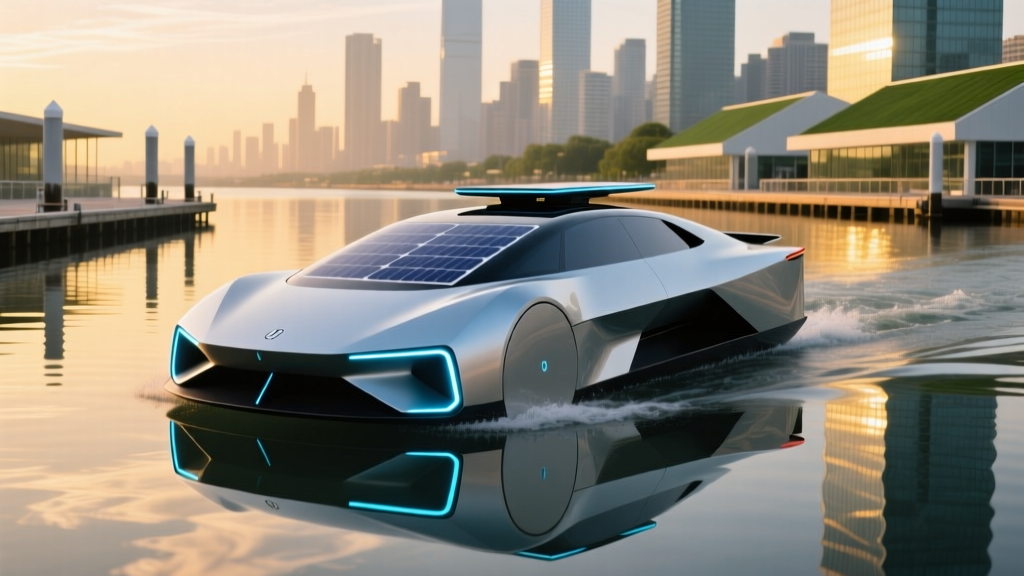
Electric hydrofoil performance refers to the speed, ride time, efficiency, and handling characteristics of battery-powered hydrofoil boards (eFoils) and hydrofoil-equipped electric watercraft. In 2026, consumer eFoils typically deliver top speeds of 20–30 mph, ride times of 60–120 minutes per charge, and run on lithium-ion battery packs ranging from 1.5 to 3.5 kWh. The same electric-motor and battery technologies driving the EV revolution on roads — brushless DC motors, high-density NMC cells, and sophisticated battery management systems — are what make modern electric hydrofoils viable. However, these are recreational watercraft, not road-legal vehicles, and they do not qualify for federal EV tax credits under IRS §30D.
How Electric Hydrofoil Technology Connects to the EV Ecosystem
If you're researching electric vehicles and stumbled onto electric hydrofoil performance, the overlap is real but narrow. Electric hydrofoils — commonly called eFoils — use the same core powertrain architecture as electric cars: a high-energy-density battery pack, a motor controller (inverter), and an electric motor. The difference is scale.
Where a Tesla Model Y carries an ~75 kWh battery and a 300+ kW motor, a premium eFoil like the Lift 5 or Fliteboard Ultra carries a 2.1–3.5 kWh battery and a 5–12 kW motor. The engineering principles — thermal management, discharge C-rates, regenerative efficiency, cell chemistry trade-offs — are identical. Many eFoil manufacturers source cells from the same suppliers (Samsung SDI, LG Energy Solution) that supply the automotive EV market.
For EV enthusiasts and owners, electric hydrofoils represent a compelling extension of electric mobility: silent, zero-exhaust-emission recreation on lakes, rivers, and coastal waters. But they come with their own set of ownership realities that mirror — and sometimes exceed — those of electric cars.
Electric Hydrofoil Performance by the Numbers
Here's what the current market's leading eFoils deliver in real-world conditions as of 2026:
| Specification | Lift 5 (2025/2026) | Fliteboard Ultra L | Foilarm Advance | Budget eFoils (Generic) |
|---|---|---|---|---|
| Battery Capacity | 3.5 kWh (NMC) | 2.1 kWh (NMC) | 2.6 kWh (NMC) | 1.5–2.0 kWh |
| Motor Power | ~12 kW peak | ~8 kW peak | ~9 kW peak | 3–5 kW peak |
| Top Speed | ~30 mph | ~28 mph | ~27 mph | 15–20 mph |
| Ride Time (moderate pace) | ~120 min | ~90 min | ~90 min | 45–60 min |
| Charge Time (0–100%) | ~2.5 hours | ~2 hours | ~2.5 hours | 3–5 hours |
| Board + Foil Weight | ~62 lbs | ~55 lbs | ~58 lbs | 50–70 lbs |
| Starting Price (MSRP) | $13,900 | $12,495 | $8,995 | $3,500–$6,000 |
Note: Speeds and ride times vary significantly based on rider weight, water conditions, foil wing size, and throttle usage. A 220-lb rider at full throttle in choppy water will see 30–40% less ride time than the stated moderate-pace figures.
Cost Breakdown: eFoil Ownership vs. Gas-Powered Watercraft
One of the most common questions from EV-minded buyers: does going electric on the water save money the way it does on the road? The answer depends heavily on usage patterns.
| Cost Category | Premium eFoil (e.g., Fliteboard) | Gas Jet Ski (e.g., Sea-Doo RXT) |
|---|---|---|
| Purchase Price | $12,000–$14,000 | $14,000–$18,000 |
| "Fuel" per Session (2 hrs) | $0.30–$0.60 (electricity) | $15–$30 (gasoline, ~8–12 gal) |
| Annual Energy Cost (50 sessions) | $15–$30 | $750–$1,500 |
| Annual Maintenance | $100–$300 (seals, impeller) | $500–$1,200 (oil, filters, winterization) |
| Insurance (Annual) | $200–$500 | $300–$700 |
| Battery/Motor Replacement (5–8 yr) | $2,000–$4,000 | Engine rebuild: $2,000–$5,000 |
| 5-Year Operating Cost (est.) | $1,500–$3,000 | $7,000–$14,000 |
The operating-cost advantage of electric hydrofoils is substantial — but only if you ride frequently enough to offset the high upfront price. At 50 sessions per year, a premium eFoil pays back its fuel savings within 3–4 years compared to a comparable gas personal watercraft. For casual riders who get out 10–15 times a year, the payback extends well past the typical ownership period.
Battery Chemistry and Degradation: What EV Owners Already Understand
Electric hydrofoils almost universally use NMC (nickel manganese cobalt) lithium-ion cells rather than LFP (lithium iron phosphate). The reason is energy density: eFoils need maximum watt-hours per pound because every extra kilogram on the board directly reduces flight time and handling responsiveness. NMC cells offer roughly 200–260 Wh/kg at the cell level versus LFP's ~140–180 Wh/kg — a meaningful difference when total pack weight needs to stay under 20 lbs.
The trade-off is familiar to EV buyers: NMC degrades faster than LFP, especially when regularly charged to 100% or exposed to heat. Expect an eFoil battery to retain roughly 80% of its original capacity after 500–800 full charge cycles. For a rider who goes out weekly year-round, that translates to meaningful range loss after 5–7 years. Replacement battery packs from major manufacturers cost $2,000–$4,000 in 2026.
Best practices for longevity mirror EV battery care:
- Store at 40–60% state of charge when not in use for weeks
- Avoid leaving the battery at 100% for extended periods
- Rinse and dry connectors after saltwater use to prevent corrosion
- Don't charge immediately after a hot session — let cells cool to ambient
Charging Electric Hydrofoils: Home Setup and Practicality
Unlike electric cars, eFoils don't use J1772, CCS, or NACS connectors. Each manufacturer uses a proprietary DC barrel or magnetic connector paired with a dedicated charger that plugs into a standard 120V household outlet. Charging is straightforward but slow:
Common Misconceptions vs. Facts
| Myth | Fact |
|---|---|
| eFoils qualify for the $7,500 federal EV tax credit | They do not. IRS §30D applies to on-road, four-wheeled motor vehicles. eFoils are classified as recreational watercraft. |
| You need a special outlet or 240V circuit to charge an eFoil | Standard 120V/15A outlets are sufficient. Chargers draw 400–800W — similar to a desktop computer. |
| eFoil batteries are interchangeable across brands | Proprietary form factors and BMS protocols mean batteries are brand-locked, much like early EV charging networks. |
| Electric hydrofoils are maintenance-free | Motor seals, impellers, foil bearings, and waterproof connectors require periodic inspection and replacement. |
| Cold water doesn't affect performance | Battery discharge efficiency drops in cold water (below 55°F / 13°C), reducing ride time by 15–25% — similar to EV cold-weather range loss. |
Real-World Ownership Considerations
Beyond the spec sheet, eFoil ownership involves logistical challenges that parallel EV ownership in unexpected ways:
Storage and Transport
A complete eFoil setup (board, mast, fuselage, wings, battery, charger) weighs 60–80 lbs and requires a board bag or rack system. Unlike a car you park in a garage, eFoils need climate-controlled storage to protect batteries and electronics. Many owners dedicate a section of their garage or a storage unit.
Water Access and Regulation
Not all waterways allow motorized watercraft, and eFoil regulations vary by jurisdiction. Some states classify them as "vessels" requiring registration; others treat them as surfboards with no registration needed. Before purchasing, check your state's boating authority and local lake/reservoir rules. Several jurisdictions restrict eFoils to specific zones or require a boating safety certificate.
Learning Curve
Expect 3–8 sessions before achieving consistent, comfortable flight. The balance and throttle-control skills are unlike any other water sport. Most premium brands include or offer beginner-mode software limits that cap speed at 10–12 mph and soften acceleration — a useful feature analogous to the "Chill Mode" in many EVs.
Climate and Seasonality
In northern U.S. climates, eFoil season may run just 4–5 months (June–October). In southern coastal areas, year-round riding is possible but cold-water sessions in winter will reduce battery performance. A wetsuit or drysuit adds cost ($200–$600) for shoulder-season riding.
Decision Framework: Should You Buy an Electric Hydrofoil?
Use this guide to determine whether an eFoil purchase makes sense for your situation:
- Choose an eFoil if: You have regular access to calm, open water (lakes, protected bays); you ride or plan to ride 25+ sessions per year; you value silent, emission-free operation; you're comfortable with a $8,000–$14,000 upfront investment and $2,000–$4,000 eventual battery replacement.
- Choose a gas personal watercraft instead if: You want higher top speeds (60+ mph), longer range without recharging, easier resale, or broader waterway access without regulatory gray areas.
- Wait or rent if: You ride fewer than 15 times per year, live far from suitable water, are unsure about the learning curve, or need the capital for a primary EV purchase where the federal §30D credit applies.
- Consider a budget eFoil ($3,500–$6,000) if: You want to test the sport without premium pricing, accept lower speed (15–20 mph) and shorter ride times (45–60 min), and understand that build quality and waterproofing may not match premium brands.
How eFoil Performance Compares to Gas Watercraft and EVs
To put electric hydrofoil performance in broader context:
- vs. Gas jet skis: eFoils are dramatically quieter (near-silent above water), produce no exhaust or fuel spills, and cost a fraction to "fuel" per session. But gas PWCs reach 60–70 mph, carry multiple riders, and have established dealer/service networks.
- vs. Electric cars: eFoil battery packs are ~2% the size of a typical EV battery (2 kWh vs. 75–100 kWh). The energy density demands are far higher per kilogram, which is why NMC dominates and LFP is impractical. Charging is simpler (120V only) but slower relative to capacity — a full charge takes 2–3 hours versus an EV's Level 2 overnight session.
- vs. Electric boats: Emerging electric pontoon and runabout boats use larger NMC or LFP packs (20–100 kWh) and share more in common with EV architecture. Companies like Candela build full-size electric hydrofoil boats that achieve 27+ knots using flight-control systems derived from the same principles as personal eFoils.
Frequently Asked Questions
Do electric hydrofoils qualify for any tax credits or incentives?
No. The federal §30D clean vehicle credit, as defined by the IRS, applies only to qualified on-road motor vehicles with four wheels and a gross vehicle weight under 14,000 lbs. Electric hydrofoils are classified as recreational watercraft and are ineligible. Some states offer boating-electrification rebates — check your state's energy or natural resources department.
How fast do electric hydrofoils actually go in real conditions?
Premium eFoils (Lift, Fliteboard, Foilarm) reach 25–30 mph in calm water with a rider under 200 lbs. Heavier riders, choppy conditions, and larger foil wings reduce top speed to 20–25 mph. Budget models typically top out at 15–20 mph. For reference, that's roughly half the speed of a mid-range gas jet ski but sufficient for the carving, surfing-style riding that defines the sport.
What happens if the battery dies while I'm on the water?
The board remains buoyant and can be paddled to shore like a large surfboard. All major eFoil brands include a low-battery warning system (haptic or audible) that alerts riders at 20% and 10% remaining charge. Best practice: always start with a full charge, monitor battery level via the handheld remote, and stay within paddling distance of your launch point.
Can I charge an eFoil battery from my EV or a portable power station?
Possibly, but with caveats. eFoil chargers accept standard 120V AC input, so a sufficiently large portable power station (Jackery, EcoFlow, Bluetti — 1,000W+ output) can charge a depleted pack in the field. Some EVs with V2L (vehicle-to-load) capability, like the Hyundai Ioniq 5 or Ford F-150 Lightning, can power an eFoil charger from the vehicle's outlet — a practical perk of EV ownership that extends beyond the car itself.
How long do eFoil batteries last before replacement?
Expect 500–800 full charge cycles before capacity drops below 80% of original. For a weekly rider, that's roughly 7–10 years. For someone riding 3–4 times per week in season, plan on replacement in 4–6 years. Replacement packs cost $2,000–$4,000 depending on brand and capacity — similar in proportion to EV battery replacement costs relative to vehicle price.
Is an eFoil a good complement to EV ownership?
For EV owners who live near water, an eFoil extends the electric-mobility lifestyle beyond the road. The charging infrastructure overlap is minimal (eFoils use standard 120V outlets, not EVSE), but the philosophical alignment — silent operation, zero tailpipe emissions, electricity as the primary energy source — resonates with many EV owners. If you've already invested in home solar or a Level 2 charger, your eFoil sessions are effectively powered by the same clean-energy ecosystem.