The Short Answer on Electric Drag Bikes
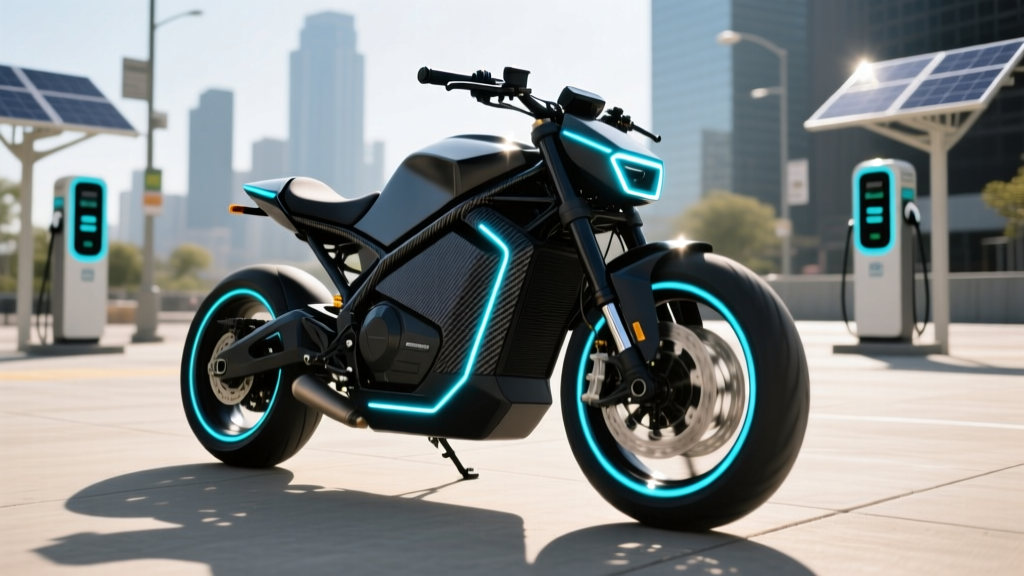
An electric drag bike is a purpose-built, battery-electric motorcycle optimized for straight-line acceleration rather than highway range. Expect base prices from $8,000 to $40,000+ depending on battery capacity and power output, with most street-legal models offering 40–100 miles of real-world range on a single charge. They deliver instant torque (often 0–60 mph in under 3 seconds on performance builds), near-silent operation, and dramatically lower per-mile energy costs compared to gas drag bikes — but they are not commuter vehicles, and public charging infrastructure for motorcycles remains extremely limited. If you want a track-day toy or weekend cruiser with minimal maintenance, they make sense. If you need daily range above 100 miles or live in an apartment without charging access, look elsewhere.
What Exactly Is an Electric Drag Bike?
The term "electric drag bike" covers two distinct categories, and confusing them is the most common buyer mistake:
- Street-legal electric motorcycles with drag styling — Models like the Zero SR/F, Energica Ego+, and LiveWire ONE. These are fully road-legal, have lights, mirrors, and DOT compliance, and prioritize a muscular riding position with strong straight-line performance. Battery capacity typically ranges from 14 to 22 kWh.
- Purpose-built drag racing electric motorcycles — Strip-down competition bikes from builders like Lightning Motorcycles, SHORAI-based customs, and NHRA-legal Pro Stock Electric builds. These may produce 300+ horsepower from battery packs exceeding 20 kWh but often lack street legality. They are trailer-only vehicles.
This guide focuses primarily on street-legal models with drag-oriented performance, as these are what most buyers are researching. If you're building a dedicated race bike, your cost structure and charging requirements will differ substantially.
Electric Drag Bike vs. Gas: The Numbers
The performance gap between electric and gas drag bikes has narrowed dramatically, but the economics still favor gas for dedicated competition use. Here's how they compare across the metrics that matter:
| Metric | Electric Drag Bike (e.g., Zero SR/F, 14.4 kWh) | Gas Drag-Style Bike (e.g., Ducati Diavel V4, 1,158cc) |
|---|---|---|
| Base MSRP | $20,995 | $25,995 |
| Peak Horsepower | 110 HP | 168 HP |
| Peak Torque | 140 lb-ft (instant) | 93 lb-ft (at 7,500 RPM) |
| 0–60 mph | ~3.3 seconds | ~3.0 seconds |
| Real-World Range | 60–82 miles (mixed riding) | 140–170 miles |
| Energy/Fuel Cost per Mile | $0.02–$0.04 (at $0.14/kWh) | $0.08–$0.12 (at $3.80/gal, 40 MPG) |
| Annual Maintenance | $150–$300 (tires, brake fluid, chain) | $600–$1,200 (oil, filters, valves, chain) |
| Weight | ~498 lbs | ~489 lbs |
| Noise Level | Near-silent (gear whine only) | 95–110 dB at full throttle |
The electric bike wins on torque delivery (instant, no clutch, no gear shifts), running costs, and maintenance simplicity. The gas bike wins on peak power, range, refueling speed, and high-speed top-end performance. For quarter-mile passes, a well-tuned electric drag bike's instant torque can actually produce faster 60-foot times, which is why the NHRA introduced dedicated electric motorcycle classes.
Battery, Charging & Real-World Range
Understanding the battery system is the single most important factor in electric drag bike ownership. Here's what the specs actually mean:
Battery Capacity (kWh) — Your Fuel Tank
Most street-legal electric motorcycles use NMC (nickel manganese cobalt) lithium-ion cells, chosen for high energy density. Usable capacities range from about 12 kWh (entry-level) to 22 kWh (premium). Unlike cars, most electric motorcycles do not have active liquid cooling on the battery pack, which means sustained high-speed riding or repeated drag passes will heat the cells and trigger power derating.
Charging Speeds (kW) — Your Refueling Rate
| Charging Level | Power (kW) | Time to Full (14.4 kWh Pack) | Miles Added per Hour |
|---|---|---|---|
| Level 1 (120V household) | ~1.0 kW | ~14–16 hours | ~5–7 miles |
| Level 2 (240V home/public) | ~3.3–6.6 kW | ~2.5–4.5 hours | ~20–40 miles |
| DC Fast Charge (CHAdeMO/CCS) | ~6–12 kW (motorcycle-limited) | ~1–2 hours (0–80%) | ~40–65 miles |
Real-World Range Reality Check: A Zero SR/F with a 14.4 kWh battery and optional Power Tank (17.3 kWh total) carries an EPA-estimated range of 82 miles city / 43 miles highway (source: fueleconomy.gov). Aggressive drag-style riding — hard acceleration, high speeds — will push you toward the low end of that range or below it. Plan for 40–60 miles of usable range if you ride with enthusiasm. Cold weather (below 40°F) reduces range by an additional 15–25% due to increased battery internal resistance and cabin-heating absence on motorcycles.
Critical charging limitation: Most electric motorcycles charge at far lower rates than electric cars. While a Tesla Model Y can accept 250 kW at a Supercharger, a Zero SR/F tops out at roughly 6.6 kW on Level 2 and about 12 kW on DC fast charge. This means you cannot rely on public charging to extend a ride mid-day the way you can with an EV car. Plan rides within your battery's range and charge overnight at home.
Total Cost of Ownership: 5-Year Breakdown
Let's compare the real 5-year cost of owning an electric drag-style motorcycle versus a gas equivalent, assuming 3,000 miles per year (weekend/track-day use):
| Cost Category | Electric (Zero SR/F, $20,995) | Gas (Ducati Diavel V4, $25,995) |
|---|---|---|
| Purchase Price | $20,995 | $25,995 |
| Federal Tax Credit (§30D)* | $0 (motorcycles excluded from §30D as of 2026) | $0 |
| State Incentives** | $0–$1,500 (varies by state) | $0 |
| Energy/Fuel (5 yrs, 15,000 mi total) | $300–$600 | $1,200–$1,800 |
| Maintenance (5 yrs) | $750–$1,500 | $3,000–$6,000 |
| Insurance (5 yrs avg.) | $4,000–$6,000 | $4,500–$7,000 |
| Tires (5 yrs, high-performance) | $1,200–$1,800 | $1,200–$1,800 |
| 5-Year Total | ~$26,245–$30,895 | ~$35,895–$42,595 |
*The federal §30D Clean Vehicle Credit applies to four-wheeled vehicles with a GVWR under 14,000 lbs. Electric motorcycles do not qualify. A separate two-wheeled plug-in credit existed previously but expired and was not renewed as of 2026. Check irs.gov for any legislative updates.
**Some states (California, Colorado, Oregon) offer separate electric motorcycle rebates. Check your state energy office for current programs.
The electric bike saves roughly $5,000–$12,000 over five years in fuel and maintenance alone, which largely offsets its purchase price. However, depreciation on electric motorcycles has historically been steeper than on desirable gas bikes — factor in a 40–55% resale value retention over five years for electric, versus 55–70% for premium gas models.
Common Misconceptions — Myth vs. Fact
| Myth | Fact |
|---|---|
| "Electric drag bikes are faster than any gas bike in the quarter-mile." | At the top end, no. Purpose-built gas drag bikes still hold most NHRA records. But street-legal electric bikes deliver faster reaction times and 60-foot times due to instant torque, making them highly competitive in bracket racing. |
| "You can charge an electric motorcycle at any EV charging station." | Most public DC fast chargers use CCS1 or NACS connectors designed for cars. Motorcycles typically use J1772 (Level 2) or CHAdeMO (DC fast). You'll need adapters, and many car-oriented charging stalls physically cannot accommodate a motorcycle safely. Level 2 public chargers are your best bet. |
| "The battery will need replacing in 3–5 years." | Modern NMC motorcycle batteries are warrantied for 5 years with unlimited mileage (Zero Motorcycles) or 3 years/30,000 miles (Energica). Real-world degradation data shows 80–90% capacity retention at 5 years for typical weekend use. Full pack replacement costs $3,000–$5,000. |
| "Electric motorcycles don't need any maintenance." | They need less, but not zero. You still need tire changes (more frequent due to instant torque), brake fluid flushes, chain/belt adjustment, suspension service, and software updates. Budget $150–$300 annually. |
| "I can get a federal tax credit for an electric motorcycle." | As of 2026, the §30D credit applies only to four-wheeled vehicles. The old two-wheeled plug-in credit (IRC §30D(g)) expired and has not been renewed. State incentives may apply. |
First-Time Buyer Decision Framework
Should You Buy an Electric Drag Bike?
Choose an electric drag bike IF:
- You have access to a 120V or 240V outlet at home (garage, driveway, or dedicated parking spot with outlet access).
- Your typical ride is under 60 miles round-trip, or you're primarily riding to/from a track day with a truck or trailer.
- You value instant torque, silent operation, and minimal maintenance over top-end horsepower and range.
- You live in an area with noise restrictions or want to ride early mornings without disturbing neighbors.
- You're comfortable planning rides around battery range and don't need spontaneous 200-mile day trips.
Stick with a gas drag-style bike IF:
- You live in an apartment or condo with no charging access and cannot install a Level 2 charger.
- You regularly ride 100+ miles in a single day and don't want to plan stops around 2–4 hour charge sessions.
- You want maximum peak horsepower (150+ HP) for competitive open-class drag racing.
- You ride in extreme cold (below 25°F) frequently, where battery range drops 25%+ and charging slows further.
- Resale value retention is a top priority — gas performance motorcycles hold value more predictably.
Home Charging Setup for Motorcycles
Most electric drag bike owners charge exclusively at home, and the good news is that motorcycle charging requirements are modest compared to electric cars:
- Level 1 (included with most bikes): Plugs into a standard 120V household outlet. Adds roughly 5–7 miles of range per hour. A full charge from empty takes 14–16 hours. This works fine if you ride 30–40 miles and can charge overnight.
- Level 2 (recommended upgrade): Requires a 240V outlet (NEMA 14-50 or hardwired). Adds 20–40 miles per hour, cutting full charge time to 2.5–4.5 hours. A licensed electrician will charge $500–$1,500 for a dedicated 240V circuit if your panel has capacity. If you need a panel upgrade (100A → 200A), add $1,500–$3,000.
Because motorcycle batteries are small (12–22 kWh vs. 60–100 kWh in cars), even Level 1 charging is often sufficient for weekend riders. This is one area where electric motorcycle ownership is genuinely easier than electric car ownership.
Frequently Asked Questions
How fast is an electric drag bike in the quarter-mile?
Street-legal electric motorcycles like the Zero SR/F run the quarter-mile in approximately 11.5–12.5 seconds at 105–115 mph. Purpose-built electric drag bikes (Lightning LS-218, custom NHRA builds) have broken into the 9-second and even 7-second range, but these are not street-legal production vehicles. For context, a gas-powered Suzuki Hayabusa runs roughly 10.0–10.5 seconds stock.
Can I ride an electric drag bike in the rain?
Yes. All major street-legal electric motorcycles (Zero, Energica, LiveWire) are IP-rated for weather resistance and can be ridden in rain without issue. The battery pack, motor, and electronics are sealed. However, like any motorcycle, wet roads reduce traction — and the instant torque of an electric motor requires extra throttle caution in wet conditions.
What happens to the battery after 10 years?
Based on current NMC cell degradation curves, expect 70–85% capacity retention at 10 years for a motorcycle used primarily on weekends and stored at moderate charge levels (40–80% SoC). That means a bike that originally went 70 miles might go 50–60 miles at year 10. Replacement battery packs cost $3,000–$5,000 installed. Some manufacturers offer battery refurbishment programs at lower cost.
Do electric drag bikes have regenerative braking?
Yes. Most models offer adjustable regenerative braking that recaptures energy during deceleration, extending range by roughly 5–15% in stop-and-go riding. On a drag bike, regen is less impactful since most riding is open-road or track use. Some models (Zero, LiveWire) allow you to dial regen from minimal (coasting feel) to strong (one-handed riding in traffic).
Is insurance more expensive for electric motorcycles?
Insurance premiums for electric motorcycles are generally comparable to or slightly lower than equivalent gas bikes. The lower repair frequency (no engine internals to damage) offsets the higher battery replacement cost. Expect $800–$1,200 per year for a $20,000 electric motorcycle with a clean riding record. Get quotes from Progressive, GEICO, and specialty motorcycle insurers — rates vary widely by state and rider profile.
Where can I charge an electric motorcycle on a road trip?
Your options are limited. Most public DC fast chargers are designed for cars and may not have motorcycle-friendly parking or the correct connector (CHAdeMO is most common for bikes; CCS1 adapters exist but are bulky). Your best strategy: use PlugShare or ChargeHub apps to locate Level 2 public chargers at restaurants, hotels, or shopping centers, and plan 2–3 hour mid-ride charging stops. Many electric motorcycle owners simply trailer their bikes to events rather than ride long distances.