The Real Price of Going Electric on the Dirt
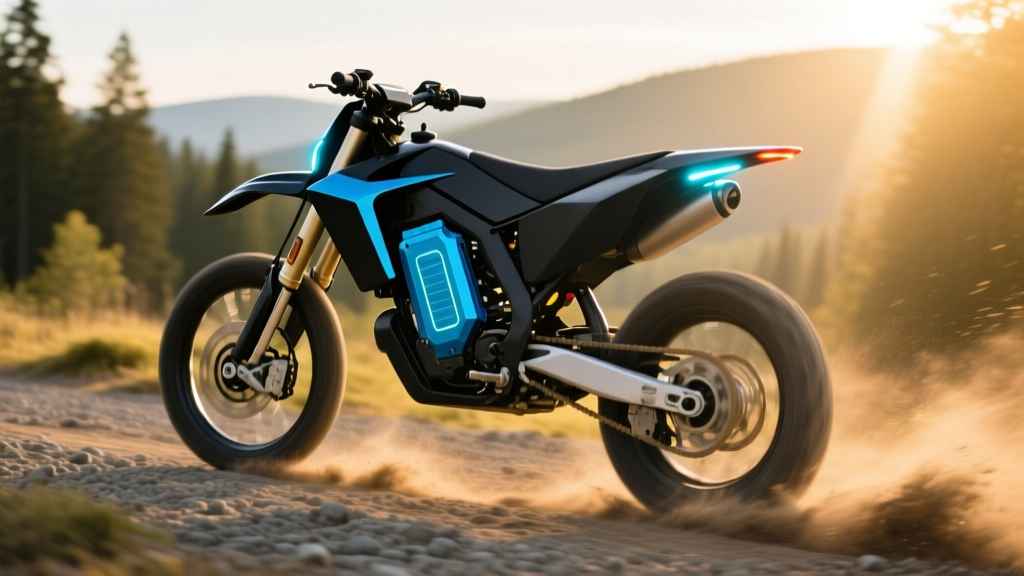
If you've typed "how much does an electric dirt bike cost" into a search bar, you're not alone — and the answer is more layered than any single MSRP sticker. Electric dirt bikes in 2026 range from roughly $6,000 for entry-level trail models to $13,000+ for full-size motocross-ready machines. But the purchase price is only the beginning. Battery capacity (measured in kWh — the total energy stored), motor output (measured in kW — the power delivered to the rear wheel), charging infrastructure, and long-term ownership costs all factor into what you'll actually spend.
Unlike electric cars, electric dirt bikes occupy a unique niche: they're lightweight, produce instant torque, and eliminate the noise and exhaust fumes of gas-powered motocross bikes. That makes them legal on many trails where gas bikes are banned. But they also come with trade-offs — shorter range, longer recharge times, and a smaller used market. Let's break down every cost layer.
2026 Electric Dirt Bike Pricing by Model
The electric dirt bike market has consolidated around a few proven players. Here's what the major models cost in 2026, with their key powertrain specs:
| Model | Base MSRP | Battery (kWh) | Peak Motor (kW) | Claimed Range | Charge Time (0–100%) | Weight (lbs) |
|---|---|---|---|---|---|---|
| KTM SX-E 5 | $11,599 | 1.44 kWh (NMC) | 15 kW | ~2 hrs riding (varies) | ~1.5 hrs (Level 1, 120V) | 232 |
| Stacyc 16eDrive | $4,499 | 0.72 kWh | 5 kW | ~45 min ride time | ~1 hr | 95 |
| KTM SX-E 3 | $6,899 | 0.96 kWh (NMC) | 7 kW | ~1.5 hrs riding | ~1 hr | 175 |
| Husqvarna EE 5 | $11,399 | 1.44 kWh (NMC) | 15 kW | ~2 hrs riding | ~1.5 hrs | 235 |
| Sur-Ron Light Bee X | $4,495 | 1.92 kWh (NMC) | 6 kW | ~40 mi (street/eco) | ~2.5 hrs | 110 |
| Cobra E-Cross | $8,999 | 1.8 kWh (NMC) | 12 kW | ~1.5 hrs riding | ~2 hrs | 165 |
Key takeaway: You'll spend between $4,500 and $12,000 for a quality electric dirt bike in 2026. The KTM SX-E 5 and Husqvarna EE 5 lead the performance category at around $11,500, while the Sur-Ron Light Bee X and Stacyc 16eDrive serve as affordable entry points. Note that range on electric dirt bikes is typically measured in ride time (hours/minutes) rather than miles, because off-road riding intensity varies enormously — aggressive motocross laps drain the battery 3–4x faster than casual trail cruising.
5-Year Total Cost of Ownership Breakdown
Purchase price is just the entry fee. Here's a realistic 5-year ownership cost comparison between a typical electric dirt bike (using the KTM SX-E 5 as our reference) and a comparable gas-powered 65cc motocross bike (KTM 65 SX, MSRP ~$5,899):
| Cost Category | Electric (KTM SX-E 5) | Gas (KTM 65 SX) | 5-Year Difference |
|---|---|---|---|
| Purchase Price | $11,599 | $5,899 | +$5,700 (EV) |
| Fuel / Charging (5 yrs, ~100 hrs/yr) | $180 | $2,250 | –$2,070 (EV saves) |
| Maintenance (oil, filters, top-end rebuilds) | $400 | $3,500 | –$3,100 (EV saves) |
| Insurance (5 yrs) | $1,500 | $1,250 | +$250 (EV) |
| Tires, brakes, consumables | $1,200 | $1,400 | –$200 (EV saves) |
| Depreciation (est. resale after 5 yrs) | –$5,800 (50% retained) | –$2,400 (59% retained) | –$3,400 (EV loses more) |
| Net 5-Year Cost | $9,079 | $11,899 | EV saves ~$2,820 |
The electric dirt bike costs significantly more upfront, but fuel and maintenance savings narrow the gap substantially over five years. The biggest wildcard is depreciation — the used electric dirt bike market is still young, so resale values are less predictable than gas bikes with decades of established pricing.
Charging Cost vs. Gas: The $/Hour Math
This is where electric dirt bikes shine. Let's compare energy costs with concrete numbers:
Electric (KTM SX-E 5):
- Battery capacity: 1.44 kWh (usable)
- Full charge at home (avg US electricity rate: $0.16/kWh per EIA data): $0.23 per full charge
- Ride time per charge (moderate trail riding): ~1.5 hours
- Cost per riding hour: ~$0.15
- Annual cost (100 hrs/yr): ~$15
Gas (KTM 65 SX):
- Fuel tank: 0.9 gallons; avg consumption: ~0.5 gal/hr (moderate riding)
- Premium gasoline (required for high-compression 2-stroke): ~$4.50/gal (2026 avg)
- Cost per riding hour: ~$2.25
- Annual cost (100 hrs/yr): ~$225
Over 500 riding hours across five years, you'll spend roughly $75 on electricity versus $1,125 on gasoline. That's a $1,050 savings on fuel alone — and that's before factoring in premix oil ($8–12 per gallon of mixed fuel) that 2-stroke gas bikes require.
Maintenance: Where Electric Dirt Bikes Really Save
Gas-powered dirt bikes, especially high-strung 2-strokes, are maintenance-intensive. Electric dirt bikes eliminate the vast majority of those costs:
| Maintenance Item | Gas Dirt Bike | Electric Dirt Bike |
|---|---|---|
| Engine oil changes | Every 5–10 hrs ($15–25 each) | Not applicable |
| Air filter cleaning/replacement | Every 2–3 rides ($10–20) | Not applicable |
| Top-end rebuild (piston, rings) | Every 60–100 hrs ($300–600) | Not applicable |
| Carburetor / EFI tuning | Seasonal ($50–150) | Not applicable |
| Chain and sprocket | Every 20–40 hrs ($80–150) | Every 20–40 hrs ($80–150) |
| Brake pads | Every 20–30 hrs ($30–50) | Every 40–60 hrs ($30–50)* |
| Coolant flush | Annual ($20–40) | Not applicable (most are air-cooled) |
| Spark plug | Every 10–20 hrs ($8–15) | Not applicable |
*Electric dirt bikes experience less brake wear due to regenerative braking, which uses the motor to slow the bike and recapture energy into the battery.
Over five years of regular riding, a gas dirt bike will typically consume $3,000–$4,000 in maintenance, while an electric dirt bike's maintenance costs center almost entirely on chain, sprocket, and occasional brake service — totaling roughly $400–$600.
Federal Tax Credits and Incentives: Do You Qualify?
Here's where many buyers get confused. The federal EV tax credit under IRS §30D applies to new clean vehicles, but the rules are specific — and electric dirt bikes occupy a gray area.
§30D Federal Tax Credit Requirements (2026 rules):
- Vehicle classification: Must be a 4-wheeled vehicle with a gross vehicle weight rating (GVWR) under 14,000 lbs. Most electric dirt bikes (2 wheels) do NOT qualify for the $7,500 new-vehicle credit.
- MSRP caps: Vans/SUVs/pickups: ≤$80,000; sedans/other: ≤$55,000
- Buyer income limits: AGI ≤$300,000 (joint), ≤$225,000 (head of household), ≤$150,000 (single)
- Battery sourcing: Critical minerals and battery components must meet escalating domestic-sourcing thresholds (60% minerals / 75% components for 2026)
- Point-of-sale transfer: Eligible buyers can transfer the credit to the dealer for an immediate price reduction at purchase
The bottom line for electric dirt bikes: Because the §30D credit requires four wheels, most standalone electric dirt bikes (KTM SX-E 5, Sur-Ron, Stacyc) do not qualify for the $7,500 federal new-vehicle tax credit. However, there are adjacent incentives worth exploring:
State, local, and utility incentives (vary by region):
- California (CARB/CVRP): Off-road EV rebates of $1,000–$2,500 have been available through the Clean Off-Road Equipment Voucher Incentive Project (CORE). Check California Energy Commission for current availability.
- Colorado: State EV tax credit of up to $5,000 applies to qualifying vehicles — check whether your e-dirt bike's classification qualifies.
- Utility rebates: Some municipal utilities offer $200–$500 rebates for off-road EVs or EV charging equipment.
- Federal 2-wheeled EV credit (expired): The prior §30D provision for 2- and 3-wheeled EVs expired and has not been renewed as of 2026.
Incentive rules change frequently. Always verify current eligibility with your state energy office and a tax professional before purchasing.
Insurance Costs: The Honest Reality
Electric dirt bikes typically cost 10–25% more to insure than equivalent gas models. Here's why:
- Higher replacement cost: A $11,500 KTM SX-E 5 costs more to replace than a $5,900 gas bike, so comprehensive/collision premiums are higher.
- Battery replacement risk: Insurers factor in the cost of replacing a damaged lithium-ion battery pack, which can run $2,000–$4,000 for motocross-grade NMC cells.
- Limited actuarial data: With fewer electric dirt bikes on trails, insurers have less claims history to price from, leading to conservative (higher) premiums.
Expect to pay $250–$400/year for off-road motorcycle insurance on an electric dirt bike, versus $200–$300/year for a gas equivalent. The gap narrows if you only carry liability coverage or if you bundle with homeowner's/renter's insurance.
Depreciation and Resale Value
This is the least favorable ownership metric for electric dirt bikes today:
- Gas dirt bikes hold 55–65% of their value after 5 years (well-established used market, easy to assess engine condition).
- Electric dirt bikes currently retain an estimated 40–55% of their value after 5 years, driven by buyer uncertainty about battery health and a smaller pool of used-EV-dirt-bike buyers.
Battery degradation is the key variable. NMC lithium-ion cells (used in nearly all current electric dirt bikes) typically lose 10–20% of their original capacity over 500–800 full charge cycles. For a bike ridden 100 hours per year with one full cycle per session, that's 500 cycles in 5 years — meaning you can expect ~80–85% of original battery capacity at year five. That's still functional, but buyers will discount the price accordingly.
The resale picture should improve as the used electric dirt bike market matures and battery health reporting becomes more standardized (similar to how Tesla's battery health percentage is now a known quantity in used-car transactions).
Who Should Buy an Electric Dirt Bike?
Choose electric if:
- You ride on noise-restricted trails or residential-adjacent areas where gas bikes are banned
- You want near-zero maintenance between rides (no fuel mixing, no carb cleaning, no top-end rebuilds)
- Your riders are kids/teens learning — electric power delivery is smoother and more controllable
- You ride 1–2 hours per session and can recharge between rides at home
- You value the instant torque and quiet operation for technical trail riding
Choose gas if:
- You need 4+ hours of continuous riding without access to charging
- You compete in motocross races where battery swap logistics aren't yet practical
- Your budget is under $5,000 and you need a proven, widely serviced platform
- Resale value predictability is a top priority
Frequently Asked Questions
How much does it really cost to own an electric dirt bike over 5 years?
Between $8,500 and $10,000 all-in for a premium model like the KTM SX-E 5, including purchase price, charging, insurance, maintenance, and depreciation. That's roughly $2,500–$3,000 less than an equivalent gas bike over the same period, driven by massive fuel and maintenance savings.
Do electric dirt bikes qualify for the $7,500 federal tax credit?
Generally no. The IRS §30D credit requires a 4-wheeled vehicle. Two-wheeled electric dirt bikes do not qualify under current 2026 rules. However, some state-level off-road EV incentives (like California's CORE program) may offer $1,000–$2,500 in rebates. Always check current state and utility programs.
How much do I save on fuel and maintenance vs. a gas dirt bike?
Approximately $2,000–$2,200 in fuel savings and $2,500–$3,000 in maintenance savings over 5 years (assuming 100 riding hours per year). Combined, that's $4,500–$5,200 in operating savings, which largely offsets the higher purchase price.
Are electric dirt bikes more expensive to insure?
Yes, typically 10–25% more per year ($50–$100 extra annually). This is driven by higher replacement cost and battery-replacement risk. The gap narrows with liability-only policies or bundled coverage.
How well do electric dirt bikes hold their value?
Currently, they retain an estimated 40–55% of MSRP after 5 years, compared to 55–65% for gas dirt bikes. Battery degradation (to ~80–85% capacity at 5 years) and a smaller used buyer pool contribute to steeper depreciation. This gap is expected to narrow as the market matures.
How long does an electric dirt bike battery last before replacement?
NMC lithium-ion batteries in dirt bikes are rated for 500–1,000 full charge cycles before dropping to 80% of original capacity. At 100 rides per year, expect 5–10 years of functional use. Full battery replacement costs $2,000–$4,000 depending on the model.
Can I charge an electric dirt bike from a standard outlet?
Yes. Nearly all electric dirt bikes charge from a standard 120V household outlet (Level 1). Charge times range from 1 to 2.5 hours depending on battery size. No special charging equipment or electrical panel upgrade is required.