Quick Answer: Can US Buyers Purchase Electric Chinese Cars in 2026?
As of 2026, Chinese-branded electric vehicles are effectively unavailable to US retail buyers. A combination of 100%+ cumulative tariffs, federal battery-sourcing restrictions under the Inflation Reduction Act, and the absence of a US dealer network means brands like BYD, NIO, Xpeng, and Zeekr cannot sell vehicles to American consumers at competitive prices. While these automakers produce some of the world's most affordable and capable EVs — with models ranging from $10,000 to $50,000 globally — US shoppers should focus on domestically available alternatives that qualify for the §30D federal tax credit and have established service networks.
The Global Rise of Chinese EVs: Why the Buzz?
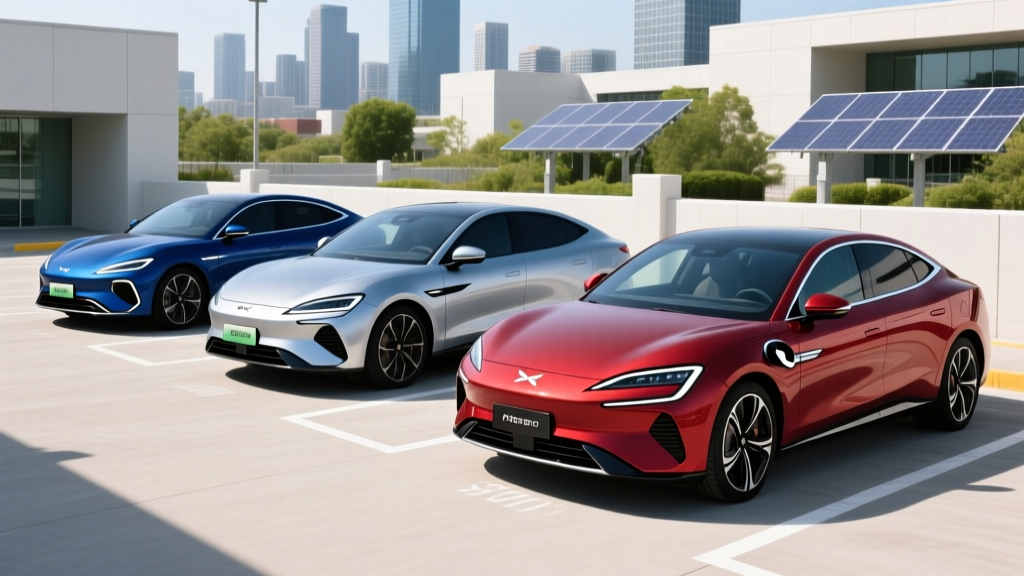
China produces over 60% of the world's electric vehicles and controls roughly 75% of global battery cell manufacturing capacity. Brands like BYD (which briefly surpassed Tesla as the world's top EV seller in late 2023), NIO, Xpeng, Li Auto, and Zeekr (a Geely brand) have expanded aggressively into Europe, Southeast Asia, Australia, and Latin America.
The appeal is straightforward: aggressive pricing enabled by vertical battery supply chains. BYD's Blade battery (LFP chemistry) is manufactured in-house, and the company controls everything from lithium mining to final assembly. The result is vehicles like the BYD Dolphin — a compact hatchback with roughly 260 miles of WLTP range — selling for under $30,000 equivalent in many markets, and the BYD Seagull starting around $10,000 in China.
But global availability and US availability are two very different things.
The Tariff and Regulatory Wall: Why Chinese EVs Can't Reach US Driveways
Three overlapping barriers keep electric Chinese cars out of the American market:
1. Cumulative Tariffs Exceed 100%
In May 2024, the Biden administration announced tariffs on Chinese EVs rising to 100% under Section 301, effective by 2025. This stacks on top of the existing 2.5% import duty and any prior Section 301 levies. The practical effect: a $30,000 Chinese EV would cost a US importer over $60,000 before dealer markup, shipping, and compliance modifications — destroying the price advantage entirely.
2. §30D Federal Tax Credit Battery-Sourcing Rules
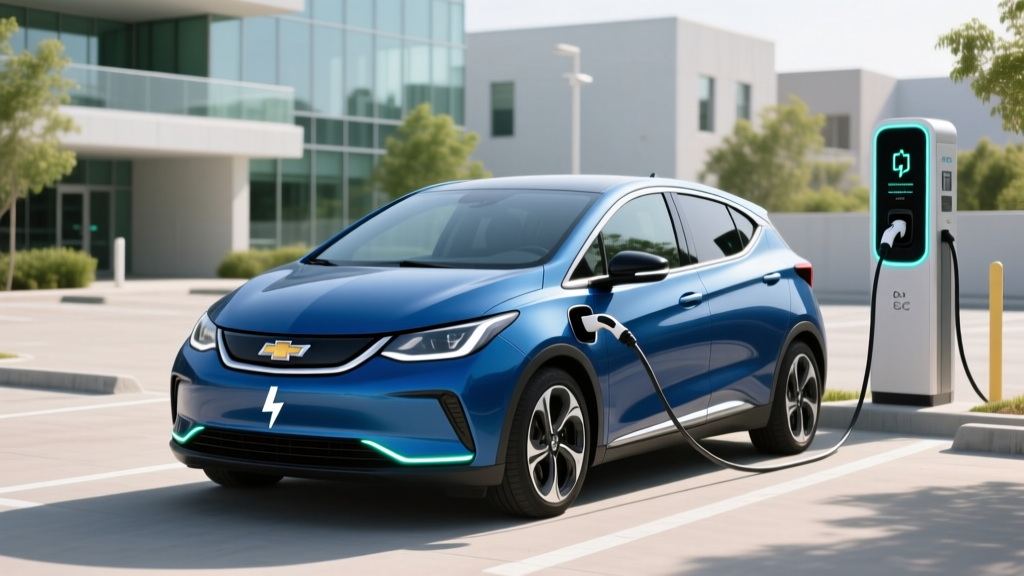
Under current IRS rules, any vehicle with battery components manufactured by a Foreign Entity of Concern (FEOC) — a category that includes Chinese companies — is ineligible for the $7,500 federal EV tax credit. Since virtually every Chinese-brand EV uses batteries from CATL, BYD, or other Chinese suppliers, none would qualify. This is a decisive disadvantage against competitors like the Chevrolet Equinox EV, Hyundai Ioniq 5, or Tesla Model 3, which can access the full credit through point-of-sale transfer. You can review the current sourcing requirements on IRS.gov's qualified vehicles list.
3. No Dealer or Service Network
Even if tariffs were reduced tomorrow, Chinese automakers lack US dealership infrastructure. EVs require specialized service (battery diagnostics, high-voltage system repair, software updates), and no Chinese brand has invested in the hundreds of service centers needed for national coverage.
Common Misconceptions About Electric Chinese Cars in the US
| Myth | Fact |
|---|---|
| "Chinese EVs are flooding the US market" | Zero Chinese-brand EVs are sold through US retail channels as of 2026. Tariffs make import economically impossible. |
| "I can import a BYD or NIO myself" | Federal motor vehicle safety standards (FMVSS) compliance, EPA certification, and DOT import rules make individual import impractical and extremely costly. |
| "Chinese EVs are all cheap and low-quality" | Brands like NIO and Zeekr compete on technology (battery swapping, 800V architectures, advanced ADAS). Euro NCAP has given several Chinese EVs five-star safety ratings. |
| "Chinese batteries are inferior" | CATL and BYD are the world's two largest battery makers. BYD's LFP Blade battery passes nail-penetration tests without thermal runaway. Tesla sources LFP cells from CATL for standard-range Model 3 vehicles sold globally. |
| "Polestar and Volvo are Chinese brands" | Both are owned by Geely (China), but manufacture vehicles in South Carolina (Polestar 4 from 2025), Sweden, and Belgium for the US market with non-Chinese battery supply chains to preserve tax credit eligibility. |
Specs That Make the Headlines: What Chinese EVs Offer Globally
Even though they're unavailable in the US, understanding Chinese EV specs helps contextualize global competition and where the industry is heading. Here's a snapshot of notable models and their published specifications (note: ranges shown are WLTP, which typically overstates distance by 10-15% compared to EPA testing methodology):
| Model | Battery (kWh) | Range (WLTP) | Peak DC Charge | 0-100 km/h | Global Price (approx.) |
|---|---|---|---|---|---|
| BYD Seagull | 44.9 (LFP Blade) | ~250 mi | ~40 kW | ~11.0 sec | ~$10,000 (China) |
| BYD Dolphin | 60.4 (LFP Blade) | ~265 mi | 88 kW | 7.0 sec | ~$28,000 (Europe) |
| BYD Seal | 82.5 (LFP Blade) | ~355 mi | 150 kW | 3.8 sec (AWD) | ~$42,000 (Europe) |
| NIO ET7 | 100 (NMC) / 150 (semi-solid) | ~440 mi (150 kWh) | ~180 kW | 3.8 sec | ~$65,000 (Europe) |
| Xpeng G6 | 87.5 (NMC) | ~355 mi | 280 kW (800V) | 6.2 sec (RWD) | ~$40,000 (Europe) |
| Zeekr 001 | 100 (NMC, CATL Qilin) | ~380 mi | ~200 kW | 3.8 sec (AWD) | ~$55,000 (Europe) |
| MG4 EV | 64 (NMC) | ~280 mi | 135 kW | 7.7 sec | ~$30,000 (UK) |
Note: MG is owned by SAIC (China) and sells in the US only through limited channels without recent models. All prices are approximate market equivalents and do not reflect US tariff-adjusted pricing.
What US Buyers Should Consider Instead
If the value proposition of electric Chinese cars appeals to you — affordability, strong LFP battery technology, competitive range — here are the closest US-market alternatives that actually qualify for incentives and come with service infrastructure:
US-Market Alternatives Compared
| Model (2026) | Base MSRP | EPA Range | Battery | Max DC Charge | §30D Credit Eligible? | Effective Price (est.) |
|---|---|---|---|---|---|---|
| Chevrolet Equinox EV 2LT | $33,600 | 315 mi | 85 kWh (NMC) | 150 kW | Yes (up to $7,500) | ~$26,100 |
| Hyundai Ioniq 5 SE Std Range | $42,600 | 245 mi | 58 kWh (NMC) | 150 kW | Yes (up to $7,500) | ~$35,100 |
| Tesla Model 3 RWD | $38,990 | 272 mi | 57.5 kWh (LFP) | 170 kW | Yes (up to $7,500) | ~$31,490 |
| Nissan Leaf SV Plus | $36,490 | 212 mi | 60 kWh (NMC) | 100 kW (CHAdeMO) | Yes (up to $7,500) | ~$28,990 |
| Volkswagen ID.4 Pro | $40,290 | 275 mi | 82 kWh (NMC) | 175 kW | Yes (up to $7,500) | ~$32,790 |
Effective price assumes full $7,500 §30D credit via point-of-sale transfer. Actual eligibility depends on buyer income (AGI caps: $150K single / $300K joint), vehicle MSRP caps ($55K cars / $80K SUVs), and battery sourcing compliance. Verify current eligibility at fueleconomy.gov.
Real-World Ownership Costs: EV vs Gas Baseline
The strongest argument for any EV — Chinese or otherwise — is total cost of ownership. Here's how a typical US-available EV (represented by the Chevrolet Equinox EV at ~$26,100 after credit) compares to a similarly priced gas crossover (represented by a Toyota RAV4 LE AWD at ~$30,000):
| Cost Category (5 Years / 75,000 Miles) | EV (Equinox EV est.) | Gas (RAV4 AWD est.) |
|---|---|---|
| Purchase Price (after credit) | $26,100 | $30,000 |
| Fuel / Electricity | $3,750 (home charging at $0.14/kWh avg) | $8,100 (28 MPG avg at $3.40/gal) |
| Maintenance | $1,500 (no oil, fewer moving parts) | $3,800 (oil, filters, brakes, belts) |
| Insurance (avg) | $9,500 | $7,500 |
| Estimated Depreciation | $11,000 | $10,500 |
| Total 5-Year Cost | $51,850 | $59,900 |
| Cost Per Mile | $0.69 | $0.80 |
Estimates based on national averages. Your actual costs depend on local electricity rates, driving patterns, climate, and insurance profile. EV insurance premiums are typically 15-25% higher due to repair costs and battery replacement risk.
What First-Time EV Buyers Should Know (Regardless of Brand)
If the conversation around electric Chinese cars has you considering your first EV purchase, here are the ownership realities that apply to any EV you buy in the US market:
Home Charging Is Non-Negotiable for Most Owners
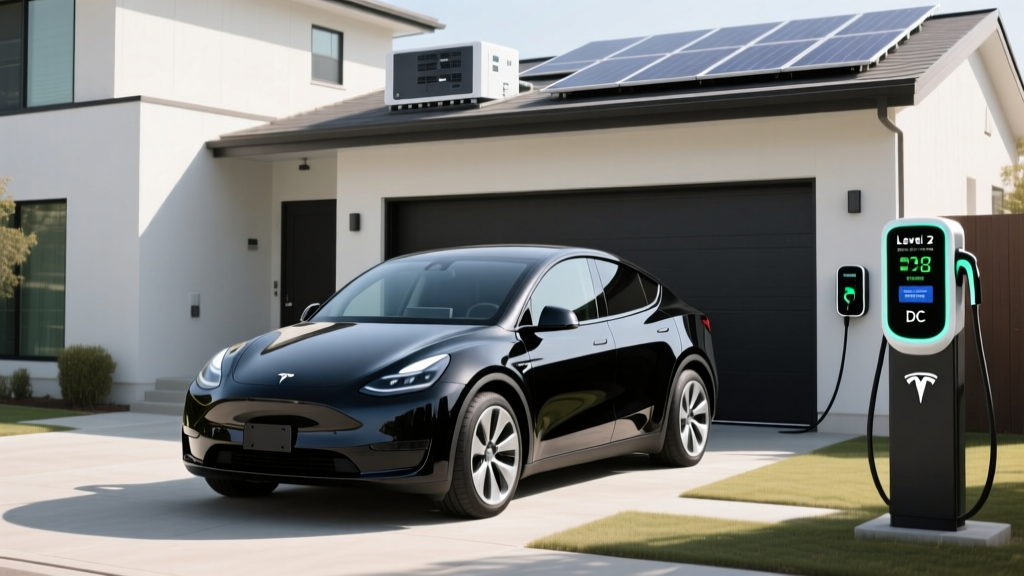
Over 80% of EV charging happens at home. A Level 2 home charger (240V, typically 32-48 amps / 7.7-11.5 kW) adds roughly 25-37 miles of range per hour of charging. Installation costs range from $500-$2,500 depending on panel capacity and wiring distance. If you live in an apartment or lack garage access, public charging dependency will significantly increase your cost per mile and daily friction.
EPA Range vs Real-World Range
The EPA range sticker is a laboratory estimate. In practice:
- Highway driving at 75+ mph: expect 10-20% less than EPA
- Cold weather (below 30°F): expect 20-40% range reduction, depending on whether the vehicle has a heat pump
- DC fast charging: the advertised peak kW rate (e.g., 150 kW) is sustained only between roughly 10-50% state of charge. Above 80%, charging slows dramatically to protect battery health. A "10-80% in 25 minutes" claim does not mean 0-100% in 35 minutes.
Battery Longevity Is Better Than You Think
Modern LFP and NMC batteries are engineered for 1,500-3,000+ charge cycles before significant degradation. Federal law mandates a minimum battery warranty of 8 years / 100,000 miles with a capacity retention threshold (typically 70% of original). Real-world data from Tesla, Nissan, and Chevrolet shows most packs retaining 85-90% capacity at 100,000 miles. Full battery replacement costs range from $5,000-$20,000 depending on pack size, but is rarely needed within the first decade.
Decision Framework: What Should You Actually Buy?
Choose a budget-friendly US-market EV (Chevy Equinox EV, Nissan Leaf) if:
- You want the lowest effective purchase price after the §30D credit
- Your daily commute is under 60 miles round-trip
- You have reliable Level 2 home charging access
Choose a mid-range EV with fast charging (Hyundai Ioniq 5, Tesla Model 3, VW ID.4) if:
- You take regular road trips over 200 miles and need DC fast charging capability
- You want access to the Tesla Supercharger network (NACS-equipped or via adapter)
- 800V architecture and sub-20-minute 10-80% charges matter to you
Choose a PHEV (Toyota RAV4 Prime, Hyundai Tucson PHEV) if:
- You lack home charging access but want some electric-only driving
- You regularly drive in areas with limited public charging infrastructure
- You want zero range anxiety while still reducing fuel consumption
Wait on electric Chinese cars if:
- You were hoping to access ultra-budget EV pricing ($15,000-$25,000) — tariffs and sourcing rules make this impossible in the US for now
- You're interested in BYD's LFP Blade technology — this chemistry is available in Tesla's standard-range models and will expand across other US-market vehicles
The Road Ahead: Could Chinese EVs Enter the US Market?
Several scenarios could theoretically change the landscape, though none appear imminent:
- Local manufacturing: BYD has explored building a factory in Mexico, which could theoretically serve the US market under USMCA trade rules. However, US political opposition and potential additional tariffs on Mexican-assembled Chinese-brand vehicles make this uncertain.
- Technology licensing: Chinese battery technology (particularly CATL's LFP and sodium-ion cells) is already flowing into the US market through licensing deals. Ford's BlueOval City battery plant in Kentucky uses CATL-licensed LFP technology, meaning Chinese battery innovation reaches US buyers indirectly.
- Trade policy shifts: A future administration could reduce Section 301 tariffs, though bipartisan support for protecting the domestic auto industry makes significant reduction unlikely before 2028.
For now, US EV buyers should evaluate the vehicles actually available to them — and there are more affordable, well-equipped options in 2026 than ever before, many benefiting from the very Chinese battery technology that powers vehicles sold elsewhere.
Are any Chinese-made EVs sold in the United States?
Some vehicles manufactured in China by non-Chinese brands have been sold in the US, such as earlier Polestar 2 models and certain Volvo variants. However, these are produced by Geely-owned brands with Western engineering, and most have shifted production to Europe or South Carolina to avoid tariffs and meet battery-sourcing requirements for tax credit eligibility. No Chinese-branded vehicle (BYD, NIO, Xpeng, etc.) is sold through US retail channels.
Why are Chinese EVs so much cheaper than American or European EVs?
Three factors: (1) China controls roughly 75% of global battery cell production, reducing supply chain costs; (2) intense domestic competition among 100+ Chinese EV brands drives aggressive pricing; (3) lower labor costs and government subsidies for the EV supply chain. A BYD Seagull starting at ~$10,000 in China benefits from all three — but adding 100%+ tariffs, shipping, and compliance costs would push a US price well above $25,000.
Is Chinese EV battery technology actually good?
Yes. CATL supplies batteries to Tesla, BMW, and Volkswagen. BYD's Blade battery (LFP chemistry) is recognized for exceptional thermal stability, passing nail-penetration tests without fire. The global industry acknowledges Chinese leadership in LFP cell manufacturing, sodium-ion development, and battery pack integration. The technology gap is real — it's the reason US and European automakers are racing to build domestic battery supply chains.
Will I be able to buy a BYD or NIO in the US by 2028?
This remains unlikely under current trade policy. Both the 100% Section 301 tariff and FEOC battery-sourcing restrictions would need to change. The more realistic path for Chinese EV technology reaching US buyers is through battery supply agreements (Ford-CATL) or Chinese-owned brands manufacturing locally with compliant supply chains (Geely's Polestar/Volvo operations).
What's the cheapest EV I can actually buy in the US that qualifies for the tax credit?
As of early 2026, the Chevrolet Equinox EV 2LT at $33,600 MSRP (effective ~$26,100 after the $7,500 §30D point-of-sale credit) is among the most affordable qualifying EVs with over 300 miles of EPA range. The Nissan Leaf SV Plus at $36,490 (effective ~$28,990) offers 212 miles of range. Always verify current eligibility on fueleconomy.gov before purchasing, as credit qualification can change based on battery sourcing updates.