Quick Answer: Are There Electric Boats?
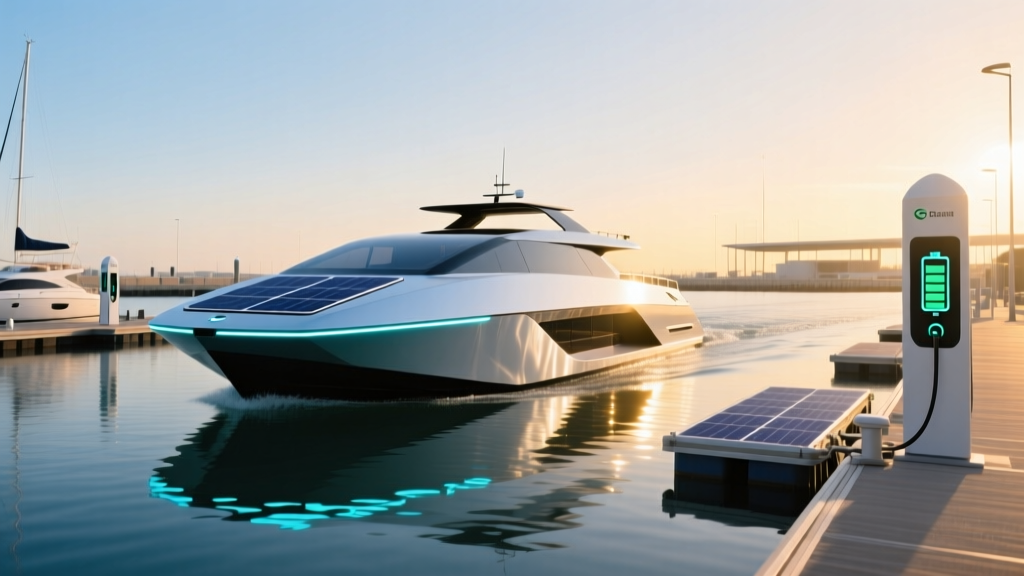
Yes. As of 2026, electric boats are commercially available across several categories: small electric pontoons and bowriders (e.g., Princecraft, Avalon, and startups like Flux Marine and Arc Boats), electric outboard motors (from Torqeedo, ePropulsion, and Mercury's Avator line), and premium electric day boats (such as the Arc One and Candela hydrofoiling craft). Prices range from roughly $8,000 for a portable electric outboard to over $300,000 for high-end electric yachts. However, electric boats remain a niche market compared to electric cars — model availability is limited, charging infrastructure at marinas is sparse, and battery range on water is typically measured in hours, not hundreds of miles.
Important scope note: AutoEdgeView specializes in electric cars, trucks, and SUVs. This guide exists because readers searching "are there electric boats" deserve a factual, data-driven answer — but we'll keep the focus tight and direct you to marine-specific resources for deeper research. The EV ownership principles we cover (battery chemistry, charging logistics, cost analysis) carry over from the automotive world.
The Current State of Electric Boats in 2026
The electric marine market in 2026 mirrors where electric cars were around 2012-2014: real products exist, early adopters are proving the concept, but the ecosystem is still maturing. Unlike road vehicles, boats face unique physics challenges — water creates far more drag than rolling resistance on asphalt, which means energy consumption per mile is significantly higher for watercraft.
Here's what's available today across major categories:
| Category | Example Models (2026) | Battery (kWh) | Typical Range | Price Range (MSRP) |
|---|---|---|---|---|
| Electric outboard motor (portable) | Torqeedo Cruise 10.0, ePropulsion Navy 6.0 Evo, Mercury Avator 35e | 3–15 kWh (external battery) | 10–30 miles (varies heavily by speed/hull) | $3,500–$15,000 |
| Electric pontoon / deck boat | Princecraft Vectra X2 (electric option), Avalon electric pontoon packages | 20–60 kWh | 2–6 hours cruising (15–40 mi at low speed) | $45,000–$95,000 |
| Electric bowrider / day boat | Arc One (by Arc Boats), X Shore Eelex 8000 | 120–226 kWh | 40–100+ miles (speed-dependent) | $150,000–$350,000+ |
| Hydrofoiling electric boat | Candela C-8 | 44–69 kWh | ~50 nautical miles at 22 knots (foiling) | ~€290,000 (~$320,000) |
| Electric sailboat auxiliary | Oceanvolt, Torqeedo inboard systems | 5–30 kWh | Motor-only: 10–40 nautical miles | $12,000–$40,000 (system) |
Key takeaway: Electric boats are real, but "range" on water is almost entirely a function of speed. A planing hull at 25 knots may drain a 60 kWh battery in under an hour, while the same battery at displacement speed (5-6 knots) could last 6+ hours. This is the single most important difference from electric cars, where efficiency varies far less with speed.
Electric Boat vs. Gas Boat: Cost and Efficiency Comparison
Let's compare a typical 22-foot gas-powered bowrider against a comparable electric day boat to understand the economics. We'll use representative 2026 figures.
| Metric | Gas Bowrider (e.g., 200 HP I/O) | Electric Day Boat (e.g., 200 HP equiv.) |
|---|---|---|
| Purchase price (MSRP) | $55,000–$75,000 | $150,000–$250,000 |
| Energy cost per hour (cruising) | ~$35–$55 (at 8–12 GPH, $4.20/gal marina gas) | ~$4–$10 (at 15–30 kW draw, $0.16/kWh avg.) |
| Annual fuel/energy (100 hrs/yr) | $3,500–$5,500 | $400–$1,000 |
| Annual maintenance | $800–$2,000 (oil, impeller, winterization, filters) | $200–$500 (minimal — no engine oil, fewer moving parts) |
| Battery replacement (if needed, ~10-15 yr) | N/A | $15,000–$40,000 (depending on kWh) |
| 5-year operating cost (energy + maintenance) | $21,500–$37,500 | $3,000–$7,500 |
| Noise level at cruise | 75–85 dB | 50–60 dB (near-silent) |
The operating-cost advantage of electric boats is substantial — often 70-85% cheaper per hour on the water. But the purchase-price gap is massive. A gas bowrider at $65,000 versus an electric equivalent at $200,000 means you'd need 15+ years of fuel savings just to break even on the price premium, assuming no battery replacement. This math only works for high-usage commercial operators (rental fleets, water taxis) or buyers who value silence, zero local emissions, and instant torque as lifestyle priorities rather than pure economics.
Battery Technology: What EV Owners Already Know Applies Here
If you've researched electric car batteries, you'll recognize the chemistry options in electric boats:
| Chemistry | Common In | Energy Density | Cycle Life | Safety | Cost |
|---|---|---|---|---|---|
| NMC (Nickel Manganese Cobalt) | Most electric day boats, high-performance models | High (~200–260 Wh/kg) | 1,000–2,000 cycles | Good (requires BMS, thermal mgmt) | Higher |
| LFP (Lithium Iron Phosphate) | Electric pontoons, budget outboards, house banks | Moderate (~140–170 Wh/kg) | 3,000–5,000+ cycles | Excellent (thermally stable) | Lower |
LFP is gaining ground in marine applications for the same reasons it's popular in EVs like the Tesla Model 3 Standard Range and Ford F-150 Lightning Standard Range: longer cycle life, better thermal stability (critical in a marine environment where battery fires are catastrophic), and lower cost per kWh. The trade-off is weight — LFP packs are 30-40% heavier for the same energy capacity, which matters more in boats than in cars because every extra pound increases hydrodynamic drag.
Degradation reality: Marine battery packs typically see 1-3% capacity loss per year with normal use, similar to EV traction batteries. A well-managed NMC pack should retain 80%+ capacity at 10 years. Most manufacturers warranty marine batteries for 5-10 years or 2,000-5,000 cycles at 70-80% retention — always check the specific warranty terms before purchasing.
Charging Electric Boats: The Infrastructure Gap
This is where electric boat ownership diverges sharply from electric car ownership. While 80%+ of EV charging happens at home, most boats live at a marina, dock, or on a trailer — and charging options vary enormously.
Charging Methods Available Today
- Shore power at dock (Level 1/Level 2 equivalent): Most marinas provide 30-amp or 50-amp 120V/240V shore power. A 50-amp 240V connection delivers up to 12 kW — enough to recharge a 60 kWh battery in ~5-6 hours. This works well for overnight charging but is useless mid-outing.
- Portable generator charging: Some electric boat owners carry a gas generator as a range extender — ironic, but practical for remote lakes where shore power doesn't exist.
- Trailer-based charging: Boats on trailers can be charged at home via a standard 240V outlet (like an EV home charger), provided you run appropriate cabling to where the trailer is parked.
- DC fast charging (rare): A handful of forward-thinking marinas in Scandinavia and California have installed marine DC fast chargers (50-150 kW), but this infrastructure is extremely sparse in 2026. The CCS and NACS connectors used in cars are not standardized for marine use yet.
Real-world charging time examples:
| Battery Size | Charging Method | Power (kW) | 0–100% Time |
|---|---|---|---|
| 10 kWh (small outboard) | Standard 120V outlet | 1.2 kW | ~8–9 hours |
| 40 kWh (pontoon) | 240V / 30A shore power | 7.2 kW | ~5.5 hours |
| 120 kWh (day boat) | 240V / 50A shore power | 12 kW | ~10 hours |
| 226 kWh (Arc One-class) | 240V / 50A shore power | 12 kW | ~19 hours |
For larger electric boats, a full recharge can take longer than a night at the dock. This makes trip planning critical and limits same-day round trips to roughly half the battery's range (so you have enough to return).
Real-World Ownership Considerations
Before buying an electric boat, honestly assess these factors:
Your Usage Pattern
Electric boats excel in specific use cases and struggle in others:
- Ideal: Calm inland lakes, slow-speed cruising (5-15 mph), fishing, sailing auxiliary, short day trips with overnight dock charging available. Rental fleet operators benefit from lower per-hour energy cost and reduced maintenance.
- Problematic: Offshore use, watersports requiring sustained high speed (wakeboarding, water skiing), long-distance cruising, areas without shore power infrastructure, cold-climate winter boating (battery performance drops 15-30% in cold water/air).
Climate and Water Conditions
Cold water is the marine equivalent of cold-weather EV range loss. Lithium-ion batteries deliver less usable capacity in cold conditions, and heating the cabin (if enclosed) draws additional energy from the same pack. Expect 20-35% range reduction in water temperatures below 45°F.
Marina and HOA Restrictions
Some marinas have rules about battery charging loads, particularly for large packs that draw sustained high amperage from aging dock electrical systems. Check with your marina before committing to a large electric boat.
Insurance
Marine insurance for electric boats is still evolving in 2026. Some insurers offer discounts for electric propulsion (fewer fire risks from fuel, fewer mechanical failures), while others charge premiums due to the high replacement cost of battery packs. Get quotes before purchasing — don't assume it mirrors your EV auto insurance experience.
Tax Credits and Incentives: Do Electric Boats Qualify?
Here's where the EV automotive world and marine world diverge significantly:
Federal §30D Clean Vehicle Credit: The IRS §30D tax credit (up to $7,500 for qualifying new EVs) applies to road vehicles — cars, trucks, SUVs, and vans. Electric boats do not qualify for the §30D credit. The credit requires the vehicle to be "made primarily for use on public streets, roads, and highways" (source: IRS.gov).
Other potential incentives:
- Some states offer marine electrification grants (e.g., California's CARB clean off-road equipment programs occasionally cover marine)
- Commercial operators may qualify for §179 depreciation deductions or energy investment tax credits (ITC) for charging infrastructure
- Local utility rebates may apply to shore-power installation
Always consult a tax professional for your specific situation — incentive availability varies by jurisdiction and changes frequently.
Common Misconceptions About Electric Boats
| Myth | Fact |
|---|---|
| "Electric boats don't exist yet" | Dozens of models are commercially available in 2026, from $8K outboards to $300K+ day boats. The market is small but real. |
| "They're just as fast as gas boats" | Electric boats have instant torque and can match gas boats in acceleration, but sustained high-speed operation drains batteries extremely fast. Top speed is often limited to preserve range. |
| "You can charge anywhere" | Marine charging infrastructure is far behind EV charging. Most electric boat owners rely on shore power at their home dock. DC fast charging at marinas is rare. |
| "Electric boats are cheaper overall" | Cheaper to operate per hour, yes — but the purchase price is 2-4x higher than a comparable gas boat. Total cost of ownership only favors electric at very high annual usage or for commercial fleets. |
| "Batteries are dangerous on water" | Modern marine battery systems include BMS, thermal management, and waterproof enclosures rated IP67+. LFP chemistry further reduces thermal runaway risk. Properly engineered marine battery systems are safe — but cheap, uncertified conversions are a legitimate concern. |
Decision Framework: Should You Buy an Electric Boat?
Choose an Electric Boat If:
- You boat primarily on calm inland lakes or protected waters
- Your typical outing is under 4 hours at moderate speeds
- You have reliable shore power at your dock (240V, 30A+)
- You value silence, zero exhaust fumes, and instant throttle response
- You're a commercial operator (rental fleet, water taxi) with predictable routes and overnight charging
- You want to eliminate winterization, oil changes, and impeller replacements
Stick With a Gas Boat If:
- You regularly boat offshore or in rough conditions requiring high power reserves
- You do watersports (skiing, wakeboarding) requiring sustained high RPM
- Your marina lacks adequate shore power for overnight charging
- You need 200+ mile range in a single outing
- Budget is a primary concern — gas boats cost 50-75% less upfront
- You boat in cold climates where battery performance suffers
Consider a Hybrid/Electric Outboard If:
- You already own a gas boat but want electric auxiliary power for trolling or quiet anchoring
- You want to test electric propulsion without committing to a full electric vessel
- Your budget is under $15,000 for an electrification upgrade
Where to Research Further
Because AutoEdgeView focuses on electric cars, trucks, and SUVs, we recommend these specialized resources for electric boat research:
- BoatUS Magazine — marine-specific reviews and ownership guides
- Torqeedo and ePropulsion — the two largest electric outboard manufacturers, with detailed spec sheets and dealer locators
- Candela (candela.com) — for hydrofoiling electric boat technology
- Arc Boats (arcboats.com) — premium electric day boats with detailed range/charging data
- National Marine Manufacturers Association (NMMA) — industry data and safety standards
Frequently Asked Questions
Are there electric boats you can actually buy in 2026?
Yes. Electric outboards from Torqeedo, ePropulsion, and Mercury (Avator series) are widely available through marine dealers. Full electric boats from brands like Arc Boats, Candela, X Shore, and various pontoon manufacturers can be ordered, though lead times may be 3-12 months depending on the model. The market is small but growing.
How far can an electric boat go on a charge?
Range varies enormously based on speed, hull type, and battery size. A 40 kWh electric pontoon might cover 20-30 miles at 6-8 mph but only 8-12 miles at 20 mph. Hydrofoiling boats like the Candela C-8 achieve ~50 nautical miles at 22 knots by lifting the hull above water drag. Always ask manufacturers for range data at multiple speeds, not just a single "best case" number.
Do electric boats qualify for the $7,500 federal EV tax credit?
No. The IRS §30D Clean Vehicle Credit applies only to vehicles "made primarily for use on public streets, roads, and highways" (IRS.gov). Electric boats, personal watercraft, and other off-road vehicles do not qualify. Some state or local programs may offer marine electrification incentives — check with your state energy office.
How much does it cost to charge an electric boat?
At the US average residential electricity rate of ~$0.16/kWh (2026), fully charging a 40 kWh pontoon battery costs about $6.40. A larger 120 kWh day boat costs ~$19.20 per full charge. Compare this to fueling a gas boat: a 200 HP outboard burning 10 GPH at $4.20/gal costs $42/hour. Over a 100-hour boating season, electric energy costs run $400-$1,000 versus $3,500-$5,500 for gas.
Can I install a charger at my dock like a home EV charger?
Possibly, but it's more complex than a home EV charger installation. Marine electrical systems must meet ABYC (American Boat & Yacht Council) standards, use marine-rated components, and account for corrosion, moisture, and grounding. Expect to pay $2,000-$8,000 for a professional marine electrical installation including a 240V circuit, marine-rated receptacle, and proper GFCI protection. Work with a licensed marine electrician, not a standard residential electrician.
What happens if an electric boat runs out of battery on the water?
You're adrift — same as running out of gas, but without the option to walk to a gas station with a jerry can. Responsible electric boat operators plan trips within their battery range, monitor state of charge (SoC) continuously, and carry a backup plan (sea anchor, VHF radio for assistance, or a small portable generator for emergency charging). Many electric outboards accept external battery packs, so carrying a spare charged battery is a practical backup for smaller systems.
Are electric boats better for the environment than gas boats?
At the point of use, electric boats produce zero exhaust emissions — no unburned hydrocarbons, no oil sheen on the water, no noise pollution disturbing wildlife. This is a meaningful improvement, especially on ecologically sensitive lakes and waterways. However, the full lifecycle impact depends on your electricity source. Charging from a coal-heavy grid reduces but doesn't eliminate the environmental advantage. The manufacturing footprint of large marine battery packs is also significant, similar to EV battery production.