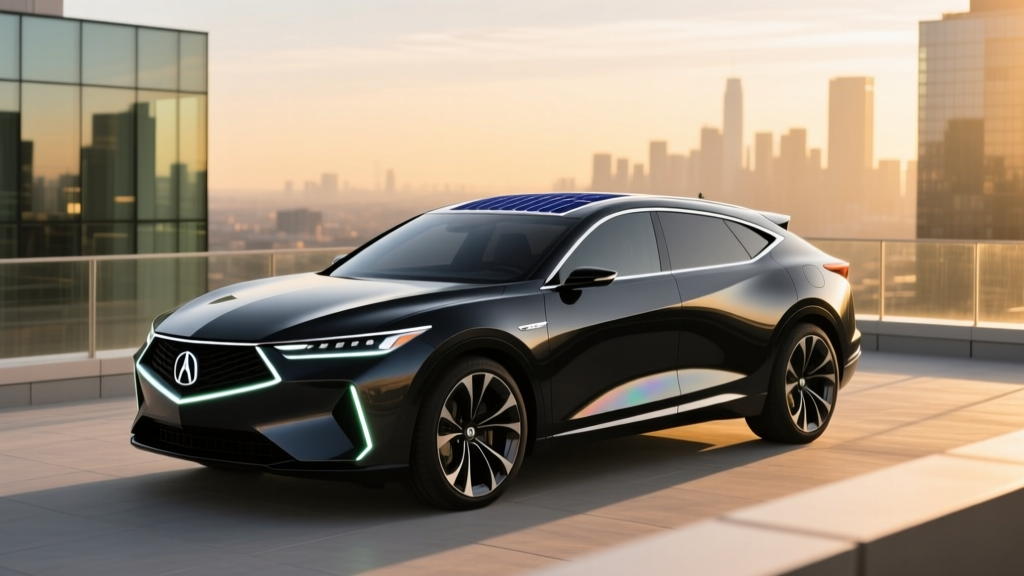
If you're searching for an electric Acura, the 2026 Acura ZDX is currently the brand's only all-electric vehicle available in the U.S. Built on General Motors' Ultium platform, the ZDX offers up to 313 miles of EPA-estimated range in its most efficient configuration, with a starting MSRP around $64,500 before destination. It qualifies for partial or full federal tax credits depending on your income, sourcing, and trim selection — but buyers should verify current-year §30D eligibility before committing. The ZDX competes directly with the Tesla Model X, BMW iX, and Genesis Electrified GV70, and its ownership economics depend heavily on your home charging setup and local electricity rates.
Quick Answer: Should You Buy an Electric Acura?
The 2026 Acura ZDX makes sense if you want a premium electric SUV with strong range (278–313 mi EPA), access to Tesla Superchargers via NACS, and Acura's dealership service network. Expect to pay $64,500–$74,500+ MSRP depending on trim. Federal tax credit eligibility varies by trim and current IRS sourcing rules. If you lack home charging access or regularly drive in extreme cold, weigh those limitations carefully before purchasing.
2026 Acura ZDX: Range, Battery & Charging Specs
The ZDX shares its Ultium battery architecture with the Cadillac Lyriq and Chevrolet Blazer EV, but Acura tunes it for a more performance-oriented driving experience. Here are the hard numbers you need:
| Specification | ZDX A-Spec (RWD) | ZDX A-Spec (AWD) | ZDX Type S |
|---|---|---|---|
| EPA Range | 313 miles | 278 miles | ~270 miles (est.) |
| Battery Capacity | 102 kWh (usable) | 102 kWh (usable) | 102 kWh (usable) |
| Battery Chemistry | NMC (Nickel Manganese Cobalt) | NMC | NMC |
| Peak DC Fast Charge | 190 kW | 190 kW | 190 kW |
| 10–80% DC Charge Time | ~42 minutes | ~42 minutes | ~42 minutes |
| Level 2 Charge Rate | 11.5 kW (AC) | 11.5 kW (AC) | 11.5 kW (AC) |
| Horsepower | 358 hp | 490 hp | 500+ hp |
| 0–60 mph | ~6.2 sec | ~4.5 sec | ~3.8 sec (est.) |
| Base MSRP (2026) | $64,500 | $69,500 | $74,500 |
| Battery/Powertrain Warranty | 8 years / 100,000 miles | 8 years / 100,000 miles | 8 years / 100,000 miles |
Real-World Range Expectations
EPA Sticker: 313 miles (RWD A-Spec) / 278 miles (AWD A-Spec)
Highway (70–80 mph): Expect ~250–270 miles (RWD), ~220–240 miles (AWD)
Cold Weather (below 32°F): Plan for 15–30% range reduction, meaning ~220–265 miles for RWD
Why the gap? EPA testing includes low-speed city driving with regenerative braking recovery. Sustained highway speeds and cold temperatures increase energy consumption significantly. The ZDX's NMC battery also requires preconditioning for optimal fast-charging speeds in cold weather — skip it, and your peak charge rate may drop below 100 kW.
The 190 kW peak DC charging rate is respectable but not class-leading. Competitors like the Hyundai Ioniq 5 peak at 240 kW and can hit 10–80% in roughly 18 minutes. The ZDX's 42-minute 10–80% time means longer stops on road trips — a real consideration if you frequently drive corridors with sparse charging infrastructure. However, Acura's adoption of the NACS connector means ZDX owners can access Tesla's Supercharger network (over 25,000 stalls in North America as of 2026), which significantly expands reliable fast-charging options compared to CCS-only vehicles.
Electric Acura vs Gas Acura: Cost & Efficiency Comparison
The closest gas-powered alternative in Acura's lineup is the Acura MDX, a three-row luxury SUV. Let's compare the real costs of ownership over five years and 75,000 miles:
| Factor | 2026 ZDX A-Spec AWD | 2026 MDX A-Spec (AWD) |
|---|---|---|
| Base MSRP | $69,500 | $58,500 |
| Federal Tax Credit (§30D) | Up to $7,500 (varies by sourcing/income) | $0 |
| Effective Purchase Price | ~$62,000 (if full credit applies) | $58,500 |
| EPA Efficiency | ~86 MPGe combined | 21 MPG combined |
| Energy Cost per Mile | $0.04–$0.06 (home L2, $0.14/kWh avg) | $0.17 (premium gas, $3.50/gal) |
| 5-Year Fuel/Energy Cost (75k mi) | $3,000–$4,500 | $12,750 |
| Maintenance (5 yr / 75k mi) | ~$1,200 (tire rotations, cabin filter, fluid checks) | ~$4,500 (oil changes, brakes, transmission fluid) |
| Estimated Insurance (annual avg) | $2,400–$2,800 | $1,800–$2,200 |
| 5-Year Total Cost of Ownership | ~$78,000–$83,000 | ~$81,000–$85,000 |
The ZDX's higher sticker price is partially offset by the federal tax credit (when eligible), dramatically lower energy costs, and reduced maintenance. Insurance is notably higher for the ZDX — EV insurance premiums run 15–25% above comparable gas vehicles due to higher repair costs and battery replacement risk. Your actual savings depend on electricity rates in your area, annual mileage, and whether you qualify for the full §30D credit.
Compared to a hybrid option like the Acura MDX Sport Hybrid (if available in your market, ~27 MPG combined), the ZDX still wins on per-mile energy cost, but the hybrid's lower purchase price and zero charging dependency make it a pragmatic choice for apartment dwellers or those in charging-desert regions.
Federal Tax Credit & Incentives: What ZDX Buyers Need to Know
The federal EV tax credit under IRS §30D can reduce your effective purchase price by up to $7,500, but eligibility is far from guaranteed. Here's the 2026 checklist:
- MSRP Cap: SUVs must be under $80,000 MSRP. The ZDX A-Spec trims qualify; the Type S may exceed the cap depending on options — verify the final window sticker.
- Buyer Income Limits: Modified AGI must not exceed $300,000 (joint filers), $225,000 (head of household), or $150,000 (single filers).
- Battery Sourcing: The credit splits into two halves — $3,750 for critical minerals sourcing and $3,750 for battery component manufacturing. GM's Ultium batteries have been progressively increasing domestic sourcing, but the exact credit amount for the ZDX varies by model year and production batch. Check the IRS's current qualified vehicle list at irs.gov before purchasing.
- Point-of-Sale Transfer: As of 2024, you can transfer the credit to the dealer at purchase, reducing your out-of-pocket cost immediately rather than waiting for tax filing. This requires the dealer to be registered with the IRS Energy Credits Online portal.
- State & Local Incentives: Many states offer additional rebates ($1,000–$5,000+), utility company charging rebates, and HOV lane access. These vary by jurisdiction — check your state's energy office or afdc.energy.gov for current programs.
Important: Tax credit rules change frequently due to legislative updates and sourcing requirement phase-ins. Always verify eligibility with a tax professional and the IRS qualified vehicle list before finalizing your purchase. Never assume the full $7,500 applies.
Real-World Ownership: Charging, Climate & Daily Practicality
Owning an electric Acura is a fundamentally different experience from owning a gas MDX. Here's what first-time EV buyers need to understand before signing:
Home Charging: The Make-or-Break Factor
The ZDX's 11.5 kW onboard charger means a full Level 2 home charge (from 10% to 100%) takes approximately 9–10 hours. This works well for overnight charging if you have a 240V/48A circuit installed. However, home charging installation costs vary widely:
| Item | Typical Cost Range |
|---|---|
| Level 2 Charger (hardware) | $400–$800 |
| Electrician labor (240V/50A circuit) | $800–$2,500 |
| Electrical panel upgrade (if needed) | $1,500–$3,500 |
| Permit & inspection | $100–$400 |
| Total (typical install) | $1,300–$4,200 |
If your home's electrical panel is already at capacity (common in older homes with 100A service), a panel upgrade to 200A can add significant cost. Always get a quote from a licensed electrician before purchasing an EV — this is the single most overlooked expense in EV ownership planning.
No home charging? The ZDX is still viable if you have reliable workplace charging or live near public Level 2/DC fast chargers. But relying exclusively on public charging raises your per-mile energy cost to $0.08–$0.15 (depending on network pricing), cutting into the EV cost advantage and adding time to your routine. For apartment dwellers without charging access, a PHEV or hybrid may be more practical.
Cold Climate Considerations
NMC batteries lose efficiency in cold temperatures. In sustained sub-freezing conditions (below 32°F), expect 15–30% range reduction due to increased cabin heating demand and reduced battery chemistry efficiency. The ZDX includes a heat pump (standard on most trims), which significantly reduces the energy penalty compared to resistive heating — but the physics of cold batteries still apply.
Practical tip: Always precondition the battery while plugged in before a DC fast-charge session in cold weather. The ZDX's navigation system will automatically initiate preconditioning when you route to a charger, but only if the vehicle is plugged in at home. Unplugged preconditioning draws from the battery itself, partially defeating the purpose.
Driving Patterns & Road Trips
The ZDX's 278–313 mile EPA range covers most daily commutes with substantial margin. For road trips, plan charging stops every 200–240 miles (accounting for highway consumption and a comfort buffer). On a 600-mile trip, expect 2–3 DC fast-charging stops of 35–45 minutes each — longer than gas refueling, but manageable with meal and rest breaks. The NACS connector and Tesla Supercharger access make route planning significantly easier than CCS-only vehicles, especially in rural corridors.
Common Misconceptions About the Electric Acura ZDX
| Myth | Fact |
|---|---|
| "The battery will need replacing in 5 years and cost $20,000" | NMC batteries in modern Ultium-platform EVs are warranted for 8 years/100,000 miles at 70%+ capacity retention. Real-world degradation data from GM's earlier Ultium vehicles suggests ~10–12% loss over 100k miles. Full replacement is rare and covered under warranty for defects. |
| "EVs are worse in cold weather — they can't handle winter" | Range drops 15–30% in extreme cold, but the ZDX's heat pump, AWD system, and battery preconditioning mitigate this. Thousands of EV owners in Minnesota, Canada, and Norway drive year-round. Plan for reduced range, not inability to drive. |
| "I'll save $10,000/year going electric" | Realistic annual fuel savings vs. a gas MDX are $1,500–$2,500 (depending on mileage and electricity rates), partially offset by higher insurance ($400–$800/year more). Total net savings are meaningful but not dramatic in the first few years. |
| "The ZDX is just a rebadged Cadillac Lyriq" | While sharing the Ultium platform and battery, the ZDX has unique suspension tuning, interior design, software calibration, and exterior styling. The driving experience and feature set are distinct, though the core powertrain architecture is shared. |
| "Fast charging damages the battery" | Occasional DC fast charging is fine. The ZDX's thermal management system actively cools the battery during fast charging. Battery degradation studies show that frequent charging above 90% SoC and deep discharges below 10% have more impact than fast charging itself. For daily use, charge to 80–90% on Level 2. |
Decision Framework: Is the Electric Acura ZDX Right for You?
Choose the Acura ZDX if:
- You have home Level 2 charging access (or can install it for under $3,000)
- Your daily commute is under 100 miles round-trip (covering 90%+ of drivers)
- You value NACS/Supercharger access for road trips
- You want a luxury electric SUV with Acura's dealer service network
- You qualify for at least a partial federal tax credit based on income and sourcing
Consider a gas MDX or hybrid alternative if:
- You live in an apartment or condo without charging access and no workplace charging
- You regularly drive 400+ mile trips in regions with sparse charging infrastructure
- Your budget is firmly under $55,000 and the tax credit doesn't apply to you
- You live in an extreme cold climate (sustained -20°F or below) and range loss is unacceptable
- You need three-row seating (the ZDX is a two-row SUV; the MDX offers three rows)
Consider a competing EV if:
- You need faster DC charging (Hyundai Ioniq 5: 240 kW peak, ~18 min 10–80%)
- You want three-row electric seating (Tesla Model X, Rivian R1S, Kia EV9)
- You prefer a sportback/crossover form factor over a traditional SUV
Frequently Asked Questions
Will Acura release more electric models beyond the ZDX?
Acura has announced plans to expand its EV lineup, including a smaller electric SUV expected later in the decade. However, as of 2026, the ZDX remains the only electric Acura you can buy. Any future models are preliminary and specs are not confirmed.
Does the Acura ZDX qualify for the full $7,500 federal tax credit?
It depends on the trim, your income, and current battery sourcing compliance. The ZDX A-Spec trims fall under the $80,000 SUV MSRP cap. However, the critical minerals and battery component sourcing requirements under §30D determine whether you receive $3,750, $7,500, or $0. Check the IRS qualified vehicle list and consult a tax professional before purchasing.
How long does it take to charge the ZDX at home?
On a Level 2 home charger (240V, 48A, 11.5 kW), a full charge from 10% to 100% takes approximately 9–10 hours. Most owners charge overnight and wake up to a full battery. On a standard 120V outlet (Level 1), expect roughly 3–4 miles of range per hour of charging — impractical for daily use but sufficient for occasional top-ups.
Is the ZDX's NACS connector the same as Tesla's?
Yes. The ZDX uses the North American Charging Standard (NACS) connector, which is the same physical connector used by Tesla vehicles. This means ZDX owners can charge at Tesla Supercharger stations (with some adapter considerations for older CCS-equipped chargers). As of 2026, NACS has become the dominant charging standard in North America.
What happens if the ZDX battery degrades significantly?
Acura (via GM's Ultium platform) warranties the battery for 8 years or 100,000 miles, guaranteeing at least 70% capacity retention. If degradation exceeds 30% within the warranty period, the battery will be repaired or replaced at no cost. Real-world data from Ultium-platform vehicles suggests typical degradation of 10–12% over 100,000 miles — well within warranty thresholds.
Can I tow with the Acura ZDX?
The ZDX AWD models are rated for up to 3,500 pounds of towing capacity. However, towing significantly reduces range — expect a 30–50% reduction depending on trailer weight and aerodynamics. If you tow frequently, plan charging stops accordingly and consider the range impact in your purchase decision.
For the latest EPA efficiency data, visit fueleconomy.gov. For safety ratings, check NHTSA and IIHS. Always verify tax credit eligibility at irs.gov before purchasing, as rules and qualified vehicle lists update regularly.