Quick Answer: What First-Time EV Buyers Need to Know in 2026
If you're researching early electric cars as a first-time buyer, here's the reality: today's mainstream EVs deliver 250–340 miles of EPA-rated range, charge from 10–80% in 18–28 minutes at a DC fast charger, and cost roughly $0.04–$0.06 per mile to fuel at home (versus $0.12–$0.16/mile for gas). The federal §30D tax credit can reduce the effective purchase price by up to $7,500, but eligibility depends on your income, the vehicle's MSRP cap, and battery-sourcing rules. The single biggest factor in EV satisfaction is home charging access — buyers with a garage or dedicated parking spot and a Level 2 charger report dramatically higher satisfaction than those relying solely on public infrastructure.
Why "Early Electric Cars" Searches Are Surging in 2026
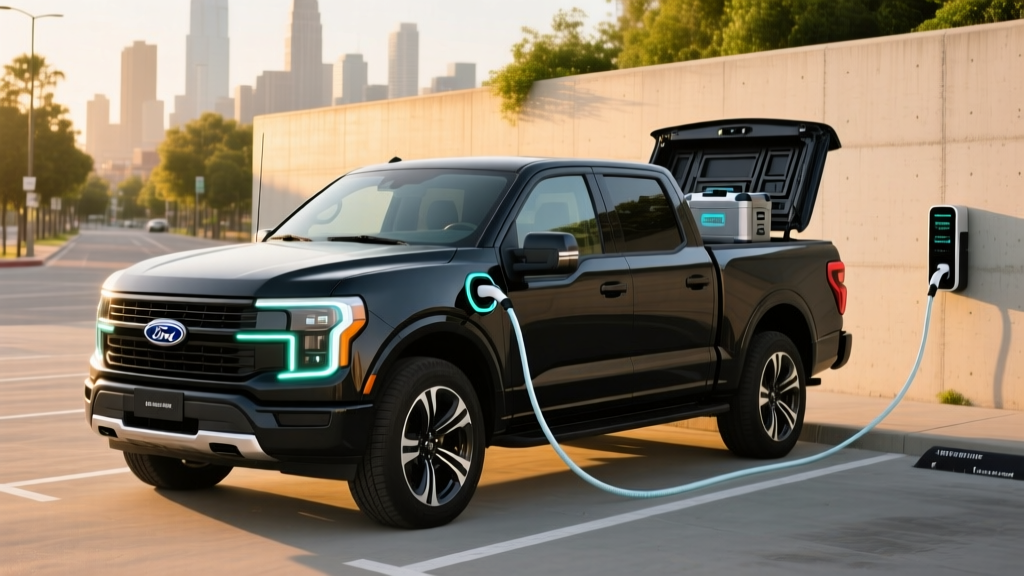
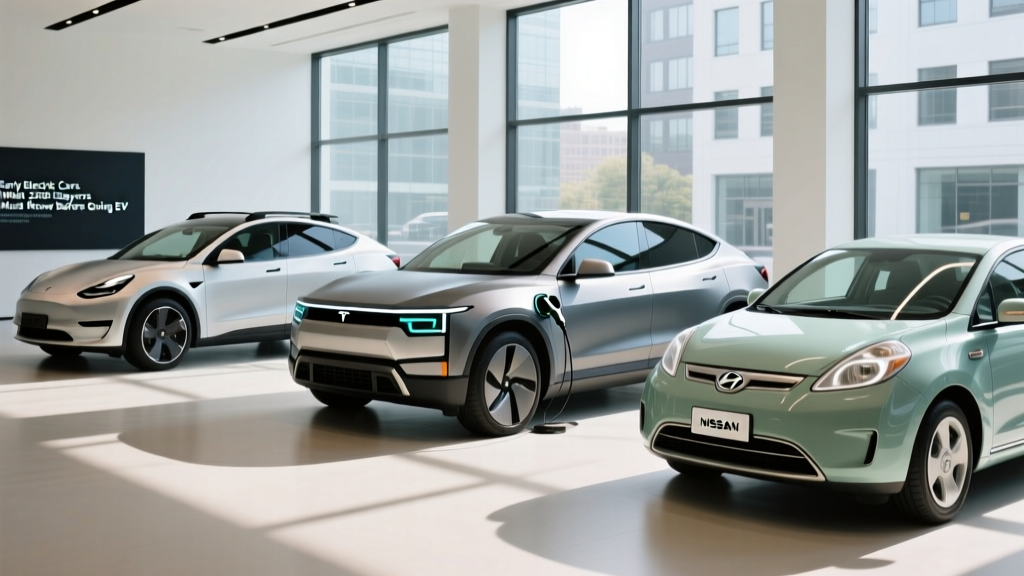
The phrase "early electric cars" reflects a real moment: millions of drivers are crossing from EV-curious to EV-committed. In 2026, the market has matured enough that base-model EVs from Hyundai, Chevrolet, Tesla, Ford, and Volkswagen start between $29,990 and $42,000 before incentives — prices that overlap directly with well-equipped gas compacts and crossovers. The technology is no longer experimental. Battery chemistries like LFP (lithium iron phosphate) have pushed cycle life past 3,000 charge cycles with minimal degradation, and the NACS connector standard has unified the North American charging ecosystem under Tesla's Supercharger network plus Electrify America, EVgo, and ChargePoint.
But maturity doesn't mean perfection. Cold-weather range loss, apartment-dweller charging gaps, insurance premiums that run 15–25% higher than equivalent gas cars, and the complexity of the §30D tax credit all remain real friction points. This guide breaks down the numbers so you can decide whether an EV fits your specific driving life.
Real-World Range vs. EPA Stickers: What You'll Actually Drive
The EPA range sticker on the window is a laboratory composite. Your actual range depends on speed, temperature, terrain, and climate-control use. Here's how popular 2026 entry-point EVs stack up:
| Model (2026) | Battery (kWh) | EPA Range | Real-World Highway (70 mph) | Cold Weather (20°F) | Peak DC Charge (kW) | 10–80% Time |
|---|---|---|---|---|---|---|
| Chevrolet Equinox EV 2LT | 85 kWh (NMC) | 319 mi | ~265 mi | ~220 mi | 150 kW | ~28 min |
| Hyundai Ioniq 5 SE | 84 kWh (NMC) | 303 mi | ~255 mi | ~210 mi | 240 kW | ~18 min |
| Tesla Model 3 RWD | 60 kWh (LFP) | 272 mi | ~235 mi | ~200 mi | 170 kW | ~25 min |
| Volkswagen ID.4 Pro | 82 kWh (NMC) | 291 mi | ~245 mi | ~200 mi | 175 kW | ~28 min |
| Ford Mustang Mach-E Select | 75.7 kWh (NMC) | 250 mi | ~210 mi | ~175 mi | 150 kW | ~30 min |
Key takeaway: Plan your road trips around 75–80% of the EPA sticker for highway driving in moderate weather, and 60–65% in freezing conditions. EVs with heat pumps (standard on the Ioniq 5 and Model 3) lose less range in cold than those using resistive heating. According to fueleconomy.gov, EVs lose roughly 15–30% of range at 20°F depending on whether cabin preheating is used while plugged in.
EV vs Gas vs Hybrid: A Cost-Per-Mile Showdown
Let's compare the economics of a typical early-EV buyer's daily driver against a gas equivalent and a hybrid. We'll use the Chevrolet Equinox EV 2LT ($33,600 MSRP) versus the gas Equinox LT ($29,400) and the Toyota RAV4 Hybrid XLE ($33,250).
| Metric | Equinox EV 2LT | Gas Equinox LT | RAV4 Hybrid XLE |
|---|---|---|---|
| MSRP | $33,600 | $29,400 | $33,250 |
| §30D Tax Credit (est.) | Up to $7,500* | $0 | $0 |
| Effective Price After Credit | ~$26,100 | $29,400 | $33,250 |
| EPA Efficiency | 114 MPGe (29 kWh/100mi) | 28 MPG combined | 39 MPG combined |
| Cost per Mile (fuel) | $0.04 (home L2)** | $0.13 ($3.50/gal) | $0.09 ($3.50/gal) |
| Annual Fuel Cost (12k mi) | $480 | $1,560 | $1,080 |
| 5-Year Fuel Cost | $2,400 | $7,800 | $5,400 |
| Maintenance (5-yr est.) | ~$1,800 | ~$3,500 | ~$3,200 |
*§30D credit eligibility requires buyer AGI ≤ $150k single / $300k joint, vehicle MSRP ≤ $55k (cars) or $80k (SUVs/trucks), and compliance with critical-mineral and battery-component sourcing rules. Verify at IRS.gov. Credit can now be transferred to the dealer at point of sale as an upfront discount.
**Based on $0.14/kWh national average residential electricity rate (EIA 2025). Public DC fast charging costs $0.30–$0.50/kWh, pushing per-mile cost to $0.09–$0.15 — closer to gas.
5-Year Total Cost of Ownership Snapshot
| Category | Equinox EV | Gas Equinox | RAV4 Hybrid |
|---|---|---|---|
| Net Purchase (after credit) | $26,100 | $29,400 | $33,250 |
| Fuel (5 yr) | $2,400 | $7,800 | $5,400 |
| Maintenance (5 yr) | $1,800 | $3,500 | $3,200 |
| Insurance (5 yr est.) | $9,500 | $7,600 | $7,900 |
| Depreciation (5 yr est.) | $12,000 | $13,500 | $11,800 |
| Total 5-Year Cost | $51,800 | $61,800 | $61,550 |
The EV wins on 5-year TCO primarily through the tax credit and fuel savings, but note the higher insurance line — EV premiums average 18–22% more due to repair-cost data from IIHS and higher parts pricing.
Home Charging: The Make-or-Break Factor
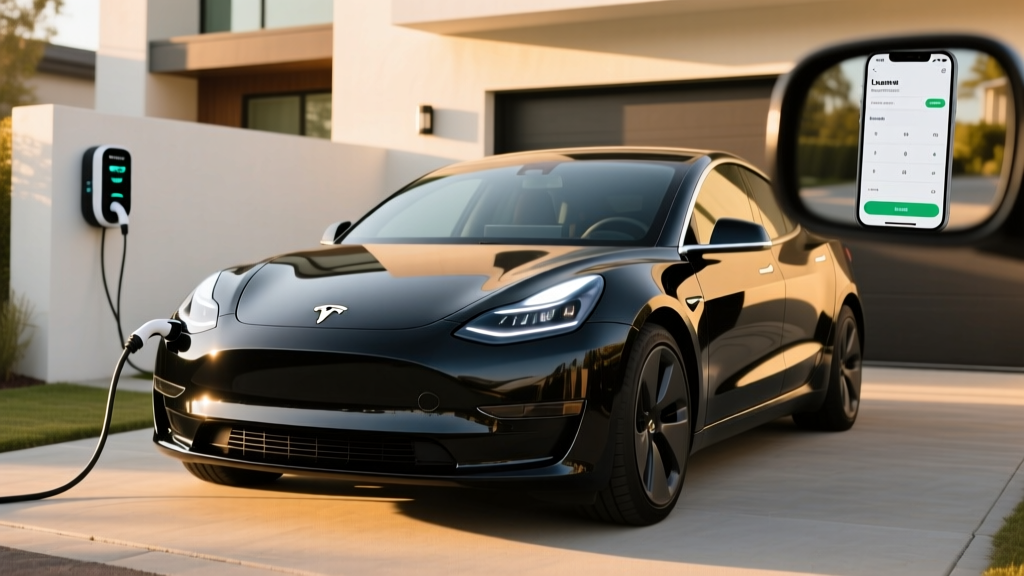
Over 80% of EV charging happens at home. If you have a garage, carport, or dedicated parking space with access to a 240V outlet (NEMA 14-50 or hardwired wall connector), an EV will integrate seamlessly into your routine. If you're in an apartment without charging infrastructure, ownership becomes significantly harder.
| Level | Voltage / Power | Miles Added per Hour | Typical Use Case | Install Cost |
|---|---|---|---|---|
| Level 1 | 120V / 1.4 kW | 3–5 mi/hr | Overnight top-up; PHEVs | $0 (standard outlet) |
| Level 2 | 240V / 7.7–11.5 kW | 25–44 mi/hr | Daily home charging | $500–$2,200 |
| DC Fast | 400–800V / 50–350 kW | 150–1,000+ mi/hr | Road trips | Pay per use ($0.30–$0.50/kWh) |
Level 2 Home Installation Cost Breakdown
| Item | Low End | High End | Notes |
|---|---|---|---|
| Level 2 Charger (hardware) | $200 | $700 | ChargePoint Home Flex, Emporia, Wallbox |
| Electrician labor | $300 | $1,200 | Depends on panel proximity |
| Permit & inspection | $50 | $300 | Varies by municipality |
| Panel upgrade (if needed) | $1,500 | $4,000 | Required if panel is ≤100A or full |
| Total | $550 | $6,200 | Most homes: $800–$1,500 |
If your electrical panel is already 200A with spare breaker slots and the charger location is within 20 feet, expect to pay $800–$1,200 total. Older homes with 100A service or panels in far corners of the basement may require an upgrade. Always get a licensed electrician's assessment before purchasing hardware.
Common Early-EV Myths vs. Facts
| Myth | Fact |
|---|---|
| "EV batteries need replacing every 5 years." | Federal law mandates 8-year/100,000-mile battery capacity warranties (10 years/150k miles in CARB states). Real-world data shows most NMC packs retain 88–92% capacity at 100k miles; LFP packs often exceed 93%. |
| "You can't take an EV on a road trip." | With 250+ miles of range and 18–28 minute 10–80% DC fast charges, a 600-mile trip requires 2 stops adding ~45 minutes total — comparable to gas-car rest stops. The Tesla Supercharger network now has 30,000+ stalls open to NACS-equipped non-Tesla EVs. |
| "EVs are worse for the environment because of battery mining." | Lifecycle analyses from Argonne National Lab show EVs produce 50–70% fewer lifetime emissions than gas equivalents, even accounting for battery production. The grid is also decarbonizing: US electricity is now ~40% renewable/nuclear. |
| "Charging takes forever." | Level 2 home charging adds 25–44 miles per hour — plug in at 10 PM, wake up to a full battery. DC fast chargers deliver 10–80% in 18–28 minutes for most 2026 models. The charge curve tapers above 80% to protect the battery, so road-trip strategy is to charge to 80% and go. |
| "EVs don't work in cold climates." | Range drops 15–30% at 20°F, but preconditioning (warming the battery while plugged in) recovers much of that loss. Norway — where EVs outsell gas cars — averages 35°F in winter. Heat pumps, now standard on many models, cut cabin-heating energy use by 30–50%. |
The §30D Federal Tax Credit: What Actually Qualifies in 2026
The federal clean-vehicle credit remains one of the most powerful — and most confusing — incentives for early electric car buyers. Here's the current framework:
- Buyer income caps: AGI ≤ $150,000 (single), $225,000 (head of household), $300,000 (joint)
- Vehicle MSRP caps: ≤ $55,000 for sedans/wagons; ≤ $80,000 for SUVs, trucks, vans
- Battery sourcing: Increasing percentages of critical minerals and battery components must be sourced from the US or FTA-partner countries — this disqualifies some models with China-sourced cells
- Point-of-sale transfer: You can assign the credit to the dealer at purchase, reducing the sale price upfront rather than waiting for a tax refund
- One vehicle per 3 years: You cannot claim the credit more than once in a rolling 3-year window
The IRS maintains a list of qualifying vehicles that updates periodically. Always confirm eligibility at IRS.gov or with a tax professional before relying on the credit in your purchase math.
Decision Framework: Should You Buy an EV, Hybrid, or Gas Car?
If-Then EV Buyer Guide
- Choose an EV if: You have home Level 2 charging access (or can install it), drive fewer than 300 miles in a typical day, want the lowest per-mile fuel cost, and qualify for the §30D credit. Best for suburban commuters and two-car households replacing one gas car first.
- Choose a PHEV if: You want 30–45 miles of electric-only commuting range but need gas flexibility for frequent long road trips, live in an apartment without reliable charging, or are in a region with sparse DC fast-charger coverage. Models like the Toyota RAV4 Prime (42 mi electric, 38 MPG gas) bridge both worlds.
- Choose a standard hybrid (HEV) if: You have no charging access at all, want better fuel economy without plugging in, and prioritize lower upfront cost. You'll get 35–50 MPG combined without any infrastructure change.
- Wait on an EV if: You drive 500+ miles weekly in rural areas with limited charging infrastructure, rely exclusively on street parking with no outlet access, or your budget is strictly under $25,000 (used EV market is the better play here).
First-Time EV Buyer Checklist
- Verify home charging feasibility. Check your electrical panel (200A preferred), identify a 240V outlet or plan for an electrician visit.
- Calculate your real daily mileage. Most Americans drive 37 miles/day — well within any modern EV's range.
- Check §30D eligibility. Confirm your AGI, the vehicle's MSRP, and the model's battery-sourcing compliance.
- Test-drive in your actual conditions. Highway merge acceleration, one-pedal regen feel, and infotainment usability matter more than spec sheets.
- Get insurance quotes before buying. EV premiums can surprise — shop at least three carriers.
- Download charging apps. PlugShare, A Better Routeplanner, and your vehicle's native navigation will be your road-trip toolkit.
- Understand the charge curve. Peak kW is marketing; sustained kW is reality. Most EVs taper significantly above 80% SoC — plan road-trip stops around 10–80% charges.
Frequently Asked Questions
How long do EV batteries actually last?
Most 2026 EV batteries are designed for 1,500–3,000 full charge cycles before reaching 70–80% of original capacity. For a 300-mile-range EV, that's 450,000–900,000 cumulative miles. Federal warranty mandates cover 8 years/100,000 miles minimum (10 years/150,000 miles in CARB states like California, New York, and Massachusetts). Real-world degradation data from Recurrent Auto shows most EVs retain 90%+ capacity at 60,000 miles. LFP chemistry (used in base Tesla Model 3 and some Ford models) degrades even more slowly than NMC and can be charged to 100% daily without harm.
What happens if I can't charge at home?
Public DC fast charging costs $0.30–$0.50/kWh, which pushes your per-mile cost to $0.09–$0.15 — still potentially cheaper than gas, but the savings gap narrows significantly. Workplace charging, apartment-building Level 2 installations (increasingly required by state right-to-charge laws), and community charging hubs are expanding options. If you truly have zero reliable access to overnight or workplace charging, a PHEV or hybrid is a more practical choice today.
Do EVs cost more to insure?
Yes, typically 15–25% more than an equivalent gas vehicle. The reasons are higher repair costs (specialized body-shop training, expensive battery-pack replacements after collisions, and aluminum-intensive structures). Average annual EV insurance in 2026 runs $1,800–$2,400 depending on model and state. Some insurers now offer EV-specific policies with battery coverage — always compare quotes from GEICO, Progressive, State Farm, and EV-focused carriers like Lemonade or Root.
Is NACS or CCS better for charging?
As of 2026, NACS (the Tesla connector) is the North American standard. Ford, GM, Rivian, Hyundai/Kia, and most major automakers have adopted NACS on new vehicles. Electrify America and EVgo are adding NACS cables alongside CCS. If you buy a 2026 EV, it will almost certainly have NACS — giving you access to Tesla's Supercharger network (the most reliable in the US) plus all major public networks. CCS-only vehicles from 2023–2024 may need an adapter.
What's the cheapest new EV I can buy in 2026?
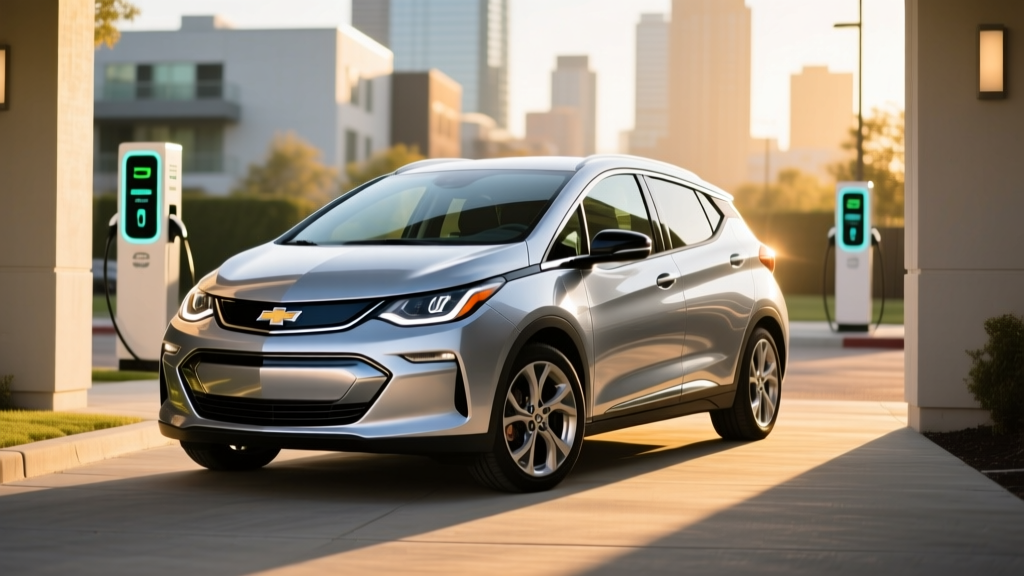
The Chevrolet Equinox EV 2LT starts at $33,600 and qualifies for the full $7,500 §30D credit for eligible buyers, bringing the effective price to ~$26,100. The Nissan Leaf S starts around $28,990 but uses the older CHAdeMO connector and has a smaller 40 kWh battery (149-mile range), making it less practical for most buyers. For a sub-$25k entry point, the used-EV market (with its own $4,000 federal credit for vehicles under $25,000) offers strong options like 2022–2023 Hyundai Kona Electric or Chevrolet Bolt EUV models.