The Short Answer on DIY Electric Outboard Motors
If you've landed here searching for a DIY electric outboard motor, you should know upfront: AutoEdgeView covers electric and hybrid vehicles — cars, trucks, SUVs, and the charging/battery ecosystem that powers them. We don't review marine motors, e-bikes, or scooters. That said, the DIY electric outboard motor movement shares deep DNA with EV ownership: the same lithium battery chemistries (LFP vs. NMC), the same kW-vs-kWh confusion, the same home-charging logistics, and many of the same cost trade-offs. If you're researching electric propulsion — whether for a dinghy, a pontoon, or your daily-driver EV — this guide bridges the gap, giving you the battery, charging, and ownership economics that apply across both worlds.
Why the DIY Electric Outboard Motor Search Leads to EV Ownership Questions
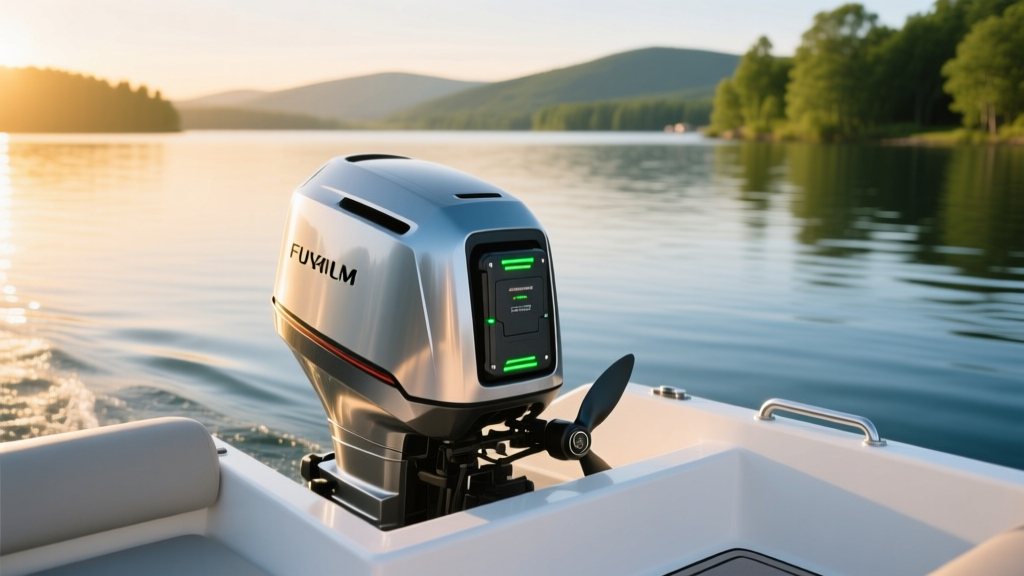
The DIY electric outboard motor community typically converts a small gas kicker or builds a brushless-motor pod powered by salvaged EV battery modules — often pulled from wrecked Nissan Leafs, Chevy Bolts, or Tesla Model S packs. The questions that arise are identical to those a first-time EV buyer faces:
- How many kWh of usable battery do I actually need?
- Can my home electrical panel handle the charging load?
- What's the real-world range (or in marine terms, runtime) versus the sticker claim?
- LFP or NMC — which chemistry is safer for my use case?
These aren't niche hobbyist questions. They're the exact decision points that determine whether a $35,000 EV purchase satisfies or disappoints. Let's break them down with real numbers.
Battery Chemistry: LFP vs. NMC on Land and Water
Whether you're wiring up a DIY electric outboard motor or choosing between a Tesla Model 3 RWD and a Long Range, the chemistry decision is the same.
| Attribute | LFP (Lithium Iron Phosphate) | NMC (Nickel Manganese Cobalt) |
|---|---|---|
| Energy Density | ~160 Wh/kg (heavier, bulkier) | ~250 Wh/kg (lighter, more compact) |
| Cycle Life | 3,000–5,000 cycles to 80% SoH | 1,000–2,000 cycles to 80% SoH |
| Thermal Stability | Excellent — resists thermal runaway | Good — requires active thermal management |
| Cost (2026) | ~$90–$110/kWh at pack level | ~$120–$145/kWh at pack level |
| Cold-Weather Performance | Weaker — ~15–25% range loss at 20°F | Better — ~10–18% range loss at 20°F |
| Common In | Tesla Model 3 RWD, Ford Mustang Mach-E Select, BYD packs | Hyundai Ioniq 5 Long Range, Rivian R1T, BMW iX |
| DIY Marine Suitability | High — safer if submerged, longer life | Moderate — lighter but needs BMS and cooling |
EV buyer takeaway: If you're shopping for a car and prioritize longevity and safety over maximum range, LFP-equipped trims (like the $38,990 base Model 3 RWD with its 272-mile EPA range) often make more financial sense than paying $8,000+ more for an NMC Long Range variant you'll never fully utilize.
kW vs. kWh: The Confusion That Crosses Every Domain
This is the single most common mistake in both EV forums and DIY marine-motor threads. Let's settle it permanently:
- kW (kilowatts) = power, the rate of energy flow. It's the size of the pipe. A 150 kW DC fast charger delivers energy quickly. A 10 kW outboard motor produces roughly 13.4 horsepower.
- kWh (kilowatt-hours) = energy, the total amount stored or consumed. It's the size of the tank. A 75 kWh battery can theoretically deliver 75 kW for one hour, or 10 kW for 7.5 hours.
A DIY electric outboard motor builder might pair a 5 kW motor with a 10 kWh battery pack for roughly 2 hours of runtime at full throttle (less in practice due to Peukert losses and inverter inefficiency). An EV driver with a 75 kWh battery and a motor that averages 25 kW at highway speeds gets roughly 3 hours of driving — or about 180–200 real-world miles before needing a charge.
The math is identical. The application differs.
Cost Comparison: EV Ownership vs. Gas — The Numbers That Matter
Whether you're converting a boat or buying a car, the economic case for electric hinges on the same variables: upfront cost, energy cost per mile, and maintenance.
| Cost Factor | 2026 EV (e.g., Chevy Equinox EV LT) | 2026 Gas Equivalent (e.g., Chevy Equinox AWD) | 2026 Hybrid (e.g., Toyota RAV4 Hybrid) |
|---|---|---|---|
| Base MSRP | $33,600 | $28,600 | $32,550 |
| Federal Tax Credit (§30D) | Up to $7,500 (if eligible) | $0 | Up to $7,500 (PHEV trims only) |
| Effective Price After Credit | ~$26,100 | $28,600 | ~$32,550 |
| Energy/Fuel Cost per Mile | ~$0.04 (home L2, $0.14/kWh avg) | ~$0.13 ($3.30/gal, 26 MPG) | ~$0.09 ($3.30/gal, 39 MPG) |
| Annual Fuel/Energy (12,000 mi) | ~$480 | ~$1,560 | ~$1,080 |
| 5-Year Fuel/Energy Total | ~$2,400 | ~$7,800 | ~$5,400 |
| Maintenance (5-yr est.) | ~$1,800 | ~$3,500 | ~$2,800 |
| 5-Year Total Cost of Ownership* | ~$30,300 | ~$39,900 | ~$40,750 |
*Includes effective purchase price, 5 years energy/fuel, and estimated maintenance. Excludes insurance (typically 10–15% higher for EVs per III data), depreciation, and state incentives.
The DIY parallel: A DIY electric outboard motor build using a $400 brushless motor, a $600 48V 100Ah (4.8 kWh) LiFePO4 battery, and a $150 charger totals roughly $1,150 — versus $800–$1,200 for a new 5 HP gas outboard. The electric setup costs more upfront but eliminates fuel ($6–$10 per outing) and annual carburetor/winterization maintenance (~$100–$200/yr). Payback typically hits within 2–3 seasons for weekend boaters.
Home Charging: The Gatekeeper for EVs and Electric Boats Alike
The number-one predictor of EV ownership satisfaction is reliable home charging. The same applies to anyone charging a DIY electric outboard motor battery pack in their garage.
| Charging Level | Power (kW) | EV Miles Added/Hour | DIY Outboard (10 kWh pack) | Install Cost Range |
|---|---|---|---|---|
| Level 1 (120V, 12A) | 1.4 kW | 3–5 mi/hr | ~7 hours (0–100%) | $0 (standard outlet) |
| Level 2 (240V, 32A) | 7.7 kW | 25–35 mi/hr | ~1.5 hours (0–100%) | $800–$2,500 |
| Level 2 (240V, 48A) | 11.5 kW | 35–50 mi/hr | ~1 hour (0–100%) | $1,200–$3,500 |
| DC Fast Charge | 50–350 kW | 150–300+ mi in 20 min | N/A (most DIY packs lack DC input) | Public only: $0.30–$0.60/kWh |
Panel reality check: Most homes built before 2000 have 100-amp electrical panels. Adding a 48-amp Level 2 EV charger (which draws 60 amps continuous per NEC 125% rule) may require a panel upgrade to 200 amps — costing $1,500–$3,500 before the charger itself. The DIY marine builder charging a 4.8 kWh pack on a standard 120V outlet faces no such hurdle. Always consult a licensed electrician for final specifications.
Real-World Range: Where Stickers Meet Reality
EPA Range vs. What You'll Actually Get
EPA sticker: 2026 Tesla Model 3 Long Range AWD — 341 miles
Real-world highway (70 mph, 75°F): ~280–300 miles
Real-world highway (70 mph, 30°F): ~230–260 miles
Real-world mixed city/highway (75°F): ~310–330 miles
The EPA test cycle includes low-speed city driving with generous regenerative braking recovery. Sustained highway speeds above 65 mph and cold temperatures both reduce range by 10–30%. This is physics, not a defect — and it applies equally to a DIY electric outboard motor running at full throttle against a current versus trolling at 3 mph on a calm lake.
For EV buyers, the practical rule is: multiply the EPA range by 0.75 to get your realistic highway road-trip range, and by 0.65 for cold-weather highway driving. If your typical one-way commute is 60 miles and you lack workplace charging, a 250-mile EPA-rated EV provides comfortable margin — but a 200-mile EPA vehicle may feel tight in January.
Common Misconceptions — Fact-Checked
| Myth | Fact |
|---|---|
| "EV batteries need replacing every 5 years" | Modern NMC and LFP packs are warrantied for 8 years/100,000 miles (10 years/150,000 miles in CARB states). Degradation data from Geotab's fleet study shows average annual capacity loss of ~1.8%, meaning most packs retain 85–90% capacity at year 8. |
| "The §30D tax credit gives everyone $7,500" | The IRS §30D credit has buyer income caps ($150K single / $300K joint), MSRP caps ($55K cars / $80K SUVs/trucks), and battery sourcing requirements. Many popular EVs qualify for only $3,750 or $0 depending on the model year and manufacturing date. Check the IRS qualified vehicle list before purchasing. |
| "Electric motors are always quieter and more reliable than gas" | True for the motor itself — brushless electric motors have fewer moving parts and no carburetor to gum up. But the battery management system (BMS), inverter, and charging electronics add complexity. In both cars and boats, the system is more complex than a simple gas engine, even if the motor is simpler. |
| "You can charge an EV anywhere with a regular outlet" | Level 1 (120V) charging adds only 3–5 miles per hour. For a 75 kWh battery, a full charge from empty takes 50+ hours. This works for plug-in hybrids with small batteries (e.g., the Toyota RAV4 Prime's 18.1 kWh pack charges in ~5 hours on 120V) but is impractical as a primary strategy for full EVs driven more than 30 miles daily. |
| "DIY electric outboard batteries can use any old laptop cells" | Salvaged 18650 cells vary wildly in capacity, internal resistance, and cycle life. Without cell-level testing and a quality BMS with balancing, mismatched cells create hot spots and fire risk. Purpose-built LiFePO4 prismatic cells from reputable suppliers (e.g., EVE, Lishen, CATL) are far safer for marine applications. |
Decision Framework: Should You Go Electric — Car, Boat, or Both?
Choose Electric (EV or DIY Outboard) If:
- You have access to home charging (garage or driveway with a 240V outlet or the ability to install one)
- Your daily driving is under 200 miles one-way (covers 95% of American commutes per DOT data)
- You want to minimize recurring fuel and maintenance costs and plan to keep the vehicle 5+ years
- You live in a region with moderate winters or can precondition your battery while plugged in
- For boats: you primarily troll, cruise at displacement speed, or use the motor for short dinghy runs — not extended high-speed planing
Stick With Gas (or Hybrid) If:
- You lack home or workplace charging and your area has sparse public DC fast-charging infrastructure
- You regularly drive 300+ miles between stops in rural areas or towing heavy loads
- You live in extreme cold (sub-0°F regularly) and lack a heated garage
- For boats: you need extended high-speed range (e.g., offshore fishing 30+ miles out) where battery weight and energy density make electric impractical at current technology levels
- Your budget is under $25,000 and you need a reliable used vehicle now — the used EV market has improved but still skews higher than comparable gas cars at the low end
Consider a Plug-In Hybrid (PHEV) If:
- You want electric-only commuting (25–42 miles in most 2026 PHEVs) with gas-engine freedom for road trips
- You have home charging but frequently travel beyond EV range
- The §30D credit applies to your chosen PHEV (e.g., the Chrysler Pacifica PHEV qualifies for up to $7,500) and your income is within limits
Frequently Asked Questions
Can I use a salvaged EV battery pack for a DIY electric outboard motor?
Technically yes, but with major caveats. Nissan Leaf modules (NMC chemistry) are popular in the DIY marine community but lack active thermal management and degrade faster in hot environments. Tesla modules offer better energy density but require sophisticated BMS programming. For most hobbyists, a purpose-built 48V LiFePO4 (LFP) battery from a marine or solar supplier is safer, simpler, and longer-lasting — at a cost of roughly $100–$130 per kWh in 2026.
Do EVs really save money over gas cars?
Over 5 years and 60,000 miles, a typical 2026 EV saves $4,000–$7,000 in fuel and maintenance compared to a gas equivalent, per the cost table above. However, this assumes home charging at residential electricity rates ($0.12–$0.18/kWh national average). If you rely exclusively on public DC fast charging at $0.35–$0.60/kWh, your per-mile energy cost can exceed that of a fuel-efficient hybrid. The savings are real — but they depend on your charging access.
What does a first-time EV buyer need to know before purchasing?
Five things: (1) Confirm your home electrical panel can support a Level 2 charger — get a quote from a licensed electrician before buying the car. (2) Check IRS §30D eligibility for your specific trim, as credits vary by battery sourcing and your tax liability. (3) Multiply the EPA range by 0.75 to set realistic road-trip expectations. (4) Factor in insurance, which runs 10–15% higher for EVs on average. (5) Understand your battery warranty — most manufacturers guarantee 70% capacity retention over 8 years/100,000 miles, which is a floor, not an expiration date.
How does charging a DIY electric outboard motor battery compare to charging an EV?
A typical DIY outboard battery (5–10 kWh) charges fully overnight on a standard 120V outlet — a luxury EV owners with 75+ kWh batteries don't have. The energy cost is negligible: recharging a 10 kWh pack at $0.15/kWh costs $1.50, versus $8–$15 for a gallon of marine gasoline. The challenge is that most DIY packs lack the sophisticated BMS, thermal management, and charge-curve optimization that production EV batteries include — so DIY builders must be more vigilant about charge limits, storage voltage, and cell balancing.
Is it worth converting to electric if I live in a cold climate?
Cold weather reduces EV range by 15–30% at 20°F, primarily due to battery chemistry resistance and cabin heating demands. EVs with heat pumps (standard on the Hyundai Ioniq 5, Kia EV6, and Tesla Model 3) lose less range than those using resistive heating. If you can precondition your battery while plugged in — warming it before departure using grid power rather than battery power — the impact drops substantially. For a DIY electric outboard motor in cold water, LFP chemistry performs worse than NMC in low temperatures, but the shorter runtime expectations of marine use often make this manageable.