Quick Answer: What Is the Chevy EV Cargo Van?
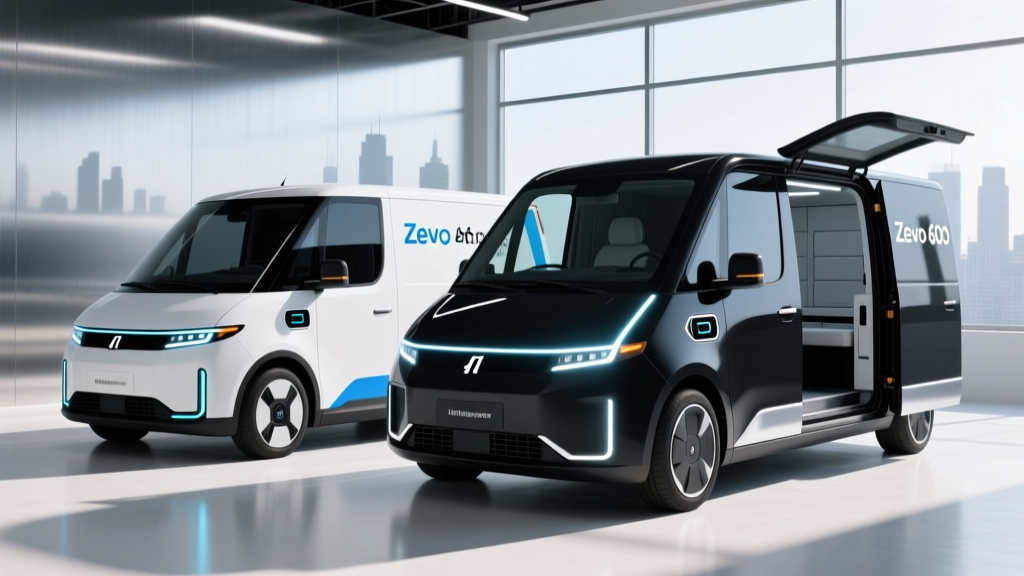
The Chevy EV cargo van is sold under GM's BrightDrop commercial brand as the BrightDrop Zevo 400 (smaller, ~250-mile range) and BrightDrop Zevo 600 (larger, ~272-mile range). Both use GM's Ultium battery platform with up to 205 miles of EPA-estimated range (Zev 600 with the standard 165 kWh pack) or up to 272 miles with the extended 200 kWh pack. Pricing starts around $75,000 for the Zevo 400 and $80,000+ for the Zevo 600 before incentives. These are fleet-first vehicles sold primarily through BrightDrop's commercial channels, not traditional Chevy dealerships, and they qualify for the IRS §30D commercial clean vehicle credit (up to $7,500 for vehicles under 14,000 lbs GVWR) or the §45W credit for heavier commercial fleets.
BrightDrop Zevo Lineup: Which Chevy EV Cargo Van Fits Your Fleet?
GM launched BrightDrop as a standalone commercial-electric brand, but the engineering is pure GM Ultium — the same skateboard platform underpinning the Chevy Silverado EV and GMC Sierra EV. For 2026, the lineup includes two cargo van models and a step-in delivery van:
| Spec | BrightDrop Zevo 400 | BrightDrop Zevo 600 |
|---|---|---|
| Cargo Volume | 412 cu ft | 615 cu ft |
| Payload Capacity | ~2,800 lbs | |
| Battery (usable) | 140 kWh (NMC, Ultium) | 165 kWh / 200 kWh (NMC, Ultium) |
| EPA Range | ~250 mi | 205 mi (165 kWh) / 272 mi (200 kWh) |
| Motor / Drivetrain | FWD, ~200 hp | FWD, ~200 hp |
| Max DC Fast Charge | ~120 kW | ~120 kW |
| 10–80% DC Charge | ~55 min | ~55–70 min (pack-dependent) |
| Level 2 (AC) Charge | 11.5 kW | 11.5 kW |
| GVWR | <10,000 lbs | <10,000 lbs (std) / >14,000 lbs (heavy-duty config) |
| Base MSRP (est.) | ~$75,000 | ~$80,000–$90,000 |
| Battery Warranty | 8 yr / 100,000 mi | 8 yr / 100,000 mi |
Real-world range caveat: The EPA figures assume mixed driving. For last-mile delivery routes with frequent stops, regenerative braking recovers meaningful energy, often pushing real-world efficiency above the EPA estimate. However, highway-speed runs at 70 mph with a full load will cut range by 15–25%. In cold climates (below 30°F), expect 20–30% range reduction unless the van is preconditioned while still plugged in at the depot.
Charging a Chevy EV Cargo Van: Depot Setup & Public Options
Commercial vans live and die by depot charging. Here's what fleet operators need to know about getting electrons into these Ultium packs:
Level 2 Depot Charging (Primary Method)
At 11.5 kW onboard AC charging, a fully depleted 165 kWh Zevo 600 pack takes roughly 14–15 hours from 0–100%. For most last-mile routes (80–120 miles/day), an overnight top-off from 30% to 90% takes about 8–9 hours — achievable with standard overnight depot dwell time. Fleet operators typically install multiple 48-amp / 11.5 kW Level 2 wall connectors (like the ChargePoint CPF50 or similar commercial units) at $1,500–$2,500 per unit plus electrical work.
DC Fast Charging (Opportunity Charging)
The ~120 kW peak DC rate means the Zevo 600 won't rival passenger EVs on charge speed. A 10–80% session takes roughly 55–70 minutes depending on pack size. The charge curve tapers significantly above 80% SoC, so opportunity charging during a lunch break can recover ~100 miles in 30 minutes if starting from a low state of charge. The Zevo uses the CCS1 connector standard, compatible with Electrify America, EVgo, and most public DC networks — though fleets rarely rely on public charging for daily operations.
| Charging Level | Power (kW) | Miles Added/Hour | Best For |
|---|---|---|---|
| Level 1 (120V) | 1.4 kW | ~3–4 mi/hr | Emergency only |
| Level 2 (240V, 48A) | 11.5 kW | ~28–32 mi/hr | Overnight depot charging |
| DC Fast (CCS1) | Up to 120 kW | ~150+ mi/hr (peak) | Mid-day opportunity charging |
Electrical upgrade reality: Installing 4–6 Level 2 chargers at a commercial depot typically requires a panel upgrade or dedicated transformer. Budget $15,000–$45,000 for a multi-stall commercial install including conduit, wiring, permits, and utility coordination. Many utilities offer commercial EV make-ready programs that offset infrastructure costs — check with your local provider.
EV Cargo Van vs. Gas Van: Total Cost of Ownership
The upfront premium for a BrightDrop Zevo is substantial compared to a gas-powered Ford Transit or Ram ProMaster. But fleet economics are about cost-per-mile over the vehicle's life, not sticker price alone.
| Cost Factor | BrightDrop Zevo 600 | Ford Transit 250 Cargo (Gas) |
|---|---|---|
| Base MSRP | ~$85,000 | ~$48,000 |
| Federal Tax Credit (§45W / §30D) | Up to $7,500 | $0 |
| Fuel / Energy Cost per Mile | ~$0.06–$0.09 (commercial electricity) | ~$0.18–$0.24 (gasoline at $3.50/gal, 16 MPG) |
| Annual Energy Cost (25,000 mi/yr) | ~$1,750 | ~$5,470 |
| Maintenance per Year | ~$400–$600 | ~$1,200–$1,800 |
| 5-Year Fuel/Energy Total | ~$8,750 | ~$27,350 |
| 5-Year Maintenance Total | ~$2,500 | ~$7,500 |
| Estimated 5-Year Total Cost | ~$96,250 (net of credit) | ~$82,850 |
The breakeven math: At 25,000 miles/year, the Zevo 600 saves roughly $3,700/year in fuel and $1,000/year in maintenance — about $4,700 annually. The purchase premium after the tax credit is roughly $29,500. That means breakeven occurs around year 6–7 for high-mileage fleets. For fleets running 35,000+ miles/year, breakeven shortens to 4–5 years. If your vans are on a 5-year replacement cycle with lower annual mileage, the gas van may still pencil out cheaper — unless local utility incentives or state-level commercial EV rebates close the gap.
Source: Efficiency comparisons reference fueleconomy.gov EPA data for comparable Class 2 cargo vans.
Tax Credits & Incentives for Commercial EV Vans
Fleet buyers access different incentive structures than individual consumers. Here's the current landscape for 2026:
- §30D Clean Vehicle Credit (up to $7,500): Available for vehicles under 14,000 lbs GVWR purchased by individuals or pass-through entities. Subject to MSRP caps ($80,000 for vans), buyer income limits, and battery critical-mineral sourcing requirements. Check current IRS §30D guidance for eligibility.
- §45W Commercial Clean Vehicle Credit (up to $7,500 or $40,000): For businesses and tax-exempt organizations. Vehicles under 14,000 lbs GVWR qualify for up to $7,500; heavier vehicles (over 14,000 lbs) can qualify for up to $40,000. No income caps, but the vehicle must be used for business purposes and meet domestic content/battery sourcing rules.
- State & utility incentives: Many states (California's HVIP, New York's Truck Voucher Incentive Program) offer additional $10,000–$30,000+ rebates for commercial EVs. Utility make-ready programs may cover 50–100% of depot charging infrastructure costs.
- Depreciation & Section 179: Commercial EVs may qualify for accelerated depreciation and Section 179 expensing, further reducing net cost. Consult a tax professional for your specific situation.
Real-World Ownership: What Fleet Operators Report
BrightDrop has been in delivery service with FedEx, Walmart, and other major fleets since 2023. Here's what the operational data shows:
What Works Well
- Last-mile efficiency: The Zevo excels at stop-and-go urban routes under 120 miles. Regenerative braking recovers substantial energy between stops, and the quiet powertrain reduces driver fatigue and enables early-morning/late-night deliveries in noise-restricted areas.
- Maintenance savings: No oil changes, no transmission service, no exhaust system repairs. Brake wear is dramatically reduced thanks to regen. Fleet operators report 50–60% lower scheduled maintenance costs.
- Driver satisfaction: The low step-in height, wide opening cargo doors, and instant torque make drivers prefer the Zevo over gas vans for urban routes.
Where Limitations Bite
- Highway-heavy routes: If your route involves 60+ miles of sustained 65–70 mph driving, range drops significantly. The Zevo is optimized for urban/suburban delivery, not long-haul.
- Cold-weather range loss: In northern climates, a 165 kWh pack that delivers 205 miles in July may deliver only 145–165 miles in January. Depot preconditioning (heating the battery while still plugged in) is essential but requires smart charging management software.
- Charging infrastructure lead time: Utility upgrades for depot charging can take 6–18 months to plan and execute. Fleets need to start infrastructure work well before vehicle delivery.
- Resale value uncertainty: The commercial EV van market is young. Residual values for 5-year-old electric cargo vans are not yet well-established, adding risk to TCO projections.
Common Misconceptions About the Chevy EV Cargo Van
| Myth | Fact |
|---|---|
| "It's just a Chevy Express with batteries." | The Zevo is a ground-up EV on GM's Ultium platform — no relation to the ICE Express. It has a flat floor, lower load height, and purpose-built cargo architecture. |
| "You can buy one at any Chevy dealer." | BrightDrop sells primarily through direct commercial channels and select fleet partners. Walk-in retail purchases are not the standard model. |
| "Electric vans can't handle heavy payloads." | The Zevo 600 handles ~2,800 lbs of payload. Instant electric torque actually improves drivability under load compared to a gas van's downshift-and-wait behavior. |
| "The battery will need replacing in 5 years." | GM warranties the Ultium pack for 8 years/100,000 miles against degradation below 60–70% capacity. NMC chemistry in commercial duty cycles with managed charging typically retains 80%+ capacity at 150,000 miles. |
| "Charging takes too long for commercial use." | Overnight Level 2 depot charging fully replenishes a day's route for 90%+ of last-mile operations. Mid-day DC fast charging is available for edge cases. |
Decision Framework: Should Your Fleet Go Electric?
Choose the BrightDrop Zevo (Chevy EV cargo van) if:
- Your daily routes are under 150 miles with predictable return-to-depot patterns
- You operate in urban/suburban areas with stop-and-go delivery density
- You have depot parking where Level 2 chargers can be installed
- You plan to keep vehicles 6+ years (to reach TCO breakeven)
- Your state or utility offers commercial EV incentives that reduce the upfront gap
- Noise ordinances or zero-emission zones affect your delivery area
Stick with a gas or diesel cargo van if:
- Your routes regularly exceed 200 miles/day or involve sustained highway driving
- You operate in extreme cold without depot preconditioning capability
- Your fleet is on a 3–4 year replacement cycle (you won't reach breakeven)
- You lack depot charging access and rely on street parking or shared lots
- Your local utility has no commercial EV infrastructure support and grid upgrades would be cost-prohibitive
Frequently Asked Questions
Can I buy a BrightDrop Zevo as an individual or small business?
BrightDrop primarily sells to fleet operators through commercial channels, but small businesses can inquire through BrightDrop's website or authorized fleet dealers. The purchase process is more like a commercial truck transaction than a consumer car buy. Financing is available through commercial lenders, and §45W tax credits apply to business purchases.
How does the Zevo compare to the Ford E-Transit?
The Ford E-Transit offers a lower starting price (~$55,000) and broader dealer availability but significantly less range (EPA 126 miles with its 68 kWh battery). The BrightDrop Zevo 600's 205–272 mile range is a major advantage for fleets that need more daily buffer. The E-Transit works for tight urban routes under 100 miles; the Zevo covers a wider range of use cases but at a higher entry price.
What happens if the battery degrades?
GM's Ultium battery warranty covers 8 years/100,000 miles with a capacity retention threshold (typically 60–70% of original capacity). Real-world data from early fleet deployments suggests NMC Ultium packs lose roughly 2–3% capacity per year under normal commercial use with managed charging (avoiding daily 100% charges, using depot preconditioning). A replacement pack out of warranty would cost an estimated $20,000–$30,000, though prices are expected to decline as battery costs continue falling.
Do I need a special license to drive a BrightDrop Zevo?
The standard Zevo configurations fall under 10,000 lbs GVWR, meaning a regular driver's license is sufficient — no CDL required. Some heavy-duty configurations of the Zevo 600 may exceed 14,000 lbs GVWR; those would require checking state-specific commercial licensing rules.
What's the insurance cost for a commercial EV cargo van?
Commercial EV insurance typically runs 10–20% higher than equivalent gas vans, primarily due to higher repair costs for battery-adjacent damage and limited collision repair networks trained on Ultium systems. Expect annual commercial fleet premiums of $2,500–$4,000 per vehicle depending on your region, fleet size, and claims history. Some insurers offer EV fleet discounts as the market matures.