Quick Answer: Is the 2026 Chevy Equinox EV Worth Buying?
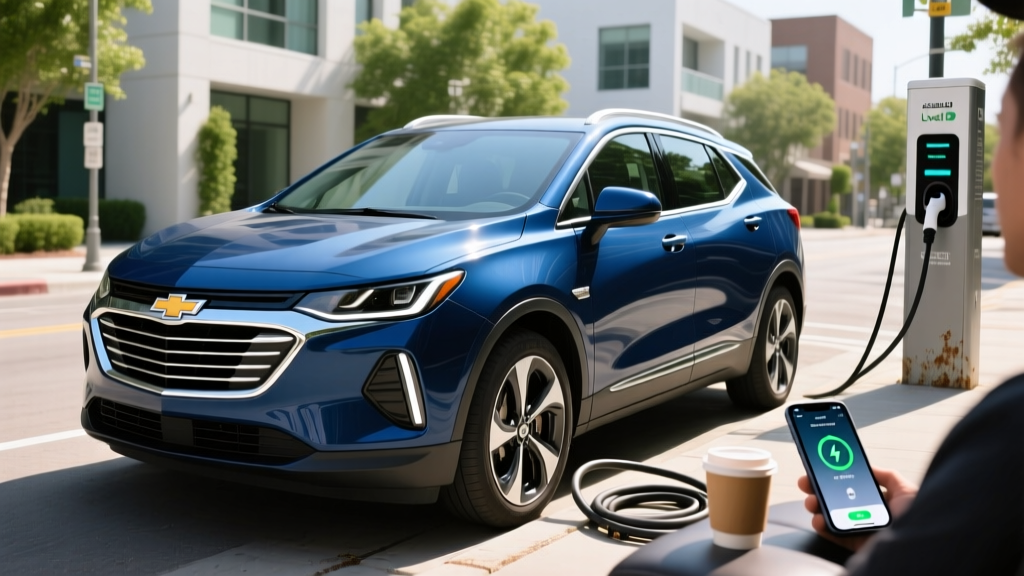
The 2026 Chevrolet Equinox EV is the most affordable long-range electric compact SUV on the US market. The base LT 2 starts at $33,600 (before incentives) with an EPA-estimated 319 miles of range — undercutting rivals like the Hyundai Ioniq 5 and Ford Mustang Mach-E by thousands. Real-world highway range lands around 265–280 miles, and DC fast charging peaks at 150 kW (10–80% in ~30 minutes). If you have access to Level 2 home charging and drive under 250 miles between stops, the Equinox EV delivers exceptional value, especially when the $7,500 federal tax credit applies via point-of-sale transfer.
Range, Battery & Efficiency: What the Numbers Actually Mean
The 2026 Equinox EV rides on GM's Ultium platform with an 85 kWh usable lithium-ion battery pack (NMC chemistry). Chevrolet offers two range tiers depending on drivetrain:
| Trim | Drivetrain | EPA Range | MPGe (City/Hwy/Comb) | Battery |
|---|---|---|---|---|
| LT 2 / RS (FWD) | Front-Wheel Drive | 319 mi | 117 / 95 / 106 | 85 kWh NMC |
| RS Launch / AWD trims | All-Wheel Drive | 285 mi | 109 / 88 / 99 | 85 kWh NMC |
Source: fueleconomy.gov
Real-World Range Expectations
The EPA sticker says 319 miles for FWD. In practice, expect:
- Mild-weather mixed driving (55–65 mph): ~290–305 miles
- Highway-only at 75+ mph: ~255–275 miles
- Cold weather (below 30°F): ~220–255 miles (30–35% reduction)
The Equinox EV lacks a heat pump, relying on resistive cabin heating. This matters significantly in northern climates where winter range loss is more pronounced than in competitors with heat-pump systems.
At 106 MPGe combined (FWD), the Equinox EV is efficient but not class-leading. The Hyundai Ioniq 5 achieves 114 MPGe combined with its smaller battery, and the Tesla Model Y hits 122 MPGe. The Equinox's advantage is total range at a lower price, not energy efficiency per mile.
Charging Speeds: Home and Public
Understanding the difference between kW (power — how fast energy flows) and kWh (energy — how much the battery holds) is critical. The Equinox EV has an 85 kWh battery and accepts up to 150 kW of DC fast-charging power.
| Charging Level | Power (kW) | Miles Added per Hour | Full Charge Time |
|---|---|---|---|
| Level 1 (120V standard outlet) | 1.4 kW | ~4 mi/hr | ~60+ hours |
| Level 2 (240V home/public) | 11.5 kW | ~34 mi/hr | ~9.5 hours |
| DC Fast Charge (public) | 150 kW peak | ~190 mi in 30 min | 10–80% in ~30 min |
At 150 kW peak, the Equinox EV's DC charging speed is adequate but not impressive. The Hyundai Ioniq 5 charges at up to 240 kW (10–80% in ~18 min), and the Tesla Model Y at 250 kW. The Equinox EV's charge curve also tapers noticeably above 80% State of Charge, so plan to charge to 80% on road trips and move on.
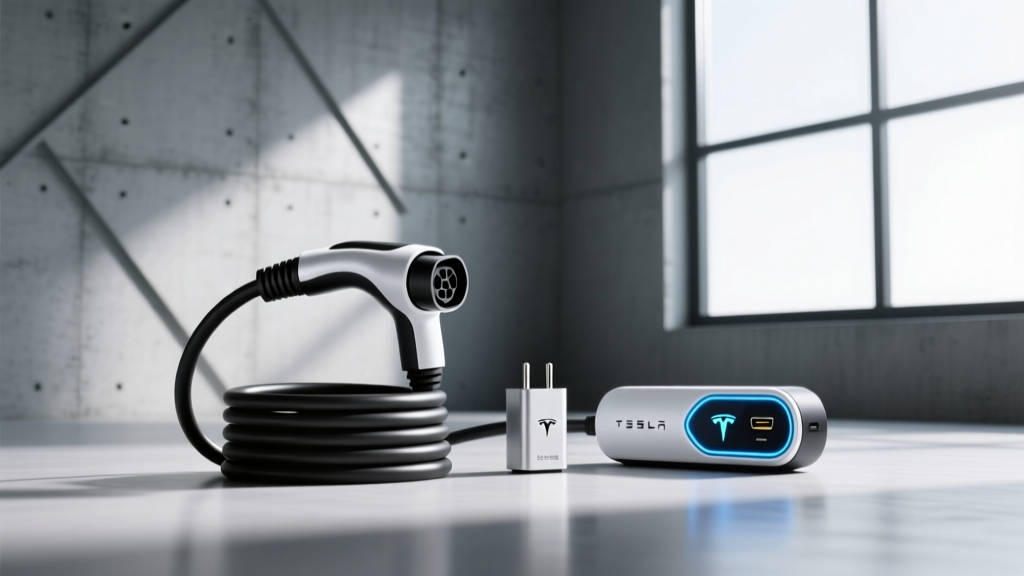
The Equinox EV comes with a CCS1 connector and includes a NACS adapter for Tesla Supercharger access. GM has been transitioning its fleet to native NACS ports, so late 2025 and 2026 production models may ship with a native NACS port — confirm with your dealer.
Performance and Driving Impressions
| Spec | FWD (LT 2 / RS) | AWD (RS AWD) |
|---|---|---|
| Horsepower | 213 hp | 288 hp |
| Torque | 236 lb-ft | 355 lb-ft |
| 0–60 mph | ~8.0 sec | ~6.2 sec |
| Towing Capacity | Not rated | Not rated |
The FWD Equinox EV is tuned for efficiency and comfort, not performance. The 8-second 0–60 time is adequate for merging and passing but noticeably slower than the Model Y or Mach-E. The AWD version's 288 hp and 6.2-second sprint are more in line with EV expectations.
Ride quality is a strong point. The Ultium platform's low center of gravity gives it a planted feel, and the suspension absorbs road imperfections well. One-pedal driving with strong regenerative braking is available and works effectively in stop-and-go traffic.
Pricing, Trims & Federal Tax Credit Eligibility
| Trim | MSRP (incl. destination) | Drivetrain | EPA Range |
|---|---|---|---|
| LT 2 | $33,600 | FWD | 319 mi |
| RS | $36,200 | FWD | 319 mi |
| RS AWD | $39,200 | AWD | 285 mi |
| RS Launch Edition AWD | $41,400 | AWD | 285 mi |
Under IRS §30D rules, the Equinox EV may qualify for up to $7,500 in federal tax credits, which can be transferred to the dealer as a point-of-sale discount. However, eligibility depends on:
- Buyer income caps: $150,000 single / $300,000 joint MAGI
- MSRP cap: $80,000 for SUVs (all trims qualify)
- Battery sourcing: Critical minerals and battery component requirements that phase in stricter thresholds each year — verify current-year compliance on the IRS clean vehicle credit page
Not every Equinox EV built qualifies for the full $7,500. Some may qualify for $3,750 (half-credit) depending on battery-component sourcing. Always check the VIN on the IRS portal before purchasing.
With the full $7,500 point-of-sale credit, the LT 2 drops to an effective price of $26,100 — making it one of the cheapest new 300+ mile EVs available.
Equinox EV vs. Gas Equinox: The Real Cost of Ownership
5-Year Total Cost Comparison: Equinox EV (LT 2 FWD) vs. 2026 Equinox Gas (LT FWD)
| Cost Category | Equinox EV (LT 2) | Equinox Gas (LT) |
|---|---|---|
| Purchase Price (MSRP) | $33,600 | $30,600 |
| Federal Tax Credit | −$7,500 | $0 |
| Effective Purchase | $26,100 | $30,600 |
| Fuel/Energy (5 yrs, 60k mi) | $3,900 (home L2 avg) | $7,800 (28 MPG, $3.65/gal) |
| Maintenance (5 yrs) | $1,200 | $3,500 |
| Insurance (5 yrs, avg) | $9,500 | $7,500 |
| Estimated Depreciation | $11,000 | $10,500 |
| 5-Year Total | $51,700 | $59,900 |
Assumptions: 12,000 mi/yr, $0.14/kWh home electricity, $3.65/gal gas, national avg insurance. Your numbers will vary by state and driving pattern.
The EV wins on total cost primarily through the tax credit and fuel savings. The gas Equinox costs $4,500 more upfront after the credit, and you spend roughly $3,900 more on fuel over five years. EV maintenance savings come from eliminating oil changes, transmission fluid, spark plugs, and exhaust-system repairs.
Insurance is the EV's weak spot. EV premiums run 15–25% higher on average due to higher repair costs and parts pricing. Get quotes before buying.
Common Misconceptions About the Equinox EV
| Myth | Fact |
|---|---|
| "319 miles means I'll always get 319 miles" | Highway driving at 75 mph yields ~255–275 mi; cold weather drops it to ~220–255 mi. |
| "It charges as fast as a Tesla" | At 150 kW peak, it's ~60% the speed of a Supercharger-capable Tesla Model Y (250 kW). 10–80% takes ~30 min vs ~15 min. |
| "I can't use Tesla Superchargers" | With the included NACS adapter (or native port on newer builds), Equinox EV owners can access Tesla's Supercharger network. |
| "The battery will need expensive replacement" | GM warranties the Ultium battery for 8 years/100,000 miles against defects and capacity loss below 60% of original. Most Ultium packs are projected to last 200,000+ miles with normal use. |
| "Everyone gets the $7,500 tax credit" | Income caps, battery-sourcing rules, and MSRP limits apply. Check your VIN on the IRS portal before purchasing. |
Who Should Buy the Equinox EV — And Who Shouldn't
Decision Framework
- Buy the Equinox EV if: You want the cheapest 300+ mile EV available, have Level 2 home charging access (or can install it), drive under 250 miles between stops on most days, and qualify for the federal tax credit.
- Consider the Hyundai Ioniq 5 instead if: You take frequent road trips and need faster DC charging (240 kW vs 150 kW), want a heat pump for cold-weather efficiency, or prefer more rear-seat room.
- Consider the Tesla Model Y if: You want the strongest Supercharger network access, best efficiency (122 MPGe), or need third-row seating availability.
- Consider a PHEV (like the Toyota RAV4 Prime) if: You lack home charging access, regularly drive over 300 miles between charge opportunities, or live in a rural charging desert.
- Stick with the gas Equinox if: You cannot install home charging, your budget is strictly under $28,000 out-the-door without relying on tax credits, or you frequently tow (the EV is not tow-rated).
Battery Warranty & Long-Term Ownership
GM covers the Ultium battery pack for 8 years or 100,000 miles (whichever comes first) against defects and capacity degradation below 60% of original capacity. The powertrain (motors, power electronics) carries the same 8-year/100,000-mile warranty.
For context, NMC batteries typically degrade 10–15% over the first 100,000 miles before leveling off. Real-world data from GM's Bolt EV (earlier-generation NMC) shows most packs retain 85–90% capacity at 80,000 miles. The Ultium platform's more advanced thermal management is expected to perform at least as well.
Out-of-warranty battery replacement is estimated at $14,000–$18,000 including labor — a worst-case scenario most owners will never face. According to NHTSA, the Equinox EV carries a 5-star overall safety rating.
First-Time EV Buyer Checklist
- Home charging assessment: Do you have a 240V outlet (NEMA 14-50) or can you install one? Budget $800–$2,000 for a licensed electrician to install a Level 2 circuit. A standard 120V outlet adds only ~4 miles per hour — insufficient for daily driving over 40 miles.
- Electrical panel capacity: Older homes with 100-amp panels may need a $2,000–$4,000 panel upgrade to support a 40-amp EV circuit.
- Insurance quotes: Get EV-specific quotes before purchasing. Expect 15–25% higher premiums than the gas Equinox.
- Tax credit verification: Use the IRS clean vehicle portal to verify your specific VIN qualifies before signing paperwork.
- Public charging mapping: Download the PlugShare or ChargePoint app and map your common routes. Identify DC fast chargers along any trips over 250 miles.
- Winter prep (cold climates): Without a heat pump, precondition the cabin while plugged in to preserve range. Budget 30% more range loss in sub-freezing temps.
Frequently Asked Questions
Does the 2026 Equinox EV qualify for the $7,500 federal tax credit?
It can, but eligibility depends on your income (under $150K single / $300K joint), the vehicle's battery sourcing compliance, and MSRP under $80K (all trims qualify). The credit can be applied as a point-of-sale discount at the dealer. Verify your VIN at irs.gov before purchasing.
How long does it take to charge the Equinox EV at home?
On a 240V Level 2 charger at 11.5 kW, a full charge from empty takes about 9.5 hours — ideal for overnight charging. On a standard 120V outlet (Level 1), a full charge takes 60+ hours, which is only practical as a backup or for very low-mileage drivers.
Can the Equinox EV use Tesla Superchargers?
Yes. GM provides a NACS adapter for CCS-equipped Equinox EVs, enabling access to Tesla's Supercharger network. Some 2026 models may ship with a native NACS port. Confirm with your dealer which configuration your vehicle has.
Is the Equinox EV good for road trips?
Adequate but not ideal. With ~265 miles of real highway range and 150 kW peak charging (10–80% in ~30 min), you'll stop more often and wait longer than in an Ioniq 5 or Model Y. Plan 30-minute charging breaks every 250 miles on long trips.
Does the Equinox EV have a frunk (front trunk)?
No. The Equinox EV does not include a front trunk. All cargo space is in the rear, with approximately 26.4 cubic feet behind the second row and 57.2 cubic feet with the rear seats folded.
What is the Equinox EV's towing capacity?
Chevrolet has not published a tow rating for the Equinox EV. If towing is a priority, consider the Ford Mustang Mach-E (rated for up to 2,200 lbs with the tow package) or a PHEV SUV like the Chrysler Pacifica Hybrid.