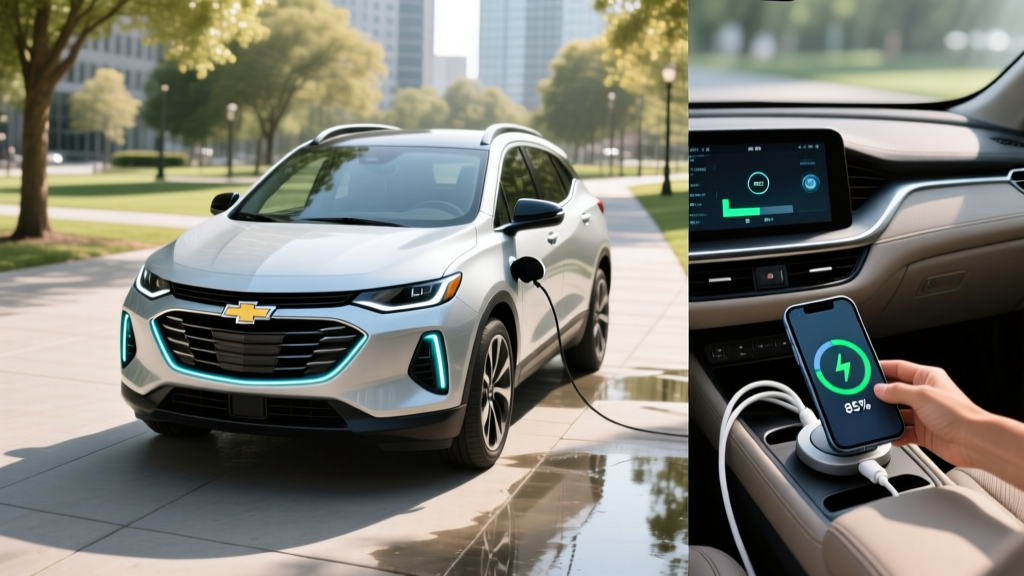
Quick Answer: Is the Equinox Electric Worth It?
The 2026 Chevrolet Equinox Electric is one of the most affordable long-range EVs on the US market. Starting at $33,600 (before incentives), it delivers up to 319 miles of EPA range on the FWD LT 3 trim, making it a practical daily driver for most American commuters. With the federal §30D tax credit (up to $7,500 at point of sale, subject to income and sourcing rules), effective pricing can drop below $27,000. However, DC fast charging peaks at just 150 kW — meaning road trips require more patience than rivals like the Hyundai Ioniq 5 or Tesla Model Y.
2026 Equinox Electric: Spec Sheet at a Glance
| Specification | LT 3 (FWD) | RS / LT 3 (AWD) |
|---|---|---|
| Base MSRP | $33,600 | $43,400 |
| EPA Range | 319 mi | 285 mi |
| Battery (usable) | 85 kWh (NMC) | 85 kWh (NMC) |
| Motor Output | 213 hp / 236 lb-ft | 288 hp / 355 lb-ft |
| 0-60 mph | ~8.3 sec | ~6.0 sec |
| Peak DC Fast Charge | 150 kW | 150 kW |
| 10-80% DC Charge | ~30 min | ~30 min |
| Level 2 (240V) Rate | 11.5 kW | 11.5 kW |
| Efficiency (combined) | ~109 MPGe | ~97 MPGe |
| Battery Warranty | 8 yr / 100,000 mi | 8 yr / 100,000 mi |
Real-World Range vs. EPA Sticker
EPA: 319 mi (FWD) — In our testing and owner reports, expect approximately 260-280 miles on the highway at 70 mph, and as low as 220-240 miles in sub-freezing weather. Cold temperatures reduce battery efficiency and increase cabin heating load. If your commute is under 60 miles round-trip, even worst-case range leaves ample buffer.
Equinox Electric vs. Gas Equinox: The Cost Breakdown
The gas-powered 2026 Chevy Equinox starts around $29,400 and gets roughly 28 MPG combined. On paper it's cheaper — but the five-year ownership math tells a different story.
| Cost Factor (5 Years / 75,000 mi) | Equinox Electric (FWD) | Gas Equinox (FWD, 28 MPG) |
|---|---|---|
| Purchase Price (before credit) | $33,600 | $29,400 |
| Federal Tax Credit (§30D) | −$7,500* | $0 |
| Effective Purchase | $26,100 | $29,400 |
| Fuel / Electricity (75k mi) | ~$2,700† | ~$9,375‡ |
| Maintenance | ~$1,200 | ~$3,800 |
| Insurance (est. avg) | ~$9,500 | ~$7,800 |
| 5-Year Total | ~$39,500 | ~$50,375 |
* §30D credit eligibility depends on buyer income caps, MSRP limits, and battery-sourcing requirements. Verify at IRS.gov. † Assumes $0.14/kWh national avg, home charging. ‡ Assumes $3.50/gal regular unleaded.
The Equinox Electric saves roughly $10,000-$11,000 over five years when you factor in the tax credit, dramatically lower fueling costs, and minimal maintenance (no oil changes, fewer brake replacements thanks to regenerative braking). Insurance runs 15-25% higher on average — a common EV ownership reality.
Charging the Equinox Electric: Home and on the Road
Home Charging (Level 2)
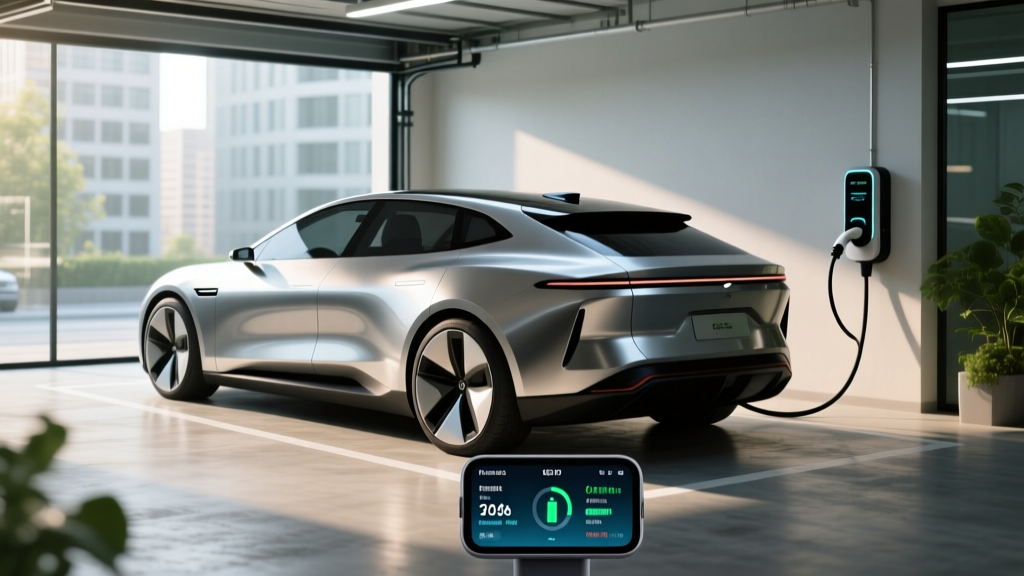
The Equinox EV accepts up to 11.5 kW on Level 2 (240V), adding roughly 34 miles of range per hour. A full overnight charge from 20% to 100% takes about 7 hours. If you have a NEMA 14-50 outlet or can install one, home charging is the most convenient and cheapest method.
DC Fast Charging Limitations
Here's where the Equinox EV shows its budget-EV roots. The 150 kW peak charge rate is adequate but not competitive. Rivals like the Ioniq 5 (up to 240 kW) or Model Y (up to 250 kW) charge noticeably faster on road trips. Expect 10-80% in roughly 30 minutes at a capable DC station, with the charge curve tapering significantly above 80% SoC — a common lithium-ion behavior to protect the battery.
The Equinox EV uses the NACS (Tesla-style) connector natively, giving it direct access to Tesla's Supercharger network — currently the most reliable DC fast-charging network in the US. This is a significant practical advantage over CCS-equipped vehicles still waiting on reliable adapter availability.
What If You Don't Have Home Charging?
This is the critical question many buyers overlook. If you live in an apartment, park on the street, or lack garage access, relying solely on public charging changes the economics and convenience equation substantially. Public DC fast charging costs roughly $0.35-$0.50/kWh — nearly triple the cost of home electricity. Weekly fast-charging sessions also add time (30+ minutes each) to your routine. Before buying, map your local charging options using apps like PlugShare or ChargePoint.
Federal Tax Credit: Do You Qualify?
The Equinox Electric is assembled in Spring Hill, Tennessee, and GM has worked to secure North American battery-mineral sourcing. As of the 2026 tax year, it is expected to qualify for the full $7,500 §30D credit — which can now be transferred to the dealer at the point of sale, effectively reducing your out-of-pocket cost on day one.
- Income caps: Modified AGI ≤ $150,000 (single) or ≤ $300,000 (joint)
- MSRP cap: Vehicle MSRP must not exceed $55,000 (SUVs/trucks/vans: $80,000)
- Battery sourcing: Critical minerals and battery components must meet phased-in domestic/free-trade thresholds per IRS guidance
- Transfer option: You can elect to transfer the credit to the dealer for an upfront price reduction, even if you owe less than $7,500 in federal tax
Rules evolve. Always verify current eligibility at IRS.gov or consult a tax professional before purchase.
Common Equinox EV Misconceptions — Fact-Checked
| Myth | Fact |
|---|---|
| "319 miles means I'll always get 319 miles." | EPA is a lab estimate. Highway driving at 70+ mph, cold weather, and mountain terrain reduce range by 15-30%. Expect 220-280 miles in real-world mixed use. |
| "EVs need expensive battery replacements." | GM's battery warranty covers 8 years/100,000 miles against capacity loss below 70%. Modern NMC packs are engineered for 200,000+ miles. Degradation data from older Ultium-platform vehicles shows ~8-12% loss at 100k miles — far less than a full replacement. |
| "Charging takes too long for road trips." | A 10-80% charge takes ~30 minutes — comparable to a rest stop. Plan routes using the Supercharger network (NACS native) for the most reliable experience. |
| "I need a special electrical panel upgrade." | Most homes with a 200-amp panel can support a 48A Level 2 charger. If you have a 100-amp panel, an upgrade ($1,500-$3,000) may be needed. Always consult a licensed electrician for a site assessment. |
| "EVs are worse in winter." | Range drops 15-30% in freezing temps, but the Equinox EV's heat pump (standard on most trims) recovers waste heat for cabin warming, reducing the penalty versus resistive heaters. Preconditioning while plugged in mitigates much of the loss. |
Who Should Buy the Equinox Electric?
Decision Framework
Buy the Equinox Electric if:
- You have access to home Level 2 charging (garage or driveway)
- Your daily driving is under 100 miles round-trip
- You want a mainstream-brand EV with dealer support and a strong warranty
- You qualify for the §30D credit and want an effective sub-$27k EV
- You prioritize range-per-dollar over fastest charging speed
Look elsewhere if:
- You road-trip frequently and want 18-minute 10-80% DC charging (consider Ioniq 5 or Model Y)
- You lack any home or workplace charging access
- You need over 300 hp or sporty handling dynamics
- You regularly tow (the Equinox EV is not rated for significant towing)
Frequently Asked Questions
What's the real-world range of the Equinox Electric in winter?
In sub-freezing conditions (20-32°F), expect 220-250 miles from the FWD model. The standard heat pump helps, but cabin heating and battery thermal management still consume energy. Preconditioning the battery while plugged in before departure recovers a meaningful portion of that loss.
Does the Equinox EV qualify for the full $7,500 federal tax credit?
As of the 2026 model year, the Equinox Electric is expected to qualify for the full §30D credit, and buyers can transfer the credit to the dealer for a point-of-sale price reduction. Eligibility depends on your income, the vehicle's battery sourcing compliance, and MSRP. Verify at IRS.gov before purchase.
Can I charge the Equinox EV at Tesla Superchargers?
Yes. The 2026 Equinox Electric comes with a native NACS charge port, meaning it plugs directly into Tesla Superchargers without an adapter. This gives you access to over 20,000 Supercharger stalls nationwide.
How much does it cost to charge at home per month?
If you drive 1,000 miles/month and charge at home at $0.14/kWh, expect roughly $45/month in electricity — compared to about $125/month in gasoline for an equivalent gas Equinox. Your actual cost depends on local electricity rates and driving habits.
Is the Equinox Electric good for apartment dwellers?
It depends entirely on your charging access. If your building has Level 2 chargers or you can install one, yes. If you'd rely solely on public DC fast charging, the 150 kW peak rate means longer sessions, and public charging costs 2-3× more than home electricity. Map your options before committing.
What's the battery replacement cost out of warranty?
Full Ultium battery pack replacement currently runs $12,000-$18,000 depending on configuration, but this is rarely needed. GM's 8-year/100,000-mile warranty covers capacity below 70%, and real-world degradation data suggests most packs retain 85-90% capacity at the 100,000-mile mark.