If you have been searching for a comprehensive Chevy Bolt wiki — a single resource covering the 2026 Bolt EV and Bolt EUV from battery chemistry to tax-credit math — you have found it. After General Motors retired the first-generation Bolt in 2023 and relaunched the nameplate on the Ultium platform for the 2025 model year, the 2026 Chevy Bolt arrives as one of the most affordable long-range electric vehicles on the U.S. market. This profile consolidates every spec, real-world driving observation, and ownership detail a buyer needs.
2026 Chevy Bolt at a Glance
| Spec | Bolt EV (2LT) | Bolt EUV (2LT) |
|---|---|---|
| EPA Range | 259 mi | 272 mi |
| Battery (usable) | 65 kWh, NMC (Ultium) | 65 kWh, NMC (Ultium) |
| Peak DC Fast Charge | 115 kW | 115 kW |
| 10–80% DC Time | ~33 min | ~33 min |
| Level 2 Charge Rate | 11.5 kW (~39 mi/hr) | 11.5 kW (~39 mi/hr) |
| Motor Output | 200 hp / 236 lb-ft | 200 hp / 236 lb-ft |
| Drivetrain | FWD (single motor) | FWD (single motor) |
| 0–60 mph | ~6.9 sec | ~7.1 sec |
| MPGe (combined) | 120 MPGe | 115 MPGe |
| Efficiency | 28 kWh/100 mi | 29 kWh/100 mi |
| Cargo (rear seats up) | 17.3 cu ft | 22.1 cu ft |
| Cargo (rear seats folded) | 54.0 cu ft | 56.3 cu ft |
| Rear Legroom | 36.0 in | 39.1 in |
| Battery Warranty | 8 yr / 100,000 mi | 8 yr / 100,000 mi |
| Base MSRP | $27,800 | $29,400 |
Sources: fueleconomy.gov, chevrolet.com
Real-World Range: Beyond the EPA Sticker
The 2026 Bolt EV carries an EPA-estimated 259 miles of range, while the taller, longer-wheelbase Bolt EUV achieves 272 miles. In mixed suburban-and-highway driving at moderate temperatures (60–80°F), expect to see roughly 240–255 miles from the Bolt EV and 250–265 miles from the EUV before hitting 0% State of Charge.
Highway-heavy driving at 75+ mph drops observed range to approximately 215–230 miles due to aerodynamic drag — the Bolt's upright hatchback shape is optimized for city efficiency, not autobahn cruising.
Cold-weather impact (below 30°F): Lithium-ion NMC cells lose efficiency in the cold. Without preconditioning, expect 185–210 miles of usable range in freezing conditions — a 20–30% reduction. The Bolt's heat pump (standard on 2LT and above) mitigates cabin energy draw, but battery chemistry physics still apply. Always precondition while plugged in before a winter commute.
The 65 kWh usable Ultium pack uses NMC (nickel manganese cobalt) chemistry — chosen for its higher energy density compared to LFP (lithium iron phosphate). This means more miles per pound of battery, which matters in a compact hatchback where packaging space is tight. The trade-off is that NMC cells prefer you avoid sitting at 100% SoC for extended periods; daily charging to 80–90% is ideal for longevity.
Charging Speed: DC Fast and Home Level 2
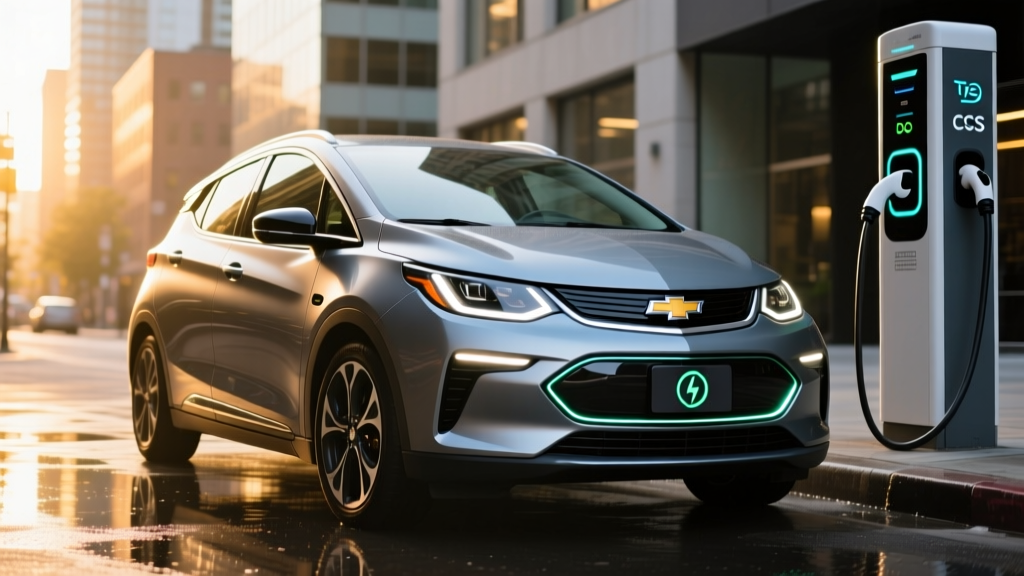
Charging speed is where the 2026 Bolt's Ultium upgrade shows the biggest improvement over the first-generation car, which was limited to 55 kW DC. The new Bolt peaks at 115 kW on DC fast chargers — not class-leading, but meaningfully faster for road trips.
| Charging Level | Power (kW) | Miles Added per Hour | Notes |
|---|---|---|---|
| Level 1 (120V household) | ~1.4 kW | ~4–5 mi/hr | Overnight trickle; ~48 hrs for full charge |
| Level 2 (240V, 48A) | 11.5 kW | ~39 mi/hr | 0–100% in ~6.5 hours; ideal home setup |
| DC Fast (CCS/NACS) | Peak 115 kW | ~230 mi/hr at peak | 10–80% in ~33 min; tapers sharply above 80% |
Charging curve reality: The Bolt sustains roughly 100–115 kW between 10–40% SoC, then gradually steps down to ~70 kW through 60%, and ~40 kW by 80%. Above 80%, charging slows to roughly 15–20 kW to protect cell health. If you are road-tripping, plan your stops to charge from 10–80% and skip the slow top-off — that last 20% can add 25+ minutes for only ~50 miles of range.
For home charging, a 48-amp Level 2 wallbox on a 60-amp circuit delivers the full 11.5 kW, replenishing the pack in about 6.5 hours. A licensed electrician will typically charge $800–$2,000 for a 240V/60A circuit installation, depending on panel proximity and whether your home's 200-amp service needs an upgrade. The Bolt now ships with the NACS (North American Charging Standard) connector, granting access to Tesla Supercharger stalls alongside Electrify America, EVgo, and ChargePoint networks.
Performance and Driving Dynamics
The 2026 Bolt's single front-mounted permanent-magnet motor produces 200 horsepower and 236 lb-ft of torque, sent exclusively to the front wheels. The 0–60 mph sprint takes approximately 6.9 seconds in the lighter EV hatchback and 7.1 seconds in the EUV. These numbers put the Bolt in warm-hatch territory — brisk enough for confident highway merging and city gap-filling, but not in the same league as dual-motor competitors like the Tesla Model 3 or Hyundai Ioniq 5 AWD.
Where the Bolt genuinely impresses is low-speed responsiveness. Electric torque delivery is instant, and the 236 lb-ft makes the car feel quicker than its 0–60 figure suggests around town. Regenerative braking offers multiple levels selectable via steering-wheel paddles, and the "One-Pedal Driving" mode is among the smoothest in the segment — strong enough to bring the car to a complete stop without touching the brake pedal in most traffic scenarios.
Ride quality is comfortable and compliant, absorbing potholes better than many low-profile-tire EVs. The trade-off: body roll is noticeable in aggressive cornering, and the front tires can break traction under hard acceleration from a stop, especially on wet pavement. This is a commuter-tuned chassis, not a sport one.
Pricing, Trims, and Federal Tax Credit Eligibility
| Trim | MSRP | Est. After §30D Credit* | Key Features |
|---|---|---|---|
| Bolt EV 1LT | $27,800 | $20,300 | 17.7" touchscreen, wireless CarPlay/Android Auto, 11.5 kW onboard charger |
| Bolt EV 2LT | $30,400 | $22,900 | Heated seats/steering, heat pump, adaptive cruise, surround-view camera |
| Bolt EUV 1LT | $29,400 | $21,900 | Extra rear legroom, larger cargo area, roof rails |
| Bolt EUV 2LT | $32,000 | $24,500 | All 2LT features + EUV space, Super Cruise availability |
*Estimated price assumes full $7,500 federal credit eligibility. Actual credit depends on individual circumstances.
- MSRP cap: Vehicle must be under $55,000 (sedans/hatchbacks) or $80,000 (SUVs/trucks). The Bolt qualifies easily.
- Buyer income cap: Modified AGI must not exceed $150,000 (single), $225,000 (head of household), or $300,000 (joint filers).
- Battery sourcing: A percentage of critical minerals and battery components must be sourced from the U.S. or FTA partners. GM has worked to meet these thresholds for the Ultium Bolt, but verify current-year compliance on IRS.gov before purchase.
- Point-of-sale transfer: As of 2024, buyers can transfer the credit to the dealer for an upfront price reduction rather than waiting for tax filing.
- Consult a tax professional to confirm your individual eligibility — income, filing status, and tax liability all factor in.
Interior, Tech, and Cargo Practicality
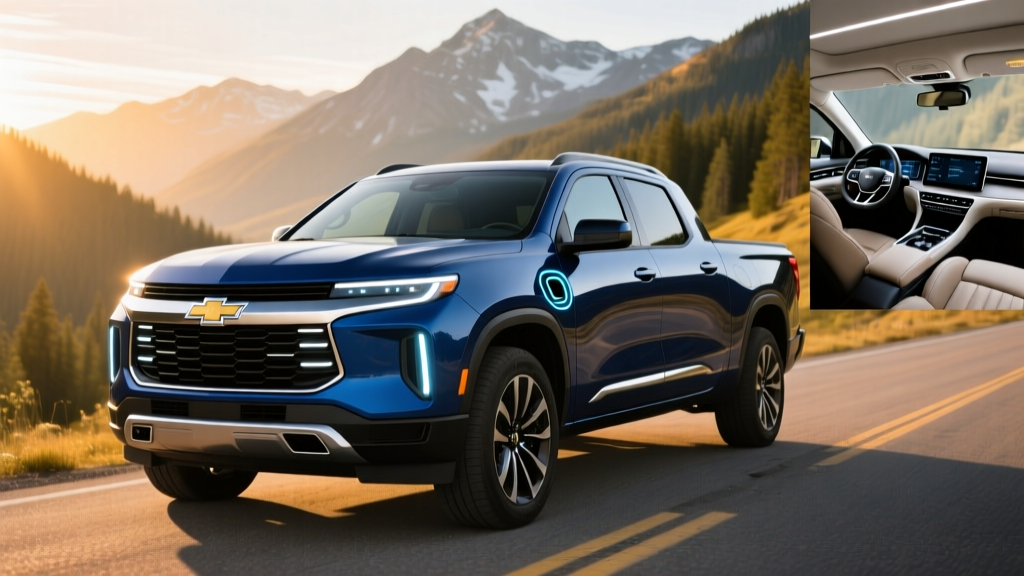
The 2026 Bolt's cabin is a significant step up from the first-generation car's budget feel. A 17.7-inch diagonal touchscreen dominates the dashboard running GM's latest Ultifi-based infotainment software with wireless Apple CarPlay and Android Auto. An 11-inch digital driver display replaces the old instrument cluster, and the center console now features physical knobs for climate control — a welcome decision.
Driver-assistance technology includes Chevy Safety Assist as standard: automatic emergency braking, forward collision alert, lane-keep assist, following-distance indicator, and IntelliBeam automatic high beams. The available Super Cruise (on 2LT trims with the optional package) provides hands-free Level 2 driving on over 750,000 miles of mapped roads in the U.S. and Canada. To be clear: Super Cruise is an SAE Level 2 system — the driver must remain attentive, and the cabin camera monitors eye gaze at all times. This is not autonomous driving.
Cargo space is generous for the footprint. The Bolt EV offers 17.3 cu ft behind the rear seats (54.0 cu ft folded), competitive with a Honda Civic hatchback. The Bolt EUV stretches to 22.1 cu ft (56.3 cu ft folded), making it viable for young families hauling strollers and groceries simultaneously. Rear-seat legroom in the EUV — 39.1 inches — is genuinely spacious and one of the main reasons buyers choose it over the standard EV.
Battery Longevity, Warranty, and Ownership Costs
GM backs the Bolt's Ultium battery and electric drive components with an 8-year/100,000-mile limited warranty covering defects and capacity loss below 60% of original capacity. This is industry-standard, matching warranties from Hyundai, Kia, Ford, and Tesla (which offers 8 yr/120,000 mi on the Model 3).
NMC chemistry in the Ultium platform has shown promising early degradation data. Based on GM's testing and real-world reports from 2025 Bolt owners, expect approximately 8–12% capacity loss over the first 100,000 miles under normal use patterns — meaning a 259-mile Bolt EV might realistically offer 228–238 miles of range at the 100k-mile mark. Key factors that accelerate degradation include frequent DC fast charging to 100%, regular deep discharges below 10%, and sustained high-temperature operation. Charging to 80% daily and preconditioning in extreme temperatures will maximize pack life.
Battery replacement cost, should it ever be needed out of warranty, is estimated at $8,000–$12,000 for a 65 kWh Ultium pack based on current GM parts pricing — lower than many competitors due to GM's vertically integrated battery manufacturing at Ultium Cells plants. However, most owners will never need a replacement; modern EV battery packs routinely outlast 150,000+ miles before reaching the 70% capacity retention threshold.
Insurance premiums for the Bolt average $1,800–$2,400/year depending on state, driving record, and coverage level — roughly in line with a comparably priced gasoline compact. EVs generally carry slightly higher comprehensive/collision premiums due to battery repair costs, but the Bolt's modest price keeps this effect smaller than with luxury EVs.
How the 2026 Bolt Stacks Up Against Competitors
✅ Choose the Chevy Bolt If:
- You want the lowest entry price for 250+ miles of EPA range
- Daily commuting and city driving are your primary use case
- You value a tall seating position and easy ingress/egress (especially EUV)
- You want NACS access to Tesla Superchargers without an adapter
- Home Level 2 charging is available, minimizing DC fast-charge dependency
❌ Look Elsewhere If:
- You regularly road-trip 400+ miles and need 175+ kW DC charging
- You need AWD for snow-belt winters
- You want a frunk (front trunk) — the Bolt has no front cargo area
- Towing is a priority (the Bolt is not rated for towing)
- You want sport-sedan acceleration under 5 seconds to 60 mph
The Bolt's closest rivals include the Hyundai Kona Electric (261 mi range, ~$33,000, faster 100-kW+ charging), the Nissan Leaf (discontinued after 2025, so used-market only), and the Tesla Model 3 RWD (~272 mi, ~$38,990, significantly faster charging at 170 kW). The Bolt wins on price — by $5,000–$10,000 — and remains the value champion of the EV market. The competitors win on charging speed, available AWD, and in Tesla's case, a more extensive proprietary charging network (though the Bolt's NACS connector now bridges that gap).
Frequently Asked Questions
What is the real-world range of the 2026 Chevy Bolt?
Expect 240–255 miles in mixed driving (Bolt EV) or 250–265 miles (Bolt EUV) in moderate weather. Highway-only driving at 75+ mph reduces this to 215–230 miles. In freezing temperatures without preconditioning, plan for 185–210 miles. These figures assume a full charge to 100% — daily 80% charging yields proportionally less.
How fast does the 2026 Bolt charge?
On a DC fast charger, the Bolt peaks at 115 kW and charges from 10–80% in approximately 33 minutes. On a Level 2 home charger (240V, 48A), it charges at 11.5 kW, adding about 39 miles of range per hour and fully replenishing the battery in roughly 6.5 hours. Level 1 (120V) adds about 4–5 miles per hour.
How much does the 2026 Chevy Bolt cost after tax credits?
The base Bolt EV 1LT starts at $27,800 MSRP. With the full $7,500 federal §30D tax credit (applied as a point-of-sale reduction), the effective price drops to approximately $20,300. Eligibility depends on buyer income (under $150K single / $300K joint), battery sourcing compliance, and having sufficient tax liability. Always verify on IRS.gov and consult a tax professional.
Does the 2026 Chevy Bolt qualify for the federal EV tax credit?
The Bolt EV and EUV are designed to qualify for the full $7,500 federal tax credit under §30D. Both models fall well under the $55,000 MSRP cap, and GM has structured Ultium battery sourcing to meet critical-mineral and component requirements. However, eligibility can change based on IRS updates to battery-sourcing rules. Check the IRS qualified vehicles list before purchasing.
Is the Chevy Bolt worth buying over competitors in 2026?
If your priority is minimizing upfront cost while getting 250+ miles of range, the Bolt is the best value in the EV market. It is not the fastest-charging, sportiest, or most spacious EV available, but at ~$20,000 after the federal credit, it is the most accessible gateway to EV ownership. For road-trip-heavy drivers or those needing AWD, the Hyundai Ioniq 5, Tesla Model 3, or a PHEV may serve better.
Does the 2026 Bolt have Super Cruise?
Super Cruise is available as an optional package on 2LT trims. It is an SAE Level 2 hands-free driver-assistance system — not autonomous driving. The driver must remain attentive, and the system operates on mapped divided highways. It does not handle city streets, construction zones, or unmapped roads.
What connector does the 2026 Bolt use?
The 2026 Bolt ships with the NACS (North American Charging Standard) connector, the same plug used by Tesla vehicles. This provides native access to Tesla Supercharger stalls without an adapter. For CCS-based networks like Electrify America, a NACS-to-CCS adapter may be required depending on the station.