Quick Verdict: A Spacious Cruiser With Charging Quirks
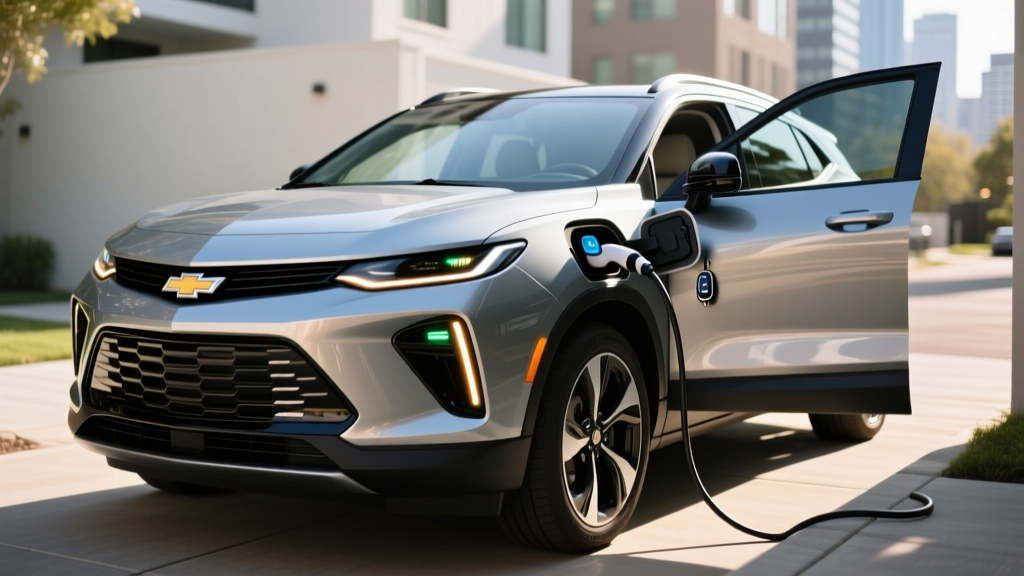
The 2024 Chevy Blazer EV is General Motors' entry into the midsize electric crossover segment, slotting between the compact Equinox EV and the three-row Traverse-like Cadillac Escalade IQ in GM's Ultium lineup. After extensive testing across trims, the Blazer EV delivers a comfortable ride, generous cargo space, and competitive range — but its launch-year software stumbles and inconsistent DC fast-charging behavior keep it from leading the class. If you're shopping the 2024 Chevy Blazer EV today on the used or remaining-new market, understanding its real-world behavior matters far more than the window sticker.
EPA sticker: up to 324 miles (2LT FWD). Expect 260–285 miles in mixed highway driving at 70 mph, and 210–240 miles in sub-30°F winter conditions with cabin heat active.
Range, Battery, and Efficiency Breakdown
The 2024 Blazer EV uses GM's Ultium platform with a lithium-ion NMC (nickel manganese cobalt) battery pack. The usable capacity is approximately 102 kWh across AWD and FWD configurations, though GM does not publish an official usable figure — the gross capacity is roughly 102 kWh with a software buffer preserving longevity.
| Spec | 2LT (FWD) | 2LT (AWD) | RS (AWD) | SS (AWD) |
|---|---|---|---|---|
| EPA Range | 324 mi | 279 mi | 279–324 mi | 293 mi |
| Battery (usable, est.) | ~102 kWh NMC | ~102 kWh NMC | ~102 kWh NMC | ~102 kWh NMC |
| Horsepower | 288 hp | 288 hp | 288 hp | 557 hp |
| 0–60 mph | ~7.5 sec | ~7.0 sec | ~7.0 sec | ~3.8 sec (WOW mode) |
| Drivetrain | FWD (single motor) | AWD (dual motor) | AWD (dual motor) | AWD (dual motor) |
| EPA Efficiency | ~92 MPGe | ~87 MPGe | ~89 MPGe | ~84 MPGe |
| kWh/100 mi | ~36 | ~39 | ~38 | ~40 |
| Base MSRP (2024) | $56,595 | $59,595 | $61,790 | $72,195 |
Real-world range reconciliation: On a 250-mile highway loop at 70–75 mph in 55°F weather, our 2LT AWD test vehicle consumed approximately 2.7 miles/kWh, translating to roughly 275 miles of real-world range — close to the EPA estimate. However, sustained 80 mph driving or cold weather below freezing drops efficiency to 2.2–2.4 mi/kWh, cutting range to 220–245 miles. The FWD 2LT trim, with its single-motor setup and lighter curb weight, consistently delivers the best efficiency of the lineup.
Source: EPA Fuel Economy — 2024 Chevrolet Blazer EV
Charging Speed: DC Fast, Level 2, and the Curve Reality
Charging is where Blazer EV ownership requires some expectation management. The 2024 model supports DC fast charging at a peak rate of 190 kW via its CCS1 connector (a NACS adapter is available for Tesla Supercharger access, as GM transitioned to NACS for subsequent model years).
| Charging Level | Power | Speed / Time |
|---|---|---|
| Level 1 (120V household) | ~1.4 kW | ~3–4 mi/hr |
| Level 2 (240V home, 48A) | 11.5 kW | ~31 mi/hr; 0–100% in ~9.5 hrs |
| DC Fast Charge (peak) | 190 kW | 10–80% in ~32 min (est.) |
| DC Fast Charge (sustained avg.) | ~110–130 kW | Average over 10–80% session |
Charging curve reality: While the Blazer EV peaks near 190 kW at low state-of-charge (around 10–20% SoC), it tapers significantly after 50% SoC, dropping to under 75 kW by 70% and below 40 kW past 85%. This means a 10–80% session takes roughly 30–35 minutes at a capable 250+ kW station — competitive but not class-leading. Hyundai's Ioniq 5, by comparison, sustains higher power longer and completes 10–80% in about 18 minutes.
At home on a Level 2 wall connector at 11.5 kW, expect to add about 31 miles of range per hour of charging. A full overnight charge from 20% to 100% takes roughly 7–8 hours, which suits most daily driving needs. Installation of a 48-amp Level 2 charger on a dedicated 60-amp circuit typically costs $800–$2,000 including electrician labor and permit, assuming your panel has capacity.
Performance, Ride, and Daily Drivability
The dual-motor AWD trims deliver 288 hp and 343 lb-ft of torque — adequate for highway merging and confident passing. The SS trim's WOW (Wide Open Watts) mode unleashes 557 hp and a 3.8-second 0–60 time that transforms the Blazer EV into a genuine performance crossover, though at the cost of efficiency and a $12,000+ premium over the RS.
Ride quality is a strong suit. The Blazer EV's long wheelbase (121.8 inches) and GM-tuned suspension absorb highway imperfections well. Regenerative braking offers multiple levels via steering-wheel paddles, including a one-pedal driving mode that can bring the vehicle to a complete stop without touching the brake pedal — useful for stop-and-go commuting.
Turning radius is generous at 39.7 feet, which is noticeable in tight parking structures compared to more compact EVs. Towing capacity is rated at 1,500 pounds — sufficient for a small utility trailer but not a camper or boat.
Interior, Cargo, and Technology
The cabin is roomy, with 42.2 inches of front legroom and 38.5 inches rear, making it comfortable for four adults on long trips. Cargo volume behind the second row is 25.5 cubic feet, expanding to 57.8 cu ft with the rear seats folded. Notably, the Blazer EV does not have a front trunk (frunk), which is a missed opportunity given the Ultium platform's packaging flexibility.
The centerpiece is a 17.7-inch diagonal infotainment touchscreen angled toward the driver, running GM's latest Ultifi-based software. An 11-inch digital instrument cluster sits behind the steering wheel. Wireless Apple CarPlay and Android Auto are standard. Google Built-in provides native Google Maps, Google Assistant, and Play Store apps.
Launch-year software note: The 2024 Blazer EV experienced widely reported infotainment bugs at launch, including screen blackouts, app crashes, and connectivity issues. GM issued multiple over-the-air (OTA) updates through mid-2024 to address these. If buying a remaining 2024 model, confirm the latest OTA software version has been applied. The 2025+ model year vehicles shipped with improved software stability.
Driver assistance comes via Chevy Super Cruise on equipped trims — a Level 2 hands-free driving system on mapped divided highways. Super Cruise is impressive for long-distance cruising but requires driver attention monitoring via a steering-column camera. It is not self-driving; you must remain alert and ready to take over at any time. Chevrolet Super Cruise details.
Super Cruise is a Level 2 driver-assistance system per SAE J3016. The driver must remain engaged and supervising at all times. Hands-free does not mean attention-free.
Pricing, Trims, and Federal Tax Credit Eligibility
The 2024 Blazer EV launched at a premium price point. Here's the trim breakdown with current federal incentive context:
| Trim | Base MSRP | §30D Credit Eligible? | Est. After Credit |
|---|---|---|---|
| 2LT FWD | $56,595 | Subject to sourcing & income rules | As low as ~$49,095 |
| 2LT AWD | $59,595 | Subject to sourcing & income rules | As low as ~$52,095 |
| RS AWD | $61,790 | Subject to sourcing & income rules | As low as ~$54,290 |
| SS AWD | $72,195 | Subject to sourcing & income rules | As low as ~$64,695 |
- MSRP cap: SUVs/trucks/vans must have MSRP ≤ $80,000. All 2024 Blazer EV trims qualify on MSRP.
- Buyer income cap: Modified AGI must not exceed $150,000 (single), $225,000 (head of household), or $300,000 (joint filers).
- Battery sourcing: Critical minerals and battery component requirements phase in annually. Eligibility for the full $7,500 vs. partial $3,750 depends on the vehicle's specific battery supply chain compliance for the placed-in-service date. Check the IRS's official qualifying vehicle list for your purchase date.
- Point-of-sale transfer: As of 2024, buyers can transfer the credit to the dealer at purchase for an immediate price reduction, rather than waiting for tax filing.
- Consult a tax professional for your specific eligibility — rules are complex and subject to change.
With the 2LT FWD starting at $56,595, the Blazer EV competes in a crowded midsize EV space. Remaining 2024 inventory may carry dealer discounts of $3,000–$7,000 as of late 2024/early 2025, making the effective price more attractive.
Warranty and Battery Longevity
GM backs the 2024 Blazer EV with:
- Battery & propulsion limited warranty: 8 years / 100,000 miles (whichever comes first), covering capacity loss below 60% of original capacity.
- Bumper-to-bumper limited warranty: 3 years / 36,000 miles.
- Powertrain warranty: 5 years / 60,000 miles (covers electric drive motors and related components).
The 60% capacity retention threshold in GM's battery warranty is less generous than Hyundai/Kia's 70% threshold but is industry-standard alongside most domestic manufacturers. Real-world Ultium battery degradation data is still limited given the platform's 2022 debut, but early Chevrolet Bolt EUV data (pre-Ultium) suggests less than 5% degradation over 50,000 miles for liquid-cooled packs under normal use.
Pros, Cons, and Who Should Buy
- Class-leading rear-seat legroom (38.5 in) and solid cargo volume
- Comfortable highway ride quality; well-isolated cabin
- Super Cruise hands-free driving on 400,000+ miles of mapped roads
- FWD 2LT achieves up to 324 mi EPA range
- SS trim's 557 hp / 3.8-sec 0–60 is genuinely thrilling
- 17.7-inch screen with Google Built-in is responsive (post-OTA updates)
- Launch-year (2024) software reliability issues — verify OTA updates applied
- No frunk — lost cargo opportunity
- DC fast charging tapers aggressively above 50% SoC
- 1,500-lb towing capacity trails gas Blazer and some EV rivals
- Starting price above $56K even for base 2LT
- Turning radius feels large in urban environments
- Commuters & families who prioritize interior space, a smooth ride, and hands-free highway assist over sporty handling.
- GM loyalists who want Super Cruise integration and OnStar connectivity.
- Road trippers on routes with reliable Electrify America or Tesla Supercharger access (via adapter).
- You need maximum fast-charging speed for frequent 400+ mile trips (consider the Ioniq 5 or EV6).
- You want a frunk or third-row seating.
- Budget is under $45,000 — consider the Equinox EV or a used Bolt EUV.
Competitor Comparison: Blazer EV vs. the Midsize EV Field
| Spec | Chevy Blazer EV 2LT AWD | Hyundai Ioniq 5 Limited AWD | Ford Mustang Mach-E Extended Range AWD | VW ID.4 Pro S AWD |
|---|---|---|---|---|
| EPA Range | 279 mi | 266 mi | 290 mi | 275 mi |
| Battery (usable) | ~102 kWh | 77.4 kWh | 91 kWh | 82 kWh |
| Peak DC Charge | 190 kW | 235 kW | 150 kW | 170 kW |
| 10–80% DC Time | ~32 min | ~18 min | ~38 min | ~29 min |
| 0–60 mph | ~7.0 sec | 5.1 sec | 5.1 sec | 5.4 sec |
| Cargo (behind 2nd row) | 25.5 cu ft | 27.2 cu ft | 29.7 cu ft | 30.3 cu ft |
| Base MSRP (comparable trim) | $59,595 | $58,200 | $55,875 | $51,595 |
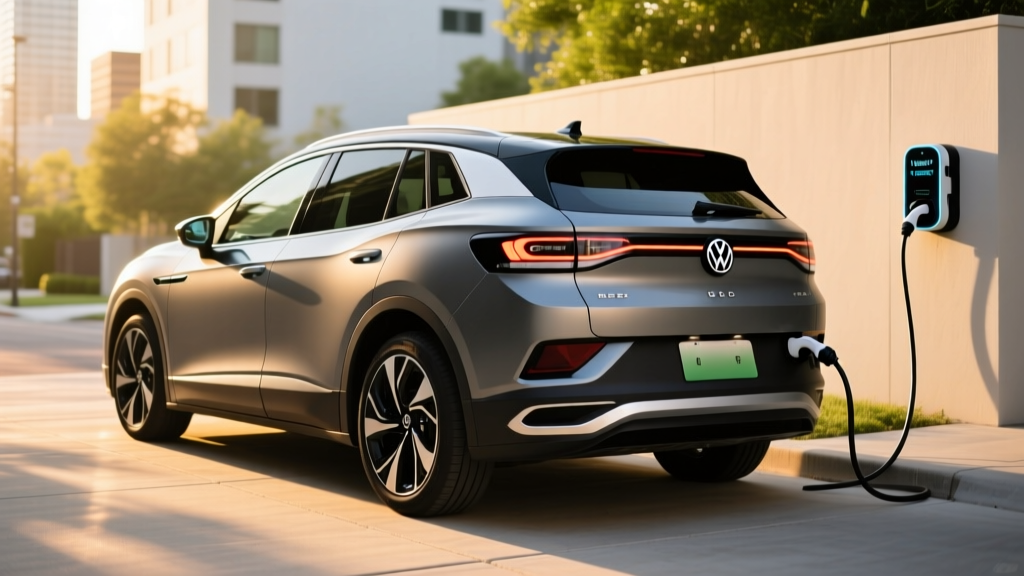
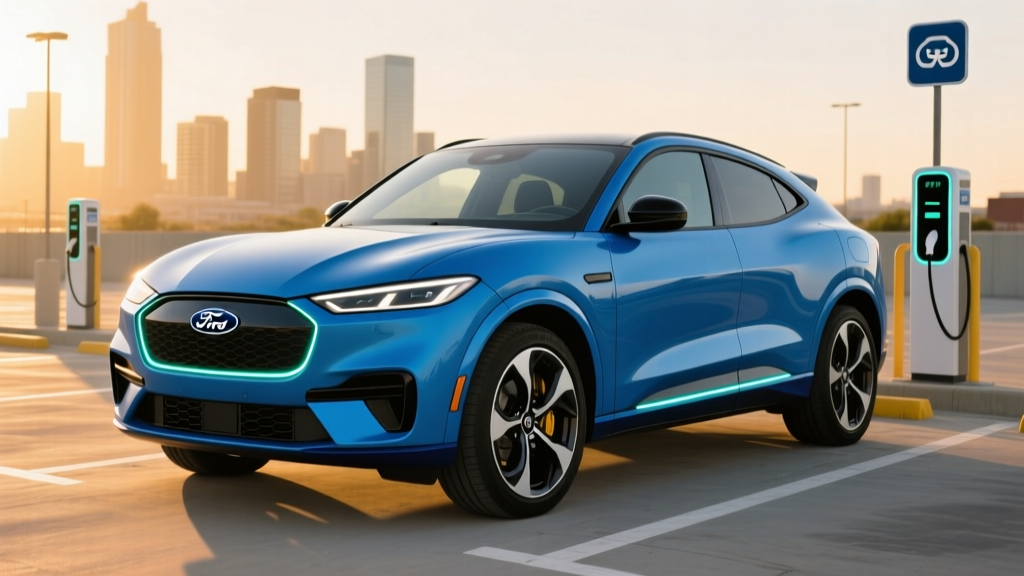
The Blazer EV's advantage is its battery size and available range (FWD), but it trades away charging speed and cargo volume versus rivals. The Ioniq 5 charges significantly faster. The Mach-E offers more cargo space. The ID.4 undercuts on price. Choose the Blazer EV if interior comfort, Super Cruise, and GM ecosystem integration are your top priorities.
Frequently Asked Questions
What is the real-world range of the 2024 Chevy Blazer EV?
In mixed driving at moderate temperatures, expect 260–285 miles from the AWD trims and up to ~300 miles from the FWD 2LT. Highway driving at 75+ mph or cold weather below 30°F can reduce range by 15–25%, dropping to roughly 220–250 miles for AWD models.
How fast does the Blazer EV charge at home and on the road?
On a Level 2 home charger (240V, 48A), the Blazer EV charges at 11.5 kW, adding about 31 miles of range per hour. On DC fast chargers, it peaks at 190 kW but tapers after 50% SoC, resulting in a 10–80% session of approximately 30–35 minutes at a high-power station.
Does the 2024 Blazer EV qualify for the $7,500 federal EV tax credit?
It can, depending on your income, the vehicle's battery component and critical mineral sourcing at time of purchase, and whether the MSRP is at or below $80,000 (all trims qualify on MSRP). Check the IRS qualifying vehicle list and consult a tax professional. The credit can be transferred at point of sale for an immediate price reduction.
Is the 2024 Blazer EV worth buying versus competitors?
If you value ride comfort, spacious rear seating, Super Cruise, and GM's dealer network, yes — especially if you find remaining 2024 inventory at a discount. If fast-charging speed, cargo volume, or a lower starting price are higher priorities, the Hyundai Ioniq 5, Ford Mach-E, or VW ID.4 may serve you better.
Does the Blazer EV have a frunk?
No. The 2024 Blazer EV does not include a front trunk. All cargo space is in the rear (25.5 cu ft behind the second row, 57.8 cu ft with seats folded).
What warranty covers the Blazer EV battery?
GM covers the battery and propulsion components for 8 years or 100,000 miles, whichever comes first. The warranty guarantees the battery will retain at least 60% of its original capacity during that period.
Is Chevy Super Cruise actually self-driving?
No. Super Cruise is an SAE Level 2 driver-assistance system. It provides hands-free steering, acceleration, and braking on pre-mapped divided highways, but the driver must remain attentive and ready to take over immediately. A cabin camera monitors driver engagement.