The Quick Answer: Is the Chevrolet Spark EV Worth It in 2026?
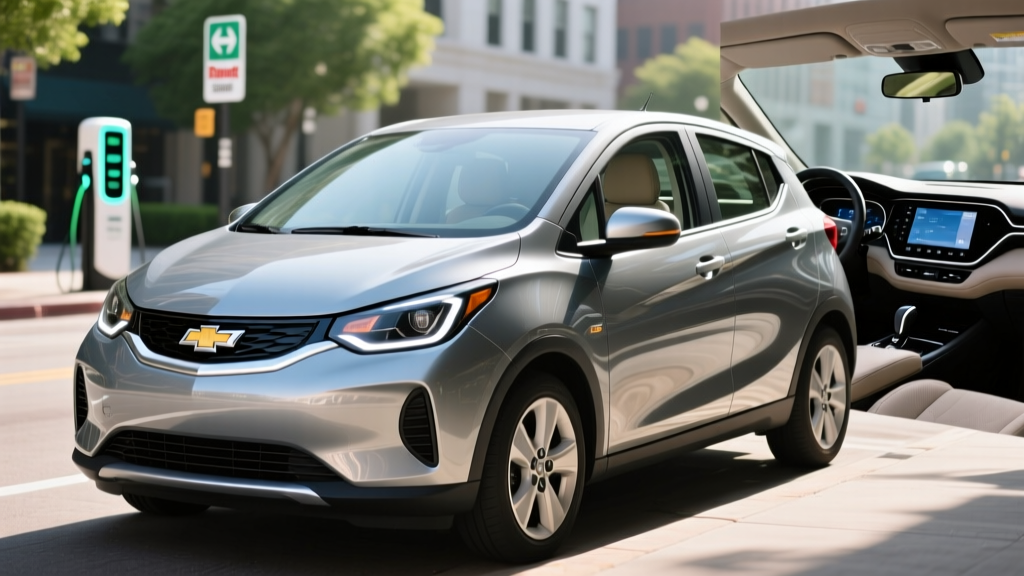
The Chevrolet Spark EV is a discontinued, used-only electric subcompact with an EPA range of 63 miles (2014 model) or 82 miles (2015-2016 models). In 2026, expect to pay $5,500–$9,000 on the used market depending on mileage and battery condition. It works as a city commuter if you can charge at home and your daily round-trip is under 45 miles. It is not viable for highway road trips, cold-climate commuters without garage charging, or anyone without reliable Level 2 home access.
Chevrolet Spark EV Specs: What You're Actually Buying
Chevrolet produced the Spark EV from 2014 through 2016 before discontinuing it in favor of the Bolt EV. Three model years exist, and the specs differ meaningfully between the first and later years.
| Spec | 2014 Spark EV | 2015–2016 Spark EV |
|---|---|---|
| EPA Range | 63 miles | 82 miles |
| Battery Capacity | 21.3 kWh (NMC) | 18.4 kWh (NMC, higher density) |
| Motor Output | 114 hp / 400 lb-ft torque | 143 hp / 327 lb-ft torque |
| 0–60 mph | ~7.6 seconds | ~7.2 seconds |
| DC Fast Charge (max) | 50 kW (SAE Combo/CCS) | 50 kW (SAE Combo/CCS) |
| 10–80% DC Fast Charge | ~30 minutes | ~30 minutes |
| Level 2 Charge Rate | 3.3 kW | 3.3 kW |
| Level 2 Full Charge Time | ~7 hours | ~6 hours |
| EPA Efficiency (MPGe) | 119 MPGe combined | 119 MPGe combined |
| EPA kWh/100 mi | 28 kWh/100 mi | 28 kWh/100 mi |
The 2015 redesign swapped to a smaller but more energy-dense LG Chem battery pack, gaining 19 miles of EPA range despite losing 2.9 kWh of capacity. The 2015+ motor also produces more horsepower. If you're shopping used, prioritize the 2015 or 2016 model — the range gain and extra power matter significantly at this low baseline.
Real-World Range Expectations
EPA Sticker: 82 miles (2015-2016) / 63 miles (2014)
Real-world city driving (65°F, moderate speeds): Expect 70–78 miles from a 2015-2016 model in good battery health.
Highway driving (70+ mph): Range drops to roughly 55–65 miles due to aerodynamic drag on a small battery.
Cold weather (below 32°F): Expect 25–35% range loss. A 2015-2016 Spark EV may deliver only 50–60 miles in freezing temperatures without preconditioning. The Spark EV has no battery thermal management system comparable to modern EVs — cold hits this small pack hard.
Battery degradation factor: A 10-year-old NMC pack will have lost some capacity. Budget for 85–92% State of Health (SoH) on a well-maintained example, meaning real range could be 68–75 miles for a 2015-2016 model even in ideal conditions.
Used Spark EV Pricing in 2026
The Spark EV occupies an interesting position in the used EV market. It's one of the cheapest electric vehicles you can buy, but you're paying for limited capability.
| Model Year | Typical Price Range (2026) | Mileage Range |
|---|---|---|
| 2014 Spark EV | $4,500 – $6,500 | 50,000 – 90,000 mi |
| 2015 Spark EV | $5,500 – $7,500 | 45,000 – 80,000 mi |
| 2016 Spark EV | $6,500 – $9,000 | 35,000 – 70,000 mi |
For context, a used 2017–2019 Chevrolet Bolt EV with 238 miles of EPA range typically sells for $11,000–$16,000 in 2026. The Spark EV saves you $5,000–$8,000 upfront but sacrifices roughly 155 miles of range. That trade-off only makes sense for a very specific use case: a second car used strictly for short urban errands and commutes.
Federal tax credit note: The §30D federal tax credit applies only to new vehicle purchases. However, the used clean vehicle credit (§25E) allows eligible buyers to claim up to $4,000 (30% of sale price, capped) on qualifying used EVs purchased from a dealer. At a $7,000 Spark EV purchase price, 30% equals $2,100 — that's your potential credit. Income caps apply ($75,000 single / $150,000 joint), the vehicle must be under $25,000, and it must be at least two model years old. The Spark EV qualifies on model-year and price criteria. Verify current-year rules with a tax professional or the IRS directly before relying on this credit.
Charging the Spark EV: Home and Public Reality
The Spark EV's charging capabilities reflect its 2014–2016 engineering. This matters for daily ownership.
| Charging Level | Power | Miles Added Per Hour | Notes |
|---|---|---|---|
| Level 1 (120V outlet) | ~1.2 kW | ~4 miles/hour | Full charge in ~18–20 hours. Usable only for overnight top-ups. |
| Level 2 (240V home charger) | 3.3 kW | ~12 miles/hour | Full charge in 6–7 hours. Requires a 240V outlet or hardwired station. |
| DC Fast Charge (CCS) | 50 kW peak | N/A (session-based) | 10–80% in ~30 min. Uses CCS1 connector. Limited by today's standards. |
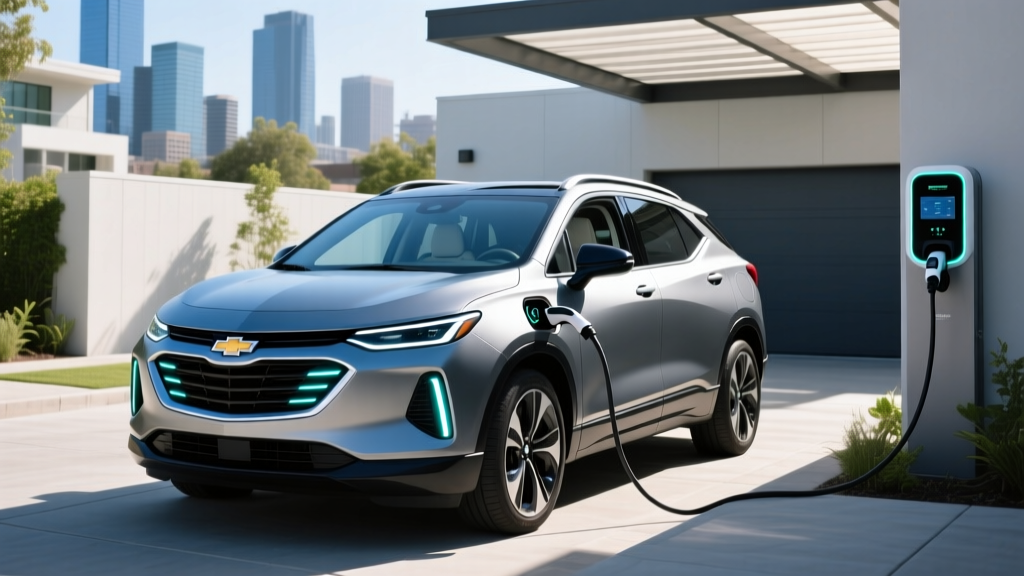
Home charging is essential. With only 82 miles of range, relying on public charging is impractical as a primary strategy. A Level 2 home charger (240V) is strongly recommended. Level 1 trickle charging from a standard outlet adds roughly 4 miles per hour — enough to replenish ~48 miles overnight in 12 hours, but barely sufficient if you drive 40+ miles daily.
Level 2 installation cost: Expect $500–$1,500 for a basic Level 2 charger installation if your electrical panel has capacity on a 240V circuit. If your home needs a panel upgrade (common in older homes), add $1,500–$3,000. The Spark EV's 3.3 kW onboard charger means you don't need an expensive high-amperage station — even a modest 16-amp, 240V outlet (like a NEMA 14-50) will max out the car's charging capability.
DC fast charging limitation: The 50 kW peak charge rate was competitive in 2015 but is slow by 2026 standards. Modern EVs charge at 150–350 kW. At 50 kW, you're adding roughly 1.5 miles of range per minute of charging. Plan DC fast stops around a 30-minute minimum for meaningful replenishment. Also note that the Spark EV uses the CCS1 connector, which remains widely supported at public networks like Electrify America and EVgo, though the industry is shifting toward NACS (Tesla's connector). CCS1 compatibility is not at risk in the near term, but adapter availability will matter long-term.
Spark EV vs. Gas Car: The Real Cost Comparison
Let's compare owning a used Spark EV against a comparable used gas subcompact — a 2015–2016 Chevrolet Spark (gas) — over 5 years at 10,000 miles/year.
| Cost Category | Spark EV (2015-2016) | Spark Gas (2015-2016) |
|---|---|---|
| Purchase Price (avg) | $7,000 | $7,500 |
| Used EV Tax Credit (§25E est.) | –$2,100 | $0 |
| Net Purchase Cost | $4,900 | $7,500 |
| Fuel/Energy (5 yrs, 50k mi) | $1,750 (home charging @ $0.14/kWh) | $5,350 (gas @ $3.30/gal, 30 MPG) |
| Maintenance (5 yrs) | $800 (tires, wipers, cabin filter, brake fluid) | $2,800 (oil changes, filters, brakes, spark plugs) |
| Insurance (5 yrs, avg) | $5,500 ($1,100/yr) | $5,000 ($1,000/yr) |
| Home Charger Install (one-time) | $1,000 | $0 |
| 5-Year Total Cost | $13,950 | $20,650 |
| Savings with EV | ~$6,700 over 5 years | |
The Spark EV saves roughly $6,700 over five years compared to its gas counterpart, primarily through fuel and maintenance savings. The energy cost calculation assumes predominantly home charging at the national average residential rate of ~$0.14/kWh (source: EIA). If you rely heavily on public DC fast charging at $0.35–$0.50/kWh, your fuel costs would roughly double, narrowing the savings gap to about $4,000.
Maintenance savings are significant: EVs eliminate oil changes, spark plugs, timing belts, and exhaust system repairs. Regenerative braking also extends brake pad life substantially — many EV owners go 80,000+ miles on original pads.
Battery Health: The #1 Thing to Check Before Buying
The Spark EV's lithium-ion NMC battery is now 10–12 years old. Battery degradation is the single largest risk in purchasing one.
Expected State of Health (SoH): Most 2014–2016 Spark EVs will show 82–93% SoH depending on climate history, charging habits, and mileage. A pack that started with 82 miles of range at 100% SoH will deliver roughly 67–76 miles at 85% SoH.
How to check SoH before buying:
- Use an OBD-II scanner with EV-compatible software (such as LeafSpy-equivalent tools for GM) to read battery health data directly from the BMS.
- Request a full charge at a Level 2 station and note the estimated range displayed on the dash. Compare it to the original EPA figure.
- Check for any battery warranty claims. GM warranted the Spark EV battery for 8 years/100,000 miles (10 years/150,000 miles in CARB states like California). A 2014 model's warranty has expired; a 2016 model in a CARB state may still have limited coverage through 2026.
Battery replacement cost: If the pack fails out of warranty, expect $4,000–$7,000 for a replacement or refurbished battery plus labor. This can exceed the car's value, making a failed battery a total-loss scenario for many owners. This is the primary financial risk of buying an aging, low-cost EV.
According to fueleconomy.gov, the 2016 Spark EV rated at 119 MPGe combined — still competitive with modern EVs on efficiency, even if range and charging speed have been surpassed.
Common Spark EV Misconceptions — Corrected
| Myth | Fact |
|---|---|
| "82 miles of range is enough for anyone's commute." | The average US one-way commute is ~16 miles, but 23% of commuters travel 30+ miles one way. Add detours, climate control, and cold weather, and 82 EPA miles can shrink to 50 usable miles. Know your actual daily mileage before buying. |
| "It charges just as fast as modern EVs." | At 50 kW DC peak and 3.3 kW Level 2, the Spark EV charges roughly 3–5x slower than a 2025 Hyundai Ioniq 5 (which peaks at 240 kW DC). A full Level 2 charge takes 6+ hours vs. under 4 hours for many modern EVs. |
| "The battery will need replacing soon." | NMC batteries degrade gradually, not catastrophically. Most Spark EV packs still function at 85%+ SoH after 10 years. However, cold-climate cars that were repeatedly DC fast-charged may show accelerated degradation. Always verify SoH before purchase. |
| "I can use it as my only car." | With 82 miles of range, no fast highway capability, and 30-minute DC fast-charge sessions, the Spark EV works only as a dedicated city car or second vehicle. Road trips require significant planning and tolerance for frequent stops. |
| "The federal tax credit makes it nearly free." | The used EV credit (§25E) covers up to $4,000 or 30% of the sale price — whichever is less. On a $7,000 Spark EV, that's $2,100. It helps, but you're still paying $4,900 out of pocket before charger installation. |
Decision Framework: Should You Buy a Chevrolet Spark EV?
Buy the Spark EV if:
- Your daily round-trip driving is under 45 miles, even accounting for detours
- You have access to Level 2 home charging (240V garage or driveway)
- You live in a mild climate (rarely below 25°F) or have a garage for cold-weather parking
- This is a second car, and another vehicle in your household can handle long trips
- Your total budget is under $10,000 and you want the lowest possible operating cost
- You qualify for the §25E used clean vehicle credit
Skip the Spark EV if:
- Your daily commute exceeds 45 miles round-trip
- You lack home charging access and would rely on public chargers
- You live in a cold climate with extended sub-freezing temperatures (Upper Midwest, Northeast winters)
- You need a single-vehicle household — the range is too limiting as a sole car
- You want DC fast charging suitable for road trips (consider a used Bolt EV, Nissan Leaf Plus, or Hyundai Kona Electric instead)
- You cannot verify battery SoH before purchase
If the Spark EV doesn't fit your needs but you want a budget-friendly used EV, consider these alternatives in the $8,000–$16,000 range:
- Used Chevrolet Bolt EV (2017–2019): 238 miles EPA, 55 kW DC fast charging (60 kW on 2020+), significantly more practical. ~$11,000–$16,000.
- Used Nissan Leaf (2018+, 40 kWh): 151 miles EPA, CHAdeMO connector (note: network is shrinking). ~$9,000–$13,000.
- Used Hyundai Kona Electric (2019–2020): 258 miles EPA, 75 kW DC fast charging. ~$14,000–$18,000.
Frequently Asked Questions
What is the real-world range of a used Chevrolet Spark EV in 2026?
For a 2015–2016 model with typical battery degradation (85–92% SoH), expect 68–78 miles in mild city driving, 55–65 miles at highway speeds, and 50–60 miles in freezing temperatures. The 2014 model with its 63-mile EPA sticker will deliver roughly 52–60 miles in ideal conditions and as little as 38–45 miles in cold weather.
How long does it take to charge a Spark EV at home?
On a Level 2 (240V) charger at 3.3 kW, a full charge from empty takes approximately 6–7 hours for the 2015–2016 model. On a standard 120V outlet (Level 1), expect 18–20 hours for a full charge — effectively one full day. Most owners charge overnight on Level 2 and start each morning at or near 100%.
Does the Spark EV qualify for any tax credits in 2026?
Not the §30D new vehicle credit — that applies only to new purchases. However, the §25E used clean vehicle credit can provide up to $4,000 (capped at 30% of the sale price) if you buy from a licensed dealer, meet income limits ($75,000 single / $150,000 joint), and the vehicle is under $25,000. On a typical $7,000 Spark EV, the credit would be approximately $2,100. Consult the IRS §25E page or a tax professional to confirm eligibility.
What should I inspect before buying a used Spark EV?
Prioritize battery State of Health (SoH) above all else — use an OBD-II scanner to pull BMS data. Check for any open recalls (the 2014 model had a battery-related recall). Inspect the CCS charge port for damage or corrosion. Verify that the original charge cord is included. Test DC fast charging at a public station to confirm the port and onboard charger function correctly. Finally, check tire age — original tires on a 10-year-old car should be replaced regardless of tread depth.
Is the Spark EV safe compared to modern EVs?
The Spark EV earned a 4-star overall rating from NHTSA (out of 5). However, it lacks modern ADAS features — no automatic emergency braking, no lane-keeping assist, no adaptive cruise control. It is a basic vehicle by 2026 safety-technology standards. If advanced driver assistance is important to you, look at newer used EVs like the Bolt EV or Kona Electric, which include features like forward collision alert and lane-keep assist.
Can I take a road trip in a Spark EV?
Technically yes, but practically it's painful. With ~70 real-world miles between charges and 30-minute DC fast-charge stops, a 300-mile trip would require 4–5 charging stops totaling 2.5+ hours of stationary time. Many DC fast chargers along highways now prioritize 150+ kW vehicles, meaning your 50 kW Spark EV will charge at a fraction of the station's capability. For occasional road trips, renting a car is more practical.