Quick Verdict: A Fleet-Grade Electric Pickup That Actually Works
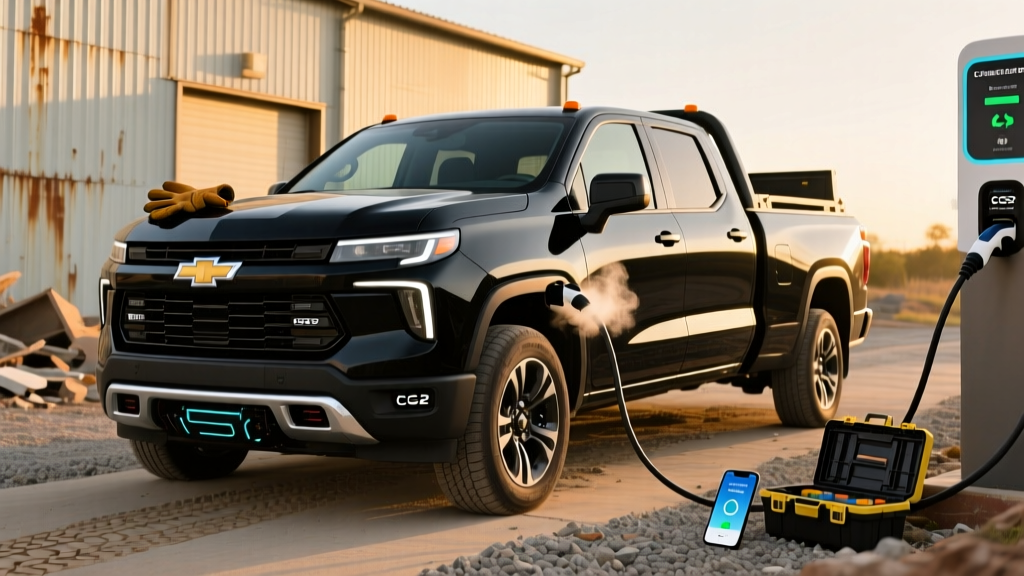
The Chevrolet Silverado EV Work Truck (sold under the WT — Work Truck — badge) is General Motors' answer to fleet operators, tradespeople, and commercial buyers who need a full-size electric pickup without the luxury-truck price tag. Available in two-wheel-drive (2WT) and four-wheel-drive (4WT) configurations, the Silverado EV WT prioritizes payload, range, and charging speed over leather seats and panoramic roofs. After spending time with the 4WT variant on mixed highway and job-site driving, the conclusion is clear: this is one of the most capable commercial EVs on the road, provided your route fits within its real-world range envelope and you have depot or home charging access.
With an EPA-estimated range of up to 370 miles on the 2WD model, a massive Ultium battery pack, and bidirectional charging capability, the Silverado EV WT competes directly with the Ford F-150 Lightning Pro and the Rivian EDV (Amazon's delivery van, not publicly sold). For private buyers and small-business owners, it fills a gap between consumer luxury EVs and purpose-built commercial vehicles.
Range & Efficiency: What the EPA Number Doesn't Tell You
- EPA Estimated (2WT): 370 miles
- EPA Estimated (4WT): 350 miles
- Real-World Highway (70-75 mph, unloaded): ~290–320 miles
- Real-World Highway + 1,500 lb payload: ~240–270 miles
- Cold-Weather (below 30°F, highway): ~220–260 miles
The Silverado EV WT's aerodynamic profile and enormous battery deliver impressive range on paper. In practice, highway driving at 70+ mph cuts efficiency by 15–20% versus the EPA combined cycle — typical for full-size trucks. Add payload or a trailer, and energy consumption climbs steeply. Cold weather further reduces usable range due to battery chemistry limitations and cabin heating demands, though the WT's heat pump mitigates some of this loss compared to resistive heating systems.
According to fueleconomy.gov, the Silverado EV 4WT achieves an EPA-rated 64 MPGe combined, translating to roughly 52 kWh per 100 miles. That efficiency figure is competitive with the F-150 Lightning Pro (66 MPGe combined) and significantly better than the GMC Hummer EV Pickup, which sacrifices range for mass. For fleet managers calculating per-mile energy cost, at a national commercial electricity average of $0.14/kWh, that works out to approximately $0.073 per mile — roughly one-third the fuel cost of a comparable gas Silverado 1500 at $3.50/gallon and 19 MPG combined.
Battery, Charging & Infrastructure: Ultium at Scale
The Silverado EV WT uses GM's Ultium battery platform with a usable capacity of approximately 200 kWh — one of the largest battery packs in any production light-duty vehicle. GM has not publicly disclosed the exact cell chemistry for the WT trim, but Ultium packs use NMC (nickel manganese cobalt) pouch cells supplied by Ultium Cells LLC (a GM–LG Energy Solution joint venture). NMC chemistry offers higher energy density than LFP, which is critical for fitting 200 kWh into a truck platform without exceeding weight limits.
| Charging Level | Connector | Max Rate | Speed / Time |
|---|---|---|---|
| Level 1 (120V) | J1772 / NACS | 1.4 kW | ~3 mi/hr |
| Level 2 (240V, home/depot) | J1772 / NACS | 11.5 kW (onboard) | ~25 mi/hr |
| Level 2 (240V, 19.2 kW capable) | NACS / J1772 adapter | 19.2 kW | ~42 mi/hr |
| DC Fast Charge | NACS (native) | 200 kW peak | 10–80% in ~45 min |
The 200 kW peak DC fast-charge rate is the Silverado EV WT's most important charging spec for commercial operations. On a 350 kW-capable charger (such as those deployed by Electrify America or EVgo), the truck can recover roughly 100 miles of range in about 20 minutes. However, the charging curve tapers significantly above 80% State of Charge (SoC) — a reality for all NMC packs. Fleet operators should plan charging sessions around the 10–80% window for optimal throughput rather than topping off to 100%, which adds time and accelerates long-term battery degradation.
For depot charging, the Silverado EV WT supports up to 19.2 kW AC Level 2 when paired with a compatible station. At that rate, a full overnight charge (10 hours) adds approximately 420 miles of range — more than enough to replenish the pack between shifts. Most commercial installations will opt for 11.5 kW Level 2 stations (requiring a 60-amp circuit), which deliver roughly 25 miles of range per hour and can fully recharge the 200 kWh pack in about 18–20 hours. Fleet managers should consult a licensed electrician for panel capacity assessment, as multiple simultaneous 19.2 kW chargers will likely require a 480V three-phase service upgrade.
The Silverado EV uses the NACS (North American Charging Standard) connector natively, giving it direct access to Tesla's Supercharger network — a significant infrastructure advantage over CCS-only competitors. As of 2026, Tesla has opened over 20,000 Supercharger stalls to non-Tesla NACS-equipped vehicles across North America.
Performance & Drivetrain: Electric Torque Meets Truck Duty
| Spec | 2WT (RWD) | 4WT (AWD / Dual-Motor) |
|---|---|---|
| Horsepower | 510 hp | 664 hp |
| Torque | 615 lb-ft | 780 lb-ft |
| 0–60 mph | ~5.4 sec | ~4.5 sec |
| Drivetrain | Rear-Wheel Drive | Dual-Motor AWD |
| Max Payload | ~1,800 lbs | ~1,600 lbs |
| Max Towing | 10,000 lbs | 10,000 lbs |
The dual-motor 4WT delivers 664 horsepower and 780 lb-ft of torque — numbers that rival the V8 in a Silverado 1500 ZR2. The instant torque delivery makes the truck feel significantly quicker than its 0–60 time suggests, especially when pulling away from a stop with a load. The AWD system provides confident traction in wet, muddy, or snowy conditions, which matters for job-site access and rural routes.
Towing is where electric trucks reveal their trade-offs. The 10,000-lb max tow rating is respectable, but towing near that limit will cut real-world range by 40–55%. Expect 150–190 miles of range when pulling 8,000+ lbs on the highway. For commercial buyers who tow daily, route planning around DC fast chargers becomes essential. The Silverado EV WT's integrated trailer brake controller and tow/haul mode with regenerative braking help manage heavy loads, but no current EV pickup is ideal for long-distance heavy towing without careful logistics.
Interior, Cargo & Technology
The WT trim is deliberately utilitarian. Vinyl-trimmed seats, rubberized floor mats, and durable hard plastics dominate the cabin — exactly what fleet buyers and tradespeople want for easy cleanup. The crew cab configuration seats five adults with 43.4 inches of front legroom and 43.1 inches of rear legroom, per Chevrolet's official specifications.
The centerpiece of the dashboard is a 17.7-inch diagonal infotainment touchscreen running GM's Google Built-in platform, which includes Google Maps navigation with real-time EV route planning and charger availability. An 11-inch digital driver display replaces traditional gauges with configurable range, efficiency, and navigation readouts. Apple CarPlay and Android Auto are wireless.
Cargo capability defines this truck:
- Bed length: 5 ft 11 in (with Multi-Flex Midgate open, extends to over 9 ft into the cabin)
- Bed volume: ~60 cu ft (midgate closed)
- Front trunk (e-trunk): 10.2 cu ft — lockable, weather-sealed storage ideal for tools or jobsite materials
- Multi-Flex Midgate: The 60/40 split midgate folds down to extend the bed floor into the rear cabin, a standout feature for hauling lumber, conduit, or ladders while maintaining the cab's structural security
The WT also includes GM's ProGrade Trailering System with a hitch-view camera, trailer light testing, and tire-pressure monitoring for trailer tires. On the driver-assistance side, the WT comes with Chevy Safety Assist (SAE Level 2), which bundles automatic emergency braking, forward collision alert, lane-keep assist, following-distance indicator, and adaptive cruise control. Super Cruise — GM's hands-free Level 2 highway driving system — is available as an option on certain WT packages, offering hands-free driving on over 750,000 miles of compatible roads in the US and Canada.
Pricing, Trims & Federal Tax Credit Eligibility
| Trim | Base MSRP | Est. As-Tested | Federal Credit Potential | Effective Price |
|---|---|---|---|---|
| Silverado EV 2WT | ~$39,900 | $42,000–$45,000 | Up to $7,500* | ~$32,400–$37,500 |
| Silverado EV 4WT | ~$49,900 | $53,000–$62,000 | Up to $7,500* | ~$42,400–$54,500 |
*Federal EV tax credit eligibility under IRS §30D depends on multiple requirements. Always verify current rules with a tax professional.
The Silverado EV WT's pricing positions it as one of the most affordable full-size electric pickups on the market. The 2WT starting near $39,900 undercuts the Ford F-150 Lightning Pro and dramatically undercuts the Rivian R1T and Tesla Cybertruck. However, the 4WT with options (Super Cruise, upfitter packages, larger wheel/tire packages) can push past $60,000.
- MSRP Cap: Trucks/vans/SUVs must have an MSRP at or below $80,000 — the Silverado EV WT qualifies on all trims.
- Buyer Income Cap: Modified AGI must not exceed $150,000 (single), $225,000 (head of household), or $300,000 (joint filers).
- Battery Sourcing: A percentage of critical minerals and battery components must be sourced from the US or free-trade-agreement countries. GM has been progressively increasing domestic sourcing, but the exact credit amount ($3,750 or $7,500) depends on current-year compliance thresholds. Check the latest IRS qualified vehicle list.
- Point-of-Sale Transfer: Under current rules, buyers can transfer the credit to the dealer at purchase, reducing the out-of-pocket price immediately rather than waiting for a tax refund.
- Commercial Clean Vehicle Credit (§45W): Businesses and tax-exempt organizations may qualify for up to $7,500 under a separate commercial credit with different rules — consult a tax advisor.
Warranty, Ownership Costs & Longevity
GM backs the Silverado EV WT with a competitive warranty package:
- Battery & Drive Unit Warranty: 8 years / 100,000 miles (whichever comes first), with a capacity retention threshold of 70% — meaning GM warrants the battery will hold at least 70% of its original capacity during the warranty period.
- Bumper-to-Bumper Limited Warranty: 3 years / 36,000 miles
- Powertrain Warranty: 5 years / 60,000 miles (covers motors, power electronics)
For fleet operators running high-mileage vehicles, the 8-year/100,000-mile battery warranty provides reasonable protection, though some competitors offer 150,000-mile battery warranties on commercial variants. The Ultium NMC pack is liquid-cooled with active thermal management, which helps mitigate degradation in hot climates and during repeated DC fast-charging sessions.
On the cost side, EVs generally have lower maintenance expenses than internal-combustion trucks — no oil changes, no spark plugs, no transmission fluid, and regenerative braking extends brake pad life significantly. Insurance premiums for the Silverado EV WT tend to run 10–20% higher than a comparable gas Silverado, reflecting higher repair costs and battery replacement values. A full battery pack replacement out of warranty is estimated at $15,000–$25,000 based on current Ultium pack pricing, though this is unlikely to be needed within the first decade of normal use.
How It Stacks Up Against Key Competitors
| Spec | Silverado EV 4WT | F-150 Lightning Pro | Rivian R1T Dual-Motor |
|---|---|---|---|
| EPA Range | 350 mi | 240 mi (std) / 320 mi (ext) | 352 mi (Max Pack) |
| Battery (usable) | ~200 kWh | 98 kWh / 131 kWh | 149 kWh |
| Peak DC Charge | 200 kW | 150 kW | 220 kW |
| 10–80% Time | ~45 min | ~41 min | ~35 min |
| Horsepower | 664 hp | 580 hp | 665 hp |
| Max Payload | ~1,600 lbs | ~2,235 lbs | ~1,760 lbs |
| Max Tow | 10,000 lbs | 7,700 lbs (std) / 10,000 (ext) | 11,000 lbs |
| Base MSRP | ~$49,900 | ~$52,000 | ~$69,900 |
| Native Connector | NACS | CCS1 | NACS |
The Silverado EV WT's primary advantages are range and price. At 350 miles EPA (4WT), it handily beats the standard-range F-150 Lightning Pro and matches the extended-range variant while undercutting both on base price. The F-150 Lightning Pro counters with higher payload capacity (~2,235 lbs vs. ~1,600 lbs) and a more established dealer network for fleet service. The Rivian R1T Max Pack offers comparable range and more towing capacity but starts nearly $20,000 higher, making it less practical for fleet-scale purchases.
The NACS connector gives the Silverado EV a tangible edge over the CCS-equipped F-150 Lightning, as NACS provides native access to Tesla's Supercharger network — widely regarded as the most reliable DC fast-charging infrastructure in North America.
Pros
- Class-leading 350–370 mile EPA range
- Sub-$40,000 starting price (2WT) — most affordable full-size EV truck
- Native NACS connector with Supercharger access
- Multi-Flex Midgate for extended cargo length
- 10.2 cu ft e-trunk for secure tool storage
- Bidirectional charging (V2L / V2H capable with accessory equipment)
- 664 hp / 780 lb-ft (4WT) — serious performance for a work truck
Cons
- 10–80% DC charge time (~45 min) slower than some competitors
- Payload limited to ~1,600–1,800 lbs — trails F-150 Lightning
- Heavy towing cuts range by 40–55%
- Large 200 kWh pack means very long Level 2 charge times at lower kW stations
- NMC chemistry less ideal for daily 100% SoC fleet charging vs. LFP
- Limited WT trim availability — high demand, long order backlogs
Who Should Buy the Silverado EV Work Truck?
- You're a fleet operator or tradesperson with predictable daily routes under 250 miles round-trip
- You have access to depot or home Level 2 charging for overnight replenishment
- Range is your top priority — the 350–370 mile EPA figure is best-in-class for the price
- You need NACS/Supercharger access for occasional longer trips
- The Multi-Flex Midgate and e-trunk solve real cargo problems for your work
- You qualify for the full $7,500 federal credit or §45W commercial credit
- You regularly tow 8,000+ lbs over long distances — range drops too sharply
- Maximum payload is critical — the F-150 Lightning Pro carries ~600 lbs more
- You need daily 100% SoC charging — LFP-based alternatives may degrade slower
- Your operation is in a charging desert with limited DC fast-charge access
Frequently Asked Questions
What is the real-world range of the Chevrolet Silverado EV Work Truck?
The EPA rates the 2WT at 370 miles and the 4WT at 350 miles. In real-world highway driving at 70–75 mph unloaded, expect approximately 290–320 miles. With a 1,500 lb payload, that drops to roughly 240–270 miles. In cold weather (below 30°F), highway range may fall to 220–260 miles due to battery chemistry limitations and heating demand.
How fast does the Silverado EV WT charge at home and on the road?
On DC fast charging, the Silverado EV WT peaks at 200 kW and charges from 10–80% in approximately 45 minutes, adding about 100 miles in 20 minutes on a capable charger. At home on a 240V Level 2 station, the onboard charger accepts up to 19.2 kW (adding ~42 miles per hour) or 11.5 kW (~25 miles per hour), depending on the station and circuit. A full charge at 11.5 kW takes roughly 18–20 hours due to the massive 200 kWh battery.
Does the Silverado EV Work Truck qualify for the federal EV tax credit?
The Silverado EV WT meets the MSRP cap for trucks ($80,000 or below). Eligibility for the full $7,500 credit under IRS §30D depends on the buyer's income (AGI limits apply), the vehicle's battery component and critical-mineral sourcing compliance for the current tax year, and whether the buyer has not exceeded the per-manufacturer cap. The credit can be transferred to the dealer at point of sale. Always verify current eligibility on the IRS qualified vehicles list and consult a tax professional.
Is the Silverado EV WT worth buying over the Ford F-150 Lightning?
If range and price are your top priorities, the Silverado EV WT wins: it offers 350 miles EPA at a lower starting price than the F-150 Lightning Pro, plus native NACS/Supercharger access. If maximum payload matters most, the F-150 Lightning Pro carries roughly 600 lbs more. Both are strong commercial EVs — the right choice depends on your specific route profiles and cargo requirements.
Can the Silverado EV WT power my tools or home?
Yes. The Silverado EV WT supports bidirectional charging with available accessory equipment. Vehicle-to-Load (V2L) capability allows you to power tools and equipment directly from the truck's battery using bed-mounted outlets. Vehicle-to-Home (V2H) capability, with GM's Energy Transfer accessory and a compatible home electrical panel, can provide backup power during outages — potentially running essential circuits for multiple days given the 200 kWh battery.
What is the battery warranty on the Silverado EV WT?
GM covers the Ultium battery pack and drive units for 8 years or 100,000 miles, whichever comes first. The warranty guarantees that the battery will retain at least 70% of its original capacity during this period. The bumper-to-bumper limited warranty is 3 years/36,000 miles, and the powertrain warranty extends to 5 years/60,000 miles.