The Short Answer on the 2026 Electric Bolt
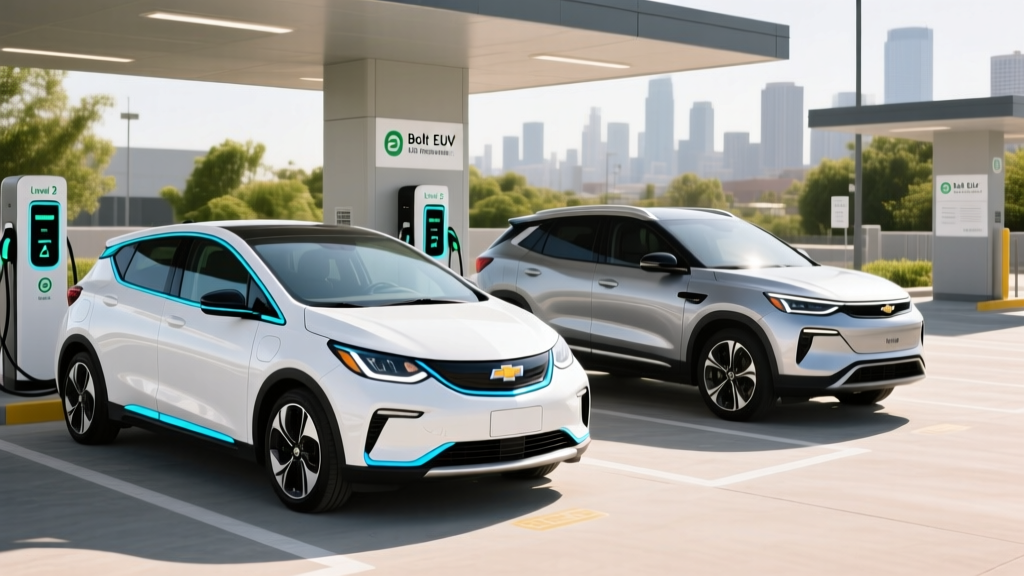
The 2026 Chevrolet Bolt EV delivers 259 miles of EPA range and the Bolt EUV 247 miles, starting around $28,995 (before incentives). It remains one of the most affordable long-range EVs on the US market. With a 65 kWh NMC battery, 200 hp, and DC fast charging peaking at roughly 55 kW, the Bolt is an outstanding daily commuter and city car — but its relatively slow fast-charging speed makes it less ideal for frequent road-trippers. If you have home Level 2 charging access and drive under 150 miles round-trip most days, the Bolt is one of the cheapest ways to go electric in 2026.
What the 2026 Chevrolet Bolt Actually Offers
Chevrolet revived the Bolt nameplate for the 2026 model year on GM's updated Ultium-derived platform, addressing the biggest complaint about the previous generation: DC fast-charging speed. While the new Bolt still isn't a charging-speed king, it improves meaningfully over the prior generation's ~50 kW peak. Here are the headline numbers every buyer should know before visiting a dealer.
| Spec | 2026 Bolt EV | 2026 Bolt EUV |
|---|---|---|
| EPA Range | 259 mi | 247 mi |
| Battery (usable) | ~65 kWh (NMC) | ~65 kWh (NMC) |
| Motor Output | 200 hp / 266 lb-ft | 200 hp / 266 lb-ft |
| 0–60 mph | ~7.0 sec | ~7.3 sec |
| Peak DC Fast Charge | ~65 kW | ~65 kW |
| 10–80% DC Charge | ~45 min | ~45 min |
| Level 2 (240V) Rate | 11.5 kW | 11.5 kW |
| MPGe (combined) | ~120 MPGe | ~115 MPGe |
| Base MSRP | $28,995 | $30,495 |
| Battery/Powertrain Warranty | 8 yr / 100,000 mi | 8 yr / 100,000 mi |
Real-World Range Reality: The EPA 259-mile sticker is achievable in mixed city/suburban driving at moderate temperatures. Expect roughly 220–235 miles on the highway at 70+ mph, and as low as 180–200 miles in freezing weather (below 30°F) due to cabin heating demands and reduced battery efficiency. Cold-weather range loss of 20–30% is typical for NMC chemistry without a dedicated heat pump system.
Bolt vs Gas: The Real Cost Comparison
The Bolt's appeal isn't just its sticker price — it's the total cost of ownership over time. Let's compare a 2026 Bolt EV against a similarly priced gas compact (think Honda Civic or Toyota Corolla, averaging ~$26,000–$30,000 MSRP) over 5 years and 75,000 miles.
| Cost Category (5 yr / 75k mi) | 2026 Bolt EV | Gas Compact (30 MPG avg) |
|---|---|---|
| Purchase Price (base) | $28,995 | $27,500 |
| Federal Tax Credit (§30D)* | Up to $7,500 (if eligible) | $0 |
| Effective Purchase | ~$21,495 | $27,500 |
| Fuel / Electricity | ~$2,800 (home charging, $0.14/kWh avg) | ~$8,750 ($3.50/gal, 30 MPG) |
| Maintenance | ~$1,200 | ~$3,500 |
| Insurance (avg) | ~$7,500 | ~$6,200 |
| 5-Year Total (est.) | ~$32,995 | ~$45,950 |
*§30D federal tax credit eligibility depends on your modified adjusted gross income (AGI), the vehicle's MSRP cap (sedans: $55,000; SUVs/trucks: $80,000), battery component and critical mineral sourcing requirements, and manufacturer assembly rules. The Bolt qualifies as a compact SUV/hatchback for the $55K MSRP cap. Always verify current rules at IRS.gov and consult a tax professional. Point-of-sale transfer is available at participating dealers.
The Bolt's fuel savings alone — roughly $5,950 over five years — more than offset its slightly higher insurance premiums. Maintenance is dramatically lower: no oil changes, no spark plugs, no transmission fluid, and regenerative braking extends pad life significantly.
Charging the Electric Bolt: What You Need to Know
Charging access is the make-or-break factor for any EV purchase. The Bolt supports three charging levels, and understanding each one is essential for realistic ownership expectations.
| Level | Power | Miles Added Per Hour | Best For |
|---|---|---|---|
| Level 1 (120V household) | ~1.4 kW | ~4–5 mi/hr | Overnight top-up, emergencies |
| Level 2 (240V home/public) | Up to 11.5 kW | ~34–38 mi/hr | Daily home charging, full overnight recharge |
| DC Fast Charge | Peak ~65 kW | ~150–180 mi/hr (peak) | Road trips, quick top-ups |
Home charging is practically mandatory for Bolt ownership. A full Level 2 home installation (240V, 48-amp circuit) typically costs $800–$2,500 including equipment and licensed electrician labor, depending on your panel capacity and run distance. This investment pays for itself within 1–2 years of fuel savings for most drivers.
On DC fast charging: the Bolt's ~65 kW peak is its most significant limitation. A 10–80% session takes roughly 45 minutes — workable for road trips with a planned meal break, but noticeably slower than competitors like the Hyundai Ioniq 5 (peaks at ~240 kW, 10–80% in ~18 min). If you road-trip more than 6–8 times per year, this taper will frustrate you. The Bolt uses the NACS connector for 2026, granting native access to the Tesla Supercharger network — a meaningful advantage for public charging availability.
EV vs Gas vs Hybrid: Which Powertrain Fits Your Life?
The Bolt isn't the right answer for everyone. Here's a practical decision framework based on real driving patterns:
Choose the Electric Bolt If:
- You have reliable home Level 2 charging (garage or driveway with 240V access)
- Your daily round-trip commute is under 150 miles
- You road-trip fewer than 6 times per year (or can tolerate ~45-min charge stops)
- You want to minimize ongoing fuel and maintenance costs
- You qualify for the federal §30D tax credit or your state offers EV rebates
Choose a Hybrid (e.g., Toyota Prius) If:
- You lack home charging access and rely on street or apartment parking
- You regularly drive 300+ miles between stops
- You live in a region with sparse public charging infrastructure
- You want EV-like city efficiency without any range planning
Choose a PHEV (e.g., Toyota RAV4 Prime) If:
- You want 35–42 miles of electric-only range for daily commuting but gas flexibility for road trips
- You have home charging but frequently take long trips
- You want to reduce emissions without full BEV commitment
| Metric | 2026 Bolt EV | Toyota Prius (HEV) | Gas Compact (30 MPG) |
|---|---|---|---|
| EPA Range / Tank | 259 mi | ~580 mi (11.3 gal) | ~400 mi (13 gal) |
| Cost per Mile (fuel) | ~$0.037 | ~$0.064 | ~$0.117 |
| Annual Fuel Cost (15k mi) | ~$560 | ~$960 | ~$1,750 |
| CO₂ Tailpipe Emissions | Zero | Low | Standard |
| Home Charging Needed? | Yes (practically) | No | No |
Common Bolt Misconceptions — Fact-Checked
| Myth | Fact |
|---|---|
| "The Bolt's battery will need expensive replacement within a few years." | GM's 8-year/100,000-mile battery warranty covers capacity below 60%. Real-world NMC degradation data shows most packs retain 85–90% capacity at 100K miles. Full replacement (rare) runs $8,000–$12,000 but is almost never needed within normal ownership. |
| "You can't drive a Bolt in winter." | You can, but expect 20–30% range loss in sub-freezing temperatures. Preconditioning the battery while plugged in mitigates this. A 259-mile range dropping to ~190 miles still covers most commutes comfortably. |
| "EVs cost more to insure, so savings disappear." | Bolt insurance runs ~15–20% higher than gas equivalents (~$1,500 vs $1,240/year avg), but annual fuel savings of ~$1,190 more than offset the premium difference. |
| "The Bolt charges too slowly to be practical." | For daily use, home Level 2 charging means you wake up "full" every morning — faster than any gas station visit. The ~65 kW DC speed only matters on road trips, where 45-minute stops are manageable with planning. |
| "The $7,500 tax credit applies to everyone." | Eligibility requires meeting income caps ($150K single / $300K joint AGI), MSRP limits, battery sourcing rules, and North American final assembly. Always verify on IRS.gov before purchasing. |
First-Time Bolt Buyer Checklist
If this is your first EV, here's what you need to sort out before signing paperwork:
- Confirm home charging feasibility. Get a licensed electrician to assess your panel capacity (you'll likely need a 60-amp circuit for a 48-amp charger). Budget $800–$2,500 for installation, or more if your panel needs upgrading from 100A to 200A service ($1,500–$4,000 additional).
- Verify tax credit eligibility. Check IRS §30D rules for income limits, battery sourcing requirements, and point-of-sale transfer options at your dealer. Your state may offer additional rebates — check your local energy office.
- Download charging apps before delivery day. Install PlugShare, ChargePoint, EVgo, and the Tesla app (for Supercharger access via NACS). Map your common routes and note DC fast-charger locations.
- Understand the charge curve. The Bolt charges fastest between 10–50% SoC, then tapers significantly above 80%. For road trips, plan to charge to 80% and move on — the last 20% can take as long as the first 70%.
- Set up preconditioning. Use the MyChevrolet app to schedule cabin and battery preconditioning while plugged in. This preserves range and improves regenerative braking in cold weather.
- Budget for insurance. Get quotes before purchasing. EV insurance averages 15–20% higher; shop multiple carriers as rates vary widely by model.
Who Should (and Shouldn't) Buy the 2026 Electric Bolt
The Bolt occupies a specific and valuable niche: it's the most affordable gateway to long-range EV ownership in America. At under $29K before incentives — potentially under $22K with the full federal credit — it makes electrification accessible to buyers who can't stretch to a $45K+ Model Y or Ioniq 5.
Best-fit buyer: A commuter with home charging, a sub-100-mile daily round-trip, and a second gas or hybrid car available for long road trips. The Bolt excels as a daily driver that costs pennies per mile to operate.
Wrong-fit buyer: An apartment dweller without charging access, a frequent long-distance traveler who can't tolerate 45-minute charge stops, or someone in extreme cold climates who needs reliable 250+ mile range year-round without planning.
The 2026 Bolt's NACS connector and Supercharger access are genuine upgrades over the prior generation's CCS-only setup. Combined with GM's proven 8-year battery warranty and the lowest entry price in the long-range EV segment, the Bolt remains one of the smartest purchases in electrification — as long as you go in with realistic expectations about its charging speed and range boundaries.
Does the 2026 Chevy Bolt qualify for the $7,500 federal tax credit?
The Bolt is eligible for up to $7,500 under IRS §30D, but your personal eligibility depends on income caps ($150K single / $300K joint MAGI), the vehicle meeting battery sourcing requirements for the current year, and the MSRP staying under the cap. The credit can be transferred at point-of-sale at participating dealers. Always verify current eligibility at IRS.gov before committing.
How long does it take to charge a Bolt at home?
On a Level 2 (240V) home charger at 11.5 kW, a full 0–100% charge takes roughly 6.5–7 hours. Most owners plug in overnight and wake up fully charged. On a standard 120V outlet (Level 1), expect about 4–5 miles of range per hour of charging — roughly 50–60 hours for a full charge, which is only practical for emergency top-ups.
Is the Bolt's battery reliable long-term?
GM covers the Bolt's battery pack for 8 years or 100,000 miles against capacity loss below 60%. Industry-wide NMC degradation data suggests most packs retain 85–90% of original capacity at 100K miles. The prior-generation Bolt demonstrated strong battery longevity in real-world fleet data, and the 2026 model uses updated thermal management.
Can I road-trip in the Bolt?
Yes, with planning. The 259-mile EPA range covers most highway stretches between chargers, and the NACS connector gives you Supercharger access. The ~65 kW peak DC charge rate means 10–80% takes about 45 minutes — plan a meal or break around it. For drivers who road-trip monthly, a faster-charging EV or a PHEV may be a better fit.
How does the Bolt compare to the Tesla Model 3?
The Model 3 starts significantly higher (~$40K+) but offers faster DC charging (~250 kW peak), longer range (up to 363 mi), and a more extensive native Supercharger experience. The Bolt wins on affordability — roughly $11K+ cheaper before credits — and is a better value for buyers who don't need performance or rapid road-trip charging.