Quick Answer: Is an Electric Cargo Van Right for Your Business?
For last-mile delivery and urban service routes under 150 miles per day, an electric cargo van is now the most cost-effective choice in 2026. With lower fuel and maintenance costs, plus potential tax incentives, the Total Cost of Ownership (TCO) often beats gas/diesel equivalents within 3-5 years. However, for long-haul or rural routes lacking reliable depot charging, traditional vans remain superior.
The 2026 Electric Cargo Van Landscape
The commercial EV market has matured significantly. The primary contenders for 2026 include the Ford E-Transit, the GM BrightDrop Zevo 600, and the Mercedes-Benz eSprinter. These vehicles are designed specifically for commercial duty cycles, prioritizing payload and uptime over 0-60 times.
| Feature | Ford E-Transit (EV) | Ford Transit (Gas/Diesel) |
|---|---|---|
| Estimated Range | 126-150 miles (EPA est.) | 350+ miles |
| Fuel/Energy Cost | ~$0.12/mile (electricity) | ~$0.28/mile (gas/diesel) |
| Maintenance | Low (no oil, fewer moving parts) | High (regular service intervals) |
| Upfront Cost | Higher (offset by incentives) | Lower |
Total Cost of Ownership (TCO) Breakdown
While the initial MSRP of an electric cargo van is higher, the operational savings are substantial for high-mileage fleets.
| Cost Category (5 Years / 75k Miles) | Electric Cargo Van | Gas Cargo Van |
|---|---|---|
| Purchase Price (after credits) | $48,000 | $42,000 |
| Fuel/Energy | $9,000 | $21,000 |
| Maintenance & Repairs | $2,500 | $6,500 |
| Insurance | $12,000 | $10,500 |
| Total 5-Year Cost | $71,500 | $80,000 |
Real-World Ownership: Charging and Logistics
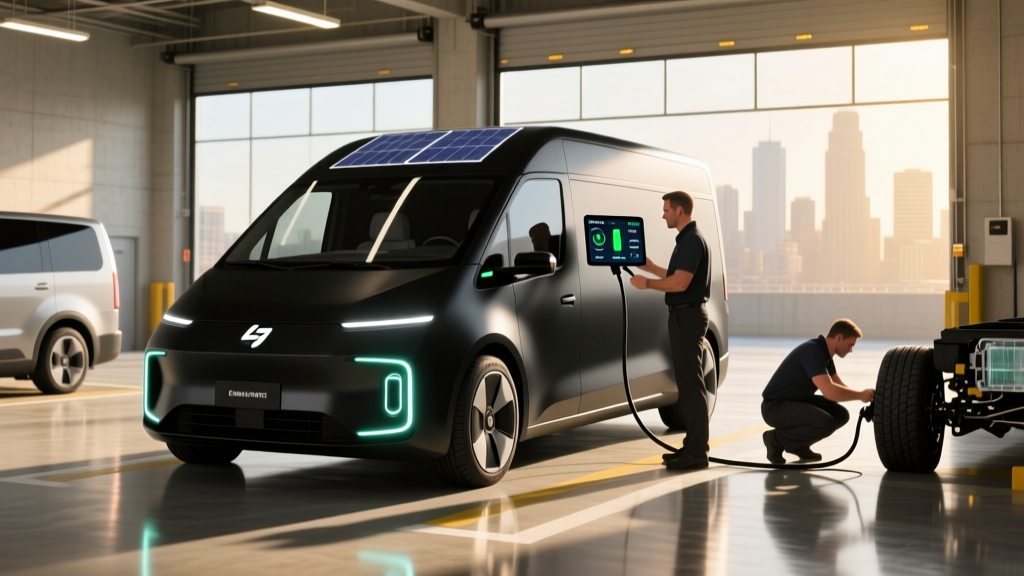
The biggest hurdle for electric cargo vans is charging infrastructure. Most commercial vans utilize depot charging (Level 2) overnight. For a 100 kWh battery, a 19.2 kW Level 2 charger will replenish the battery in roughly 5-6 hours. DC Fast Charging (up to 125 kW on some models) can provide a 15-80% charge in 45 minutes, useful for opportunity charging during driver breaks.
Common Misconceptions
| Myth | Fact |
|---|---|
| EVs can't handle heavy payloads. | Modern electric vans like the E-Transit offer payloads up to 3,800 lbs, comparable to gas versions. |
| Batteries won't last the life of the van. | Most manufacturers offer 8-year/100,000-mile battery warranties, and commercial cycles usually retire the van before the battery fails. |
| Tax credits are only for personal cars. | The Commercial Clean Vehicle Credit (IRC 45W) provides up to $7,500 for qualified commercial EVs. |
Decision Framework: Which Van Should You Buy?
Choose Electric If: Your daily route is under 120 miles, you have depot/overnight charging access, and your business operates in an urban environment with high stop-and-go traffic (regenerative braking maximizes efficiency).
Choose Gas/Diesel If: Your routes exceed 200 miles daily, you operate in extreme cold climates without indoor parking, or your business requires frequent travel to areas with limited charging infrastructure.
Frequently Asked Questions
Do I qualify for the commercial EV tax credit?
Businesses may qualify for the Commercial Clean Vehicle Credit under IRS §45W. The credit is up to $7,500 for vehicles under 14,000 lbs GVWR. Consult a tax professional for your specific eligibility.
How does cold weather affect cargo van range?
Expect a 20-30% reduction in range during freezing temperatures due to battery chemistry and cabin heating demands. Always plan routes with a 25% buffer in winter.