The BMW i3: A Pioneer EV in 2026 Perspective
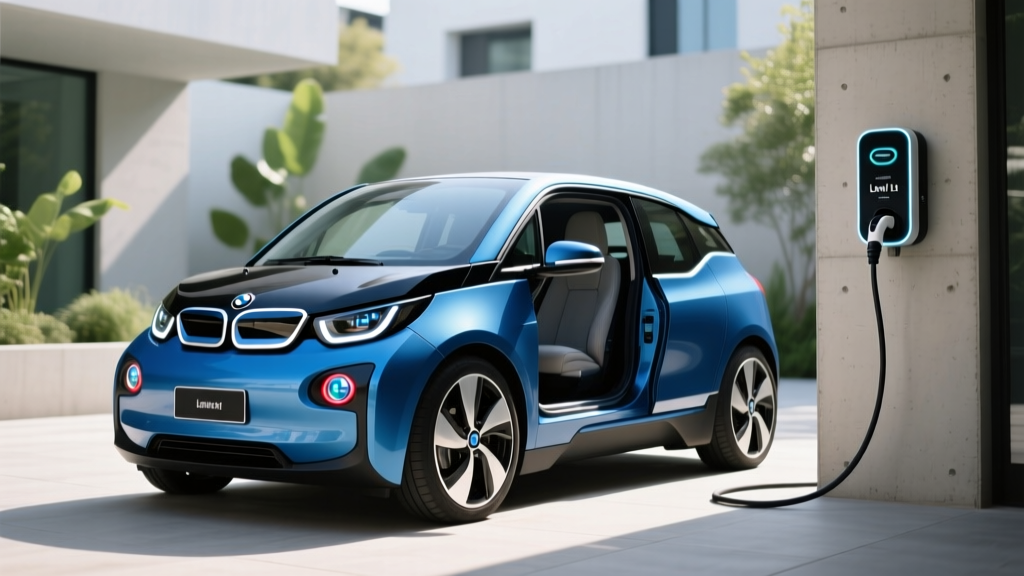
The BMW i3 car remains one of the most distinctive electric vehicles ever produced. Launched in 2014 and produced through July 2022, BMW's carbon-fiber-reinforced-plastic (CFRP) city car was ahead of its time — a purpose-built EV with a futuristic interior made from recycled and renewable materials. In 2026, the i3 no longer rolls off BMW's Leipzig assembly line, but it has become one of the most sought-after vehicles on the used EV market, particularly for buyers eyeing the IRS §25E used clean vehicle credit (up to $4,000).
This review covers the final-generation BMW i3 (2019–2022 model years with the 42.2 kWh battery), which represents the best version of the car. If you're evaluating a used i3 in 2026, here's every number that matters.
| Spec | Value |
|---|---|
| EPA Range (BEV) | 153 miles |
| Battery (Usable) | 42.2 kWh (NMC lithium-ion) |
| Max DC Fast Charge | 50 kW (CCS Combo 2) |
| 10–80% DC Charge Time | ~36 minutes |
| Level 2 AC Charge Rate | 7.4 kW (~24 mi/hr) |
| 0–60 mph | 6.9 seconds |
| Horsepower / Torque | 170 hp / 184 lb-ft |
| Drivetrain | Rear-wheel drive (single motor) |
| MPGe (Combined) | 113 MPGe |
| Efficiency | 30 kWh/100 mi |
| Cargo Volume (rear seats up) | 15.1 cu ft |
| Cargo Volume (rear seats folded) | 39.2 cu ft |
| Rear Legroom | 31.9 inches |
| Battery Warranty (original) | 8 years / 100,000 miles |
| Original Base MSRP (2022) | $44,450 |
| Typical Used Price (2026) | $16,000–$24,000 |
Real-World Range: What 153 EPA Miles Actually Means
EPA Sticker: 153 miles (BEV, no range extender)
Real-World Expectation:
- City / moderate climate: 145–160 miles — the i3's light weight (2,961 lbs) and aggressive regen make it efficient in stop-and-go traffic
- Highway (70+ mph sustained): 115–130 miles — the boxy shape and narrow tires create drag at speed
- Cold weather (below 32°F): 95–120 miles — expect 25–35% range loss; the i3 lacks a heat pump, relying on resistive cabin heating
The 42.2 kWh battery uses Samsung SDI NMC (nickel-manganese-cobalt) cells arranged in 12 modules. BMW engineered a generous buffer — roughly 2–3 kWh is held in reserve to protect long-term battery health, so usable capacity sits around 39–40 kWh in practice.
For context, the EPA's fueleconomy.gov listing shows the 2022 i3 at 113 MPGe combined, which translates to 30 kWh per 100 miles. That efficiency figure remains competitive with modern EVs like the base Nissan Leaf, though newer platforms (Hyundai Ioniq 5, Tesla Model 3) achieve higher range through larger batteries rather than superior efficiency.
The earlier 22 kWh i3 (2014–2016) managed only 81 EPA miles, and the 33 kWh version (2017–2018) achieved 114 miles. If you're shopping used, the 42.2 kWh model (2019+) is the one to target.
Charging Speed: DC Fast and Home Level 2
| Level | Power | Speed | Time (0–100% or noted) |
|---|---|---|---|
| Level 1 (120V household) | ~1.4 kW | ~5 mi/hr | ~30 hours (empty to full) |
| Level 2 (240V, 32A) | 7.4 kW | ~24 mi/hr | ~5.5 hours (empty to full) |
| DC Fast (CCS) | 50 kW peak | ~150 mi/hr (peak) | 10–80% in ~36 min |
The i3's 50 kW DC fast-charging peak was respectable in 2019 but feels dated in 2026, when competitors routinely accept 150–250 kW. The charge curve is fairly flat to about 60% SoC, then tapers progressively — don't expect to sit at 50 kW for the full session. In real-world testing at a 50 kW CCS station, a 10–80% charge typically takes 34–38 minutes.
One critical note: early i3 models (2014–2018) used the SAE Combo 1 (CCS1) connector or, in some markets, CHAdeMO. The 2019+ models sold in the US use CCS1. If you're charging at a Tesla Supercharger, you'll need a CCS-to-NACS adapter (readily available in 2026 for around $150–$200) since Tesla opened its network to CCS vehicles.
At home on a 7.4 kW Level 2 charger — the most common residential setup — the i3 replenishes roughly 24 miles of range per hour. A full overnight charge from near-empty takes about 5.5 hours, which is easily achievable with a standard 240V / 40A circuit. Most i3 owners report that home charging alone covers their daily needs without ever needing DC fast charging during the work week.
Performance and Driving Dynamics
The i3's 170-horsepower electric motor drives the rear wheels through a single-speed reduction gear. The 0–60 mph sprint takes 6.9 seconds — quick enough for confident highway merging and genuinely fun in city driving. The instant 184 lb-ft of torque gives the i3 a punchy, eager feel that belies its modest power figure.
What truly sets the i3 apart is its weight. At roughly 2,961 pounds, it's nearly 1,000 lbs lighter than a Tesla Model 3. That carbon-fiber passenger cell (BMW calls it "Life Module") means less energy is needed to accelerate and brake, and the car handles with an agility that heavier EVs can't match. The turning circle is remarkably tight at 32.3 feet, making it superb for urban parking.
The one-pedal driving mode is among the most aggressive in the industry. Lift off the accelerator and the i3 decelerates briskly — many owners report rarely touching the brake pedal in city driving. BMW's regenerative braking system recaptures energy efficiently, contributing to the strong real-world city range.
The i3s variant (available 2018–2022) bumps output to 184 hp and 199 lb-ft, drops 0–60 to 6.2 seconds, and adds a sport suspension with wider 20-inch wheels. However, the larger wheels reduce efficiency slightly — the i3s is rated at 111 MPGe combined versus 113 for the standard i3.
Pricing, Tax Credits, and Used Market Value
Since BMW discontinued the i3 in July 2022, there is no new-vehicle MSRP to discuss. However, the used i3 market in 2026 is active and well-priced, making it one of the most affordable entry points into premium EV ownership.
| Item | Amount |
|---|---|
| Typical used price (2019–2022, 42.2 kWh) | $16,000–$24,000 |
| Federal used EV tax credit (§25E, 30% of sale price) | Up to $4,000 |
| Effective price after credit (example: $20,000 purchase) | ~$16,000 |
| Dealer doc fees / registration (estimate) | $500–$1,200 |
The IRS §25E used clean vehicle credit provides 30% of the sale price, capped at $4,000, for qualifying used EVs. Key eligibility requirements for 2026:
- Sale price cap: $25,000 or less
- Buyer income limits: $75,000 (single), $112,500 (head of household), $150,000 (joint) — based on modified AGI
- Vehicle age: Must be at least 2 model years old (all i3s qualify)
- Dealer requirement: Must be purchased from a licensed dealer (private-party sales don't qualify)
- First transfer: The credit applies only to the first qualified sale of that specific vehicle after August 16, 2022 — verify the VIN hasn't been previously claimed
- Battery capacity: At least 7 kWh (the i3's 42.2 kWh easily qualifies)
The §25E credit can now be transferred to the dealer at point of sale as an immediate price reduction (as of 2024), so you don't need to wait until tax filing to benefit. Consult a tax professional to confirm your personal eligibility.
Interior, Tech, and Practicality
The i3's interior was genuinely radical when it launched and still looks fresh in 2026. The dashboard is wrapped in kenaf (a plant fiber), the door panels use recycled PET plastics, and available eucalyptus wood trim is sustainably harvested. It's one of the most sustainably built car interiors ever produced.
Infotainment: The final-generation i3 features BMW's iDrive 6 system with a 10.25-inch touchscreen, Apple CarPlay (wireless), navigation, and a 360-watt Harman Kardon audio system on higher trims. Android Auto was not offered — a notable gap for Android users.
Driver Assistance: The i3 offers basic SAE Level 1 features: adaptive cruise control, forward collision warning with city braking, lane departure warning, and park distance control. It does not offer any Level 2 hands-on-center-lane-keeping system. This is a driver's car, not an autonomous one.
Cargo Space: 15.1 cubic feet behind the rear seats is adequate for groceries and a couple of carry-on bags. Fold the rear seats (they split 50/50) and you get 39.2 cubic feet — enough for flat-pack furniture or a bicycle with the front wheel removed. There is no frunk; the front compartment houses the motor and electronics.
Rear Seat: The rear-hinged "coach doors" create a wide opening but require the front doors to be open first. Rear legroom is tight at 31.9 inches — fine for children and occasional adult passengers on short trips, but not competitive with a Bolt or Model 3 for everyday rear-seat duty.
Pros, Cons, and the Verdict
Pros
- Exceptional efficiency — 113 MPGe / 30 kWh per 100 mi
- Ultra-light carbon-fiber structure gives nimble city handling
- Aggressive one-pedal regen reduces brake wear
- Premium, sustainable interior materials
- Tight 32.3-ft turning circle — ideal for urban parking
- Strong used-market value; qualifies for up to $4,000 §25E credit
- Reliable Samsung SDI NMC battery with proven longevity data
Cons
- 153-mile EPA range limits highway road-trip practicality
- 50 kW DC fast charging is slow by 2026 standards
- No heat pump — significant cold-weather range loss (25–35%)
- Tight rear legroom (31.9 in) and rear-hinged doors are impractical
- No Android Auto support
- Narrow 155/70R19 tires are expensive and have limited replacement options
- No Level 2 driver-assist features (lane centering, etc.)
Who Should Buy the BMW i3?
Choose the BMW i3 if: You're a city-dwelling commuter with reliable home Level 2 charging, your daily round trip is under 80 miles, you value unique design and premium build quality, and you want an affordable entry into EV ownership via the used market and §25E credit.
Look elsewhere if: You regularly drive more than 120 miles in a day, you need rear-seat space for adults, you live in a cold climate where range loss will push you below 100 usable miles, or you want modern DC fast-charging speeds for road trips. Consider a used Chevy Bolt EUV (259 mi EPA), used Tesla Model 3 (263+ mi), or a new Hyundai Kona Electric (261 mi) instead.
Frequently Asked Questions
What is the real-world range of the BMW i3?
The EPA rates the 42.2 kWh BMW i3 (2019–2022) at 153 miles. In real-world driving, expect 145–160 miles in city conditions, 115–130 miles on the highway at 70+ mph, and as low as 95–120 miles in freezing temperatures due to the lack of a heat pump.
How fast does the BMW i3 charge?
On a DC fast charger, the i3 peaks at 50 kW and charges from 10–80% in approximately 36 minutes. At home on a Level 2 (7.4 kW) charger, it adds about 24 miles of range per hour, with a full charge taking roughly 5.5 hours.
Does the BMW i3 qualify for the federal EV tax credit?
Since the i3 is discontinued, it does not qualify for the §30D new-vehicle credit. However, it may qualify for the §25E used clean vehicle credit — up to $4,000 (30% of sale price, capped at $25,000 sale price). Buyer income limits apply, and the vehicle must be purchased from a licensed dealer.
Is the BMW i3 worth buying in 2026 vs. competitors?
For city commuters, the i3 is an excellent used buy — particularly at $16,000–$24,000 after the §25E credit. Its efficiency, handling, and build quality are outstanding. However, a used Chevy Bolt EV or Bolt EUV offers 259 miles of range at a similar price point, and a used Tesla Model 3 provides 263+ miles with Supercharger access. The i3 is the right pick if range needs are modest and you value driving character and unique design.
What are the biggest problems with the BMW i3?
The most common owner complaints include: limited range for road trips, expensive and hard-to-find replacement tires (155/70R19), no Android Auto, and cold-weather range loss. Battery degradation has been minimal in most reported cases — BMW's 8-year/100,000-mile battery warranty (covering below 70% capacity) has proven largely unnecessary, though some early 22 kWh models showed more noticeable degradation.
Does the BMW i3 have a range extender?
Yes — BMW offered a Range Extender (REx) option from 2014 through 2021, which added a 647cc two-cylinder gasoline engine that acted as a generator to maintain battery charge. The REx added roughly 60–80 miles of extended range but also added weight, complexity, and maintenance requirements. The REx was discontinued for the 2022 final model year. Note: REx models have slightly lower EV-only range (126 EPA miles for the 42.2 kWh REx) due to the added weight.
What is the battery warranty on a used BMW i3?
BMW's original high-voltage battery warranty covers 8 years or 100,000 miles (whichever comes first) against capacity loss below 70%. For a 2020 model, that coverage extends through 2028. For a 2022 model, through 2030. If the battery falls below 70% State of Health within that window, BMW will repair or replace it. Always request a battery health report from the dealer or use an OBD2 scanner with BMW-compatible software (such as BimmerCode) to check State of Health before purchasing.