Canoo Van: A Different Kind of Electric Vehicle
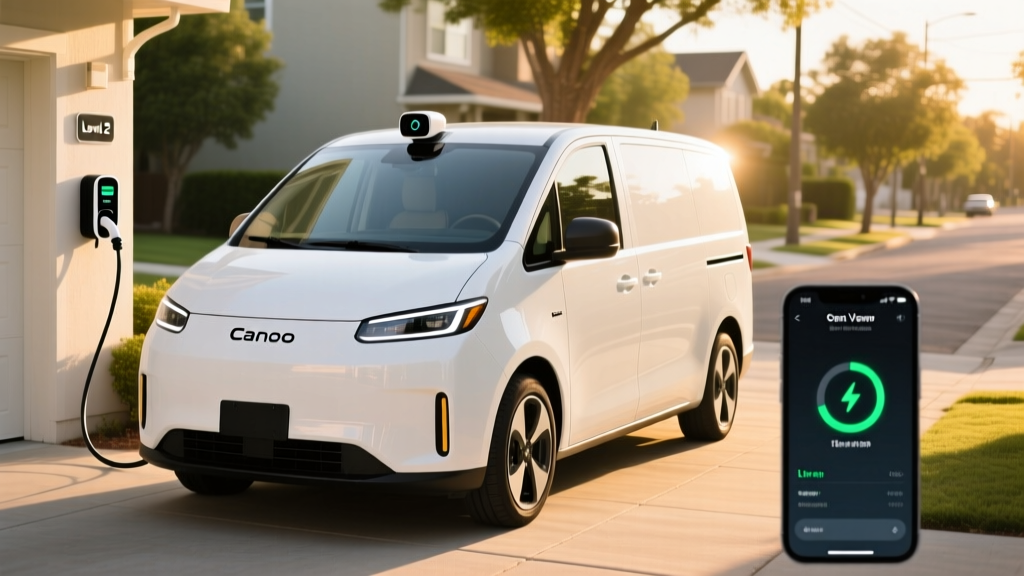
If you've been following the electric vehicle space for more than a few years, you've likely seen the Canoo van making rounds at auto shows and in concept footage. The Canoo — officially branded as the Lifestyle Vehicle — promised a radical rethink of what an EV could be: a skateboard-platform van with a cab-forward design, massive interior volume, and modular configurations for personal, commercial, and fleet use. But translating concept hype into a production vehicle buyers can actually drive home is where most EV startups stumble.
This review examines what we know about the Canoo van as of 2026, including announced specifications, pricing expectations, and how it stacks up against competitors that are already delivering vehicles to driveways. We'll be direct about what's confirmed, what's preliminary, and what the real-world ownership experience would likely look like based on the engineering choices Canoo has disclosed.
Canoo Van Specifications at a Glance
| Specification | Announced / Estimated |
|---|---|
| EPA Range | ~230 miles (estimated, not EPA-certified) |
| Battery Capacity | ~80 kWh (announced, chemistry unconfirmed — likely NMC) |
| Peak DC Fast Charge | Not officially disclosed; expected ~150 kW based on platform architecture |
| 10-80% DC Charge Time | ~30 minutes (estimated, unverified) |
| Level 2 Home Charging | ~11.5 kW onboard charger (estimated) |
| Horsepower | ~300 hp (single rear motor, announced) |
| 0-60 mph | Not officially disclosed |
| Drivetrain | Rear-wheel drive (RWD), single motor |
| Cargo Volume | ~188 cu ft (announced, behind front seats) |
| Seating Capacity | Up to 7 (modular configurations announced) |
| Base MSRP | ~$34,750 (announced target, pre-incentives) |
| Battery Warranty | Not disclosed |
Note: All figures above are preliminary and sourced from Canoo's investor presentations and press materials. None have been independently verified by the EPA, NHTSA, or third-party testing organizations as of publication.
Range, Battery, and Efficiency: What to Expect
Canoo has targeted approximately 230 miles of range for the Lifestyle Vehicle's base configuration. This figure has appeared in various investor decks and media briefings, but it has not been EPA-certified. For context, the EPA testing cycle tends to produce numbers slightly lower than manufacturer estimates, so a real-world EPA sticker could land anywhere from 200 to 230 miles once formal certification occurs.
If the Canoo van achieves a 230-mile EPA rating, expect the following in practice:
- City / stop-and-go driving: ~220-240 miles (regenerative braking recovers energy)
- Highway driving at 70-75 mph: ~180-200 miles (aerodynamic drag on a van-shaped body is significant)
- Cold weather (below 32°F): ~150-175 miles (battery chemistry loses efficiency; cabin heating draws substantial power)
The Canoo's flat, wide body creates more aerodynamic drag than a sedan or crossover. This means highway range loss will be more pronounced than on sleeker EVs like the Tesla Model Y or Hyundai Ioniq 5.
The battery pack is expected to use NMC (nickel manganese cobalt) chemistry based on Canoo's supplier disclosures, though the company has not published a confirmed cell supplier or chemistry breakdown. NMC offers higher energy density than LFP (lithium iron phosphate), which is important for fitting ~80 kWh into the Canoo's skateboard platform without excessive weight. However, NMC batteries typically degrade slightly faster over time and are more sensitive to sustained 100% state-of-charge storage than LFP packs.
Efficiency-wise, a van of this size and weight would likely achieve around 2.0-2.3 kWh per mile (roughly 90-100 MPGe combined) based on comparable vehicles. For comparison, the Ford E-Transit cargo van achieves approximately 2.0 kWh/mile in real-world use, though it's a heavier commercial vehicle.
Charging Speed and Infrastructure
Charging is where the Canoo van's picture gets murky. The company has been notably quiet about specific DC fast-charging peak power figures. Based on the platform's 800-volt-capable architecture that Canoo initially described — and later revised to a more conventional 400-volt system — the expected peak DC charge rate is approximately 150 kW.
| Charging Level | Power (kW) | Miles Added per Hour | Notes |
|---|---|---|---|
| Level 1 (120V household) | ~1.4 kW | ~4-5 mi/hr | Over 48 hours for a full charge; emergency use only |
| Level 2 (240V home) | ~11.5 kW | ~35-40 mi/hr | ~7-8 hours for full charge; overnight ready |
| DC Fast Charge | ~150 kW peak | ~150-180 mi in 30 min | 10-80% in ~30 min (est.); tapers significantly above 80% |
A few practical notes on charging the Canoo van:
- Charge curve taper: Like all EVs, the Canoo will not sustain its peak 150 kW rate for the entire session. Expect peak rates between 10-50% SoC, with significant tapering above 60% and a steep drop above 80%. This is standard lithium-ion behavior.
- Connector: Canoo has indicated CCS1 compatibility. With the industry's rapid shift to NACS (Tesla's connector), Canoo would likely need a NACS adapter or a future port revision to access Tesla Superchargers natively — a critical consideration for road-trip charging access.
- Preconditioning: Canoo has not detailed whether the vehicle includes battery preconditioning for optimized DC fast charging in cold weather. Without active preconditioning, winter fast-charge sessions could take 20-30% longer.
Design, Interior Space, and Technology
The Canoo van's most compelling feature has always been its packaging. By using a proprietary skateboard platform with the battery, motors, and suspension integrated into a flat chassis, Canoo freed up enormous interior volume. The result is a vehicle with a footprint similar to a compact SUV but interior space rivaling a full-size minivan.
Cargo and Passenger Dimensions
- Total cargo volume (behind front row): ~188 cu ft (announced)
- Wheelbase: ~112.2 inches
- Overall length: ~175 inches (shorter than a Honda Odyssey)
- Seating: Configurable from 2 to 7 seats depending on trim and layout
- Front "loft" seating: Canoo's signature feature — front seats that fold into a lounge-like configuration when parked
The cab-forward design (windshield positioned far ahead of the driver) creates excellent outward visibility and a sense of spaciousness that traditional vans can't match. However, this also means a very short crumple zone in front, and no NHTSA or IIHS crash-test results exist for the Canoo. This is a serious consideration for any family buyer.
Technology and Driver Assistance
Canoo has described the following technology features in its presentations:
- Infotainment: Minimalist dashboard with a central touchscreen; smartphone-as-key functionality
- Over-the-air updates: Full OTA capability for software improvements
- Driver assistance: Basic ADAS features (lane-keeping, adaptive cruise, automatic emergency braking) — this would be SAE Level 1-2 driver assistance, not autonomous driving
- No traditional instrument cluster: Information displayed on the central screen and/or a head-up display
Notably absent from Canoo's disclosures is any mention of advanced driver-assist systems comparable to Tesla Autopilot, Ford BlueCruise, or GM Super Cruise. Buyers expecting hands-free highway driving will not find it here.
Pricing, Tax Credits, and Ownership Cost
Canoo initially targeted a base price of approximately $34,750 for the entry-level Lifestyle Vehicle, with higher trims (including a premium "Lifestyle Delivery" variant) pushing into the $40,000-$50,000 range. However, given the company's financial instability and production delays, final pricing remains uncertain and could be significantly higher if and when the vehicle reaches consumers.
| Trim / Configuration | Announced MSRP | Est. After §30D Credit |
|---|---|---|
| Base Lifestyle Vehicle | ~$34,750 | ~$27,250 (if eligible) |
| Premium / Adventure | ~$42,000-$49,000 | ~$34,500-$41,500 (if eligible) |
| Lifestyle Delivery (commercial) | ~$45,000-$55,000 | Commercial credit (§45W) may apply instead |
Federal Tax Credit Eligibility (§30D)
Whether the Canoo van would qualify for the federal EV tax credit under IRS §30D depends on several factors that remain unresolved:
- MSRP cap: Vans and SUVs must have an MSRP at or below $80,000 — Canoo's announced pricing clears this easily.
- Buyer income cap: Modified AGI must not exceed $150,000 (single), $225,000 (head of household), or $300,000 (joint filers).
- Battery sourcing: Critical minerals and battery components must meet escalating percentage thresholds from qualified sources. Canoo has not disclosed its battery cell supplier or mineral sourcing chain — this is the biggest unknown.
- North American assembly: Final assembly must occur in North America. Canoo's planned production facility in Bentonville, Arkansas, would satisfy this requirement if operational.
- Point-of-sale transfer: If eligible, the credit can be applied at purchase rather than claimed on your tax return.
For the most current eligibility details, always check IRS.gov's clean vehicle credit page before making any purchasing decision.
How the Canoo Van Compares to Competitors
The Canoo van doesn't have a direct rival — its unique cab-forward, skateboard-platform design occupies a niche no other automaker currently fills. However, buyers considering the Canoo are likely cross-shopping these alternatives:
| Vehicle | EPA Range | Starting Price | Availability | Cargo Space |
|---|---|---|---|---|
| Canoo Lifestyle Vehicle | ~230 mi (est.) | ~$34,750 | Not available | ~188 cu ft |
| Kia EV9 (3-row SUV) | 304 mi | ~$54,900 | On sale now | ~81.7 cu ft |
| Chrysler Pacifica Hybrid (PHEV) | 32 mi EV + 480 mi gas | ~$47,000 | On sale now | ~140.5 cu ft |
| Ford E-Transit (cargo) | 126 mi | ~$45,000 | On sale now | ~246.7 cu ft |
| Mercedes EQT / eVito | ~175 mi (WLTP) | ~$50,000+ | Limited markets | ~150 cu ft |
The Kia EV9 offers proven availability, EPA-certified range, a strong dealer network, and available DC fast charging up to 236 kW. The Chrysler Pacifica Hybrid provides a no-range-anxiety PHEV solution with genuine minivan practicality. The Ford E-Transit serves commercial fleets but has limited range. None match the Canoo's unique form factor, but all of them can be purchased and driven today.
Pros, Cons, and the Bottom Line
✅ Potential Pros
- Class-leading interior volume in a compact footprint
- Unique cab-forward design with excellent visibility
- Modular seating and cargo configurations
- Competitive announced pricing (if achieved)
- Skateboard platform enables future variants
- Strong potential for fleet/commercial applications
❌ Significant Cons
- Not available for purchase — production status uncertain
- Company financial stability is a serious concern
- No EPA-certified range, crash-test, or reliability data
- Battery supplier and tax-credit eligibility unknown
- No established dealer or service network
- Likely poor highway efficiency due to van aerodynamics
- Resale value impossible to predict
- No advanced driver-assist features announced
Who Is the Canoo Van Actually For?
In theory, the Canoo Lifestyle Vehicle targets urban and suburban households who want minivan space without minivan bulk — think school runs, weekend gear hauling, and city parking in a package shorter than a Honda CR-V. The commercial variant targets last-mile delivery fleets.
In reality, the Canoo van cannot be recommended to any buyer at this time. The company's financial uncertainty, lack of production vehicles, absence of safety testing, and unresolved service infrastructure make it an extraordinarily risky proposition. Even buyers who love the concept should wait until Canoo demonstrates sustained production, delivers vehicles to customers, and establishes a service network before committing money.
If you need a spacious electrified vehicle today, the Kia EV9, Chrysler Pacifica Hybrid, or Tesla Model X are proven alternatives with established support networks and verified specifications.
Frequently Asked Questions
What is the real-world range of the Canoo van?
Canoo has announced a target of approximately 230 miles, but this is not EPA-certified. Real-world highway driving would likely yield 180-200 miles, and cold-weather range could drop to 150-175 miles. These are estimates based on comparable vehicles — no independent testing data exists.
How fast does the Canoo van charge?
Estimated DC fast-charge rate is ~150 kW peak, which would deliver a 10-80% charge in roughly 30 minutes. Home Level 2 charging at ~11.5 kW would add approximately 35-40 miles per hour, reaching a full charge overnight. These figures are unverified.
How much does the Canoo van cost after tax credits?
The announced base MSRP is approximately $34,750, which could drop to ~$27,250 if the full $7,500 federal tax credit applies. However, battery-sourcing eligibility under §30D is unknown, and the vehicle is not currently available for purchase.
Is the Canoo van worth buying versus competitors?
We cannot recommend purchasing the Canoo van at this time. The company's financial instability, lack of production, and absence of safety or reliability data present too much risk. Proven alternatives like the Kia EV9 or Chrysler Pacifica Hybrid offer verified specs, dealer support, and established service networks.
Does the Canoo van qualify for the federal EV tax credit?
Eligibility is undetermined. While the announced MSRP falls under the $80,000 cap, Canoo has not disclosed its battery sourcing or critical-mineral supply chain — both of which are required to qualify under current IRS §30D rules. Assembly in Arkansas would satisfy the North American manufacturing requirement if the plant becomes operational.
When will the Canoo van be available?
Canoo has repeatedly delayed production timelines. As of early 2026, there is no confirmed date for consumer deliveries. The company has faced Nasdaq compliance warnings and significant workforce reductions. Monitor Canoo's official communications and SEC filings for updates, but do not make purchase plans dependent on this vehicle.
What warranty would the Canoo van offer?
Canoo has not disclosed battery or powertrain warranty terms. Industry standard for EV batteries is 8 years/100,000 miles with a minimum 70% capacity retention threshold. Until Canoo publishes warranty details, buyers have no protection guarantees.
Sources and further reading: Canoo investor relations disclosures; IRS Clean Vehicle Credit guidelines; fueleconomy.gov for comparable vehicle efficiency data. All Canoo specifications cited are from company announcements and have not been independently verified.