The Canoo Story: From Ambitious EV Startup to Bankruptcy
If you've been searching for Canoo electric vehicles in 2026 hoping to find one available for purchase, you'll need to adjust your expectations. Canoo, the California-based EV startup that once promised a radical skateboard-platform approach to electric transportation, filed for Chapter 11 bankruptcy in January 2025 and ceased operations shortly after. The company never delivered a production vehicle to retail consumers.
This isn't another EV review with range tests and charging curves. Instead, we're examining what Canoo attempted, where it failed, and what lessons its collapse holds for EV shoppers evaluating other startup automakers. Understanding Canoo's trajectory helps explain why established manufacturers with proven production capability remain the safer bet for most buyers.
What Canoo Promised: The Lifestyle Vehicle and Pickup
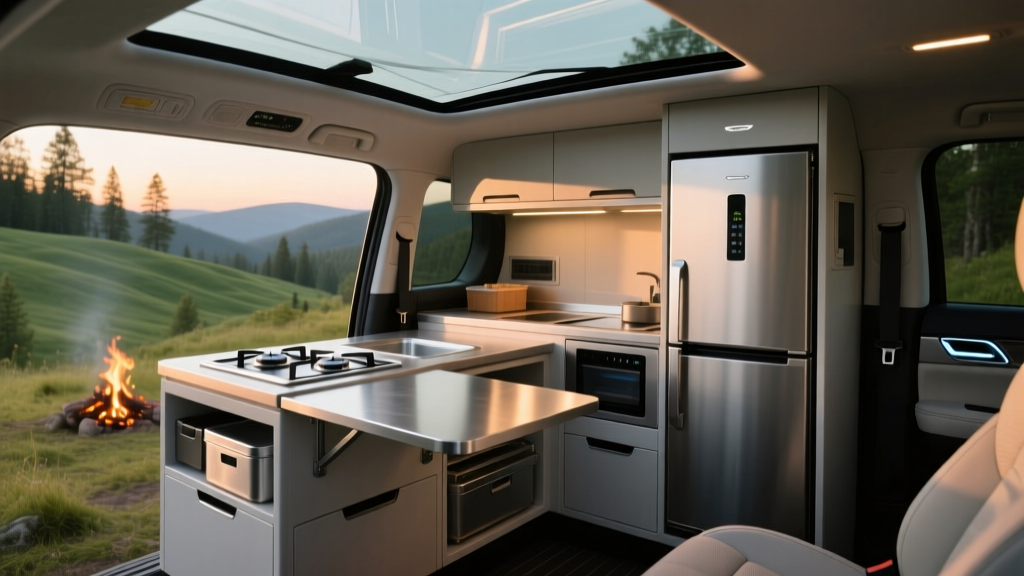
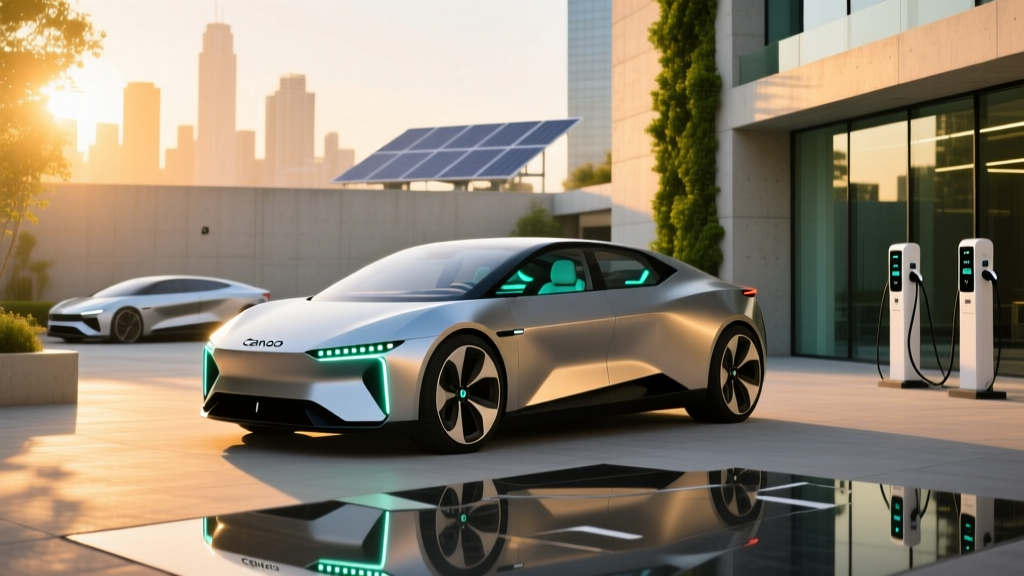
Canoo unveiled its "Lifestyle Vehicle" concept in 2019, showcasing a pod-like design built on a modular skateboard platform. The company claimed the vehicle would offer:
- EPA-estimated range: 250 miles (preliminary, never EPA-certified)
- Battery capacity: 80 kWh (announced, chemistry unspecified)
- Horsepower: 300 hp (single-motor RWD) or 500 hp (dual-motor AWD)
- 0-60 mph: 6.3 seconds (claimed, unverified)
- Cargo volume: 100+ cubic feet (concept estimate)
- Base MSRP: $34,750 (announced in 2021, never finalized)
Canoo also teased a pickup truck variant and a multi-purpose delivery vehicle (MPDV) aimed at commercial fleets. The company secured a contract with NASA for crew transportation at the Johnson Space Center and announced plans to supply vehicles to the U.S. Postal Service.
Why Canoo Failed: Production Reality vs. Concept Hype
Despite raising over $1 billion in funding and going public via a SPAC merger in 2020, Canoo never achieved volume production. Here's what went wrong:
Manufacturing Challenges
Canoo planned to build vehicles at a factory in Bentonville, Arkansas, but repeatedly delayed production timelines. The company lacked the manufacturing expertise and supply chain relationships that established automakers leverage to source batteries, motors, and components at scale. While companies like Tesla, Ford, and Hyundai had decades of production experience, Canoo was attempting to build its first factory while simultaneously finalizing vehicle design.
Cash Burn and Financial Mismanagement
EV startups require enormous capital to reach production. Canoo burned through cash faster than it could secure additional funding. By late 2024, the company faced mounting debts, supplier disputes, and employee layoffs. The bankruptcy filing revealed liabilities exceeding assets, with no clear path to profitability.
Market Timing and Competition
Canoo's concept vehicles looked innovative in 2019, but by the time production might have begun in 2025 or 2026, the competitive landscape had shifted dramatically. The Hyundai Ioniq 5, Ford F-150 Lightning, Rivian R1T, and Tesla Cybertruck were already on the road with proven reliability, established service networks, and federal tax credit eligibility. Canoo's unproven vehicles would have struggled to compete on price, availability, or buyer confidence.
Real-World Range: Never Tested, Never Certified
Because Canoo never produced a retail vehicle, no EPA range testing occurred. The company's claimed 250-mile range was a preliminary estimate based on battery size and vehicle weight projections. For comparison, the 2026 Hyundai Ioniq 5 (84 kWh battery, similar weight class) achieves an EPA-estimated 303 miles in its Long Range RWD configuration. Real-world highway driving at 70 mph typically reduces EV range by 10-15%, and cold weather (below freezing) can cut range by 20-30% depending on heat pump availability. Canoo's actual range, had it reached production, would likely have fallen short of its 250-mile claim.
Canoo vs. Competitors That Actually Delivered
| Specification | Canoo Lifestyle Vehicle | Hyundai Ioniq 5 | Ford F-150 Lightning | Rivian R1T |
|---|---|---|---|---|
| Status | Never produced | In production | In production | In production |
| EPA Range | 250 mi (claimed) | 303 mi | 320 mi | 352 mi |
| Battery (kWh) | 80 kWh (announced) | 84 kWh (NMC) | 131 kWh (NMC) | 149 kWh (NMC) |
| Max DC Fast Charge | Unknown | 240 kW | 150 kW | 220 kW |
| 10-80% Charge Time | Unknown | 18 min | 41 min | 20 min |
| 0-60 mph | 6.3 sec (claimed) | 5.1 sec | 4.0 sec | 3.0 sec |
| Base MSRP (2026) | $34,750 (announced) | $42,600 | $54,995 | $69,900 |
| Federal Tax Credit | Not eligible | Up to $7,500 | Up to $7,500 | Up to $7,500 |
| Warranty (Battery) | None | 10 yr / 100,000 mi | 8 yr / 100,000 mi | 8 yr / 175,000 mi |
Federal Tax Credit Eligibility: Why Canoo Never Qualified
Under IRS §30D rules, the federal EV tax credit requires vehicles to meet strict criteria:
- MSRP caps: Vans, SUVs, and trucks must be under $80,000; sedans under $55,000
- Buyer income limits: Modified adjusted gross income (MAGI) cannot exceed $300,000 (joint filers), $225,000 (head of household), or $150,000 (single)
- Battery component sourcing: Increasing percentages of battery components must be manufactured or assembled in North America
- Critical minerals: A percentage of critical minerals must be sourced from the U.S. or free-trade agreement partners
- Final assembly: Vehicle must be assembled in North America
Because Canoo never produced a vehicle, it never submitted documentation to the IRS for tax credit qualification. Even if the company had reached production, its Arkansas factory plans and unspecified battery supply chain would have made §30D eligibility uncertain. For 2026 buyers, the tax credit remains a critical factor—vehicles like the Ioniq 5 and F-150 Lightning qualify for the full $7,500 credit (subject to income limits), effectively reducing their purchase price and improving total cost of ownership.
For current §30D eligibility rules and qualified vehicle lists, consult the IRS Clean Vehicle Credits page.
Lessons from Canoo: Evaluating EV Startups in 2026
Canoo's failure isn't unique. Other EV startups like Fisker (filed bankruptcy in 2024), Lordstown Motors (bankrupt in 2023), and Nikola (facing financial distress) demonstrate that concept vehicles and SPAC-funded valuations don't guarantee production success. Here's what to look for when considering an EV from a newer manufacturer:
Production Track Record
Has the company delivered vehicles to retail customers? How many units? Can you find owner reviews and reliability data? Rivian, for example, has produced over 100,000 vehicles as of 2025, with an established service network and over-the-air update capability. That's a fundamentally different risk profile than a company still showing concept renders.
Manufacturing Partnerships
Some startups succeed by partnering with established manufacturers. The Apple Car (canceled in 2024) explored partnerships with Hyundai and others before abandoning the project. Companies that outsource production to proven contract manufacturers (like Magna Steyr) reduce their own manufacturing risk.
Service and Support Infrastructure
When your EV needs service, where will you go? Established brands have dealer networks and certified technicians. Startups often rely on mobile service or third-party repair shops, which can mean longer wait times and limited parts availability. Before buying, research the company's service footprint in your area.
Financial Stability
Check quarterly earnings reports and cash reserves. Companies burning cash faster than they generate revenue face bankruptcy risk. Public companies file 10-K and 10-Q reports with the SEC—these reveal financial health more honestly than press releases.
What Canoo Got Right (In Concept)
- Innovative skateboard platform design
- Spacious interior packaging (flat floor, no transmission tunnel)
- Modular approach allowing multiple vehicle types on one platform
- Ambitious pricing target under $35,000
- Focus on urban delivery and rideshare use cases
Why Canoo Failed
- Never achieved volume production
- Burned over $1 billion without delivering retail vehicles
- Lacked manufacturing expertise and supply chain relationships
- Repeatedly delayed production timelines
- Filed for bankruptcy in January 2025
- No vehicles available for purchase, service, or support
What to Buy Instead: Proven EVs Available in 2026
If Canoo's concept appealed to you—spacious interior, practical design, competitive pricing—here are production vehicles that deliver on similar promises:
For Urban Commuters and Small Families
The Hyundai Ioniq 5 offers 303 miles of EPA range, 240 kW DC fast charging (10-80% in 18 minutes), and a starting price of $42,600 before tax credits. Its 84 kWh NMC battery provides excellent real-world range, and Hyundai's 10-year/100,000-mile battery warranty exceeds industry standards.
For Pickup Truck Buyers
The Ford F-150 Lightning delivers 320 miles of range (Extended Range), 775 lb-ft of torque, and a 2,000-pound payload capacity. Starting at $54,995, it qualifies for the full $7,500 federal tax credit and leverages Ford's extensive dealer network for service and support.
For Adventure and Towing
The Rivian R1T combines 352 miles of range, quad-motor AWD (in top trims), and a 11,000-pound towing capacity. At $69,900 to start, it's pricier than Canoo's concept, but it's a proven vehicle with real-world capability and an expanding service network.
The Bottom Line: Canoo Electric Vehicles Are Not Available
As of 2026, Canoo electric vehicles do not exist as purchasable products. The company's bankruptcy means no new vehicles, no parts support, and no service infrastructure. If you encounter a used Canoo prototype or pre-production vehicle (extremely rare), avoid it—without manufacturer support, battery replacement and repairs would be nearly impossible.
For EV buyers in 2026, the market offers more proven options than ever. Focus on manufacturers with established production, service networks, and tax credit eligibility. The Ioniq 5, F-150 Lightning, Rivian R1T, Tesla Model Y, and Chevrolet Equinox EV all deliver real-world range, fast charging, and the peace of mind that comes from buying a vehicle that actually exists.
Frequently Asked Questions
Can I buy a Canoo electric vehicle in 2026?
No. Canoo filed for Chapter 11 bankruptcy in January 2025 and ceased operations. The company never produced a retail vehicle, and no new or used Canoo vehicles are available for purchase.
What happened to Canoo's NASA and USPS contracts?
Canoo's contract with NASA for crew transportation at Johnson Space Center was terminated when the company failed to deliver vehicles. The U.S. Postal Service awarded its Next Generation Delivery Vehicle contract to Oshkosh Defense, not Canoo.
Are there any EV startups that succeeded?
Rivian and Lucid are the most successful recent EV startups. Rivian has produced over 100,000 R1T pickups and R1S SUVs, with an established service network and Amazon delivery van contract. Lucid produces the Air sedan with EPA ranges exceeding 500 miles. Both companies remain financially challenged compared to established automakers but have delivered production vehicles to customers.
How can I evaluate an EV startup before buying?
Look for: (1) actual production vehicles delivered to retail customers, (2) transparent financial reporting showing adequate cash reserves, (3) established service network in your area, (4) proven battery supply chain and warranty support, and (5) positive owner reviews and reliability data. Avoid companies still in concept or pre-production phases.
What's the best EV under $45,000 in 2026?
The Hyundai Ioniq 5 ($42,600 base) and Chevrolet Equinox EV ($33,000 base) are top choices. The Ioniq 5 offers 303 miles of range and 240 kW fast charging. The Equinox EV provides 319 miles of range at a lower price point. Both qualify for the $7,500 federal tax credit (subject to income limits), effectively reducing their cost to $35,100 and $25,500 respectively.
Does the federal EV tax credit apply to used vehicles?
Yes, but with different rules. The used EV credit (IRC §25E) provides up to $4,000 or 30% of the sale price (whichever is lower) for qualified used EVs priced under $25,000. The vehicle must be at least two model years old, and buyer income limits apply ($150,000 joint, $112,500 head of household, $75,000 single). Consult IRS guidelines for full eligibility details.
Sources: EPA Fuel Economy, IRS Clean Vehicle Credits, manufacturer specifications