Quick Answer: Is the Cadillac Escalade IQ L Worth It?
The 2026 Cadillac Escalade IQ L is the extended-wheelbase variant of GM's flagship electric luxury SUV, built on the Ultium platform with a ~200 kWh battery, estimated EPA range of 450+ miles, and 800V architecture enabling peak DC charging above 350 kW. Pricing starts near $130,000. It targets three-row luxury buyers who want electric refinement without range compromise. It qualifies for neither the $7,500 federal §30D credit (MSRP cap for SUVs is $80,000) nor most state rebates, so buyers should plan around full sticker price. If you have home Level 2 charging and drive primarily in moderate climates, operating costs drop sharply versus the gas Escalade — roughly $1,200/year in electricity versus $4,000+ in premium fuel.
What Is the Cadillac Escalade IQ L?
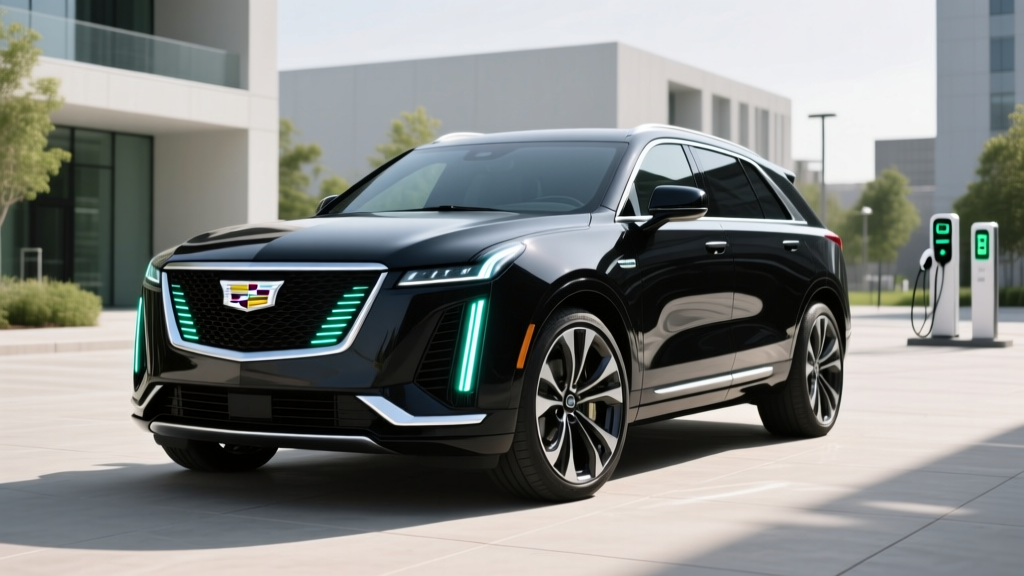
The Escalade IQ L (sometimes referenced as the Escalade IQ with the available extended-length "L" body style) is Cadillac's answer to the electrification of the full-size luxury SUV segment. Sitting on GM's BT1 battery-electric platform — the same architecture underpinning the Silverado EV and GMC Sierra EV — the IQ L stretches wheelbase and overall length beyond the standard Escalade IQ to maximize third-row space and cargo volume. Think of it as the electric analog to the gas Escalade ESV.
For 2026, Cadillac positions the IQ L in two primary trims: Luxury and Sport, each with distinct grille treatments and wheel options. The powertrain is a dual-motor all-wheel-drive system producing an estimated 750 horsepower and 785 lb-ft of torque in top-output configuration, with GM's Velocity Max mode unlocking a 0–60 mph time under 5.0 seconds — remarkable for a vehicle with a curb weight approaching 9,000 pounds.
Range, Battery, and Charging: The Numbers That Matter
The Escalade IQ L packs a massive Ultium battery with usable capacity estimated at approximately 200 kWh — one of the largest passenger-vehicle batteries on the market. That energy density translates to serious range:
| Specification | Value |
|---|---|
| Battery Chemistry | NMC (Nickel Manganese Cobalt) — Ultium pouch cells |
| Usable Battery Capacity | ~200 kWh |
| EPA Range (Est.) | 450 miles (Luxury 24" wheels); 420 miles (Sport) |
| Real-World Highway Range (70 mph) | ~350–380 miles |
| Real-World Cold-Weather Range (20°F) | ~300–330 miles |
| Max DC Fast Charge Rate | 350+ kW (800V architecture) |
| 10–80% DC Fast Charge Time | ~25–30 minutes (with preconditioning) |
| Level 2 AC Charge Rate | 19.2 kW (80A capable) |
| Full Level 2 Charge (0–100%) | ~11 hours |
| Connector | NACS (native Tesla Supercharger access) |
| MPGe (Est. Combined) | ~65–70 MPGe |
Real-World Range Reality Check
The EPA sticker will read around 450 miles, but expect 350–380 miles on sustained highway driving at 75–80 mph. In cold weather (below freezing), plan for 300–330 miles due to cabin heating demands and reduced battery efficiency. The 200 kWh battery is a buffer against range anxiety, but physics still applies: a 9,000-lb SUV pushing air at highway speed consumes energy fast. Use preconditioning before every DC fast-charge stop to hit peak 350 kW rates — without it, the charge curve may start closer to 150 kW and taper aggressively above 80% SoC.
Escalade IQ L vs. Gas Escalade ESV: Cost of Ownership
The most common buyer question: does going electric save money on a six-figure SUV? The answer depends on your annual mileage and electricity rates, but the operating-cost gap is significant.
| Cost Category | Escalade IQ L (EV) | Gas Escalade ESV (6.2L V8) |
|---|---|---|
| Base MSRP | $129,990 | $89,595 (Premium Luxury) |
| Federal Tax Credit (§30D) | $0 (exceeds $80K SUV cap) | $0 |
| Fuel/Energy (5 years) | $6,000 ($0.14/kWh avg, home) | $21,750 ($4.50/gal premium, 16 MPG) |
| Maintenance (5 years) | $2,500 (tires, cabin filter, fluid top-offs) | $5,500 (oil, brakes, transmission, belts) |
| Insurance (5 years, est.) | $18,000 | $14,000 |
| Depreciation (est. 5-yr) | $52,000 (40%) | $36,000 (40%) |
| Total 5-Year Cost | $208,490 | $166,845 |
The IQ L saves roughly $15,750 in fuel and $3,000 in maintenance over five years, but the $40,000 higher purchase price and elevated insurance premiums erase that advantage on a pure-cost basis. The value proposition is refinement: instant torque, near-silent operation, no gas station visits, and one-pedal driving in traffic. Buyers choosing the IQ L are paying a premium for the experience, not the spreadsheet.
Home Charging Setup: What You Need Before Delivery
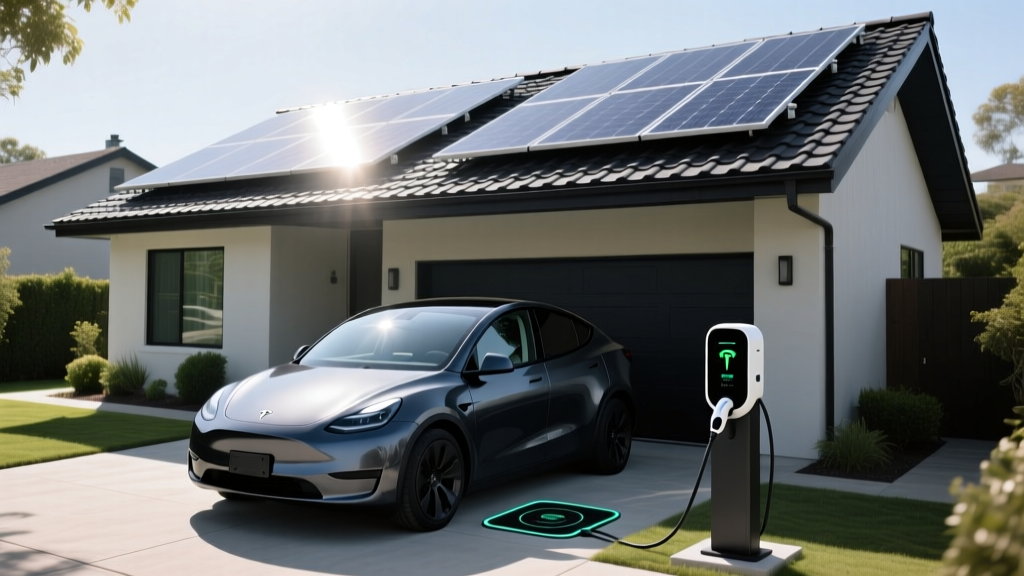
A 200 kWh battery demands serious home infrastructure. The Escalade IQ L supports 19.2 kW Level 2 AC charging — that's 80 amps on a 240V circuit — which can add roughly 40–45 miles of range per hour of charging.
| Item | Cost Range |
|---|---|
| Level 2 EVSE (48A–80A hardwired) | $600 – $1,200 |
| Electrical panel upgrade (200A → 400A, if needed) | $2,500 – $5,000 |
| Wiring & conduit (50–100 ft run) | $800 – $2,000 |
| Permits & inspection | $150 – $500 |
| Electrician labor (licensed) | $1,500 – $3,500 |
| Total Estimated Install | $5,550 – $12,200 |
Most homes with a standard 200-amp electrical panel can support a 48A Level 2 charger (11.5 kW), which fully replenishes the IQ L overnight in roughly 18 hours. To unlock the full 19.2 kW / 80A capability, you'll likely need a 400-amp service or a dedicated sub-panel. Consult a licensed electrician before purchase — panel upgrades are the single biggest variable in home-charging cost.
If you lack home charging access, public DC fast charging at 350 kW can deliver 200+ miles in 15 minutes, but relying on public infrastructure for a daily-driver this size will cost roughly 2–3× more per mile than home charging and adds wear from frequent high-rate charging.
Common Misconceptions About the Escalade IQ L
| Myth | Fact |
|---|---|
| "It qualifies for the $7,500 federal EV tax credit." | It does not. The §30D credit caps SUV MSRP at $80,000. The IQ L starts near $130K. See IRS §30D rules. |
| "450-mile EPA range means 450 miles in all conditions." | Expect 350–380 mi highway, 300–330 mi in freezing weather. Towing a trailer can cut range by 40–50%. |
| "I can charge it on a regular 120V outlet overnight." | Level 1 (120V) delivers ~3–4 miles per hour. A full charge would take 50+ hours. Level 2 is mandatory for practical ownership. |
| "Super Cruise means I don't need to pay attention." | Super Cruise is an SAE Level 2 driver-assist system. You must remain alert, eyes on road, hands available. It is not self-driving. |
| "The battery will need replacing in 5 years." | GM's Ultium battery warranty covers 8 years / 100,000 miles against degradation below 70% capacity. Real-world data from similar platforms suggests 10–15% degradation at 150K miles. |
Super Cruise: SAE Level 2, Not Autonomous
Cadillac's Super Cruise enables hands-free driving on over 750,000 miles of mapped divided highways in North America, using LiDAR-mapped data, driver-facing cameras, and adaptive cruise. However, it remains an SAE Level 2 system — the driver is legally and operationally responsible at all times. The vehicle will alert and eventually slow to a stop if driver attention lapses. This is fundamentally different from Level 4 robotaxi services like Waymo, which operate without any human driver.
Decision Framework: Should You Buy the Escalade IQ L?
Choose the Escalade IQ L If:
- You have home Level 2 charging (or can install it) and drive under 300 miles daily.
- You value silent, instant-torque luxury and want to eliminate gas station visits.
- You live in a region with reliable DC fast-charging corridors (Electrify America, Tesla Supercharger via NACS) for road trips.
- You want three-row seating with 400+ mile range — a combination very few EVs offer.
- Your budget accommodates $130K+ purchase price with no expectation of federal tax credits.
Choose the Gas Escalade ESV or a Competitor If:
- You cannot install home charging — public-only charging for a 200 kWh battery is expensive and time-consuming.
- You regularly tow heavy loads (8,000+ lbs) — towing crushes EV range by 40–50%, making a 450-mile SUV a 225-mile SUV.
- You live in an extreme cold-weather climate (frequent sub-zero°F) and lack a heated garage.
- Total cost of ownership is a primary concern — the gas ESV is $40K cheaper upfront with competitive 5-year costs.
- You prefer the Rivian R1S (smaller but more affordable, ~$80K, eligible for partial credits) or await competing luxury EVs.
First-Time EV Buyer Checklist
If the Escalade IQ L is your first electric vehicle, prepare with these steps before delivery day:
- Electrical assessment: Hire a licensed electrician to evaluate your panel capacity. Budget for a possible 400A upgrade ($2,500–$5,000).
- Install Level 2 EVSE early: Don't wait until delivery. A hardwired 80A unit with NACS connector is ideal.
- Download charging apps: PlugShare, Electrify America, and the Cadillac app for route planning and preconditioning.
- Understand the charge curve: Peak 350 kW occurs between ~10–40% SoC. Charging slows significantly above 80% — plan stops to 80%, not 100%.
- Adjust insurance expectations: EV insurance premiums run 15–30% higher than gas equivalents. Get quotes before committing.
- Learn preconditioning: Set departure times in the Cadillac app to warm/cool the battery before charging or driving — this preserves range and maximizes charge speed.
Frequently Asked Questions
Does the Cadillac Escalade IQ L qualify for any federal or state EV tax credits?
No federal §30D credit applies — the IRS caps SUV eligibility at $80,000 MSRP, and the IQ L starts near $130,000. Some states offer their own incentives regardless of price (e.g., Colorado's innovative motor vehicle credit), but these vary by jurisdiction. Check your state's energy office or consult a tax professional for current eligibility.
How long does it take to charge the Escalade IQ L at home?
On a 19.2 kW (80A) Level 2 charger, a full 0–100% charge takes approximately 11 hours. On a more common 11.5 kW (48A) charger, expect roughly 18 hours. Most owners charge nightly, topping up from 30–80% in 4–6 hours, which covers daily driving needs easily.
Can the Escalade IQ L use Tesla Superchargers?
Yes. GM transitioned to the NACS (North American Charging Standard) connector for its Ultium-based vehicles, giving the IQ L native access to Tesla's Supercharger network — over 20,000 stalls across North America — without an adapter.
What is the battery warranty?
GM covers the Ultium battery for 8 years or 100,000 miles (whichever comes first) against defects and capacity loss below approximately 70% of original capacity. The powertrain (motors, power electronics) carries the same 8-year/100,000-mile coverage.
How does the IQ L compare to the Rivian R1S or Tesla Model X?
The IQ L is significantly larger (three full rows, ESV-class cargo), more luxurious, and more expensive. The Rivian R1S (starting ~$80K, dual-motor, up to 410 mi range) is more affordable and partially credit-eligible but smaller inside. The Tesla Model X (starting ~$80K, 335 mi EPA) offers faster Supercharger access and falcon-wing doors but trails in interior materials quality and third-row comfort. The IQ L competes most directly with the upcoming electric Range Rover and long-wheelbase Mercedes EQS SUV.
Is it practical to own without home charging?
Possible but not recommended. A 200 kWh battery on public DC fast chargers at $0.40–$0.60/kWh costs $80–$120 per full charge. Weekly public charging could add $300–$500/month in energy costs versus ~$100/month at home. Plus, frequent 350 kW charging accelerates battery degradation slightly. Home Level 2 is the practical baseline for ownership.
Sources: Cadillac Escalade IQ Official Page, IRS Clean Vehicle Credits (§30D), EPA Fuel Economy. All specifications are estimates based on manufacturer-preliminary data for the 2026 model year and are subject to final EPA certification.