Quick Answer: How Much Does the Cadillac Escalade EV Weigh?
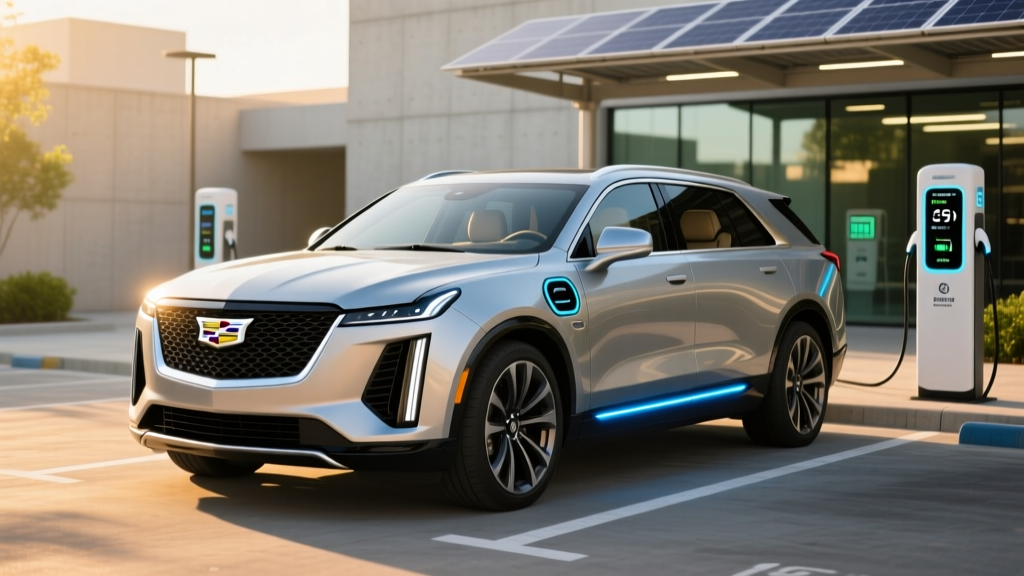
The 2026 Cadillac Escalade IQ (the all-electric Escalade) has a curb weight of approximately 8,800 to 9,000 pounds, depending on trim and equipment. That massive figure is driven largely by its Ultium-platform battery pack, which holds roughly 200+ kWh of usable energy — one of the largest battery packs in any production passenger vehicle. For comparison, the gas-powered 2026 Escalade weighs around 5,800–6,200 lbs, making the EV variant roughly 2,800–3,000 lbs heavier.
That weight directly impacts efficiency, tire wear, braking distances, and even the type of home infrastructure you may need. But it also enables an EPA-estimated range north of 400 miles and a ride quality that feels planted and isolated. Let's unpack what the Escalade IQ's weight means for real buyers.
Why the Escalade IQ Is So Heavy — and Why It Matters
The Escalade IQ rides on GM's BT1 electric truck platform, the same architecture underpinning the GMC Sierra EV and Chevrolet Silverado EV. To deliver the range and towing capability expected of a flagship luxury SUV, GM packed in an enormous battery. The Ultium pack uses NMC (nickel manganese cobalt) chemistry in a double-stacked module configuration, yielding over 200 kWh of usable capacity.
Here's where weight concentrates and what it affects:
- Battery pack (~2,900 lbs): The single heaviest component, mounted low in the chassis. This lowers the center of gravity and aids stability, but adds unsprung mass that tires and suspension must manage.
- Dual-motor AWD powertrain: Two permanent-magnet motors produce a combined up to 750 horsepower and 785 lb-ft of torque in Velocity mode, adding several hundred pounds over a single-motor setup.
- Reinforced body structure: The body-on-frame-derived platform requires heavier structural members to handle both the battery mass and a projected towing capacity of up to 8,000 lbs.
- Luxury equipment: Air suspension, rear-axle steering, massaging seats, a 55-inch hyperscreen dashboard, and a premium AKG audio system all add weight that competitors in the luxury segment also carry.
The practical consequence? Efficiency measured in miles per kWh is lower than lighter EVs. Where a Tesla Model Y might achieve 3.5–4.0 miles per kWh, the Escalade IQ delivers roughly 1.8–2.2 miles per kWh in mixed driving. That's the physics of moving nearly 9,000 lbs.
Spec Table: 2026 Cadillac Escalade IQ at a Glance
| Specification | 2026 Escalade IQ (Luxury 1 / Sport 1) |
|---|---|
| Curb Weight | ~8,800–9,000 lbs (est.) |
| Battery Capacity (usable) | ~200+ kWh (NMC, Ultium) |
| EPA Range (est.) | ~400–450 miles |
| Real-World Highway Range | ~320–370 miles (70 mph, moderate climate) |
| Cold-Weather Range (20°F) | ~280–320 miles |
| Peak DC Fast Charge Rate | ~350 kW (800V architecture) |
| 10–80% DC Charge Time | ~30–35 minutes (at 350 kW station) |
| Level 2 Charge Rate | 19.2 kW (AC) |
| Level 2 Full Charge Time | ~11–12 hours (0–100%) |
| Horsepower (Velocity Mode) | 750 hp |
| Torque | 785 lb-ft |
| 0–60 mph | ~3.4 seconds |
| Towing Capacity | Up to 8,000 lbs (est.) |
| Base MSRP (Luxury 1) | ~$129,990 (incl. destination) |
| Battery/Powertrain Warranty | 8 years / 100,000 miles |
Sources: Cadillac Escalade IQ official page, fueleconomy.gov. Figures marked "est." are based on GM's published preliminary data and platform sharing with the Silverado EV/Sierra EV. Final EPA certification may vary.
Escalade IQ vs. Gas Escalade: Weight, Efficiency, and Cost Compared
The weight difference between the electric and gas Escalade is dramatic, but the ownership economics tell a more nuanced story.
| Metric | 2026 Escalade IQ (EV) | 2026 Escalade 6.2L V8 (Gas) |
|---|---|---|
| Curb Weight | ~8,800–9,000 lbs | ~5,800–6,200 lbs |
| Powertrain | Dual-motor AWD, 750 hp | 6.2L V8, 420 hp |
| EPA Range / Tank Range | ~400–450 mi | ~440 mi (24 gal × ~18 MPG) |
| Efficiency | ~2.0 mi/kWh (~50 kWh/100mi) | ~16 MPG combined |
| "Fuel" Cost per Mile (national avg.) | ~$0.06–$0.08 (home L2 at $0.14/kWh) | ~$0.22–$0.25 (gas at $3.60/gal) |
| Annual Fuel/Energy (15,000 mi) | ~$900–$1,200 | ~$3,300–$3,750 |
| Estimated Annual Maintenance | ~$400–$600 | ~$900–$1,200 |
| Base MSRP | ~$129,990 | ~$83,895 |
| Federal Tax Credit (§30D) | Likely ineligible (MSRP cap: $80K for SUVs) | N/A |
A few critical takeaways from this comparison:
- The §30D federal tax credit does not apply to the Escalade IQ. Under current IRS §30D rules, SUVs must have an MSRP at or below $80,000 to qualify. At ~$130K base, the Escalade IQ is well above that cap. State-level incentives may still apply — check your local DMV or energy office.
- Annual energy savings are substantial — roughly $2,100–$2,550 per year if you charge primarily at home. Over 5 years, that's $10,500–$12,750 in fuel savings.
- The upfront price gap is ~$46,000 before options. Even with fuel and maintenance savings, the IQ does not reach cost parity with the gas Escalade within a typical ownership cycle. Buyers choose the IQ for performance, technology, and the EV experience — not budget rationality.
Real-World Range: What the EPA Sticker Doesn't Tell You
EPA Estimated Range: ~400–450 miles
Real-World Highway (70 mph, 75°F): ~320–370 miles
Real-World Cold Weather (20°F, highway): ~280–320 miles
Real-World Towing (5,000 lb trailer): ~180–220 miles
The Escalade IQ's massive battery provides a buffer against range anxiety that smaller-battery EVs simply cannot match. Even with a 25% cold-weather reduction, you're still looking at 280+ miles — enough for most single-day drives without charging.
However, physics is unforgiving. At sustained highway speeds, the aerodynamic drag of a full-size SUV body combined with 9,000 lbs of mass means energy consumption climbs steeply. If you regularly drive above 75 mph or live in a mountainous region, expect the lower end of the real-world estimates.
Towing is the range killer. Pulling a 5,000–7,000 lb boat or camper can cut range nearly in half. The 800V architecture and ~350 kW peak charge rate help — you can recover ~150 miles of range in roughly 15 minutes at a compatible DC fast charger — but public charging infrastructure along towing routes remains inconsistent. Plan accordingly.
Charging the Escalade IQ at Home: Infrastructure Realities
Charging a 200+ kWh battery at home requires serious infrastructure. Here's what to expect:
| Item | Estimated Cost | Notes |
|---|---|---|
| Level 2 Charger (hardwired, 80A/19.2 kW capable) | $600–$1,200 | ChargePoint Home Flex, Wallbox Pulsar Max, or GM-approved unit |
| Electrical Panel Upgrade (200A → 400A or sub-panel) | $2,000–$5,000 | Many homes need this to support 80A continuous draw plus existing loads |
| Wiring & Conduit (50–100 ft run) | $800–$2,500 | Depends on distance from panel to garage/parking spot |
| Electrician Labor | $1,500–$3,500 | Varies by region and job complexity |
| Permits & Inspection | $150–$500 | Required in most jurisdictions |
| Total Estimated Install | $5,050–$12,700 | Get 2–3 licensed electrician quotes; confirm panel capacity first |
Critical note: At 19.2 kW (the IQ's max AC charge rate), a full 0–100% charge takes roughly 11–12 hours. Most owners will plug in overnight and wake up with a full battery. But if you arrive home nearly empty and need a full charge before morning, you'll be cutting it close. The practical daily routine is to charge between 20–80% SoC, which takes about 6–7 hours at Level 2 — well within an overnight window.
If you live in an apartment or lack dedicated parking with electrical access, the Escalade IQ becomes significantly less practical. Public DC fast charging at ~350 kW is viable for road trips, but relying on it daily is expensive ($0.35–$0.50/kWh at networks like Electrify America) and adds time to your routine.
Common Misconceptions About Heavy EVs
| Myth | Fact |
|---|---|
| "Heavy EVs wear through tires twice as fast" | Partially true. The Escalade IQ's weight and instant torque do accelerate tire wear, especially on the rear axle. Expect tire replacement every 25,000–35,000 miles vs. 40,000–50,000 on the gas Escalade. Budget ~$1,200–$1,800 per set for EV-rated touring tires. |
| "The battery will need replacing and cost $30,000" | GM's Ultium batteries are warrantied for 8 years/100,000 miles at a minimum 70% capacity retention. Real-world degradation data from GM's fleet suggests ~8–12% loss over 150,000 miles. Full pack replacement would likely cost $20,000–$30,000 out of warranty, but most packs outlast the vehicle's economic life. |
| "I can charge it on a regular 120V outlet" | Technically yes, but Level 1 (1.4 kW) would add only ~3 miles of range per hour. A full charge would take over 6 days. Level 2 is effectively mandatory for daily ownership of a 200+ kWh vehicle. |
| "The weight makes it unsafe" | Heavy EVs have mixed safety implications. The low center of gravity reduces rollover risk, and the massive crumple zone around the battery provides excellent crash protection. However, braking distances are longer, and the kinetic energy in a collision is higher — for the other vehicle. NHTSA ratings for the Escalade IQ are pending as of early 2026. |
| "It qualifies for the $7,500 federal tax credit" | It does not. The IRS §30D credit caps SUV MSRP at $80,000. The Escalade IQ starts near $130K. Some states offer additional incentives that may apply — check AFDC's state incentive database. |
5-Year Cost of Ownership Breakdown
| Cost Category (5 years, 75,000 mi) | Escalade IQ (EV) | Escalade Gas V8 |
|---|---|---|
| Purchase Price (base) | $129,990 | $83,895 |
| Federal Tax Credit | $0 (MSRP exceeds cap) | $0 |
| Home Charger Install | $8,000 (avg.) | $0 |
| Fuel / Energy | $5,250 (home L2 avg.) | $17,500 (gas at $3.60/gal, 16 MPG) |
| Maintenance | $2,500 | $5,000 |
| Tires (2 replacements IQ, 1 gas) | $3,200 | $1,600 |
| Insurance (est.) | $18,000 | $13,500 |
| Depreciation (est. 50% EV, 55% gas) | $65,000 | $46,140 |
| Total 5-Year Cost | ~$231,940 | ~$167,635 |
The Escalade IQ costs roughly $64,000 more over 5 years than its gas counterpart, driven primarily by the higher purchase price and steeper depreciation on a $130K vehicle. Energy and maintenance savings recover about $15,000 of that gap. This is a purchase motivated by technology, instant torque, silence, and the EV ownership experience — not financial optimization.
Insurance premiums run 15–30% higher on the IQ due to its repair costs, weight (higher collision energy), and premium parts pricing. Get quotes before purchasing.
Decision Framework: Should You Buy the Escalade IQ?
Choose the Cadillac Escalade IQ if:
- You have Level 2 home charging (or can install it) and drive under 350 miles daily
- You want a 750-hp luxury SUV with near-silent acceleration and a planted, air-suspended ride
- You regularly tow but can plan charging stops on longer hauls
- The $130K+ price tag fits your budget without relying on tax credits
- You value the latest EV tech (800V charging, Super Cruise hands-free driving, 55-inch display) over cost parity with gas
Stick with the gas Escalade (or wait) if:
- You lack reliable home or workplace charging access
- You frequently tow over 6,000 lbs on routes with sparse DC fast-charging infrastructure
- You live in an extreme cold climate (below 0°F regularly) where range loss compounds with towing
- Total cost of ownership is a primary decision factor — the gas model wins by ~$64K over 5 years
- You plan to keep the vehicle 10+ years and are concerned about out-of-warranty battery replacement costs
Frequently Asked Questions
Does the Escalade IQ's weight affect its handling?
The low-mounted battery gives the IQ a lower center of gravity than the gas Escalade, reducing body roll. GM's available air suspension and rear-axle steering help mask the mass in normal driving. However, on tight, winding roads or during emergency maneuvers, you will feel the 9,000-lb inertia. This is a luxury cruiser, not a sports SUV.
Can I tow with the Escalade IQ?
Yes — GM targets an 8,000-lb towing capacity. But range drops dramatically under load, potentially to 180–220 miles with a heavy trailer. If you tow frequently on long trips, map your route against DC fast-charger availability (ideally 350 kW stations) and plan 30-minute charging breaks every 2–2.5 hours.
What connector does the Escalade IQ use?
The Escalade IQ launched with the NACS (North American Charging Standard) connector, giving it native access to Tesla's Supercharger network (now open to NACS-equipped non-Tesla vehicles) as well as Electrify America, EVgo, and other networks deploying NACS cables. This is a significant advantage over CCS-equipped competitors in 2026.
How long will the battery last?
GM warrants the Ultium battery for 8 years or 100,000 miles, whichever comes first, with a minimum 70% state-of-health threshold. Based on degradation data from GM's commercial EV fleet, expect roughly 8–12% capacity loss over 150,000 miles. Proper care — avoiding repeated 100% charges and DC fast-charging exclusively — can slow degradation further.
Is Super Cruise included, and is it self-driving?
Super Cruise is available on the Escalade IQ and enables hands-free driving on over 750,000 miles of mapped roads in North America. However, it is a SAE Level 2 driver-assistance system — you must remain attentive, and the system monitors your eyes via a driver-facing camera. It is not autonomous driving. You are legally and practically the driver at all times.
Does the Escalade IQ qualify for any tax incentives?
Not the federal §30D credit — the MSRP cap for SUVs is $80,000, and the IQ starts near $130K. Some states (California, Colorado, New York, and others) offer separate EV rebates or HOV lane access that may apply regardless of price. Check AFDC's state incentive search and consult a tax professional for your specific situation.