Quick Answer: What Buick Electric Vehicles Are Available Now?
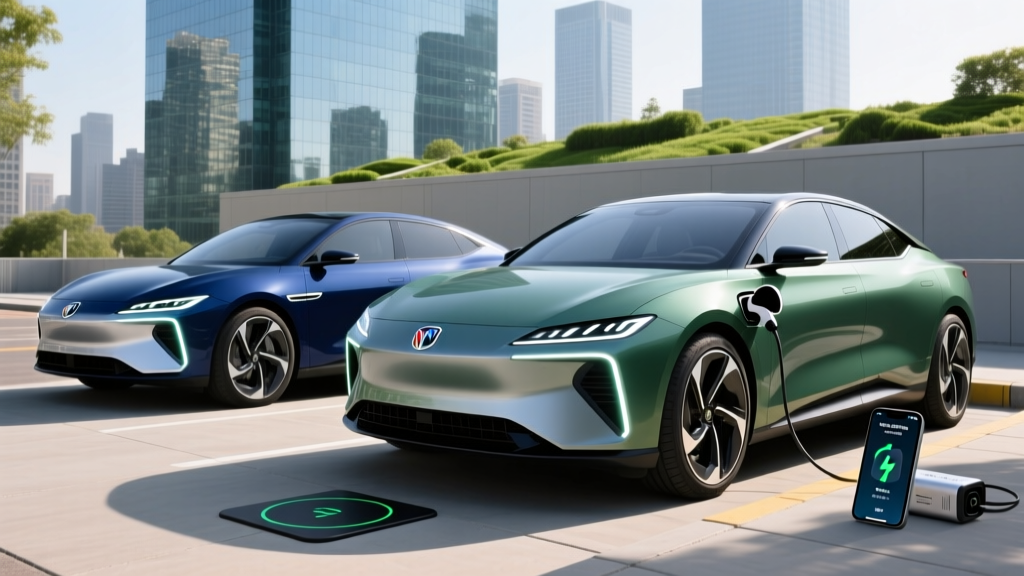
As of early 2026, Buick's electric vehicle lineup in the U.S. centers on the Electra E5, a midsize electric SUV built on GM's Ultium platform with an EPA-estimated range of up to 300 miles, DC fast charging up to 150 kW, and a starting MSRP around $44,900. A second model, the Electra E4 (a sportback-style SUV variant), was announced for the North American market with preliminary specs suggesting a similar Ultium powertrain. Buick's EV transition is part of GM's broader commitment to an all-electric lineup by 2035, and the brand is positioning its Electra models as premium-but-accessible alternatives to competitors like the Hyundai Ioniq 5, Ford Mustang Mach-E, and VW ID.4.
The 2026 Buick Electra E5: Specs, Range, and Real-World Performance
The Electra E5 is Buick's first dedicated battery-electric vehicle for the U.S. market, and it shares its Ultium architecture with the Chevrolet Blazer EV and Cadillac Lyriq. Here's what the numbers look like across the primary trims:
| Specification | Preferred FWD | Preferred AWD | Sport Touring (ST) |
|---|---|---|---|
| Base MSRP | $44,900 | $47,900 | $51,200 |
| Battery (usable) | 85 kWh (NMC) | 85 kWh (NMC) | 102 kWh (NMC) |
| EPA Range | 300 mi | 275 mi | 320 mi (est.) |
| Motor Output | 241 hp / 236 lb-ft | 340 hp / 325 lb-ft | 340 hp / 325 lb-ft |
| 0-60 mph | ~7.0 sec | ~5.5 sec | ~5.5 sec |
| Max DC Fast Charge | 150 kW | 150 kW | 190 kW |
| 10-80% DCFC Time | ~30 min | ~30 min | ~27 min |
| Level 2 Charge Rate | 11.5 kW | 11.5 kW | 11.5 kW |
| MPGe (Combined) | 95 MPGe | 89 MPGe | ~92 MPGe (est.) |
| Battery Warranty | 8 yr / 100,000 mi | 8 yr / 100,000 mi | 8 yr / 100,000 mi |
Sources: fueleconomy.gov, Buick manufacturer specifications.
Real-World Range: What to Actually Expect
The EPA stickers 300 miles on the FWD Preferred, but real-world results depend heavily on conditions:
- Mild weather, mixed driving: Expect 265–290 miles on a full charge.
- Highway at 75+ mph: Efficiency drops; plan for 230–260 miles.
- Cold weather (below 32°F): NMC chemistry loses 20–30% range without preconditioning. Budget 200–230 miles in freezing temps.
- DC fast charging taper: The 150 kW peak only sustains up to ~40–50% SoC, then tapers significantly. Expect the 10–80% session to average closer to 90–110 kW in practice.
The Electra E5 does include battery preconditioning for navigation-routed DC fast charging, which helps reduce taper in cold conditions — but only if you route through the onboard nav to a charger.
Buick Electra E5 vs. Gas SUVs: Cost of Ownership Breakdown
Buick's own Encore GX (a compact gas crossover) starts around $27,500 and averages 29 MPG combined. How does the Electra E5 stack up over five years of ownership?
| Cost Factor (5 yr / 75,000 mi) | Electra E5 Preferred FWD | Encore GX 1.3T AWD (Gas) |
|---|---|---|
| Purchase Price (MSRP) | $44,900 | $29,500 |
| Est. Federal Tax Credit (§30D) | $0–$7,500* | $0 |
| Fuel / Electricity | $3,750 (home L2 @ $0.14/kWh) | $8,625 (29 MPG @ $3.35/gal) |
| Maintenance | $1,200 (no oil, fewer brakes) | $3,800 (oil, filters, brakes) |
| Insurance (avg.) | $9,500 ($1,900/yr avg.) | $7,500 ($1,500/yr avg.) |
| Estimated Depreciation | $18,000 (~40%) | $12,400 (~42%) |
| 5-Year Total Cost | $39,350–$46,850 | $61,825 |
*The §30D federal tax credit for 2026 depends on battery critical-mineral sourcing, buyer income caps ($150K single / $300K joint), and MSRP caps ($80K for SUVs). The Electra E5's Ultium battery sourcing has been in flux — verify current eligibility at irs.gov or through your dealer's point-of-sale transfer process. Never assume the full $7,500 applies without checking your specific situation.
The math is clear: even without the full tax credit, the Electra E5's fuel and maintenance savings close the price gap significantly over five years. With the credit applied at point of sale, the effective purchase price drops closer to $37,400, making it competitive with well-equipped gas crossovers.
Charging the Electra E5: Home Setup and Public Network Reality
Level 2 Home Charging (The Daily Solution)
The Electra E5's 11.5 kW onboard charger means a full Level 2 session (from 10% to 100%) takes roughly 8–9 hours. Here's what a typical home installation costs:
| Component | Cost Range |
|---|---|
| Level 2 Charger (40–48A, hardwired) | $400–$700 |
| Electrician labor (240V/50A circuit) | $800–$2,500 |
| Electrical permit | $50–$200 |
| Panel upgrade (if needed, 200A service) | $1,500–$3,500 |
| Total (no panel upgrade) | $1,250–$3,400 |
| Total (with panel upgrade) | $2,750–$6,900 |
Always get a licensed electrician to assess your panel capacity before committing. A 50A circuit requires adequate headroom on your main panel.
DC Fast Charging (Road Trips)
The Electra E5 uses the CCS1 connector (GM is transitioning to NACS for future models, but the 2026 E5 retains CCS). With a NACS adapter (available from GM), you can access Tesla Supercharger V3 stations at up to 150 kW.
| Charging Level | Power | Miles Added Per Hour |
|---|---|---|
| Level 1 (120V outlet) | ~1.4 kW | ~4 mi/hr |
| Level 2 (240V home) | 11.5 kW | ~34 mi/hr |
| DC Fast (CCS/NACS adapter) | Up to 150 kW peak | ~180 mi in 30 min (10-80%) |
On a road trip, plan your stops around the 10–80% charging window. Charging past 80% on DC slows dramatically — going from 80% to 100% can take as long as the 10–80% session itself. For highway driving, the E5's ~250-mile real-world range means charging stops every 200–220 miles to stay comfortable.
Electra E5 vs. Competitors: How It Stacks Up
| Spec | Buick Electra E5 FWD | Hyundai Ioniq 5 SEL | Ford Mach-E Select RWD | VW ID.4 Pro S |
|---|---|---|---|---|
| MSRP | $44,900 | $45,500 | $42,995 | $45,295 |
| EPA Range | 300 mi | 303 mi | 250 mi | 291 mi |
| Battery | 85 kWh NMC | 77.4 kWh NMC | 70 kWh NMC | 82 kWh NMC |
| Max DCFC | 150 kW | 240 kW | 150 kW | 170 kW |
| 10-80% DCFC | ~30 min | ~18 min | ~33 min | ~29 min |
| 0-60 mph | 7.0 sec | 7.2 sec | 6.1 sec | 7.7 sec |
| Cargo (behind 2nd row) | 26.3 cu ft | 27.2 cu ft | 29.7 cu ft | 30.3 cu ft |
| Connector (2026) | CCS (NACS adapter) | NACS (native) | NACS (native) | CCS |
The Ioniq 5 wins on charging speed — its 240 kW peak and ~18-minute 10–80% time is a clear advantage on road trips. The Mach-E offers better cargo space and acceleration. The Electra E5's strengths are its ride comfort (Buick's signature quiet tuning), premium interior feel, and strong EPA range. It's the comfort-oriented pick in this segment.
Common Misconceptions About Buick Electric Vehicles
| Myth | Fact |
|---|---|
| "Buick doesn't make real EVs — they're just rebadged." | The Electra E5 uses GM's dedicated Ultium platform with its own battery pack, motor, and thermal management. It shares architecture with the Lyriq but has unique tuning, body, and interior. |
| "EV batteries need replacing every 5 years." | GM warranties the Ultium battery for 8 years / 100,000 miles with a capacity retention threshold (typically 70%). Real-world NMC degradation averages 10–15% over 8 years with normal use — meaning ~255 miles of the original 300 after 100K miles. |
| "I can't take an EV on road trips." | With 300 miles of range and 150 kW DCFC, the E5 adds ~180 miles in 30 minutes. A 600-mile trip takes roughly one extra hour vs. gas — manageable with planned stops at Electrify America, EVgo, or Tesla Superchargers (with adapter). |
| "EVs cost more to insure." | Partly true: EV insurance averages 15–25% higher than comparable gas vehicles due to repair costs and battery replacement risk. Shop quotes from EV-friendly insurers (Geico, Progressive, Liberty Mutual) before purchasing. |
| "I need a Tesla to access Superchargers." | GM's NACS adapter (available for the Electra E5) enables access to Tesla Supercharger V3 stations. GM's Ultium Charge network also aggregates over 150,000 public chargers through the myBuick app. |
Who Should Buy a Buick Electra E5 — And Who Shouldn't
Decision Framework
Choose the Electra E5 if:
- You prioritize ride comfort and cabin quietness over sporty handling
- You have reliable Level 2 home charging (or can install it)
- Your daily commute is under 80 miles round-trip
- You want 300 miles of EPA range without paying Cadillac prices
- You value a premium interior with Buick's signature luxury touches (heated/ventilated seats, panoramic roof on upper trims)
Look elsewhere if:
- You need the fastest DC charging available (Ioniq 5's 240 kW wins)
- You live in an apartment without charging access and rely solely on public infrastructure
- You regularly tow heavy loads (the E5 is not rated for significant towing)
- You want a frunk (the E5 doesn't offer front-trunk storage)
- Cargo volume is your top priority (ID.4 and Mach-E offer more)
What First-Time EV Buyers Must Know Before Purchasing
If this is your first electric vehicle, here are the practical realities that spec sheets don't emphasize:
- Home charging is non-negotiable for most owners. Public charging alone is expensive ($0.30–$0.50/kWh at DCFC stations vs. $0.12–$0.18/kWh at home) and time-consuming. If you can't charge at home or work, consider a PHEV instead.
- kW is power, kWh is energy. The battery stores energy in kWh (85 kWh on the E5). The charger delivers power in kW (150 kW peak on DCFC). Think of kW as the size of the hose and kWh as the size of the tank.
- Cold weather hits hard. NMC batteries lose 20–30% range in freezing temperatures. Always precondition the battery (via the app or scheduled departure) before driving in winter — it warms the pack for better efficiency and faster charging.
- Insurance costs more. Get a quote before signing. The average EV insurance premium is $1,800–$2,200/year depending on your state and driving record.
- Tax credits aren't guaranteed. The §30D credit requires meeting battery sourcing, income, and MSRP thresholds. Verify eligibility through your dealer or at irs.gov before assuming the $7,500 discount.
What's Next for Buick Electric Vehicles
Buick has signaled additional Electra models for the U.S. market through 2028, including a compact SUV and potentially a larger three-row model. GM's transition to the NACS connector will eventually make adapters unnecessary on new models. Solid-state battery technology remains in development across GM's portfolio but is not expected in Buick models before 2028 at the earliest.
For now, the Electra E5 represents Buick's opening move in the EV space — a comfortable, well-equipped midsize electric SUV that trades sporty performance for refinement. It's a solid entry point for brand-loyal Buick buyers ready to go electric, provided they have home charging access and realistic expectations about cold-weather range and public charging logistics.
Does the Buick Electra E5 qualify for the $7,500 federal tax credit?
Eligibility depends on current-year §30D rules including battery critical-mineral sourcing, your adjusted gross income (capped at $150K single / $300K joint), and the vehicle's MSRP (capped at $80K for SUVs). The E5's MSRP falls under the cap, but battery sourcing requirements change frequently. Check irs.gov or confirm with your dealer at the point of sale. The credit can now be transferred to the dealer for an instant price reduction.
How long does it take to charge the Electra E5 at home?
On a Level 2 (240V) home charger at 11.5 kW, a full charge from 10% to 100% takes approximately 8–9 hours. Most owners plug in overnight and wake up to a full battery. A standard 120V outlet (Level 1) adds only about 4 miles per hour — adequate for topping off but not for daily full recharges.
Is the Buick Electra E5 good in snow and cold weather?
The AWD trims provide solid traction, and the heat pump (standard on upper trims) helps preserve range in cold weather. Expect 20–30% range loss in sub-freezing temperatures. Always use battery preconditioning before driving or charging in cold weather to minimize losses and improve DCFC speeds.
What connector does the Electra E5 use?
The 2026 Electra E5 uses CCS1 natively. GM offers a NACS adapter that enables access to Tesla Supercharger V3 stations. Future Buick EV models are expected to adopt NACS natively as GM completes its connector transition.
How does the Electra E5 compare to the Cadillac Lyriq?
Both ride on GM's Ultium platform. The Lyriq is larger, more powerful (340–500 hp depending on trim), and starts around $58,000. The E5 is more affordable with similar efficiency and a slightly smaller footprint. If budget is the priority, the E5 delivers 85% of the Lyriq experience at 70% of the price.