The Bottom Line on the BrightDrop Electric Van
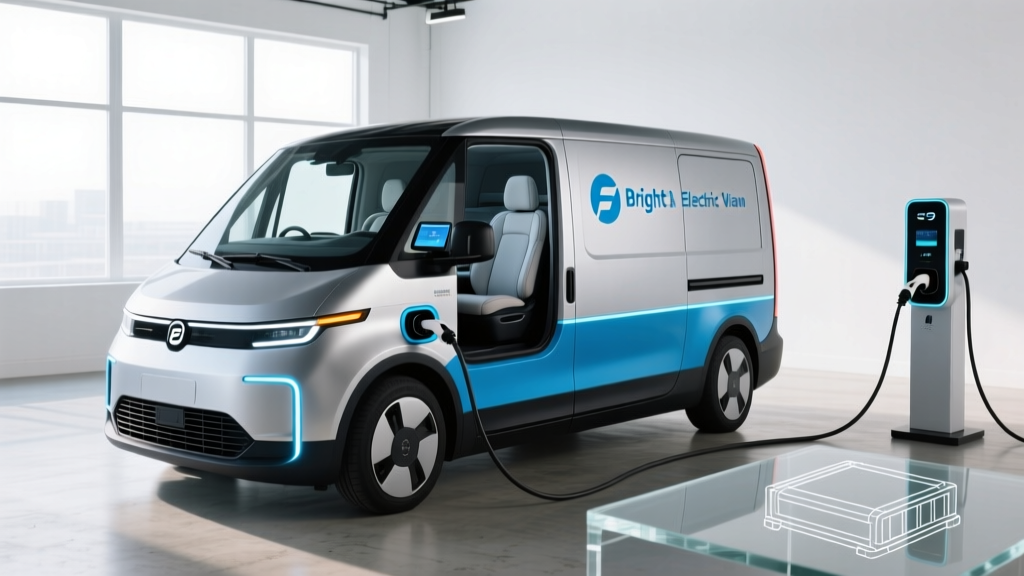
The BrightDrop Zevo 600 delivers an EPA-estimated 272 miles of range from its 165 kWh Ultium battery, while the shorter Zevo 400 targets 250 miles. Both use GM's Ultium platform with DC fast charging up to 120 kW (10–80% in roughly 65 minutes). Pricing starts around $100,000 before incentives. For fleet operators running predictable routes under 200 miles daily with depot charging access, the Zevo lineup cuts fuel and maintenance costs dramatically versus diesel Sprinters or gas-powered Ford Transits — but upfront capital costs and charging infrastructure remain the primary barriers.
What Is the BrightDrop Electric Van and Who Is It For?
BrightDrop, originally launched by General Motors and later restructured with investor backing, builds purpose-built electric delivery vans aimed squarely at commercial fleets. The lineup centers on two models: the Zevo 600 (larger cargo volume, ~600 cubic feet) and the Zevo 400 (compact last-mile variant, ~400 cubic feet). FedEx, Walmart, and various regional carriers have deployed these vans in pilot and production fleets since 2022.
Unlike retrofit conversions of existing van platforms, the Zevo series uses GM's Ultium skateboard architecture — the same modular battery and motor platform underpinning the Silverado EV and Sierra EV. That means fleet buyers get a commercial-grade electric van backed by GM's supply chain and Ultium battery chemistry (NMC — nickel manganese cobalt).
The target buyer is a fleet manager or small business operator running urban or suburban delivery routes with predictable daily mileage and access to overnight depot charging. If you're an independent contractor doing Amazon DSP routes, a regional courier, or a municipal fleet coordinator, this van was designed with your duty cycle in mind.
BrightDrop Zevo Specs: Range, Battery, and Charging Data
Fleet procurement decisions live and die on spec sheets. Here's the exact data for the 2025/2026 BrightDrop Zevo lineup:
| Specification | Zevo 600 | Zevo 400 |
|---|---|---|
| EPA-Estimated Range | 272 miles | ~250 miles |
| Battery Capacity (Usable) | 165 kWh (NMC) | ~140 kWh (NMC) |
| Battery Chemistry | Ultium NMC | Ultium NMC |
| DC Fast Charge Peak | 120 kW | 120 kW |
| 10–80% DC Charge Time | ~65 minutes | ~55 minutes |
| Level 2 AC Charge Rate | 11.5 kW | 11.5 kW |
| Level 2 Full Charge Time | ~16 hours | ~14 hours |
| Horsepower | ~300 hp (FWD) | ~300 hp (FWD) |
| Cargo Volume | ~615 cu ft | ~412 cu ft |
| Payload Capacity | ~2,500 lbs | ~2,800 lbs |
| Base MSRP (Est.) | ~$100,000 | ~$85,000 |
| Battery Warranty | 8 yr / 100,000 mi | 8 yr / 100,000 mi |
Real-World Range vs. EPA Sticker
The Zevo 600's 272-mile EPA figure assumes mixed driving with moderate climate loads. In real-world fleet operations, expect:
- Urban stop-and-go (ideal): 240–270 miles — regenerative braking recovers energy in city traffic
- Highway-heavy routes (65+ mph): 200–230 miles — aerodynamic drag dominates at speed
- Cold weather (below 32°F): 170–210 miles — cabin heating and battery thermal management consume 20–30% of capacity
- Fully loaded (near max payload): Subtract 10–15% from baseline range
For a fleet running 150-mile daily routes with depot charging, the real-world buffer is comfortable. For 200+ mile routes in northern climates, you'll need mid-day charging access or route splitting.
On DC fast charging, the 120 kW peak rate is moderate by 2026 passenger-car standards (many sedans hit 250–350 kW), but it's appropriate for a 165 kWh commercial battery. The charge curve holds near peak through roughly 40% state of charge, then tapers — a typical NMC profile optimized for battery longevity over raw speed. Depot charging at Level 2 (11.5 kW) remains the primary strategy: plug in after the evening shift, and the van is fully replenished by morning.
BrightDrop vs. Diesel and Gas Vans: The Cost Comparison
The headline question for every fleet manager: does the BrightDrop electric van actually save money versus a Mercedes-Benz Sprinter diesel or Ford Transit gasoline van? The answer depends on your duty cycle, local electricity rates, and how long you hold the vehicle.
| Cost Factor | BrightDrop Zevo 600 | Diesel Sprinter 2500 | Gas Ford Transit 350 |
|---|---|---|---|
| Base MSRP | ~$100,000 | ~$55,000 | ~$50,000 |
| Fuel/Energy Cost per Mile | $0.12–$0.18 (electricity) | $0.22–$0.30 (diesel) | $0.20–$0.27 (gasoline) |
| Maintenance per Year (Est.) | $800–$1,200 | $2,500–$3,500 | $2,000–$3,000 |
| 5-Year Fuel/Energy Cost (75k mi/yr) | $45,000–$67,500 | $82,500–$112,500 | $75,000–$101,250 |
| 5-Year Maintenance Cost | $4,000–$6,000 | $12,500–$17,500 | $10,000–$15,000 |
| Estimated 5-Year TCO* | $324,000–$423,500 | $370,000–$485,000 | $350,000–$456,250 |
*5-Year Total Cost of Ownership includes purchase price, energy/fuel, and maintenance. Excludes insurance, registration, downtime, and residual value. Based on 75,000 miles/year.
The math is clear for high-mileage fleets: the Zevo 600's higher purchase price is offset within 2–3 years through fuel and maintenance savings, assuming depot charging at commercial electricity rates ($0.10–$0.15/kWh). The critical variable is charging infrastructure cost, which we address below.
Charging Infrastructure: What Fleet Operators Actually Need
Buying the van is the easy part. Powering it is where most fleet electrification projects stall. Here's the realistic infrastructure picture:
Depot Charging (Primary Strategy)
Most commercial BrightDrop deployments rely on overnight Level 2 charging at the fleet depot. At 11.5 kW per vehicle, a 10-van fleet needs roughly 115 kW of continuous electrical capacity dedicated to charging alone. That typically requires:
| Infrastructure Component | Cost Range (10-Van Fleet) |
|---|---|
| Level 2 EVSE Hardware (10 units) | $8,000–$15,000 |
| Electrical Panel Upgrade (if needed) | $10,000–$30,000 |
| Trenching, Conduit, Wiring | $15,000–$40,000 |
| Permitting & Utility Interconnection | $5,000–$15,000 |
| Networked Fleet Management Software | $2,000–$5,000/year |
| Total Estimated Install | $40,000–$105,000 |
Utility demand charges can add $500–$2,000/month depending on your rate structure. Smart charging software that staggers vehicle start times and manages peak demand is essential — not optional — for fleets of more than three or four vehicles.
DC Fast Charging (Supplemental)
For routes that exceed the van's real-world range or for mid-day top-ups, DC fast charging at 120 kW adds roughly 100 miles of range in 30 minutes. Public DC charging costs $0.35–$0.55/kWh for commercial accounts, which erodes the per-mile cost advantage. Use DC fast charging as a safety net, not a daily strategy.
A licensed electrician and your local utility's commercial EV rate program should be your first calls — before placing a vehicle order. Many utilities offer make-ready incentives that cover 50–100% of infrastructure costs for commercial fleet charging.
Tax Credits and Incentives for Commercial EVs
The BrightDrop Zevo qualifies for federal incentives, but the rules differ from consumer passenger-vehicle credits. Fleet buyers should understand two primary mechanisms:
- IRC §30D (Clean Vehicle Credit): Up to $7,500 for qualifying vehicles — but this is primarily structured for consumer purchases. Commercial fleets that buy vehicles outright may claim this credit if the vehicle meets MSRP, income, and battery sourcing requirements per IRS guidelines.
- IRC §45W (Commercial Clean Vehicle Credit): This is the fleet-specific credit — up to $7,500 for vehicles under 14,000 lbs GVWR and up to $40,000 for heavier vehicles. The Zevo 600 (GVWR ~10,000 lbs) qualifies for up to $7,500 under §45W. This credit applies to businesses that purchase and place the vehicle in service, and it is not subject to the consumer income caps.
- State and Utility Incentives: Vary widely by jurisdiction. California's HVIP, New York's Charge Ready NY, and various utility make-ready programs can stack additional $5,000–$40,000 per vehicle. Consult your state energy office for current programs.
- Depreciation Benefits: Commercial EVs may qualify for accelerated depreciation (bonus depreciation under §168), which can provide significant tax shelter in the first year of service. Consult a tax professional for your specific situation.
The §45W credit is the most relevant for fleet operators. A 10-van Zevo 600 fleet could access $75,000 in federal credits, effectively reducing the per-unit cost to ~$92,500 before state incentives. Combined with 5-year fuel and maintenance savings, the payback period compresses to 18–30 months for high-utilization routes.
Decision Framework: Is the BrightDrop Zevo Right for Your Fleet?
Choose the BrightDrop Zevo 600 If:
- Your daily routes are under 200 miles (accounting for cold-weather derating)
- You have depot parking with overnight dwell time of 8+ hours
- Your fleet drives 50,000+ miles per vehicle annually (high utilization maximizes fuel savings)
- You operate in a state with commercial EV incentives or utility make-ready programs
- You plan to hold vehicles 5+ years (payback period requires time)
- Urban delivery with frequent stops is your primary use case (regen braking maximizes efficiency)
Stick With Diesel or Gas Vans If:
- Your routes regularly exceed 220 miles without mid-day charging access
- You operate in extreme cold climates (–10°F or below) without heated depot parking
- Your depot lacks electrical capacity and utility upgrades are cost-prohibitive or take 12+ months
- You lease vehicles on 2–3 year cycles (you won't capture the full TCO advantage)
- Your routes are predominantly highway miles at 70+ mph (range drops significantly)
- Your fleet is fewer than 3 vehicles and you lack charging infrastructure economies of scale
Consider the Zevo 400 Instead of the 600 If:
- Your cargo volume needs are under 450 cubic feet
- You operate in dense urban environments where a smaller footprint matters
- Lower upfront cost (~$85,000 vs. ~$100,000) improves your per-unit economics
Common BrightDrop Misconceptions, Corrected
| Myth | Fact |
|---|---|
| "Electric vans can't handle real delivery routes." | FedEx has logged millions of miles with BrightDrop Zevo vans in multi-city deployments. Routes under 200 miles/day are well within capability. |
| "The battery will need replacing in 5 years." | The Ultium NMC battery carries an 8-year/100,000-mile warranty with a guaranteed capacity retention threshold (typically 60–70%). Real-world fleet data from GM shows less than 10% degradation at 100,000 miles for properly managed batteries. |
| "Charging takes too long for commercial use." | Overnight Level 2 charging (11.5 kW) fully replenishes the battery in ~16 hours — well within a standard overnight depot dwell. DC fast charging at 120 kW adds 100 miles in 30 minutes for mid-day needs. |
| "The upfront cost makes it impractical." | At $100,000 base minus $7,500 §45W credit and state incentives, effective cost drops to $80,000–$90,000. Fuel savings of $8,000–$15,000/year per vehicle close the gap within 2–3 years at high mileage. |
| "There's no service network for commercial EVs." | BrightDrop leverages GM's commercial fleet service network and has partnerships with national fleet maintenance providers. Availability varies by region — confirm service access in your area before ordering. |
What First-Time Commercial EV Buyers Must Know
If this is your fleet's first electric vehicle, these operational realities will determine whether the transition succeeds or stalls:
Route analysis comes first. Before ordering a single van, instrument your current vehicles with GPS telematics for 30–60 days. Document daily mileage, stop frequency, dwell times, and peak load. If 90% of your routes fall under 180 miles, you're a strong candidate. If half your routes exceed 220 miles, you need a mixed fleet strategy or charging en route.
Your utility relationship matters enormously. Commercial electricity rates include demand charges based on your peak kW draw. A fleet of 10 vans charging simultaneously at 11.5 kW each creates a 115 kW demand spike. Smart charging software that staggers start times can cut demand charges by 40–60%. Contact your utility's commercial EV team before signing any infrastructure contracts.
Cold weather is real, but manageable. NMC batteries lose 20–30% of usable capacity in sustained sub-freezing temperatures. The Zevo's thermal management system mitigates this, but fleet managers in Minnesota or Maine should plan routes 25% shorter in winter or invest in heated depot parking (which allows the battery to precondition while plugged in).
Driver training is non-negotiable. Regenerative braking, one-pedal driving feel, and the absence of engine noise change driver behavior. Budget 2–4 hours of training per driver. Fleets that skip this report higher initial incident rates and lower efficiency.
Maintenance shifts, not disappears. You'll eliminate oil changes, transmission service, and exhaust repairs. You'll add cabin air filter changes, brake fluid checks (regen reduces but doesn't eliminate friction brake use), coolant system maintenance for the battery thermal loop, and software updates. Budget $800–$1,200/year per vehicle.
Frequently Asked Questions
Can I charge a BrightDrop Zevo at a public charging station?
Yes. The Zevo uses the CCS1 connector standard (as of current production models), which is compatible with Electrify America, EVgo, and most public DC fast charging networks. However, at 120 kW peak, it won't match the 350 kW capability of some passenger EVs — expect longer sessions. For fleet operations, public DC charging should be a backup, not a primary strategy, given the $0.35–$0.55/kWh cost.
How does the BrightDrop compare to the Ford E-Transit?
The Ford E-Transit offers a lower starting price (~$55,000) and a more established dealer network, but with significantly less range (126 miles EPA from its 68 kWh battery). The BrightDrop Zevo 600 more than doubles that range at 272 miles, making it viable for longer routes — but at nearly twice the upfront cost. For sub-100-mile urban routes, the E-Transit is often the more cost-effective choice. For 150–200 mile routes, the Zevo's range advantage justifies the premium.
What happens if the battery degrades below usable capacity?
GM's Ultium battery warranty covers 8 years or 100,000 miles with a capacity retention floor (typically 60–70% of original capacity). If degradation exceeds the threshold within the warranty period, GM covers repair or replacement. Beyond warranty, a full 165 kWh battery replacement would cost an estimated $20,000–$35,000 based on 2026 NMC cell pricing — though individual module replacement (replacing only degraded segments) is typically possible at lower cost.
Is the BrightDrop Zevo eligible for the $7,500 federal tax credit?
Yes, under IRC §45W (Commercial Clean Vehicle Credit), businesses that purchase a Zevo and place it in commercial service can claim up to $7,500 per vehicle (for GVWR under 14,000 lbs). This credit is separate from the consumer §30D credit and is not subject to buyer income caps. However, battery sourcing and final assembly requirements apply. Verify current-year eligibility on the IRS Clean Vehicle Credits page and consult a tax professional before relying on credit amounts in your procurement budget.
Does BrightDrop offer telematics and fleet management software?
Yes. BrightDrop provides a connected fleet management platform that tracks vehicle location, state of charge, energy consumption, maintenance alerts, and driver behavior. Integration with third-party fleet management systems (Geotab, Samsara, etc.) is available. Budget $20–$50/month per vehicle for software subscriptions.
What is the real-world payload impact on range?
At maximum payload (~2,500 lbs for the Zevo 600), expect a 10–15% reduction in range versus the EPA figure. A fully loaded Zevo 600 in mixed driving will deliver approximately 230–245 miles in moderate weather. In cold weather with full payload, plan for 160–190 miles.
Sources: EPA range and efficiency data via fueleconomy.gov; federal tax credit rules via IRS.gov; BrightDrop vehicle specifications via GM commercial fleet documentation.