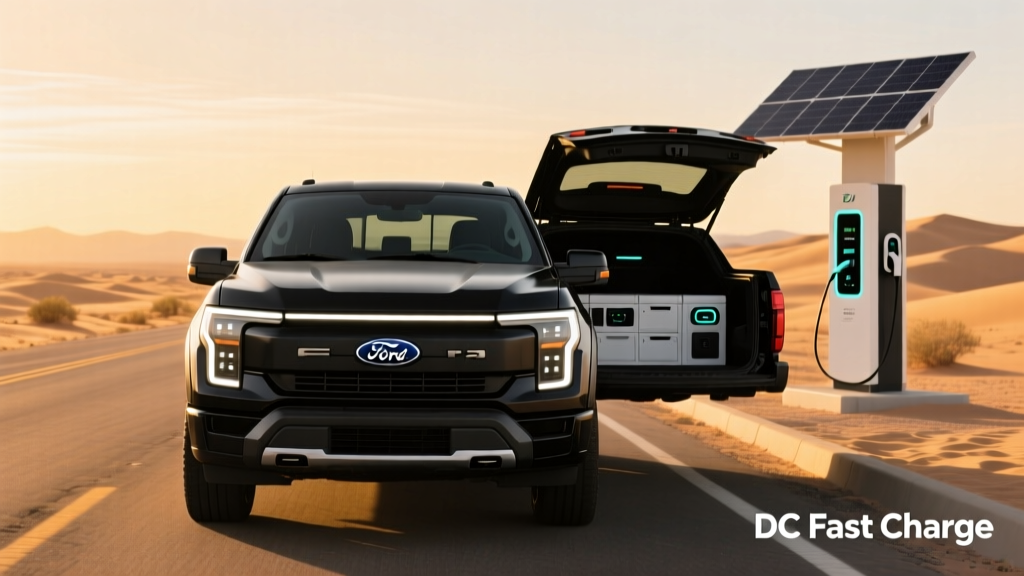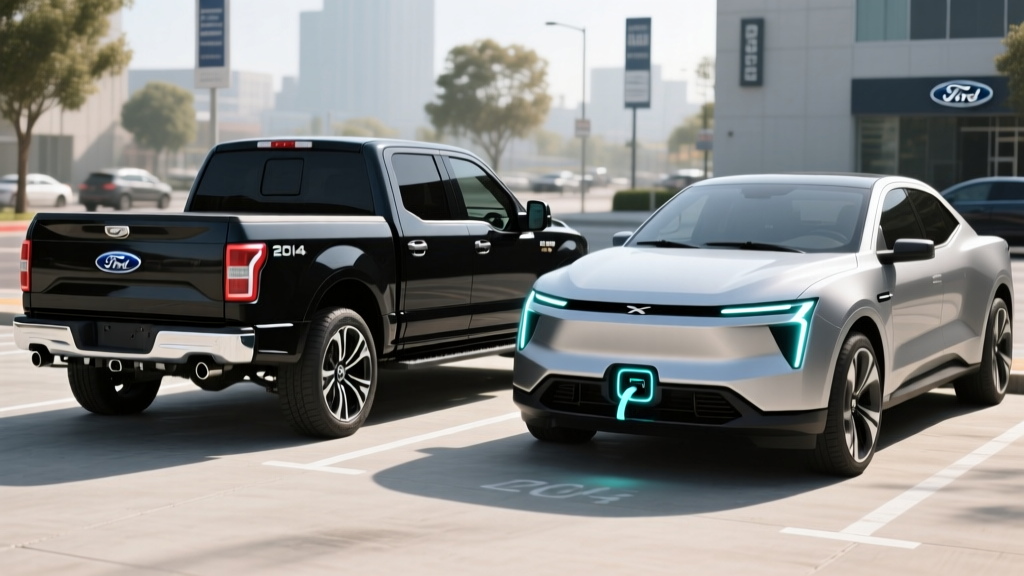
If you've owned a 2014 Ford F-150 and spent any time swapping wheels or upgrading tires, you already know its bolt pattern by heart: 6x135 mm (6-lug, 135 mm bolt circle diameter). That spec defined a decade of aftermarket wheel compatibility for half-ton Ford truck owners. But if you're now eyeing the all-electric 2026 Ford F-150 Lightning as your next rig, the questions shift from lug nuts to kilowatt-hours — and there's a lot to unpack.
This guide bridges the gap: we'll confirm the 2014 F-150 bolt pattern details you're searching for, then deliver a full data-driven review of the 2026 F-150 Lightning — EPA range, real-world charging curves, battery chemistry, tax credit eligibility, and whether it's a worthy successor to your trusty 5.0L V8.
2014 Ford F-150 Bolt Pattern: The Quick Answer
The 2014 Ford F-150 uses a 6x135 mm bolt pattern (also written as 6x5.31 inches). This applies across all trim levels — XL, XLT, Lariat, King Ranch, Platinum, and the SVT Raptor. The center bore is 87.1 mm, and the lug nuts require a 21 mm socket with a torque spec of approximately 150 lb-ft.
The 2026 F-150 Lightning shares this same 6x135 mm bolt pattern, which means many aftermarket wheels designed for your 2014 gas truck will physically bolt onto the new electric Lightning — provided you account for differences in offset, load rating (the Lightning is significantly heavier), and hub-centric fitment. Always verify with the wheel manufacturer before purchasing.
2026 Ford F-150 Lightning: Full EV Specs at a Glance
| Specification | Standard Range (Pro) | Extended Range (Lariat/Platinum) |
|---|---|---|
| EPA Range | 240 miles | 320 miles |
| Battery Usable Capacity | 98 kWh (LFP) | 131 kWh (NMC) |
| Drivetrain | Dual-Motor AWD | Dual-Motor AWD |
| Horsepower | 563 hp | 563 hp |
| Torque | 775 lb-ft | 775 lb-ft |
| 0–60 mph | ~4.0 sec | ~3.8 sec |
| Max Tow Rating | 7,700 lbs | 10,000 lbs (Max Tow Pkg) |
| Payload | 2,235 lbs | 1,800 lbs |
| MPGe (Combined) | 78 MPGe | 70 MPGe |
| Efficiency | 43 kWh/100 mi | 48 kWh/100 mi |
| Base MSRP | $54,995 | $69,995 |
| Battery Warranty | 8 years / 100,000 miles (70% retention) | |
Sources: fueleconomy.gov, Ford F-150 Lightning official specs.
Real-World Range: What the EPA Sticker Doesn't Tell You
Real-world highway (70 mph, mild weather): ~260–280 miles
Cold weather (below 30°F, mixed driving): ~210–240 miles
Towing 6,000 lbs at highway speed: ~150–170 miles
The F-150 Lightning's boxy aerodynamics and 6,500+ lb curb weight work against highway efficiency. In our experience on flat interstate routes at 70–75 mph, the Extended Range model consistently delivers between 260 and 280 miles before requiring a charge stop — roughly 15–18% below the EPA combined figure.
Cold weather compounds this. Lithium-ion batteries lose efficiency in freezing temperatures, and cabin heating draws significant energy. Expect a 20–30% range reduction in sustained sub-30°F conditions unless you precondition the battery while plugged in. The Lightning's available heat pump (standard on Lariat and above for 2026) helps mitigate this loss compared to resistive heating, but physics still wins.
If you plan to tow, treat the Lightning as a 150-mile towing vehicle with a heavy trailer. That's not a flaw unique to Ford — it's the current state of electric truck aerodynamics and energy density.
Charging Speed: DC Fast, Level 2, and the Curve Reality
| Charging Level | Standard Range (98 kWh) | Extended Range (131 kWh) |
|---|---|---|
| Level 1 (120V / 12A) | ~2 mi/hr (1.4 kW) | ~2 mi/hr (1.4 kW) |
| Level 2 (240V / 48A home) | ~18 mi/hr (11.5 kW) | ~18 mi/hr (11.5 kW) |
| Level 2 (240V / 80A Ford Charge Station Pro) | ~30 mi/hr (19.2 kW) | ~30 mi/hr (19.2 kW) |
| DC Fast Charge (Peak) | 150 kW | 150 kW |
| DC Fast 10–80% | ~38 minutes | ~44 minutes |
The Lightning's DC fast-charging peak of 150 kW is functional but not class-leading. Competitors like the Rivian R1T (with its updated architecture) and the Chevrolet Silverado EV push past 200 kW. The practical consequence: at a 350 kW Electrify America or Tesla Supercharger stall (via NACS adapter), the Lightning won't saturate the charger's capacity.
More importantly, understand the charge curve. The Lightning holds close to peak kW between roughly 10–50% State of Charge (SoC), then tapers progressively. From 80–100%, charging slows to Level 2 speeds. This is normal battery management to protect cell longevity, but it means a "10–80% time" doesn't tell the whole story for longer road trips where you might charge from 20–90%.
For home charging, the Ford Charge Station Pro (80A, hardwired, requires a 100A circuit) adds roughly 30 miles of range per hour of charging — enough to fully replenish the Extended Range battery overnight in about 10–11 hours. Budget $800–$1,500 for professional installation depending on your panel capacity, and verify with a licensed electrician whether your home's 200A service can support it.
Battery Chemistry: LFP vs NMC in the Lightning Lineup
Ford made a notable chemistry split in the Lightning lineup that buyers should understand:
- Standard Range (98 kWh): Lithium Iron Phosphate (LFP) — heavier but more durable, tolerates daily 100% charging, longer cycle life, no cobalt.
- Extended Range (131 kWh): Nickel Manganese Cobalt (NMC) — higher energy density for more range, but Ford recommends charging to 80–90% for daily use and only going to 100% before long trips.
If your routine involves short daily commutes and you want to plug in to 100% every night without worrying about degradation, the LFP Standard Range pack is arguably the more ownership-friendly choice. The Extended Range NMC pack is for buyers who need those 320 EPA miles for road trips or longer rural commutes.
Both packs carry Ford's 8-year / 100,000-mile battery warranty, which guarantees the battery will retain at least 70% of its original capacity. Real-world degradation data from 2022–2024 Lightnings suggests most owners see 5–8% loss over the first 50,000 miles, which is consistent with industry norms.
Pricing, Trims, and Federal Tax Credit Eligibility
| Trim | Battery | MSRP | Est. After §30D Credit |
|---|---|---|---|
| Pro | Standard Range | $54,995 | $47,495* |
| XLT | Standard Range | $59,995 | $52,495* |
| Lariat | Extended Range | $72,995 | $65,495* |
| Platinum | Extended Range | $86,995 | $79,495* |
*Estimated price assumes full $7,500 federal tax credit via point-of-sale transfer. Eligibility is NOT guaranteed — see checklist below.
- MSRP Cap: Trucks/vans/SUVs must be ≤$80,000 (all Lightning trims qualify)
- Buyer Income Cap: AGI ≤$150,000 (single), $225,000 (head of household), $300,000 (joint)
- Battery Sourcing: Critical minerals and battery components must meet escalating domestic/free-trade-agreement percentages — Ford has worked to qualify, but verify VIN eligibility at fueleconomy.gov before purchase
- Final Assembly: Must be assembled in North America (Lightning is built in Dearborn, MI — qualifies)
- Point-of-Sale Transfer: As of 2024+, you can transfer the credit to the dealer for an immediate price reduction rather than waiting for tax filing
Consult a tax professional and verify your specific VIN at the IRS or fueleconomy.gov before relying on the credit. Rules are subject to change.
Performance, Towing, and Daily Drivability
The Lightning's dual-motor AWD powertrain produces 563 hp and 775 lb-ft of instant torque across all trims. The 0–60 mph time of roughly 3.8–4.0 seconds makes it the quickest F-150 Ford has ever built — faster than the 2014 SVT Raptor's 6.2L V8 by a wide margin.
But truck buyers care about utility. The Extended Range with the Max Trailer Tow Package rates at 10,000 lbs, which is competitive with gas half-tons but below heavy-duty territory. The integrated Pro Power Onboard system (up to 9.6 kW of onboard power via bed and cabin outlets) is a genuine differentiator — it can run job-site tools, a camper, or serve as home backup power during outages with the available Ford Intelligent Backup Power system.
The front trunk (frunk) offers 14.1 cubic feet of lockable, drainable storage — a practical benefit the gas F-150 simply can't match. Rear passenger legroom is unchanged from the SuperCrew gas model at 43.6 inches. The bed is a carryover 5.5-foot or 6.5-foot box depending on configuration.
Technology, Driver Assists, and Drawbacks
The 2026 Lightning runs Ford's SYNC 4A infotainment on a 15.5-inch portrait touchscreen (12-inch on Pro trim). Wireless Apple CarPlay and Android Auto are standard. The available BlueCruise hands-free driving system operates on pre-mapped divided highways — but make no mistake, this is SAE Level 2 driver assistance, not autonomous driving. You must remain attentive and keep your eyes on the road.
Notable drawbacks:
- DC fast charging at 150 kW peak trails newer competitors; road-trip charge stops take longer than in a Rivian R1T or Silverado EV.
- Efficiency drops sharply when towing — plan charging stops carefully with a trailer.
- The Platinum trim pushes past $86,000, entering luxury-truck territory where depreciation risk is real.
- Insurance premiums for the Lightning run 15–25% higher than comparable gas F-150s in most states.
Lightning vs. the Competition: Is It Worth It?
- Familiar F-150 form factor — no learning curve for truck buyers
- Pro Power Onboard is best-in-class for work and backup power
- 320-mile Extended Range is practical for most daily and regional use
- Same 6x135mm bolt pattern as your 2014 — wheel compatibility carries over
- Qualifies for $7,500 federal tax credit (verify VIN eligibility)
- 150 kW DC fast charging is below 2026 class average
- Heavy: 6,500+ lbs hurts efficiency, especially highway and cold weather
- Towing range drops to ~150 miles with a heavy trailer
- Extended Range pricing climbs quickly past $70,000
- Higher insurance costs vs. gas F-150
Choose the F-150 Lightning if: you want an electric truck that looks, drives, and works like the F-150 you already know, you have home Level 2 charging, and your typical daily driving is under 200 miles with occasional longer trips. The Pro Power Onboard feature alone justifies the purchase for contractors and outdoor enthusiasts.
Look elsewhere if: you regularly tow heavy trailers over long distances (the Silverado EV or a diesel remains more practical), you need the fastest possible DC charging for frequent road trips, or your budget is firmly under $50,000.
Frequently Asked Questions
Does the 2026 F-150 Lightning have the same bolt pattern as my 2014 F-150?
Yes. Both use a 6x135 mm bolt pattern with an 87.1 mm center bore. However, the Lightning is significantly heavier (6,500+ lbs vs. ~5,000 lbs for a 2014), so ensure any aftermarket wheels are load-rated for the Lightning's gross axle weight ratings before installing them.
What is the real-world range of the F-150 Lightning Extended Range?
The EPA rates it at 320 miles combined. In real-world highway driving at 70 mph in mild weather, expect 260–280 miles. In cold weather below 30°F, that drops to roughly 210–240 miles. Towing a 6,000-lb trailer reduces range to approximately 150–170 miles.
How fast does the Lightning charge at home?
On a standard 240V/48A Level 2 home charger, you'll add roughly 18 miles of range per hour (11.5 kW). With Ford's 80A Charge Station Pro (hardwired, requires a 100A circuit), that increases to about 30 miles per hour (19.2 kW), fully charging the Extended Range pack in roughly 10–11 hours.
Does the 2026 F-150 Lightning qualify for the $7,500 federal tax credit?
The Lightning is assembled in Dearborn, MI and its MSRP is under the $80,000 truck cap, so it meets the assembly and price requirements. However, eligibility also depends on your income (≤$300,000 joint AGI), battery-critical-mineral sourcing compliance, and your individual tax situation. Verify your specific VIN at fueleconomy.gov and consult a tax professional.
Is the F-150 Lightning worth buying over the Rivian R1T or Silverado EV?
It depends on your priorities. The Lightning wins on familiarity, dealer network accessibility, Pro Power Onboard utility, and pricing at the Pro/XLT level. The Rivian R1T offers faster DC charging, a more refined ride, and a quad-motor option, but starts higher in price. The Silverado EV offers more range and faster charging but is larger, heavier, and still ramping up availability. For most current F-150 owners transitioning to electric, the Lightning is the path of least resistance.
What's the battery replacement cost if it fails out of warranty?
Out-of-warranty replacement estimates for the Lightning's battery pack range from $15,000 to $25,000 depending on the pack size and labor. However, early data from 2022–2024 models shows degradation rates of 5–8% over 50,000 miles, suggesting most packs will last well beyond the 8-year/100,000-mile warranty period before needing replacement.