Quick Answer: Is the Electric BMW X5 Worth It?
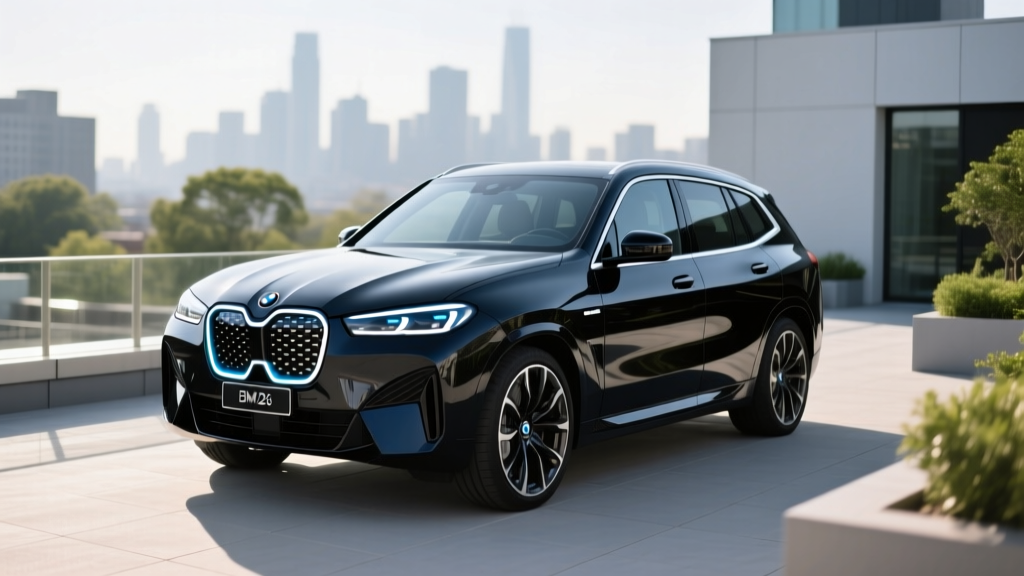
The electric BMW X5 — officially the BMW iX5 — enters the U.S. market for the 2026 model year as a fully electric midsize luxury SUV built on BMW's Neue Klasse platform. Expect an EPA-estimated range around 300–320 miles from a ~100 kWh (usable) NMC battery, DC fast charging up to 250 kW (10–80% in approximately 22 minutes), and a starting MSRP near $74,900 before destination. It does not qualify for the full $7,500 federal §30D tax credit at launch due to battery-sourcing requirements, though a $3,750 partial credit may apply depending on your income and the vehicle's critical-mineral compliance. If you want X5 cargo space and driving dynamics without gas, the iX5 is the most direct path — but if your budget is tighter or you lack reliable home charging, the plug-in hybrid BMW X5 xDrive50e ($65,200, ~38 miles electric-only) is worth a serious look.
BMW iX5 2026: Core Specs at a Glance
BMW confirmed the iX5 for global markets in late 2025, with U.S. deliveries beginning in early 2026. The figures below reflect BMW's announced U.S. specifications. Where EPA certification data is pending, I've noted estimates based on WLTP-to-EPA conversion patterns observed with the iX and i4.
| Specification | BMW iX5 xDrive50 (2026) |
|---|---|
| Battery (usable) | ~100 kWh, NMC chemistry |
| EPA Range (est.) | 300–320 miles |
| WLTP Range (EU) | Up to 373 miles (600 km) |
| Efficiency (est.) | ~87 MPGe combined |
| Powertrain | Dual-motor AWD |
| Horsepower | ~469 hp |
| 0–60 mph | ~4.7 seconds |
| Max DC Fast Charge | 250 kW (peak) |
| 10–80% DC Charge Time | ~22 minutes |
| Level 2 Charge Rate | 11 kW (onboard charger) |
| Level 2 Full Charge (0–100%) | ~10 hours |
| Charging Port | NACS (native Tesla Supercharger access) |
| Towing Capacity | ~5,500 lbs (est.) |
| Cargo Volume | ~34 cu ft (rear seats up) |
| Battery Warranty | 8 years / 100,000 miles (≥70% capacity) |
| Base MSRP | $74,900 + $995 destination |
iX5 vs. Gas X5 vs. X5 PHEV: Which Powertrain Fits?
BMW now sells three flavors of X5 in the U.S., and the right choice depends on your driving patterns, charging access, and budget. Here's how they stack up:
| Metric | iX5 xDrive50 (BEV) | X5 xDrive50e (PHEV) | X5 xDrive40i (Gas) |
|---|---|---|---|
| Base MSRP | $74,900 | $65,200 | $63,200 |
| EPA Range / Fuel | ~310 mi (electric) | ~38 mi electric + ~450 mi gas | ~480 mi (22 MPG combined) |
| MPGe / MPG | ~87 MPGe | 50 MPGe (electric) / 22 MPG (gas) | |
| 0–60 mph | 4.7 sec | 4.6 sec | 5.2 sec |
| Annual "Fuel" Cost* | ~$680 | ~$900 (mixed) | ~$2,200 |
| Federal Tax Credit | Up to $3,750** | Up to $3,750** | $0 |
| Home Charging Needed? | Strongly recommended | Helpful, not essential | No |
| Maintenance Cost (5-yr est.) | ~$1,800 | ~$3,200 | ~$4,100 |
*Based on 12,000 miles/year, $0.14/kWh national average for electricity, $3.60/gal premium unleaded. Your costs will vary — see the ownership breakdown below.
**§30D credit eligibility depends on buyer AGI, MSRP caps, and battery-sourcing compliance. The iX5's MSRP exceeds the $80,000 SUV cap only on higher trims. Verify current rules at IRS.gov.
Real-World Ownership Costs: 5-Year Breakdown
Sticker price is just the starting point. Here's what five years of ownership actually looks like for the iX5 compared to the gas X5 xDrive40i, assuming 12,000 miles per year, home Level 2 charging at $0.14/kWh, and premium gas at $3.60/gallon:
| Cost Category (5 Years) | BMW iX5 xDrive50 | BMW X5 xDrive40i (Gas) |
|---|---|---|
| Purchase Price (base + dest.) | $75,895 | $64,195 |
| Federal Tax Credit | –$3,750 (est.) | $0 |
| Effective Purchase | $72,145 | $64,195 |
| Energy/Fuel (60,000 mi) | $3,400 | $11,000 |
| Maintenance | $1,800 | $4,100 |
| Insurance (avg. premium) | $12,500 | $10,200 |
| Depreciation (est. 5-yr) | $32,000 | $28,000 |
| Total 5-Year Cost | $121,845 | $117,495 |
| Cost Per Mile | $0.83 | $0.89 |
Key takeaway: The iX5 costs roughly $4,350 more over five years at current prices, primarily due to higher upfront cost and steeper luxury-EV depreciation. However, if you qualify for the full $7,500 credit (possible if BMW adjusts battery sourcing in later production batches) or if your state offers additional rebates (California, Colorado, Massachusetts, etc.), the gap narrows or flips. Energy savings alone — $7,600 over 60,000 miles — are the iX5's strongest financial argument.
Insurance runs 15–25% higher on the iX5 than the gas X5, according to industry data. EV repair costs after collisions tend to be higher due to battery proximity and specialized labor. Get quotes from your provider before committing.
Charging the iX5: What You Actually Need at Home
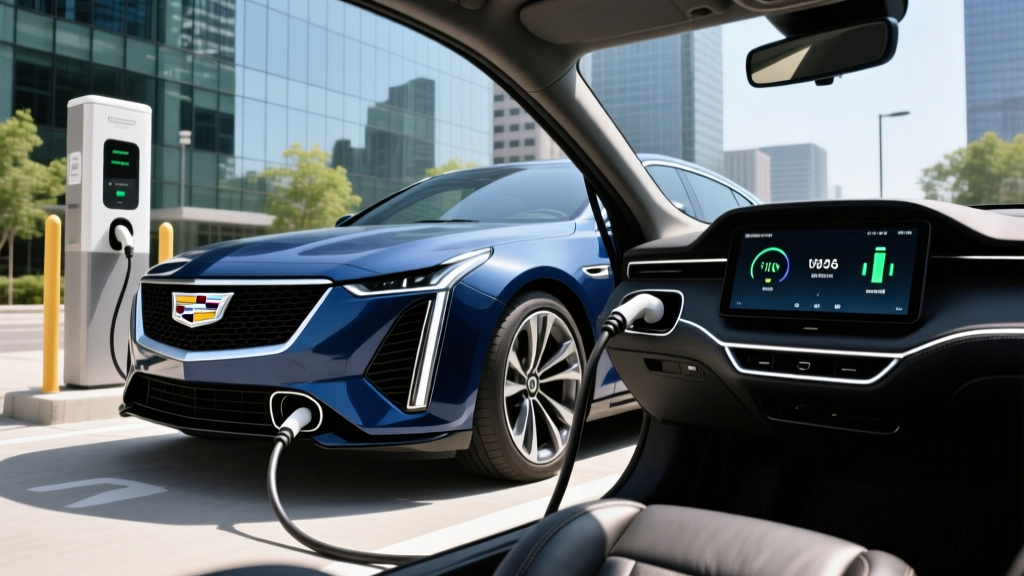
The iX5 uses a NACS connector natively, meaning it plugs directly into Tesla Superchargers (now open to non-Tesla EVs) and any NACS-equipped public station. At home, you'll want a Level 2 wallbox.
| Charging Level | Power | Miles Added per Hour | Use Case |
|---|---|---|---|
| Level 1 (120V outlet) | ~1.4 kW | ~3–4 miles | Emergency / overnight trickle only |
| Level 2 (240V, 48A) | 11.5 kW | ~30–35 miles | Daily home charging (recommended) |
| DC Fast Charge | Up to 250 kW | ~650+ mi/hr (peak) | Road trips, 10–80% in ~22 min |
Home install reality check: A Level 2 charger installation typically costs $800–$2,500 if your electrical panel has capacity for a new 60A circuit. If you need a panel upgrade (common in older homes with 100A service), add $1,500–$3,500. Budget $2,000–$4,000 total for a clean install with permits. Always get a quote from a licensed electrician before assuming your panel can handle it.
The charging curve matters: The iX5 peaks at 250 kW only between roughly 10–30% state of charge. Above 50%, the rate tapers to ~150 kW, and above 80% it drops sharply to protect the battery. On a road trip, plan stops around the 10–80% window — charging from 80–100% can add another 20+ minutes for only ~60 miles of range. This is universal EV behavior, not a BMW-specific flaw.
Federal Tax Credit: Does the iX5 Qualify?
The §30D Clean Vehicle Credit is complex and changes based on battery-sourcing compliance, which shifts annually. Here's the current framework:
- MSRP cap: SUVs must be ≤$80,000. The iX5 xDrive50 base ($74,900) qualifies; a fully loaded iX5 M60 ($92,000+) does not.
- Buyer income cap: AGI ≤$300,000 (married filing jointly), ≤$225,000 (head of household), ≤$150,000 (single).
- Battery components: Must be manufactured in North America (phasing requirements tighten yearly through 2029).
- Critical minerals: Must be sourced from the U.S. or FTA partners (separate threshold, also tightening).
- Point-of-sale transfer: You can transfer the credit to the dealer for an upfront price reduction — no need to wait until tax filing.
As of early 2026, BMW's battery supply chain for the Neue Klasse platform partially meets critical-mineral requirements, making the iX5 eligible for $3,750 (half credit). Full $7,500 eligibility depends on BMW's sourcing updates throughout the model year. Check the latest status at fueleconomy.gov before purchasing, and confirm with your tax professional.
Common Misconceptions About the Electric BMW X5
| Myth | Fact |
|---|---|
| "The iX5 will get the full $7,500 tax credit automatically." | Credit eligibility depends on battery sourcing, your income, and MSRP. Expect $3,750 at launch, not $7,500. |
| "300-mile range means I can drive 300 miles in any condition." | Highway driving at 75 mph reduces range ~15–20%. Sub-freezing temps with heat on can cut it 20–30%. Plan for ~240 miles in winter. |
| "I can rely on public charging instead of installing a home charger." | Public DC charging at $0.35–$0.55/kWh costs 2–4× more than home charging. Without home access, the iX5's cost advantage over gas shrinks significantly. |
| "The battery will need replacing in 5–7 years." | Modern NMC batteries with active thermal management typically retain 85–90% capacity at 100,000 miles. BMW warranties 70% at 8 years/100,000 miles. Replacement (if ever needed) runs $12,000–$18,000 — rare under warranty. |
| "The iX5 is self-driving on the highway." | BMW's Highway Assistant is a SAE Level 2 system — hands-on or eyes-on depending on configuration. You remain the driver at all times. It is not autonomous. |
Decision Framework: Should You Buy the iX5?
Choose the BMW iX5 (BEV) if:
- You have reliable home Level 2 charging (garage or driveway with 240V access)
- Your daily commute is under 80 miles round-trip (covers ~90% of U.S. drivers)
- You take road trips 3–5 times per year and can tolerate 20-minute charging stops
- You want the lowest per-mile energy cost and minimal maintenance
- You value instant torque, silent operation, and zero tailpipe emissions
Choose the BMW X5 xDrive50e (PHEV) if:
- You lack home charging access or rent your home
- You frequently drive 300+ miles in a single day (rural areas, towing routes with sparse charging)
- You want electric-only commuting (38 miles covers most errands) without range anxiety
- Your budget is closer to $65,000 than $75,000
Choose the Gas BMW X5 xDrive40i if:
- You live in an apartment with no charging option and limited public infrastructure
- You regularly tow heavy loads (>5,000 lbs) in extreme cold
- You plan to keep the vehicle 10+ years and want simpler long-term serviceability
Frequently Asked Questions
When can I actually buy the BMW iX5 in the U.S.?
U.S. deliveries of the 2026 iX5 began in early 2026. Availability varies by dealer allocation — expect 4–8 week wait times on popular configurations (especially the xDrive50 with M Sport package). The higher-output iX5 M60 follows later in the model year.
How does the iX5 compare to the BMW iX?
The BMW iX is larger, more expensive ($87,250+), and offers more range (~324 miles EPA). The iX5 slots below it as a more traditional SUV shape with X5-equivalent cargo space and a lower starting price. If you prioritize driving dynamics and a familiar SUV silhouette over the iX's lounge-like interior, the iX5 is the better fit.
Will the iX5 battery degrade significantly?
Based on data from BMW's existing NMC packs in the i4 and iX, expect roughly 8–12% capacity loss over the first 100,000 miles under normal use. The battery management system includes a buffer (~5% of gross capacity is hidden) to slow visible degradation. Keeping daily charge between 20–80% and using DC fast charging sparingly (not daily) maximizes longevity.
Can I use Tesla Superchargers with the iX5?
Yes. The 2026 iX5 has a native NACS port, so it plugs directly into Tesla Supercharger stalls without an adapter. BMW's iDrive navigation will route you through Superchargers and other networks (Electrify America, EVgo) with preconditioning to optimize charge speed on arrival.
What's the real cost to charge the iX5 at home?
A full 100 kWh charge at $0.14/kWh (national residential average) costs about $14.00 for ~310 miles of range — roughly $0.045 per mile. Compare that to the gas X5 at ~$0.16 per mile on premium fuel. Over 12,000 miles per year, home charging saves approximately $1,400–$1,600 annually. If your utility offers off-peak EV rates ($0.08–$0.10/kWh), savings increase to $1,800+.
Is the iX5 good in snow and cold weather?
Dual-motor AWD and BMW's traction control make it capable in snow. The standard heat pump preserves range better than resistive heating (roughly 5–8% less winter range loss vs. EVs without one). Still, budget 20–30% range reduction in sustained sub-30°F driving. Preconditioning the battery while plugged in (via the BMW app) before departure recovers significant range and improves regenerative braking performance.